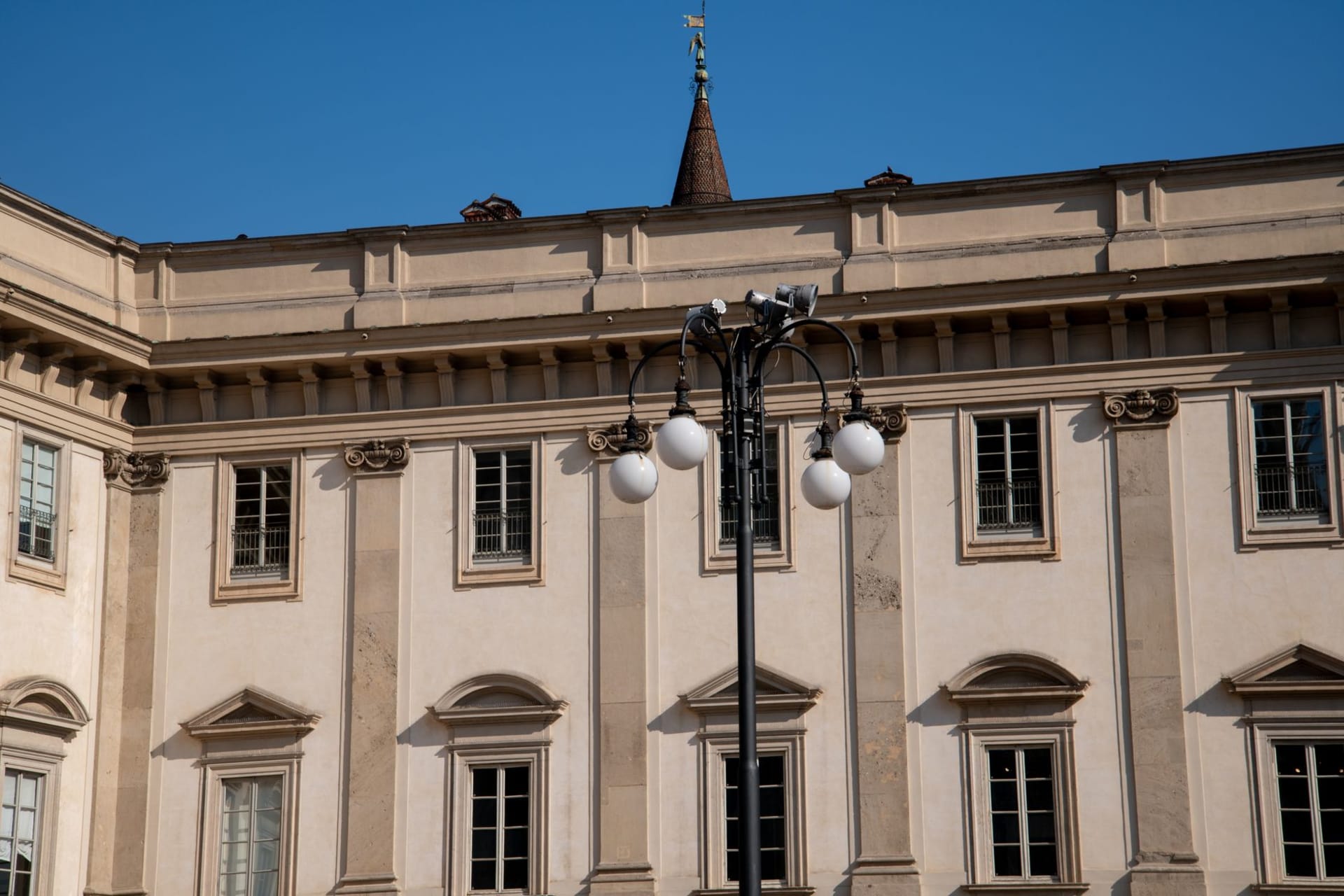
Museo di Stato
"A room full of Roman coins minted two thousand years ago in a country that didn't exist yet — history here requires a flexible sense of chronology."
The Museo di Stato is housed in the Palazzo Pergami Belluzzi, a few minutes’ walk from Piazza della Libertà, and I passed it twice before going in because the entrance is unassuming — a palazzo door like several others in the historic center, a small sign, and no queue whatsoever. The absence of a queue was the clue. In a tourist destination where the towers have lines and the souvenir shops are full, any institution that is empty is likely to be either terrible or extremely good. The state museum of the world’s oldest republic turned out to be the latter.
The collection moves through time in a way that forces you to recalibrate your assumptions. The earliest section covers the pre-Roman and Roman periods of Monte Titano, which was a settled site long before the republic’s legendary founding by the stonecutter Marinus in 301 AD. The Roman coins, jewelry, and household objects — some found during construction work in the historic center, some donated by local families over generations — are displayed in cases with the slightly dusty sincerity of a museum that cares about the objects more than the spectacle of displaying them. A bronze fibula of the first century BC. A terracotta lamp shaped like a foot. A glass unguentarium for perfumed oil, intact after two millennia.
The medieval section is where the collection becomes genuinely gripping. San Marino’s independence was not simply given — it was defended, through treaties and diplomacy and occasional military conflict, against the Malatesta lords of Rimini, the Papacy, the Visconti of Milan, and eventually Napoleon. The documents recording these negotiations are displayed alongside seals, arms, and the paraphernalia of small-state survival: letters in Latin to popes and dukes, the texts of treaties that guaranteed the republic’s borders, a Papal bull of 1296 in which Pope Nicholas IV formally recognized Sammarinese sovereignty. Holding that recognition in place for seven centuries requires a combination of genuine diplomatic skill, advantageous geography, and what I can only describe as institutional stubbornness. The museum makes this argument clearly, without triumphalism.
The upper floor holds the picture gallery, a modest collection of paintings by Italian masters — nothing that would make a major museum’s shortlist, but several genuinely fine fifteenth- and sixteenth-century works including a Guercino and some works of the Emilian school that are shown here without crowds and without the reverent hush that large museums impose on their collections. I stood in front of a small portrait of a Sammarinese patrician for ten minutes without anyone asking me to move along, which is a luxury most art encounters don’t afford.
I bought a slim catalogue in the gift shop — an actual scholarly publication, well-illustrated, available in both Italian and English — and spent an hour that evening reading it at the café near my hotel. The museum costs a few euros, takes perhaps ninety minutes to do well, and contains within its walls most of what you actually need to understand why this ridge has been continuously self-governing since the reign of Emperor Diocletian. That seems like reasonable value.
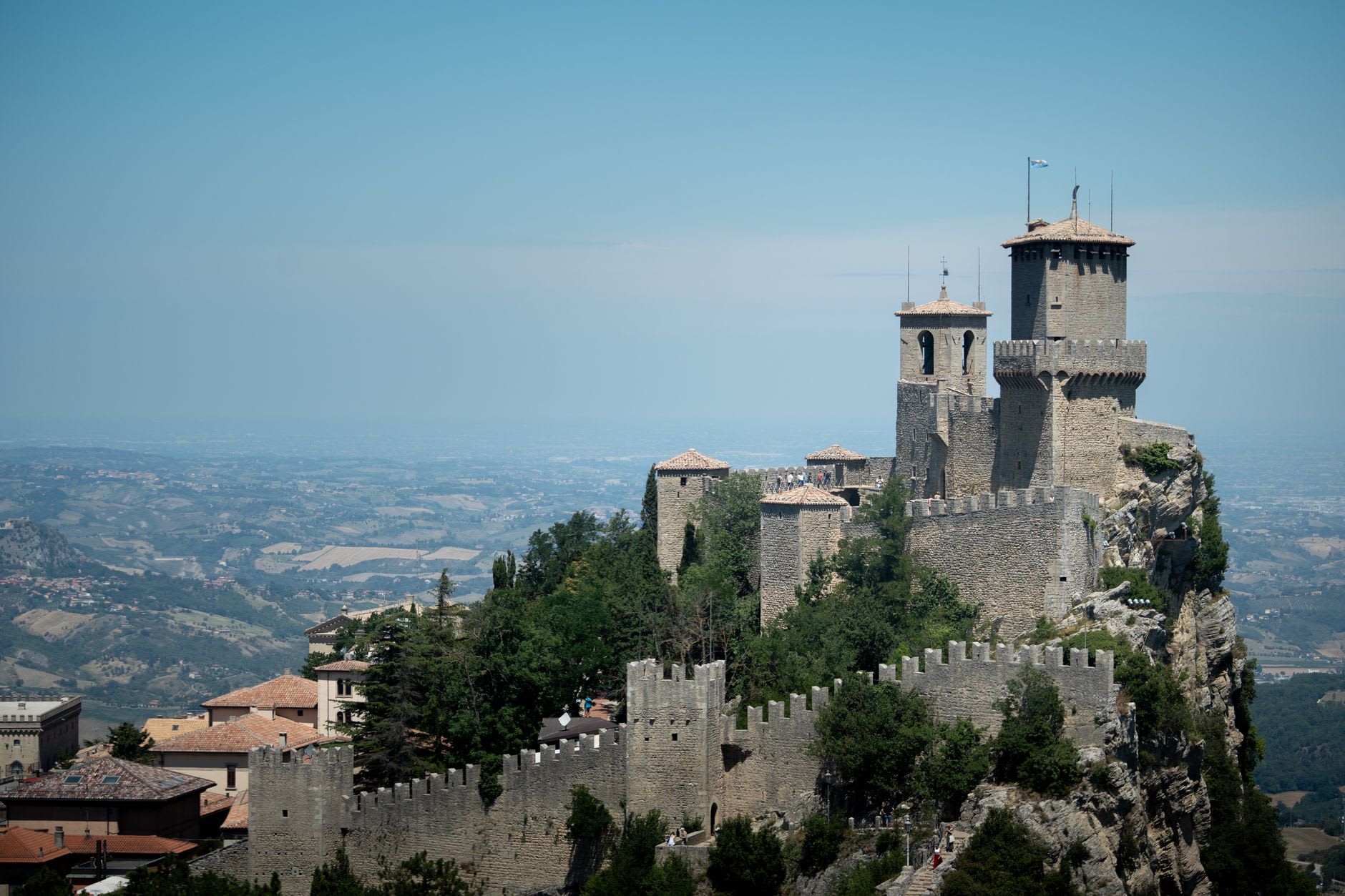
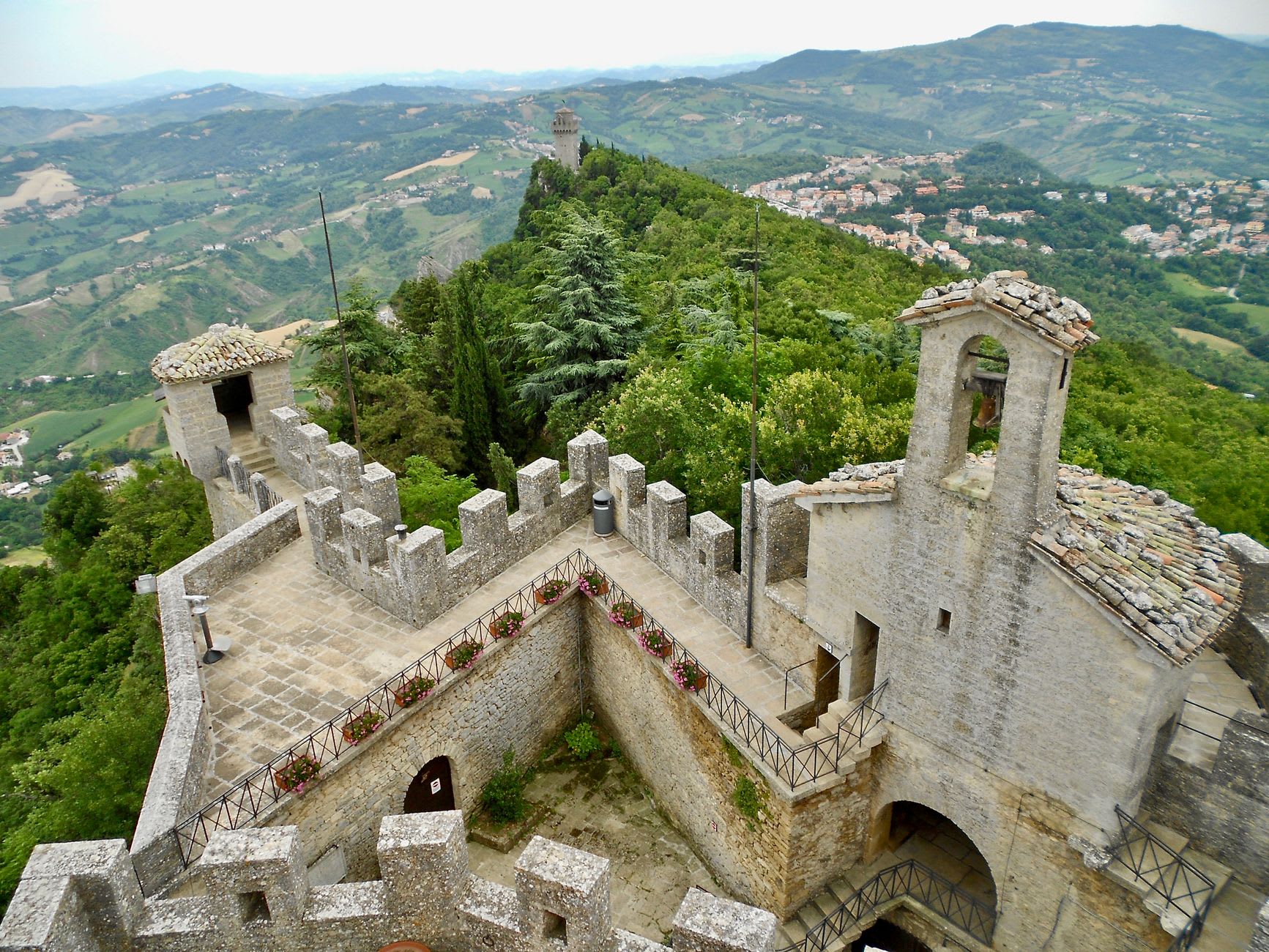
When to go: Any day the museum is open, which is most of the year except for a handful of national holidays. Mornings are quietest. The museum makes an ideal complement to the tower visits — do the towers first for the physical experience of the ridge, then the museum for the historical context that makes the towers meaningful.