
Manono Island
"No engines. No dogs. Just the reef, the tide, and a village that has decided certain things are not necessary."
A car-free, dog-free island between Upolu and Savai'i where time runs on village rhythm and the reef walk at low tide is meditative and absolute.

The boat from Upolu’s northwest coast takes about fifteen minutes, which is not long enough to prepare you for the transition. Manono is roughly three kilometers in circumference and has no cars — there is no road that a car could use — and no dogs, which is a village bylaw maintained with notable community seriousness. What this means in practice, and what takes a few hours to fully register, is that Manono is genuinely quiet. The kind of quiet that a city person interprets initially as absence and slowly understands is actually presence: the sound of coconut fronds in the offshore breeze, of chickens somewhere in the village, of water over the reef flat, of children playing somewhere unseen. I sat on the shore my first evening with nothing in particular to do and felt the specific quality of stillness that only comes from a place that has actively chosen to remain small.
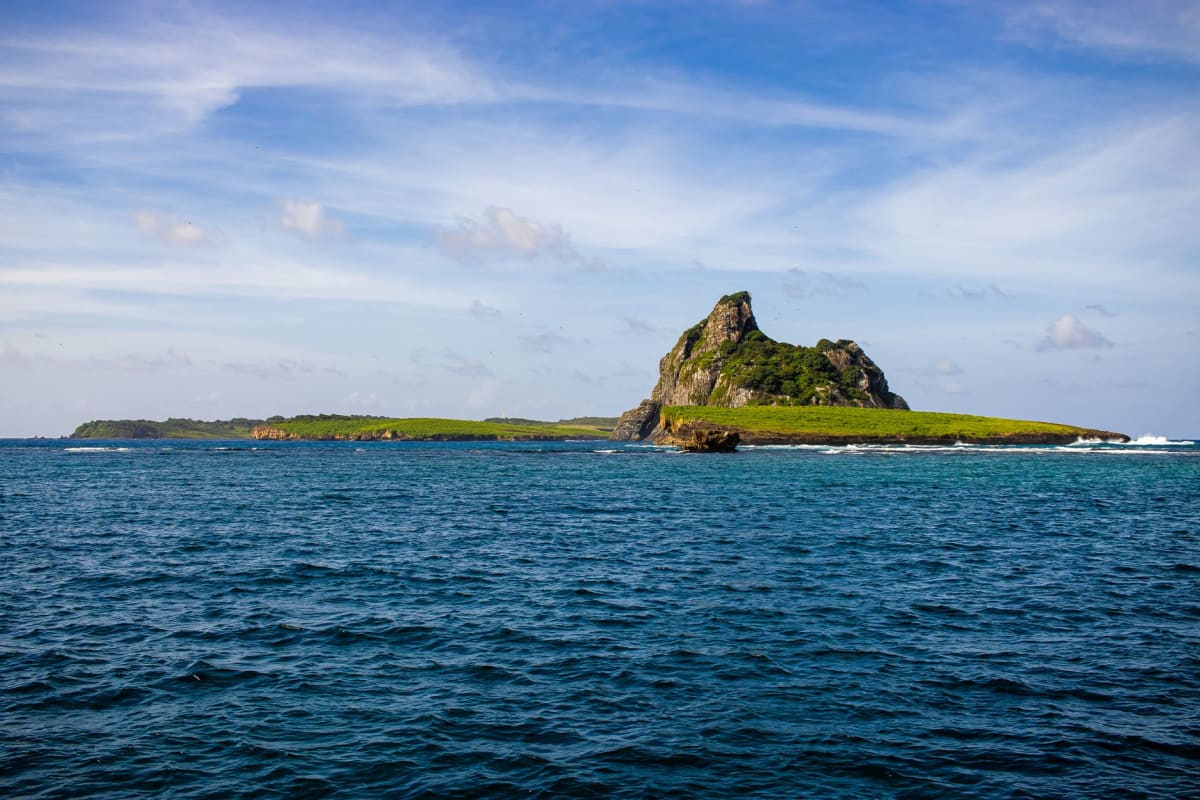
The walk around the island takes about an hour at a moderate pace, along a path that runs directly through the four villages — Faleu, Lepuia’i, Apai, and Salua — that between them constitute Manono’s entire settlement. In each village the fales are open to the path, and the custom of fa’asamoa means that walking through is a social occasion whether you intend it to be or not. I was offered coconut water in three different places. A woman called me over to sit for a while and showed me photographs of her family in New Zealand. A group of men playing cards asked if I knew rugby and seemed genuinely satisfied when I said I knew of it. The island has perhaps 1,000 people in total, and by the time I finished the circuit I had the feeling, not entirely accurate but not entirely wrong either, of having met most of them.
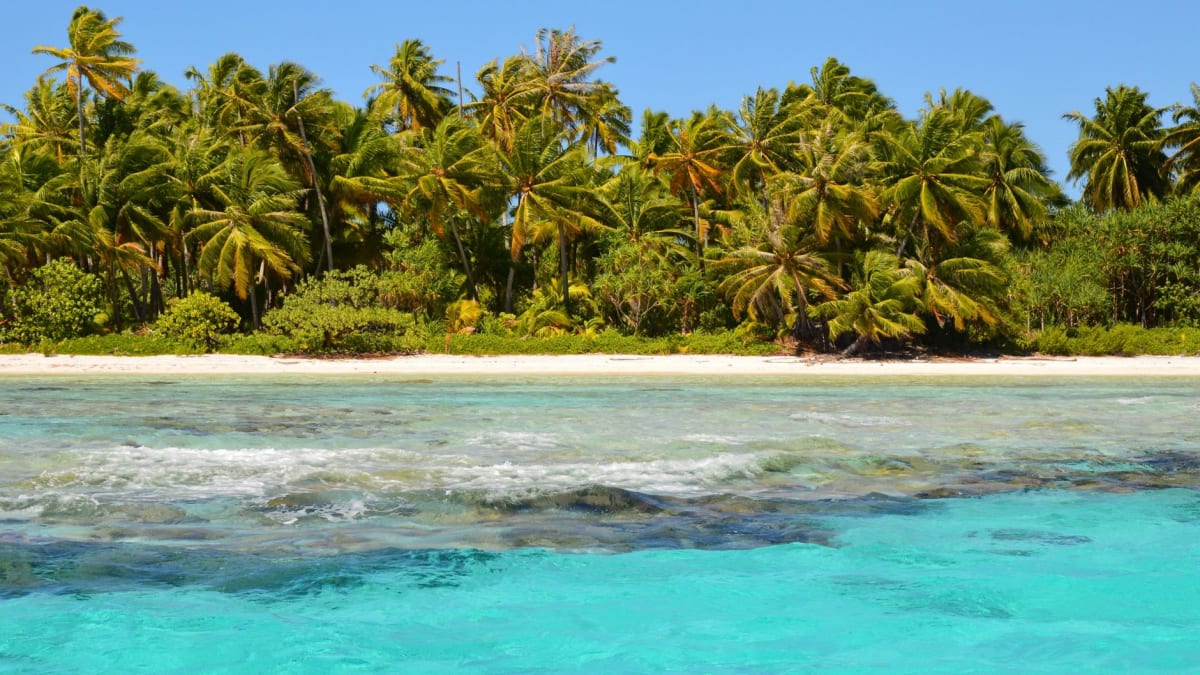
At low tide, the reef flat around Manono is exposed and walkable — a wide shelf of coral and sand that extends fifty meters or more from the shore before dropping into deeper water. You wade out across it in water that barely covers your ankles, stepping over brain coral and around sea cucumbers, watching the small fish that work the tidal pools. It is the kind of activity that needs no equipment and no instruction and produces a state of absorbed attention that I recognize, in retrospect, as the closest thing to meditation I reliably achieve. The guesthouse on the island is simple — a fale, a mat, meals brought from the family kitchen — and the absence of wifi, while noted in the guesthouse description, feels less like deprivation once you are there than like a decision the island made for you that turns out to have been correct.
When to go: Year-round, with the usual caveat about wet season swell making the boat crossing choppier than ideal. One night is worthwhile; two makes the quiet make sense. Day trips from Upolu are possible but miss the point.
Keep exploring
More from Samoa
 samoa
Matavanu Crater
The volcanic crater whose six-year eruption reshaped northern Savai'i a century ago, now a silent, forested pit you look down into rather than climb.
Explore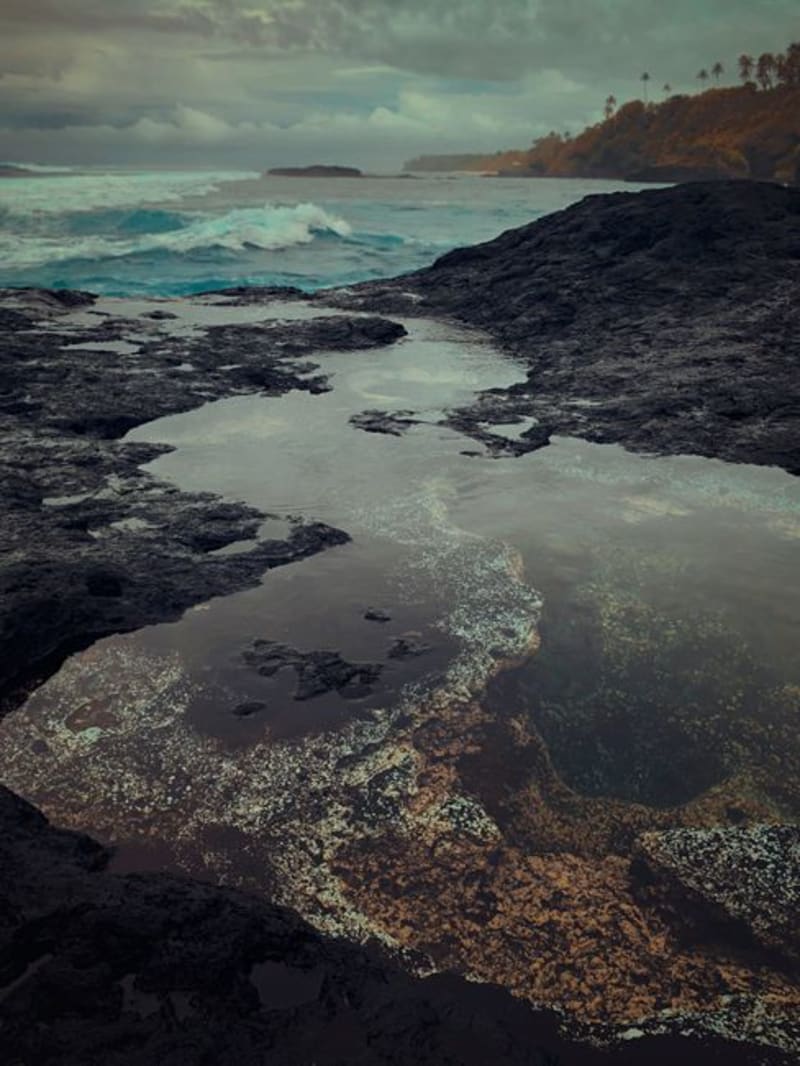 samoa
Mulinuu Peninsula
The low, wind-scoured spit of land at Apia's western edge where Samoa's parliament, its independence memorial, and centuries of political history sit within a short walk of each other.
Explore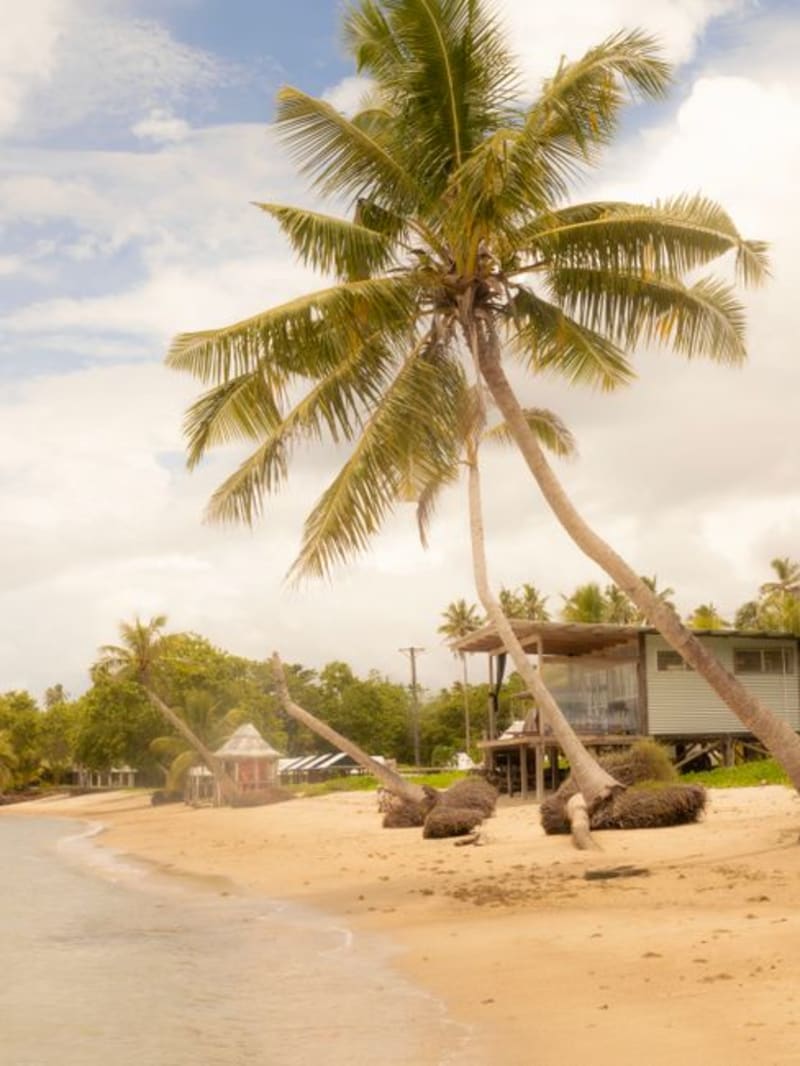 samoa
Namua Island
A tiny, uninhabited-feeling islet off Upolu's Aleipata coast where a twenty-minute boat ride buys you an entire day of doing absolutely nothing.
Explore samoa
Palolo Deep Marine Reserve
A sudden drop-off into a coral-walled blue hole just a swim away from Apia's waterfront, proof you don't need a boat to find real reef in Samoa.
Explore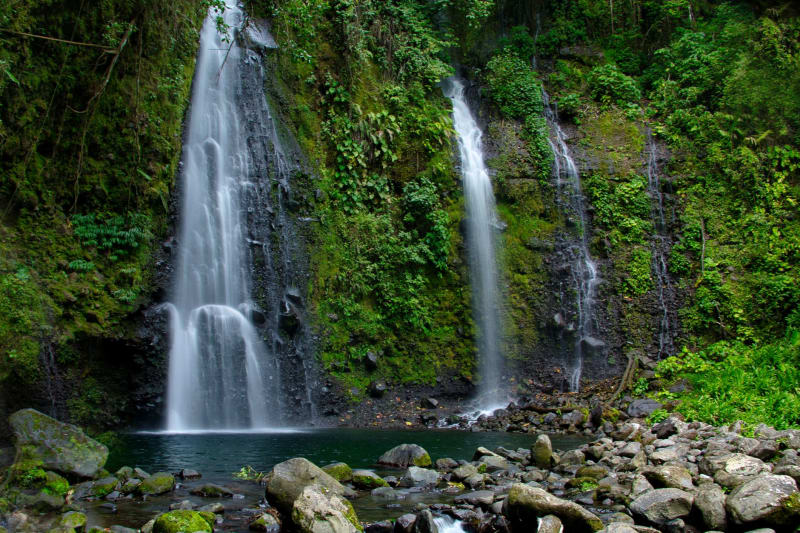 samoa
Papapapaitai Falls
Samoa's tallest waterfall plunges 100 meters into a misty gorge in Upolu's central highlands — visible from the road and somehow still a secret.
Explore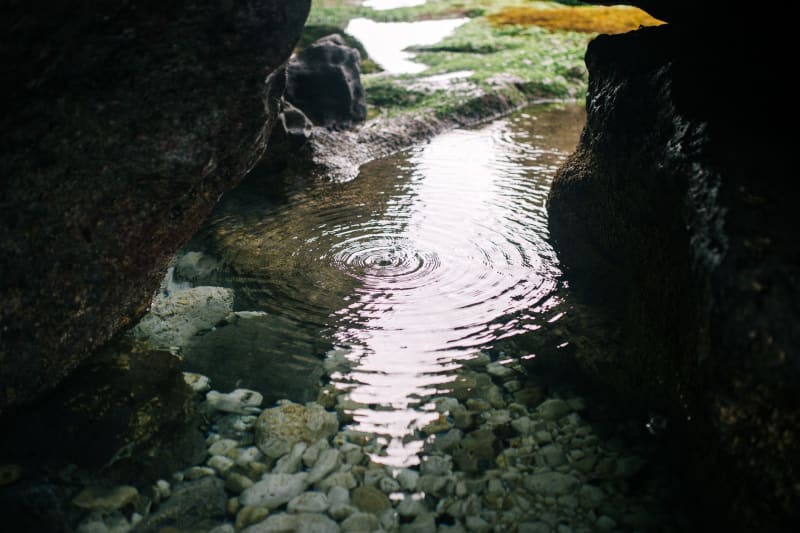 samoa
Piula Cave Pool
A freshwater spring-fed cave beneath a Methodist church on Upolu's north coast — one of those places that shouldn't exist and very much does.
Explore