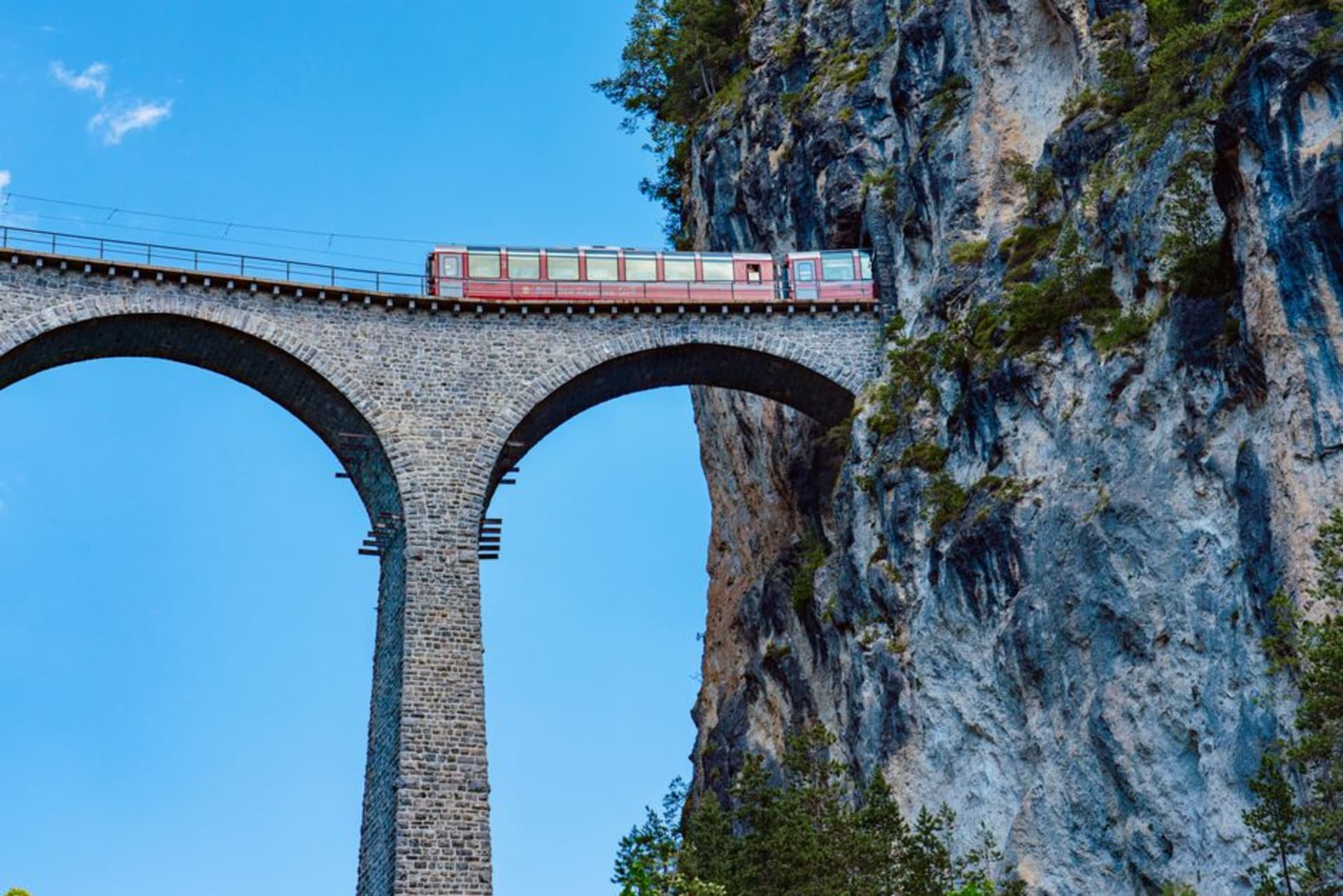
San Antonio de los Cobres
"I have never felt my own lungs so clearly as I did in San Antonio de los Cobres."
A puna outpost at 3,775 meters where the Train to the Clouds ends and the thin, copper-scented air makes every breath count.
We climbed out of Salta before sunrise, and by the time we reached San Antonio de los Cobres my ears had popped so many times I’d lost count. At 3,775 meters, the town sits in a different register than anywhere else Lia and I had been in Argentina — the air thin enough that I found myself pausing mid-sentence just to catch a full breath. The name means “of the coppers,” and you feel that mining history everywhere: in the rust-colored hills, in the old adobe walls, in the way the town seems built by people who came for the mineral and stayed for something else. I remember standing in the plaza that first afternoon, dizzy in a way that had nothing to do with the altitude, just trying to take in how far we’d come from sea level in a single morning.
The reason most people make the trip, ours included, is the Tren a las Nubes. San Antonio de los Cobres is the principal stop on that route, and it’s here the train pauses near the La Polvorilla Viaduct — 224 meters long, 63 meters high, finished in 1932 as part of a rail line that was meant to link Salta all the way to Chile’s Pacific ports. I’d seen photos of the viaduct for years before we went, but nothing prepared me for standing underneath it, neck craned back, watching the steel frame cut across a sky that felt closer than any sky has a right to feel.
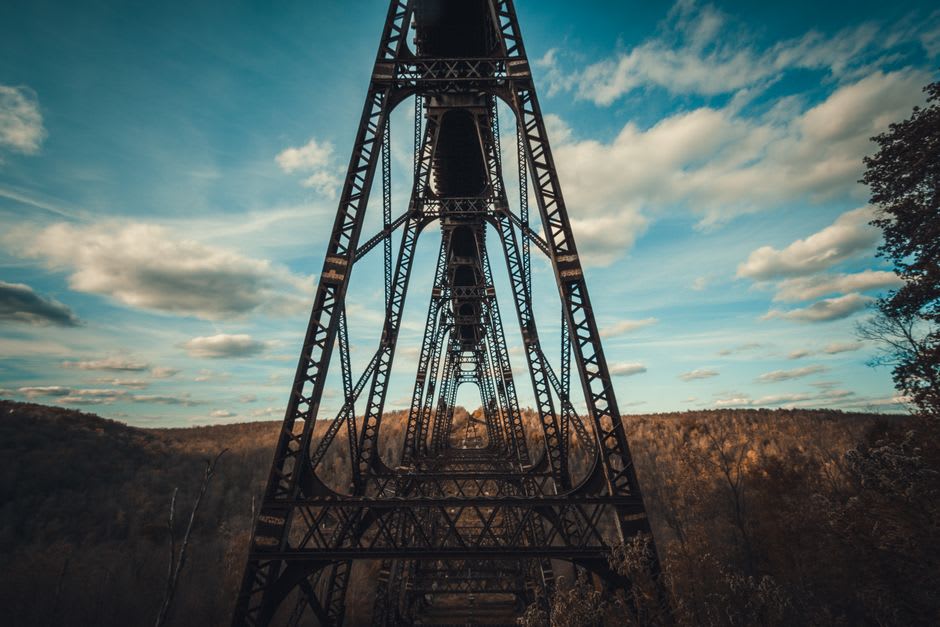
What stayed with me longer than the viaduct, though, was the town itself. San Antonio de los Cobres is predominantly Kolla, and that presence shapes everything — the weavings sold along the main street, the way people greeted each other in the market, the quiet that settles once the tour buses pull out in the late afternoon. Lia and I ate at a small comedor near the plaza, empanadas and a thick locro that felt like exactly what our altitude-rattled bodies needed, and the woman running the place told us about her family’s connection to the mines that gave the town its name. Around us, the puna stretched out toward salt flats and volcanic peaks pushing past 5,000 meters, a landscape so stark it looked almost lunar in the late light.
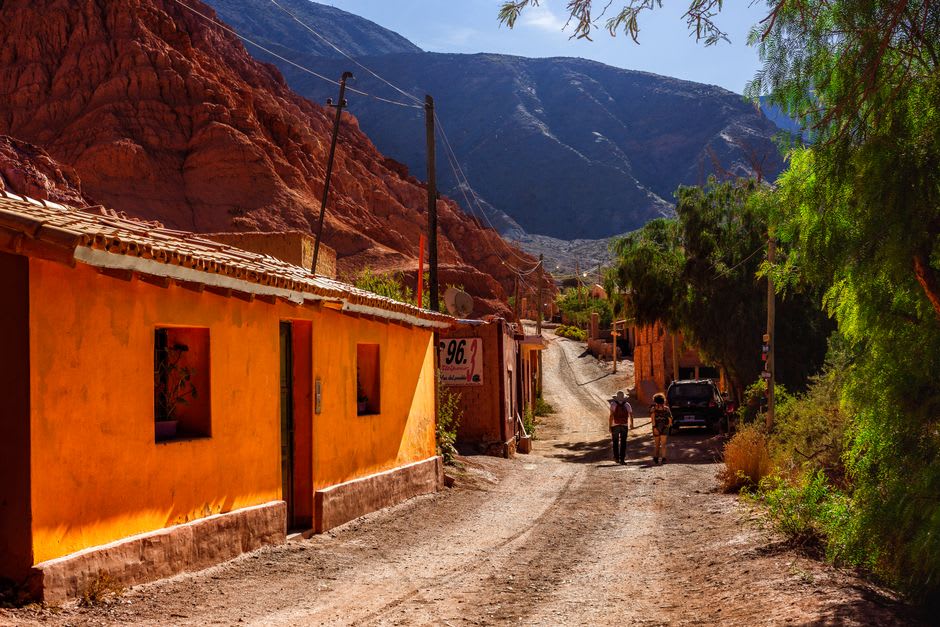
We stayed just one night, and it was enough to understand why people describe this place as a threshold rather than a destination — the road onward leads to the Paso de Sico and the Chilean border, and San Antonio de los Cobres feels like the last true pause before that crossing. I slept in three layers and still woke up shivering; the cold at this elevation doesn’t care what season the calendar says it is.
When to go: The dry months from April to October give you the clearest skies and the most reliable roads, but pack for genuinely brutal nights no matter when you visit — up here, the cold doesn’t take a season off.