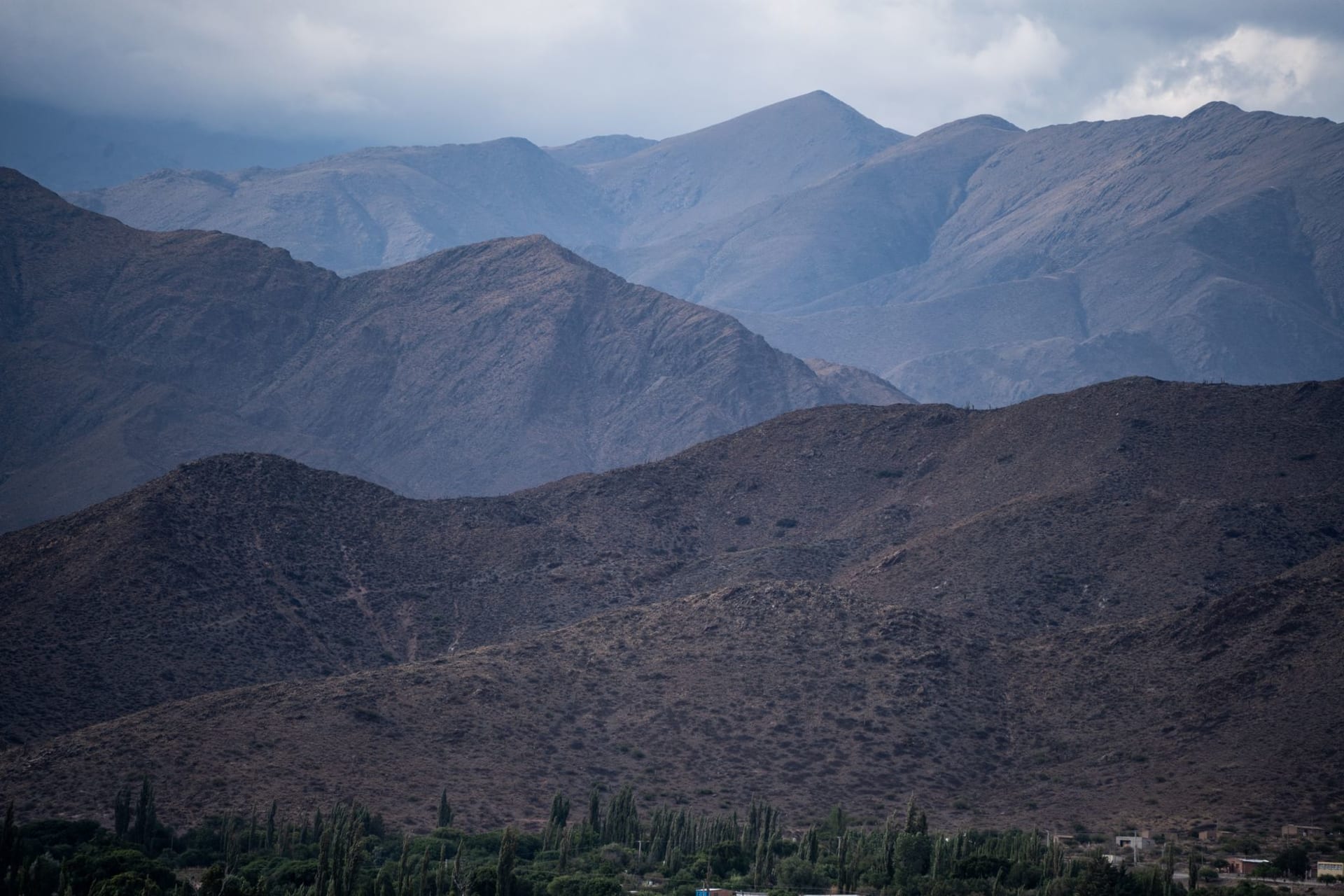
Salta City
"Eleven at night, the plaza full of families with nowhere to be and everywhere to be — that's Salta."
I arrived by night bus from Jujuy with dust between my teeth, and I smelled Salta before I saw it. Woodsmoke, something frying, and a floral note I couldn’t name — jasmine or orange blossom, carried down from a courtyard somewhere on the hill. The Plaza 9 de Julio was completely alive. Not tourist-alive, not bar-district alive, but genuinely, structurally alive — families spread across benches, kids chasing pigeons, old men with mate gourds conducting slow arguments about nothing. The colonial arcades glowed turmeric yellow under the streetlamps. I dropped my bag and didn’t sleep for another three hours.

The architecture earns its reputation. Salta’s historic centre has been called the most intact colonial core in Argentina, which is either a curatorial achievement or a function of benign neglect depending on who you ask. The Iglesia San Francisco on Córdoba Street erupts in baroque exuberance — three colours of stone, gold detailing, a tower that seems surprised to find itself in the Andes rather than Seville. The Cabildo is more restrained, all white arches and shaded corridors, now home to a regional history museum where I spent a morning reading about the wars of independence while a school group clattered through the courtyard below. The MAAM — the Museum of High Altitude Archaeology — holds the Llullaillaco children, Inca sacrificial mummies found at 6,700 metres in 1999, displayed in rotating refrigerated cases. I wasn’t sure I’d find them moving. I found them devastating.
The food is the other argument for staying longer than you planned. In the Mercado Central on Florida Street, the stalls start serving empanadas before eight in the morning — baked, not fried, filled with spiced beef and hard-boiled egg, the pastry scored into a thick rope pattern that is specific to Salta and not to anywhere else. Humitas wrapped in corn husks arrive steaming and dense. Locro, that thick pre-Columbian stew of corn and pork and dried beans, appears on menus from April onward as the nights cool, and a bowl of it with a glass of Torrontés tastes specifically like being exactly where you are. In the evenings, the peñas — folk music venues that fill around ten and empty around four — offer another argument against early nights: guitar and bombo drum, and singing in quechua that sounds like the mountains themselves are performing.
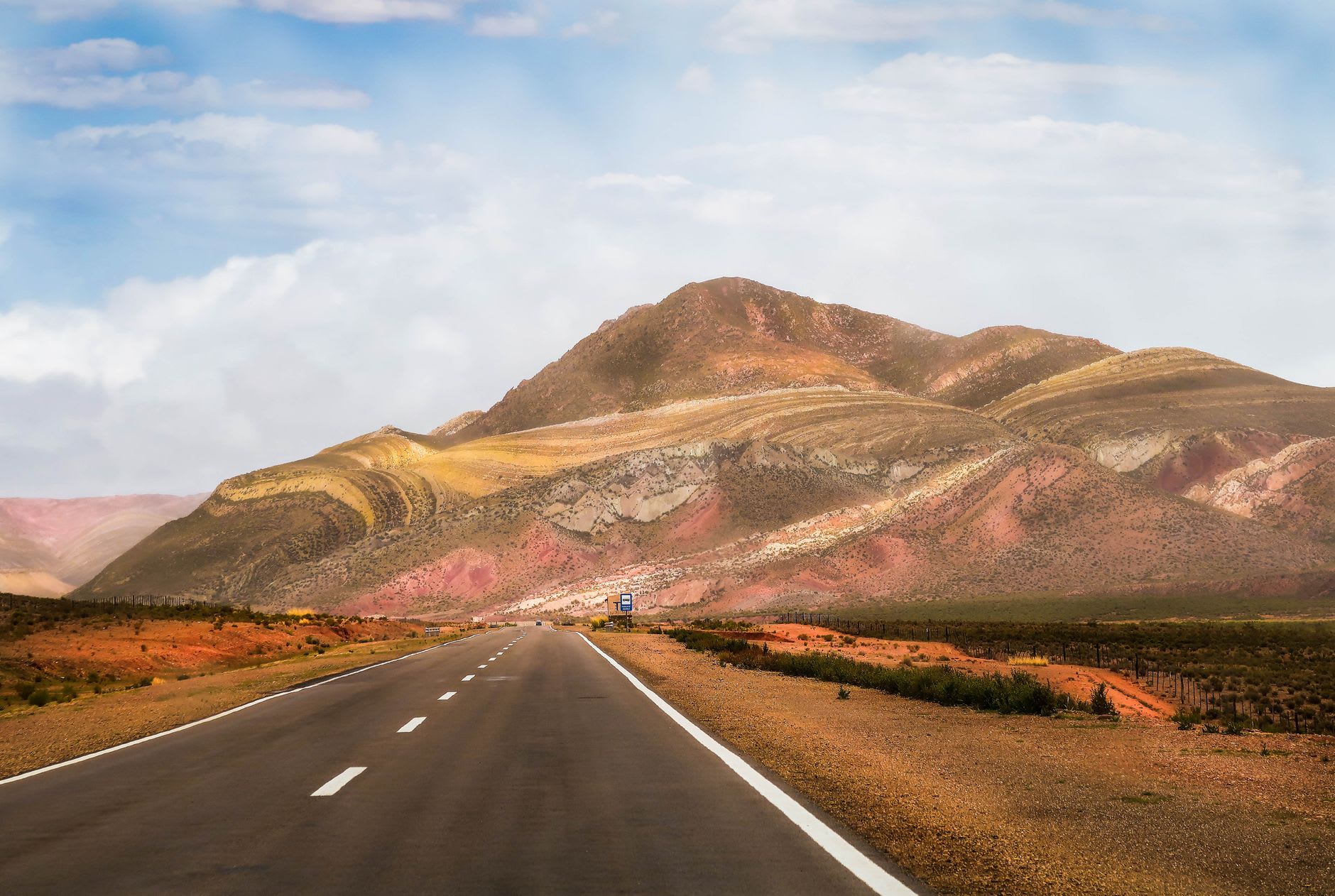
Above the city, the Cerro San Bernardo offers the view — accessible by cable car that leaves from Parque San Martín, a slow ascent through subtropical greenery while the grid of the city arranges itself below you. At the summit, the light in the late afternoon does something specific: it turns the hills behind the city from terracotta to amber to violet in the space of twenty minutes, and you understand, finally, why everyone keeps coming back here.
When to go: April through June and September through November are ideal — dry skies, warm days, cold nights, and the light holds that particular Andean gold. July is cool but the festival calendar fills up. Avoid January and February: the rainy season turns the streets theatrical but the roads to surrounding valleys can wash out.