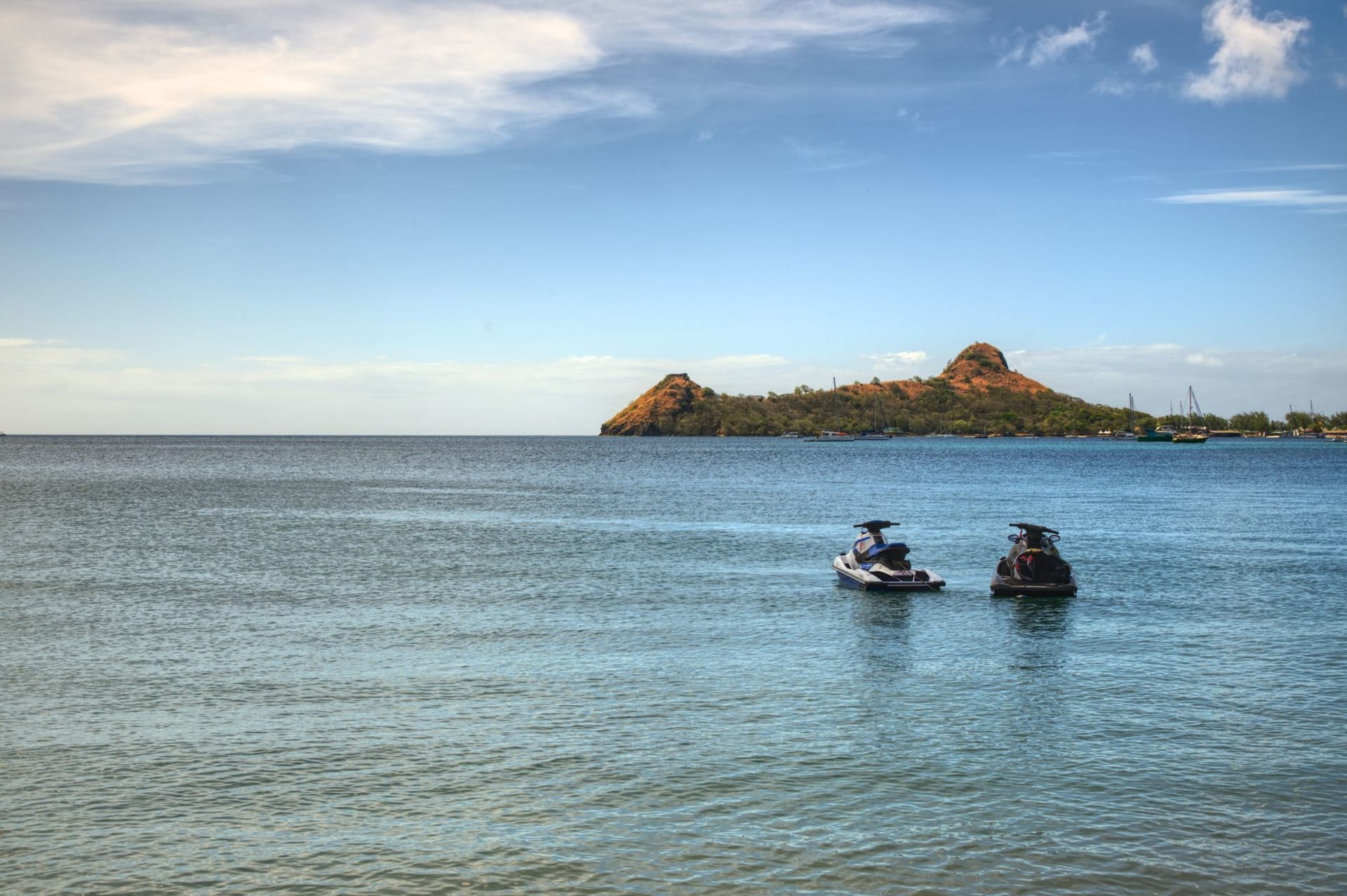
Union Island
"Union Island is where you sort out your plans — and where the best plans fall apart in the best possible way."
I almost didn’t stop at Union Island. Every sailor who passed through Bequia had a slightly ambivalent opinion of it — “a bit scruffy,” said one, “not worth more than an overnight,” said another — and I had it bracketed as a necessary stopover on the way to the Tobago Cays rather than a destination in itself. Then I spent two nights there and revised my opinion substantially.
Clifton is the main town, built around a harbor that is more functional than scenic: the fuel dock, the customs and immigration office, the chandlery, the fish market, the dock where the water taxis to Mayreau and Palm Island depart at loosely interpreted times. It smells of diesel and salt and the particular mineral smell of exposed reef flat at low tide. The streets behind the harbor are narrow and in various states of repair. It is not a polished place.
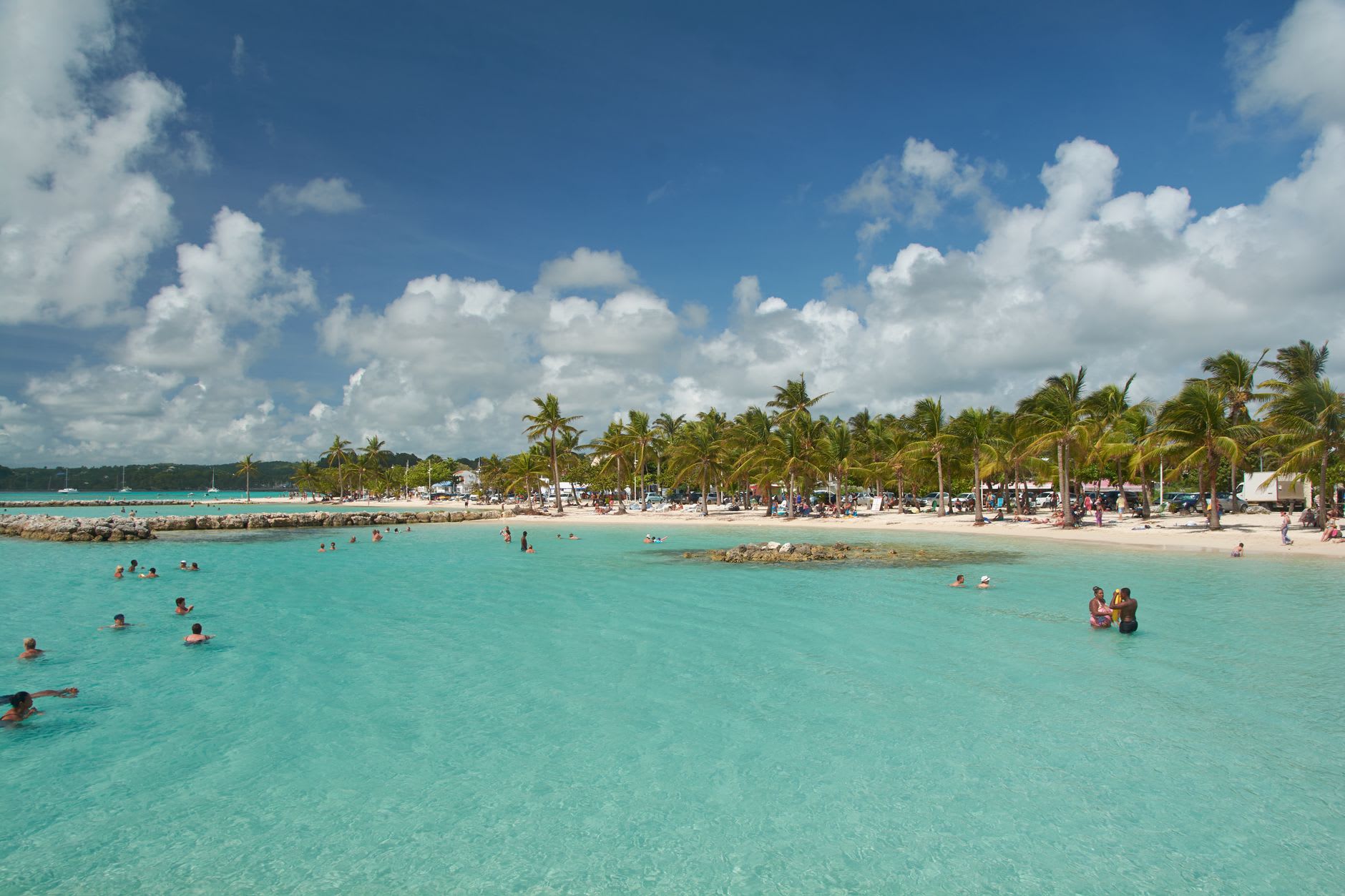
What Union Island has, which almost nowhere else in the Grenadines does, is kite surfing. The constant trade wind and the wide shallow lagoon on the north side of the island — Big Sand — creates conditions that have made this one of the Caribbean’s genuine kite surfing destinations. Watching someone launch a kite the size of a small car and accelerate across the flat water at speed is both beautiful and slightly alarming. The kite schools set up on Big Sand run lessons from November through June, and the level of competence in the water ranges from genuine experts to people on their second day who are wearing expressions of simultaneous terror and delight.
Fort Hill, above Clifton, is the obligatory viewpoint and earns its reputation. The twin volcanic pinnacles of Union Island rise to the north, and the view south encompasses the Cays, Mayreau, Palm Island, and on clear days, the faint silhouette of Grenada sixty kilometers away. I ate a mango I’d bought from a woman on the dock and watched the light flatten into evening while a frigate bird worked the thermals above the ridge.

The food in Clifton is straightforward and good: grilled fish at the outdoor restaurants near the harbor, conch fritters from the window of a small kitchen on the main street, rum punch at the bar where the harbor traffic provides an unending supply of spectacle. A charter boat came in during a squall while I was eating — sails up, the crew slightly panicked, the skipper very calm — and the entire restaurant paused to watch whether the docking would go well. It did, barely. Everyone went back to their food.
When to go: December through May, but the trade winds peak between January and April — ideal for kite surfing and comfortable sailing. The West Indies Cricket matches in the spring draw the local crowd to the harbor-side bars, where the television commentary is always louder than the wind.