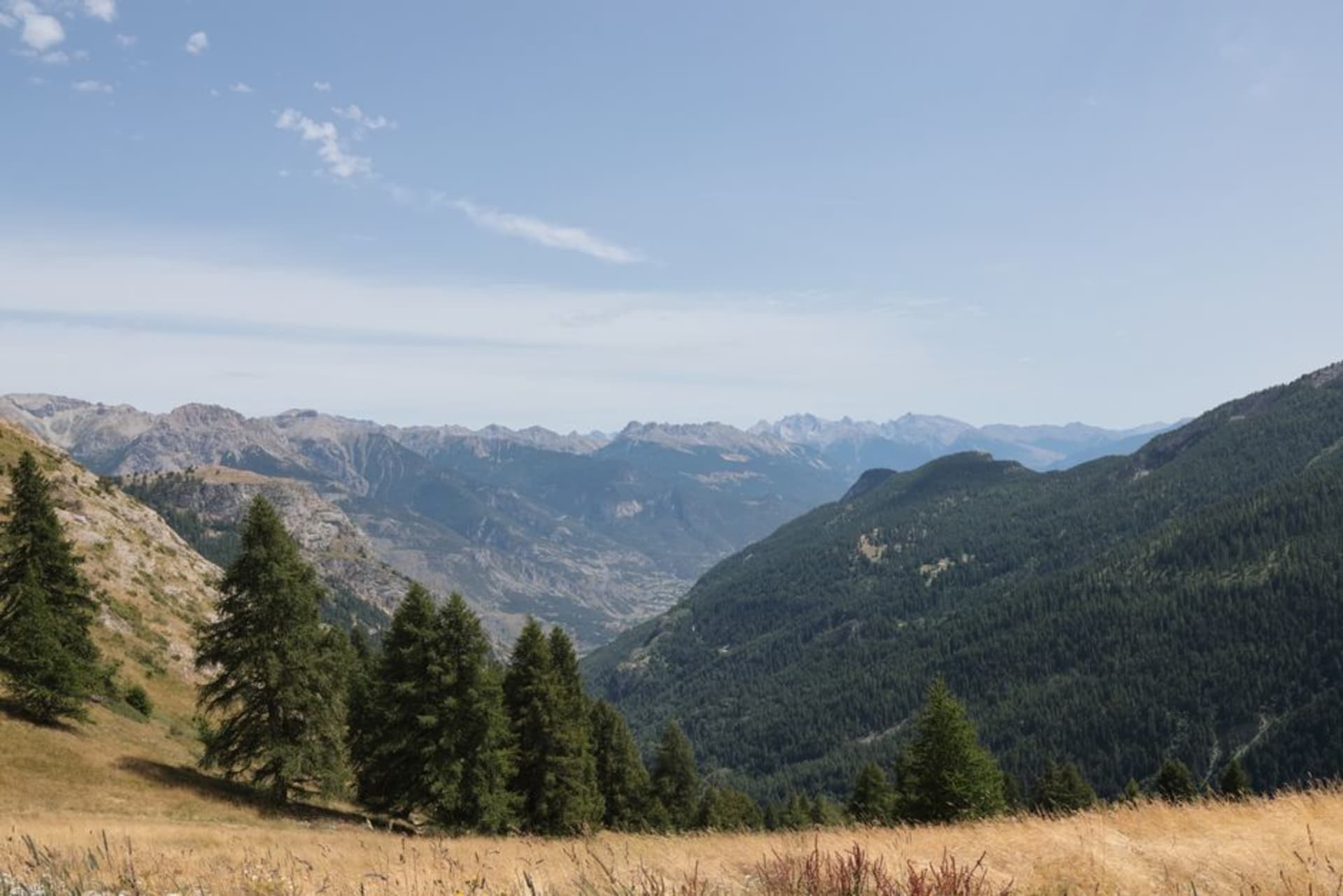
Layou
"People were carving faces into this rock a thousand years before anyone thought to build a resort here."
A leeward coast village where pre-Columbian petroglyphs are carved into a rock face beside the river, quietly predating everything else on this list.
Layou is easy to drive straight through if you’re not looking for it — a modest leeward coast village about half an hour north of Kingstown, unremarkable at highway speed. I nearly did exactly that on my first pass, before backtracking on the recommendation of a guesthouse owner in Kingstown who insisted, with real conviction, that I was skipping the oldest thing on the entire island.
A short walk inland from the village, along a path that follows the Layou River through private farmland (a small fee to the family who maintains access is the standard and fair arrangement), brings you to a dark volcanic rock face carved with petroglyphs believed to date back roughly a thousand years, made by the Amerindian peoples — likely ancestors of the Kalinago — who lived on Saint Vincent long before European contact. The largest and clearest carving is a stylized face, wide-eyed and geometric, that has become something of an unofficial symbol for the island’s pre-colonial history, appearing on stamps and tourism literature despite most visitors never actually making the trip to see the original.
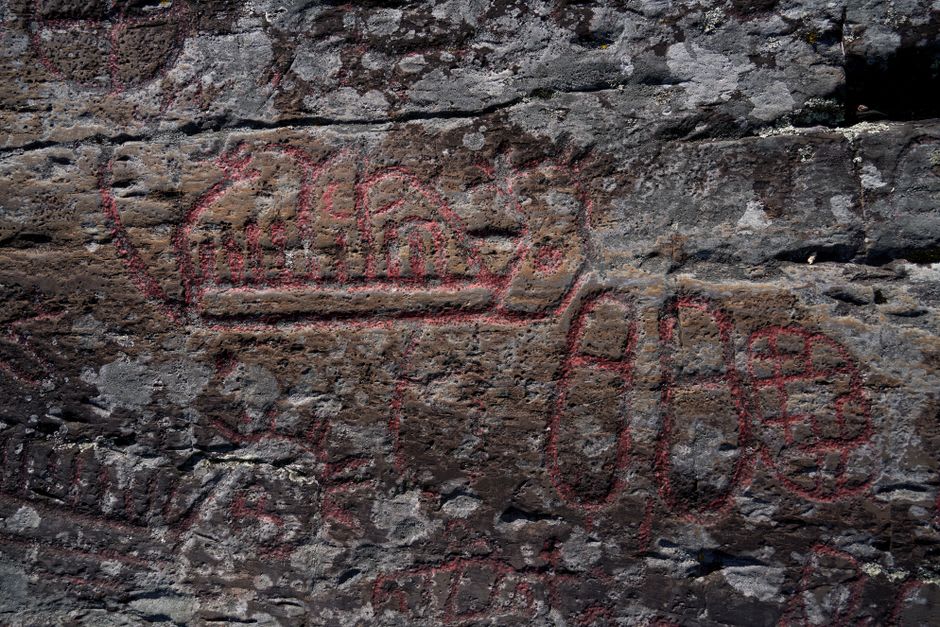
Standing in front of it, I found myself doing the math without meaning to — a thousand years before the fort in Kingstown, a thousand years before the botanical garden, a thousand years before any of the colonial infrastructure that dominates most of the island’s recorded history. There’s remarkably little fanfare around the site: no visitor center, no gift shop, just the rock, the river running past it, and a hand-lettered sign asking you not to touch the carvings. That restraint felt appropriate.
The village itself, once you’re back on the main road, has a good roti shop near the bridge and a small black-sand beach that catches decent surf on its northern end, popular with a handful of local surfers on weekend mornings. Neither draws crowds, which suits Layou’s general temperament.
When to go: Dry season keeps the river crossing to the petroglyphs low and easy. Go in the morning, both for the light on the carvings and to catch the roti shop before it sells out, which it reliably does by early afternoon.