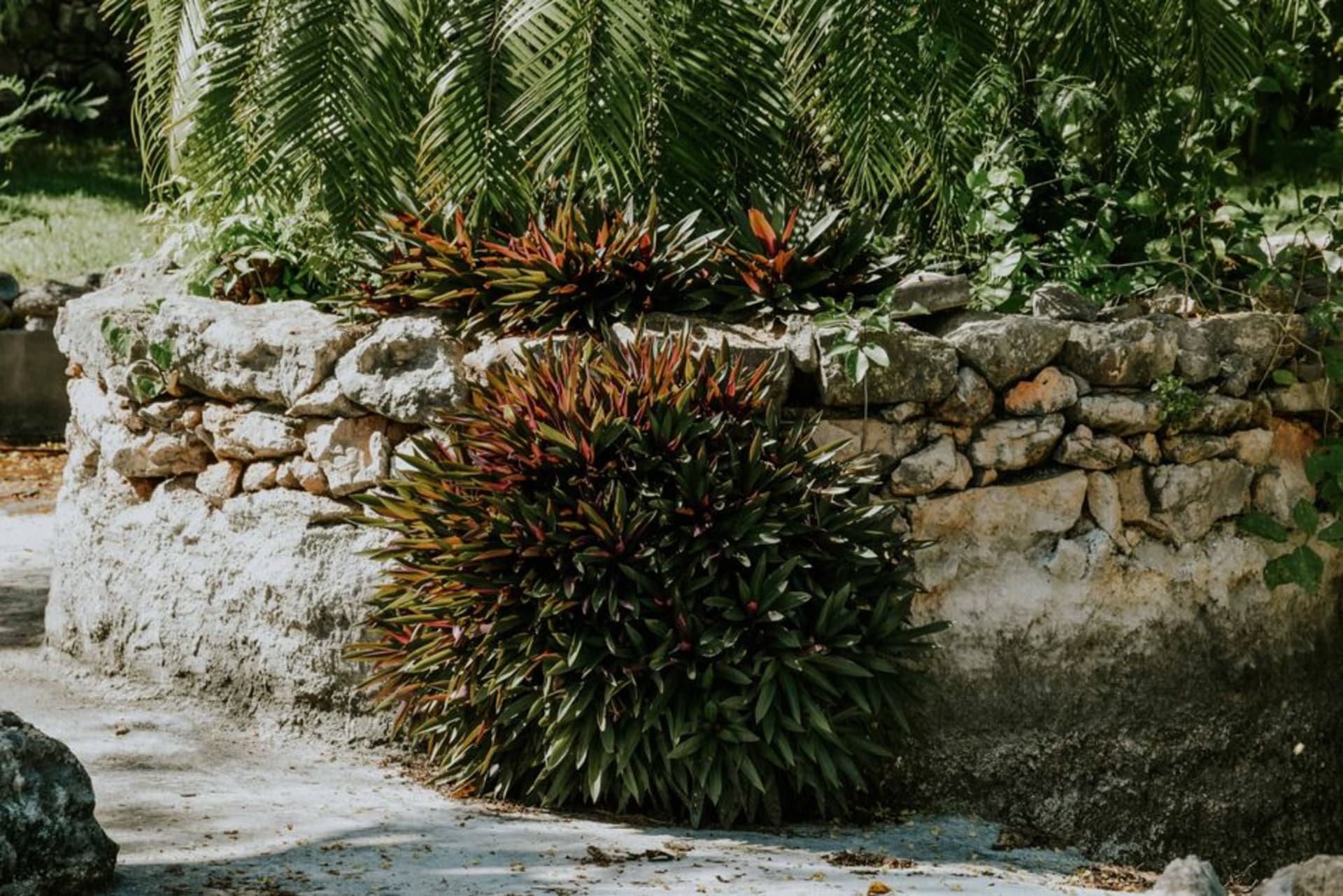
Kingstown Botanical Gardens
"This garden is older than the United States. It has outlasted every empire that tried to claim it."
The oldest botanical garden in the Western Hemisphere, founded in 1765, where a direct descendant of Captain Bligh's original breadfruit tree still grows.
I’ll admit I went to the Botanical Gardens expecting a pleasant hour of shade between other errands in Kingstown, and left having spent most of my afternoon there, trailing a guide named Fitzgerald who clearly considered every plant on the property a personal friend. Founded in 1765 by General Robert Melville, it’s the oldest botanical garden anywhere in the Western Hemisphere, established as a research station for cultivating spices and useful plants brought from across the British Empire — a colonial project, unmistakably, but one that left something genuinely remarkable behind.
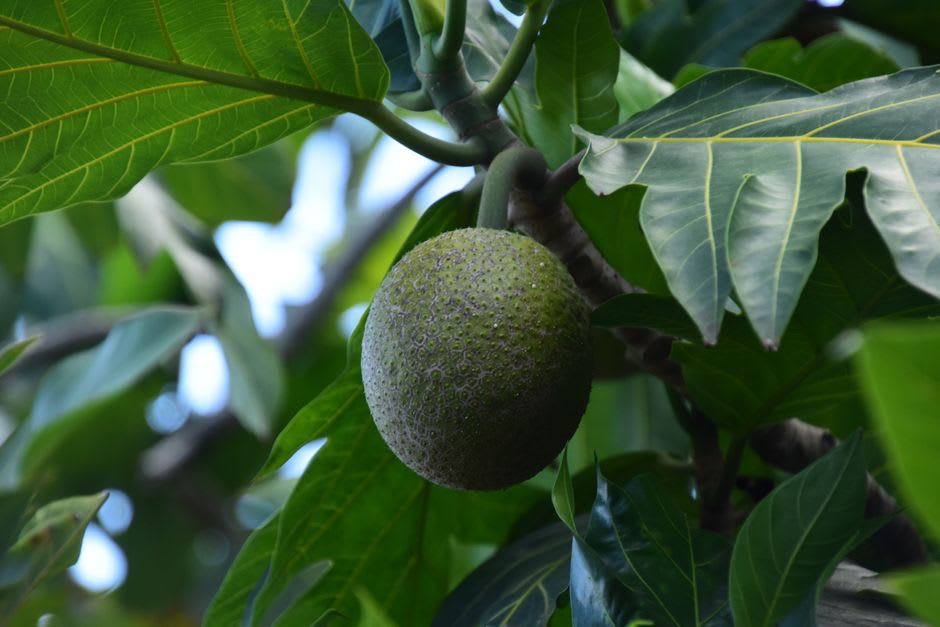
The tree everyone comes to see is a breadfruit, gnarled and heavy-limbed, grown from a cutting of the original tree brought here in 1793 by Captain William Bligh — yes, that Bligh, of the Bounty mutiny — on his second, less eventful attempt to transplant breadfruit from Tahiti to feed enslaved plantation workers cheaply in the Caribbean. Standing under it, knowing the whole strange chain of maritime history that put it there, is one of those moments where a plant becomes a genuine historical artifact.
Beyond the breadfruit tree, the gardens sprawl across seven hectares of mahogany, teak, and flowering trees I couldn’t name half of, threaded with paths that climb gently toward a small aviary. That aviary houses Vincentian parrots — Amazona guildingii, found nowhere else on Earth, a spectacular bronze-and-blue bird that was hunted and trapped nearly to extinction before a captive breeding program pulled it back. Seeing one up close, even in captivity, after knowing how narrowly it avoided disappearing entirely, changed how I thought about the rest of the island’s forests.
Fitzgerald pointed out a cannonball tree, a soursop, a dozen varieties of hibiscus, and told me stories about each with the patient repetition of someone who genuinely loves the material and doesn’t mind that he’s told it a thousand times before. Tip your guide well here. The garden runs partly on that goodwill.
When to go: Mornings, before the midday heat settles in, and ideally on a weekday when the gardens are quieter. A guided walk costs very little and is worth every bit of it — do not attempt to identify the breadfruit tree on your own.