
Bequia
"On Bequia, the boats are not decorative. They go somewhere, and the people who sail them know exactly where."
I came to Bequia by ferry from Kingstown, a ninety-minute crossing that deposited me at Port Elizabeth in the late afternoon, the harbor glassy and purple under an overcast sky. The first thing I noticed was the boats — not the charter yachts anchored in the bay (though there were many of those too), but the smaller wooden fishing vessels pulled up on the beach, painted in faded blues and greens, with names painted in careful capitals on their sterns. They had a particular quality of having actually been used. That quality turns out to be the defining characteristic of Bequia itself.
This island — nine square kilometers, about five thousand people — has been building boats and reading the sea for several hundred years. The boatbuilding yard at Paget Farm still produces wooden vessels using traditional techniques, and the small whaling operation at Friendship Bay, one of only two traditional whaling operations granted an exemption by the International Whaling Commission, still goes out when the season opens. You can think what you like about that practice; what you cannot do is pretend it doesn’t exist or that it doesn’t define the island’s character. Bequia is a place that has a relationship with the sea that predates tourism and will outlast it.
Port Elizabeth itself is the right size: one main street along the waterfront, several bars, a handful of restaurants, a bookshop run by an Englishman who has been there since the 1980s and shows no signs of leaving. The Mac’s Pizzeria on the waterfront, which has been operating since the late 1970s, makes lobster pizza that sounds like a bad idea and tastes like a very good one. The rum shops further along the beach start early and go late, and the conversations at the bar move between fishing reports, the price of diesel, and the arrival and departure of the yachts — a real community engaged with its real concerns.
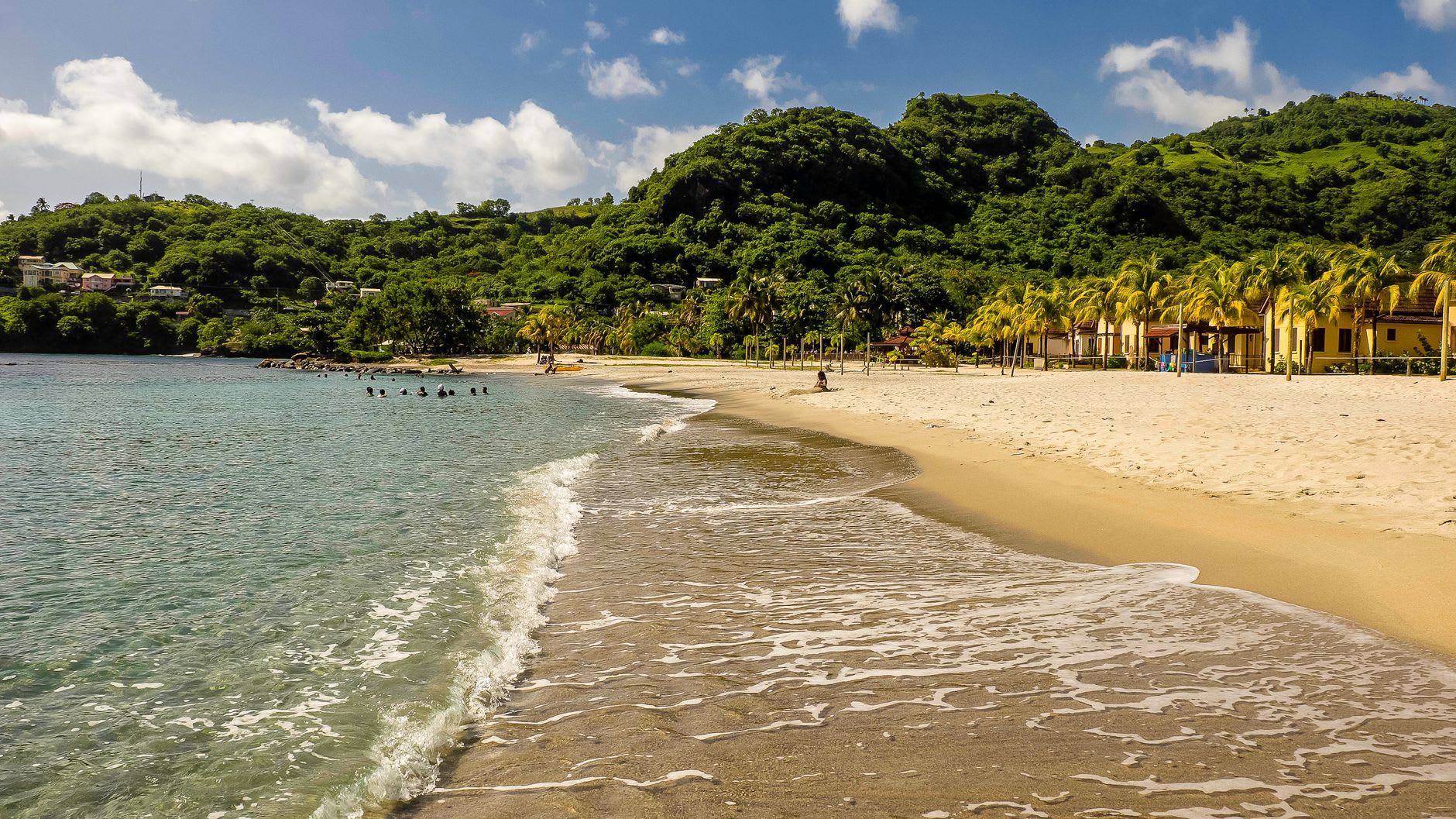
Take the path up through the casuarina pines to Princess Margaret Beach — named for a royal visit in the 1950s, now just a perfect crescent of pale sand mostly left to day-trippers and the occasional pelican. The water here is calmer than the windward side, jade green and warm, and if you walk ten minutes further around the headland you reach Lower Bay, which has a small beach bar, a hammock, and the specific quality of stillness that only exists in places that aren’t being promoted on social media.
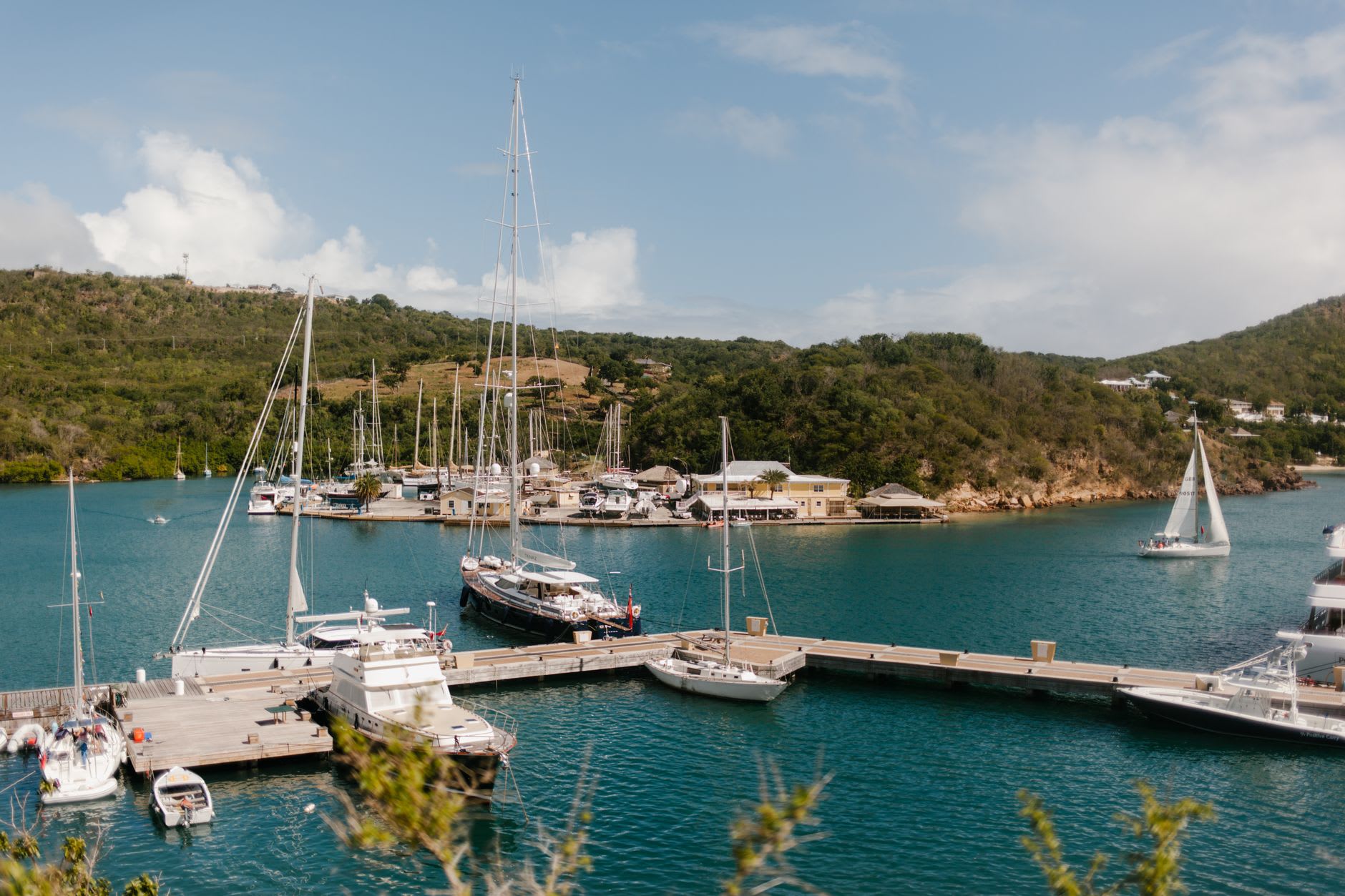
The Oar House bar at Admiralty Bay is where the yachties gather when they pull in for provisioning, and the culture between the sailing community and the island’s own residents is not as divided as you might expect. Everyone here came for the sea. The conversation finds common ground.
When to go: January through April for reliable winds and perfect sailing conditions in Admiralty Bay. The Christmas anchorage — when the bay fills with hundreds of yachts for the holiday season — is both chaotic and magnificent, if you can find accommodation. Come in February or March for the calm season and cheaper rates.