Ile Tintamarre
"No dock, no bar, no wifi bars either — just Lia, a mask and snorkel, and an island that forgot to grow anything taller than a bush."
A flat, uninhabited reserve island off Orient Bay, reached only by boat, where turtles graze seagrass and old airstrip ruins sit quiet in the scrub.
We almost didn’t make it out to Tintamarre. Lia had read about it in some dog-eared guidebook at our rental in Orient Bay, one paragraph about an uninhabited island with an old airstrip, and I remember thinking it sounded made up — an airport with no town, no people, nothing. But the boat guy at the little kiosk near the beach said it was a twenty-minute crossing, calmer than it looked, so we paid our few euros, wedged ourselves onto a wooden ferry with four German retirees, and watched Orient Bay shrink behind us. The water changed color about halfway across, from the milky green near shore to this hard, glassy turquoise, and that’s when I actually believed the island existed.
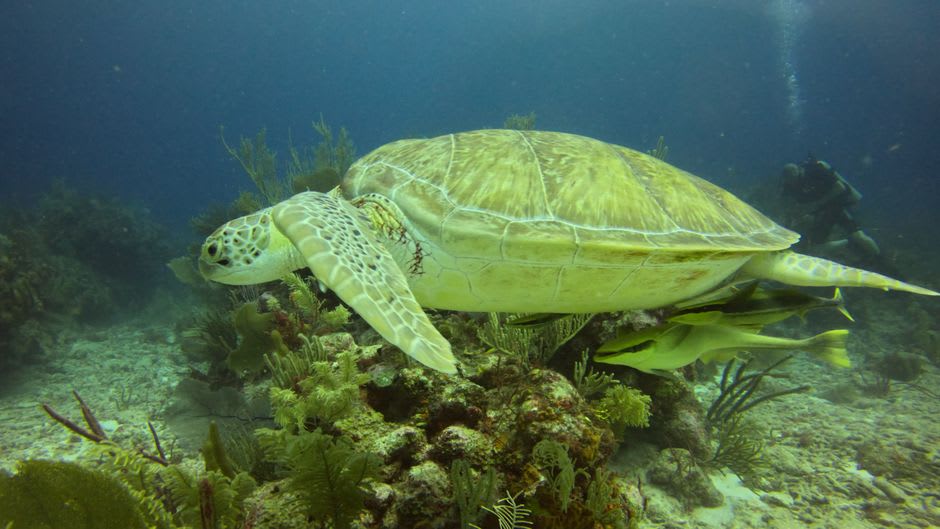
Tintamarre is barely a hundred hectares, flat as a table, and it’s been part of the Reserve Naturelle Nationale de Saint-Martin since 1998, which means nobody lives there and nobody’s allowed to build anything new. We landed on a sandy stretch with maybe six other people total, dropped our bags in the shade of a sea grape tree, and went straight into the water. The reef starts almost immediately offshore — no long swim required — and within five minutes Lia was tapping my arm and pointing at a green sea turtle grazing on the seagrass beds like it had nowhere else to be. I’ve snorkeled a lot of reefs since moving to Mexico, and this one felt unusually calm, unbothered, like the fish hadn’t learned to be nervous around people yet.
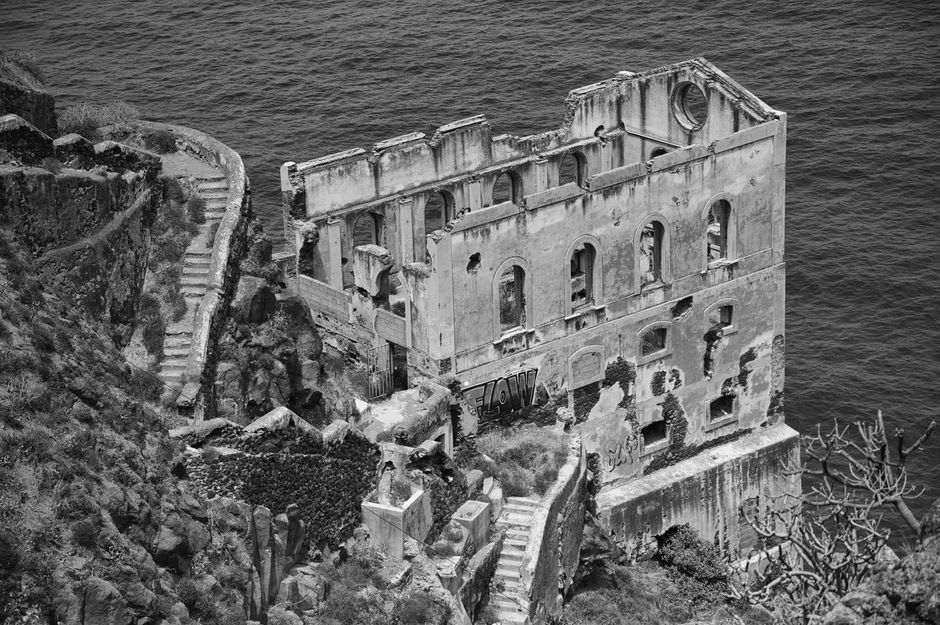
After we dried off, we walked inland a bit, past scrubby brush and cactus, and found the ruins Lia had read about — crumbling concrete slabs from a small airstrip built sometime in the 1950s, and further along, low stone walls from what must have been a cotton plantation building. There’s no signage, no fence, nothing telling you what you’re looking at, which honestly made it better. I sat on one of the old walls eating the mango we’d packed and tried to picture a plane actually landing on this stretch of flat scrub, engines cutting through what is now just wind and the occasional seabird call. The reserve protects nesting seabirds here too, and we could hear them before we ever saw the ruins — a constant, dry chatter coming from somewhere in the brush.
There’s no lunch spot on Tintamarre, no shade structures beyond whatever trees you can find, so we ate our sandwiches sitting in the sand and just watched the water for a while before catching the last boat back to Orient Bay. It’s the kind of place that only works because so little has been done to it — no restaurant, no beach chairs for rent, nothing engineered for comfort. Just reef, ruins, and quiet.
When to go: We went in February, and the boat crossing was smooth the whole way — from December through April the seas calm down enough that even the smallest ferries make the trip without much fuss, and the snorkeling visibility tends to be at its best.
Keep exploring
More from Saint Maarten
 saint-maarten
 Loterie Farm
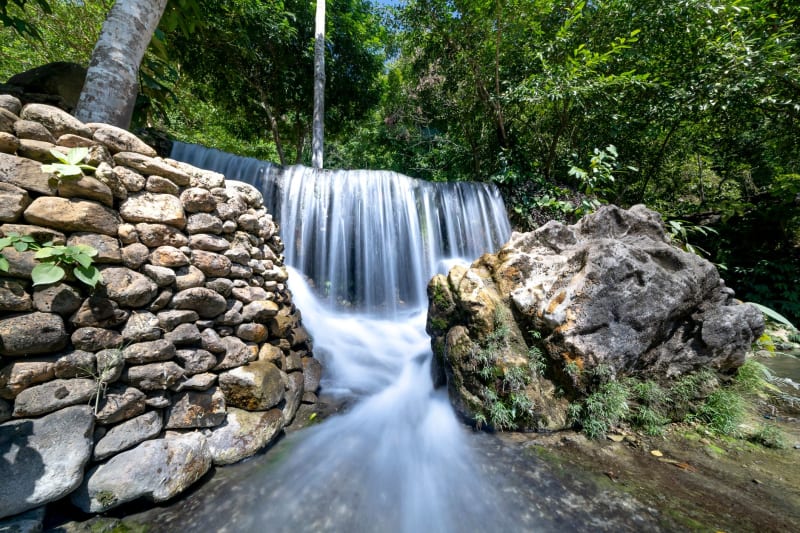
A 135-acre jungle sanctuary on the island's forested hillside where zip-lines thread through mahogany canopy and cold rum punch tastes best after a sweaty trail.
Explore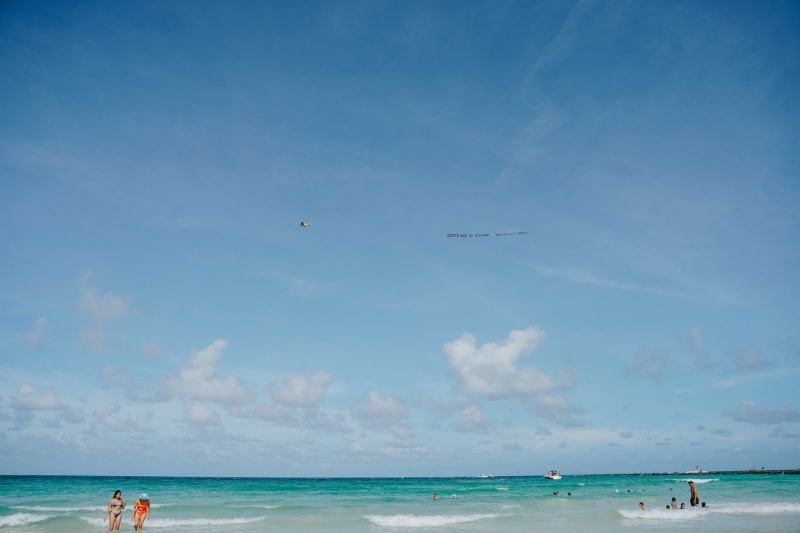 saint-maarten
 Maho Beach
The only beach in the world where the runway is the view and a landing jet rattles your teeth from thirty meters up.
Explore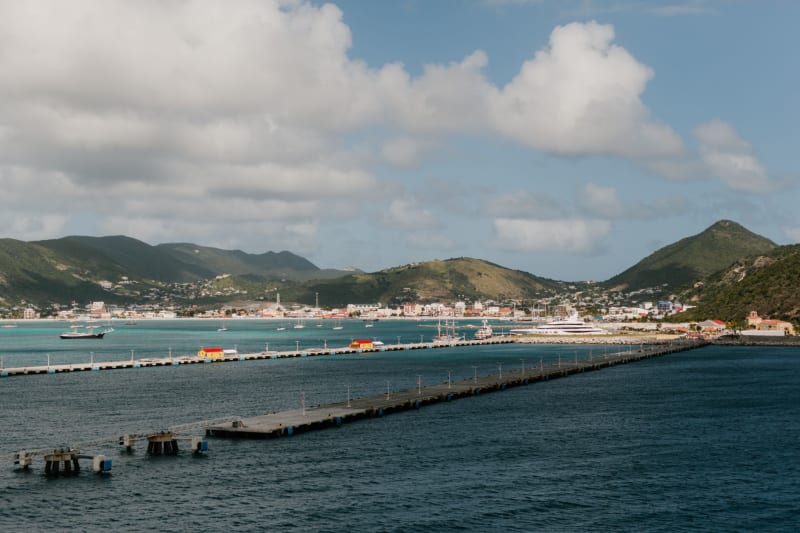 saint-maarten
 Marigot
The French capital that feels like a Martinique fishing village transplanted north — market-scented, unhurried, and quietly correct about everything.
Explore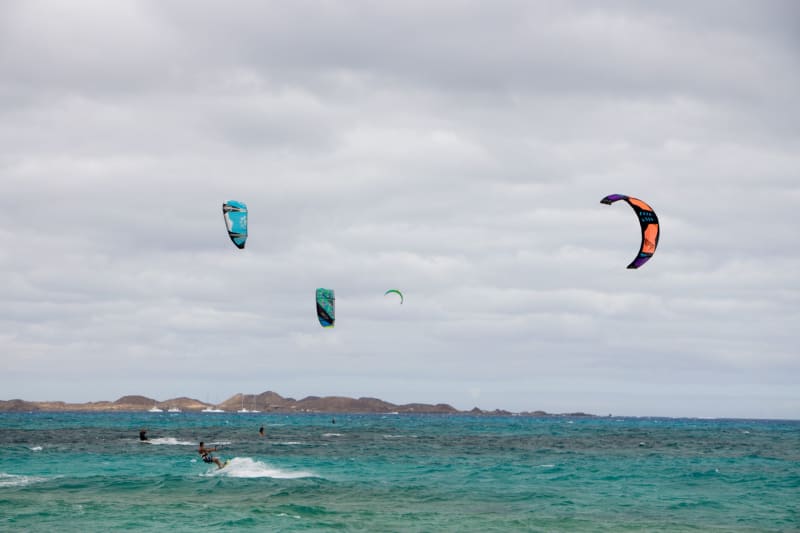 saint-maarten
 Orient Bay
The French side's showpiece beach where the water is so clear you can count the fish from the surface, and the rules are optional.
Explore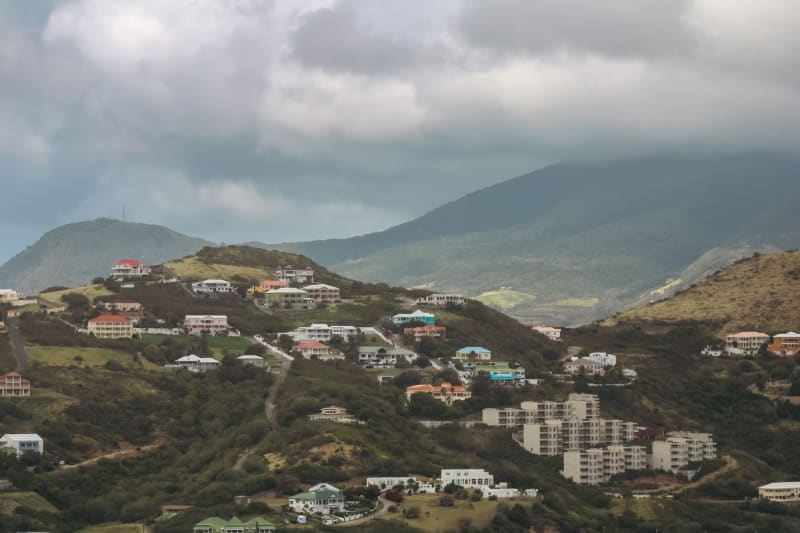 saint-maarten
 Philipsburg
The Dutch capital that thrives on cruise ships and cold beer, honest about exactly what it is and somehow charming for it.
Explore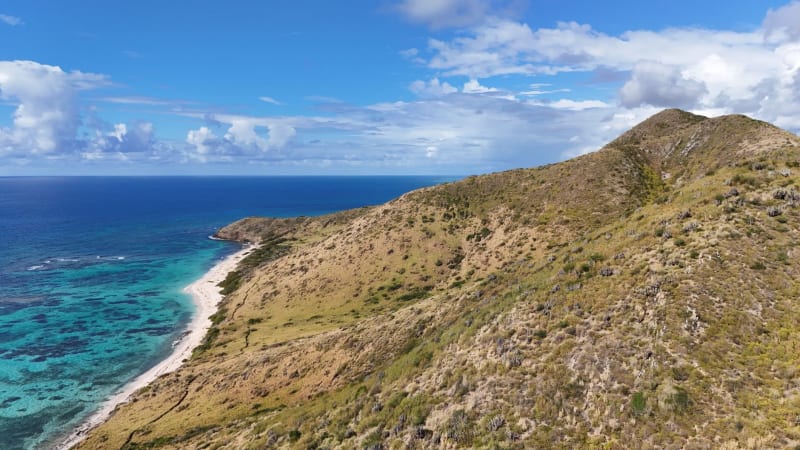 saint-maarten
 Pic Paradis
The island's highest peak, where the montane forest is cool, the silence is complete, and both coastlines are visible at once.
Explore