Caribbean
Saint Maarten
"The only place where a jumbo jet overhead feels like a feature, not a bug."
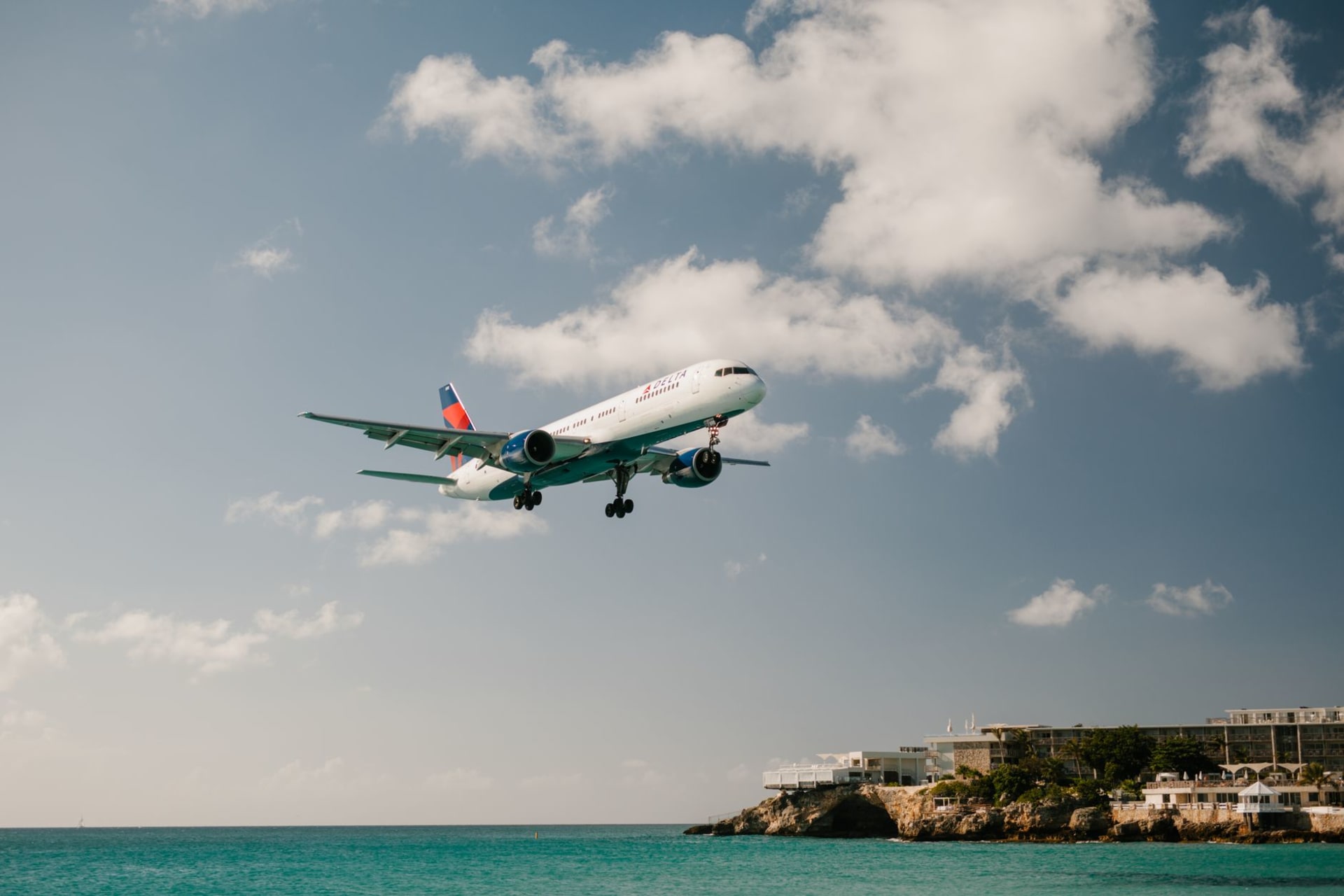
The first time a plane clears the fence at Maho Beach, you feel it before you see it. A wall of jet noise, a shadow blotting the sun, and then a wide-body aircraft skimming so low over the sand that you could, theoretically, read the airline’s name on the tail without squinting. I have watched plane enthusiasts with foam earplugs plant themselves at the end of the runway and refuse to move for three hours. I understand them completely. There is something about witnessing physics at its legal limit that is genuinely, repeatedly thrilling.
But Saint Maarten is not just Maho Beach, and treating it as such is the first mistake most visitors make. The island is divided into two countries on a single landmass — the Dutch Sint Maarten in the south, the French Saint-Martin in the north — with no border formality beyond a roadside monument neither side takes very seriously. The French side has the better beaches. Grand Case, the French quarter’s main strip, is the most underestimated food destination in the Caribbean: a single road lined with small restaurants where Creole fish stews and proper French charcuterie share the same menu, and where the lolos — open-air barbecue shacks at the end of the strip — serve grilled ribs and lobster for the price of a mediocre pizza back home. I ate at the same lolo three nights in a row. No regrets.
The Dutch side is where the action is — Philipsburg with its duty-free shopping, the casino strips, the cruise ship port — and it is exactly what you picture. Busy, commercial, unapologetically tourist-facing. I do not think it is bad, exactly. It is just better understood as a delivery mechanism for cold Presidente and a view of the harbor than as a destination worth lingering in. Where I would linger: the lagoon road between the two sides, at dusk, when the kite surfers are still out and the water goes pale gold, and a pelican dives for something and comes up empty, and tries again.
When to go: Mid-December through April is dry season — the most reliable window for calm seas, lower humidity, and clear skies over Maho. February and March are peak months and prices reflect it. May and June offer a genuine sweet spot: shoulder-season rates, fewer crowds, and the trade winds still blowing. Avoid September and October; hurricane risk is real and several major storms have hit this island hard in recent years.
What most guides get wrong: They spend five paragraphs on Maho Beach and three sentences on the French side. That ratio should be reversed. Grand Case alone — a fifteen-minute drive from Maho — would justify a trip to this island without any plane-spotting at all. The best version of Saint Maarten is a quiet dinner in Grand Case, a morning swim at Friar’s Bay, and then, yes, the spectacle of a KLM 747 shaking the sand at sunset. In that order.