A weather-beaten fishing village on the west coast that transforms once a week into the best-smelling street party on the island.
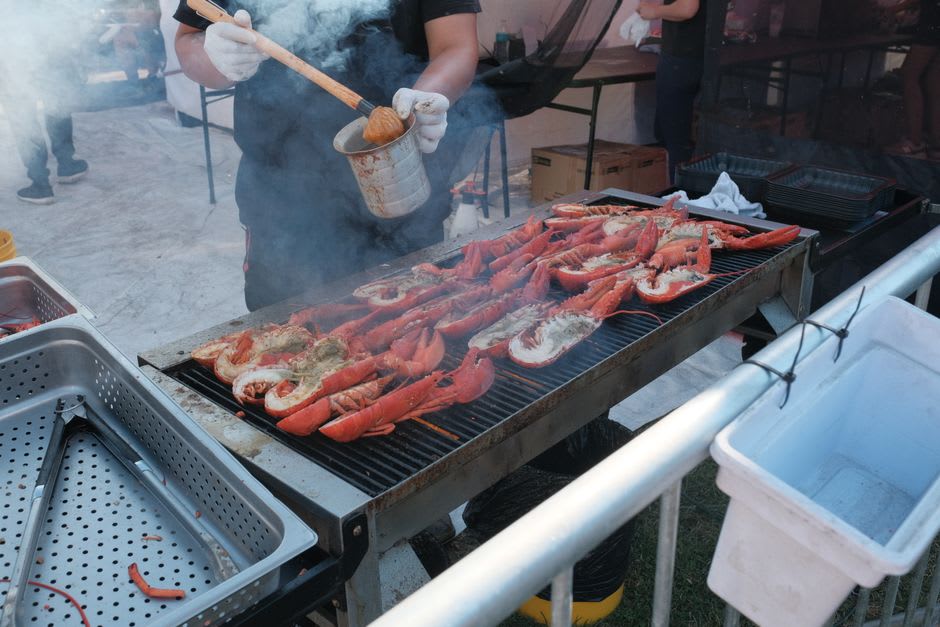
I timed my visit to Anse La Raye for a Friday, deliberately, because that’s when the town’s main street shuts down to cars and turns into a grilling operation of genuinely serious scale. Seafood Friday, as everyone calls it, is one of those events that started as a local fish fry and grew into something bigger without losing its actual local character, which is rarer than it sounds in the Caribbean. Vendors set up right along the main road, grills going constantly, and the smoke from marinated fish, lambi, and jerk chicken sits over the whole street like a low fog by nine at night.
Outside of Friday nights, Anse La Raye is a much quieter place, and I’d argue that version is worth seeing too. It’s one of the oldest fishing communities on the island, and the daytime rhythm is almost entirely dictated by the boats — brightly painted wooden pirogues pulled up on the sand, nets drying over fences, men mending outboard engines in the shade. The Catholic church in the center of town, with its faded blue-and-white facade, has been the anchor of the community for generations, and mass on Sunday still draws a crowd that fills the pews and spills out the door.
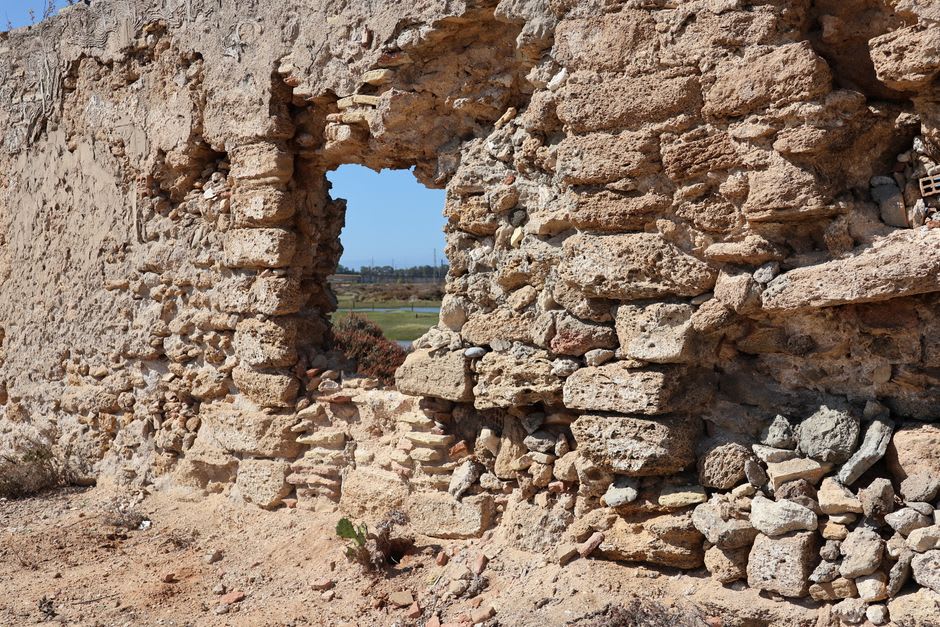
Just south of town sit the ruins of La Sikwi, an old water-powered sugar mill that’s been partially restored and turned into a small open-air museum with a restaurant attached. I wandered the rusted machinery on my own for twenty minutes before anyone else showed up, and it gave me a much clearer sense of the plantation economy that shaped this coast than any placard in a resort lobby ever could. There’s also a modest waterfall nearby that locals will point you toward if you ask the right person at the right rum shop.
When to go: Come on a Friday evening for Seafood Friday regardless of season — it runs year-round and is the single best reason to visit. The dry season from January to April makes the daytime village visit and La Sikwi ruins more comfortable to explore.
Keep exploring
More from Saint Lucia
 saint-lucia
 Balenbouche Estate
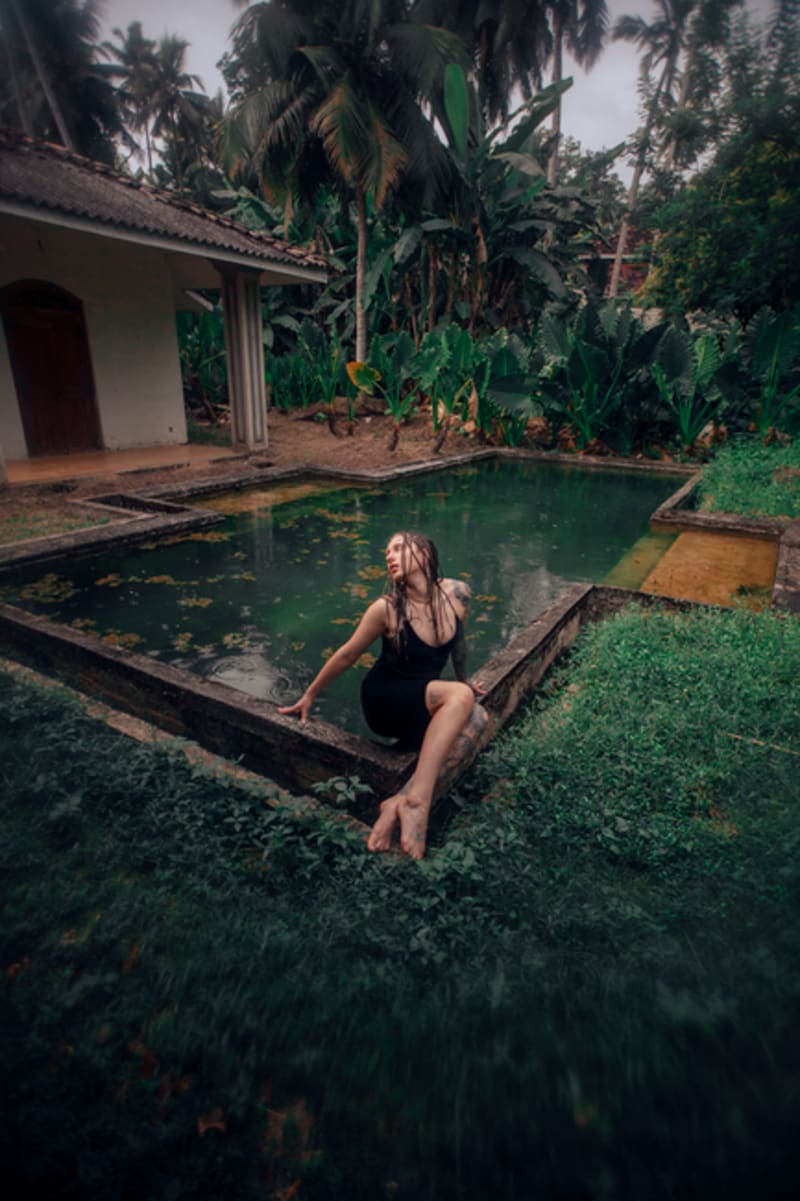
An old sugar estate near Choiseul where colonial-era ruins, Amerindian rock carvings, and a working organic garden all sit within the same quiet property.
Explore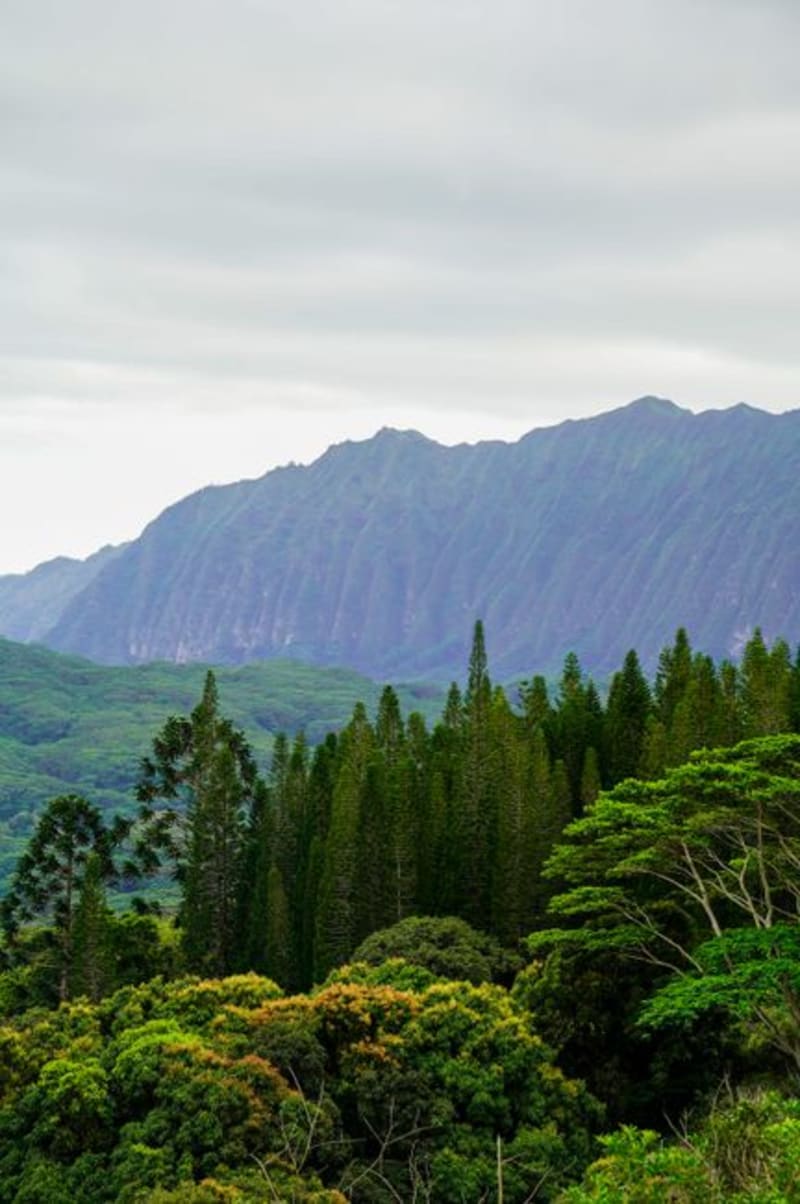 saint-lucia
 Barre de l'Isle Forest Reserve
The forested ridge splitting Saint Lucia in two, where a short rainforest trail up Morne La Combe gives you both coasts of the island at once.
Explore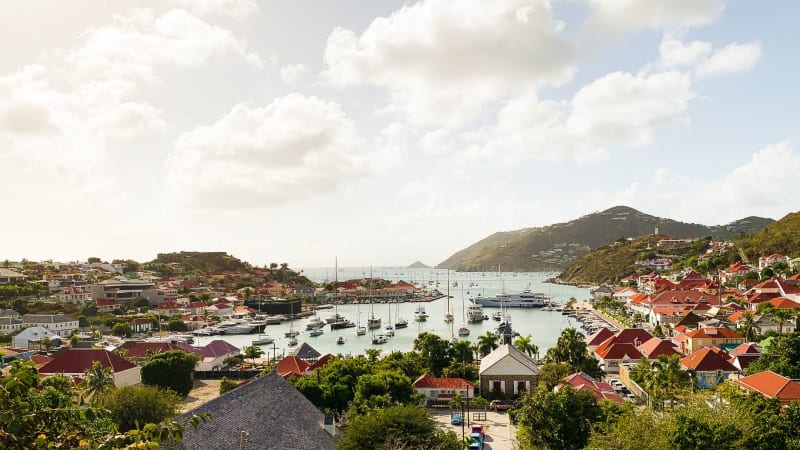 saint-lucia
 Castries
Saint Lucia's capital works as a real Caribbean city — chaotic, market-driven, and honest about what it is in a way its tourist brochures never quite are.
Explore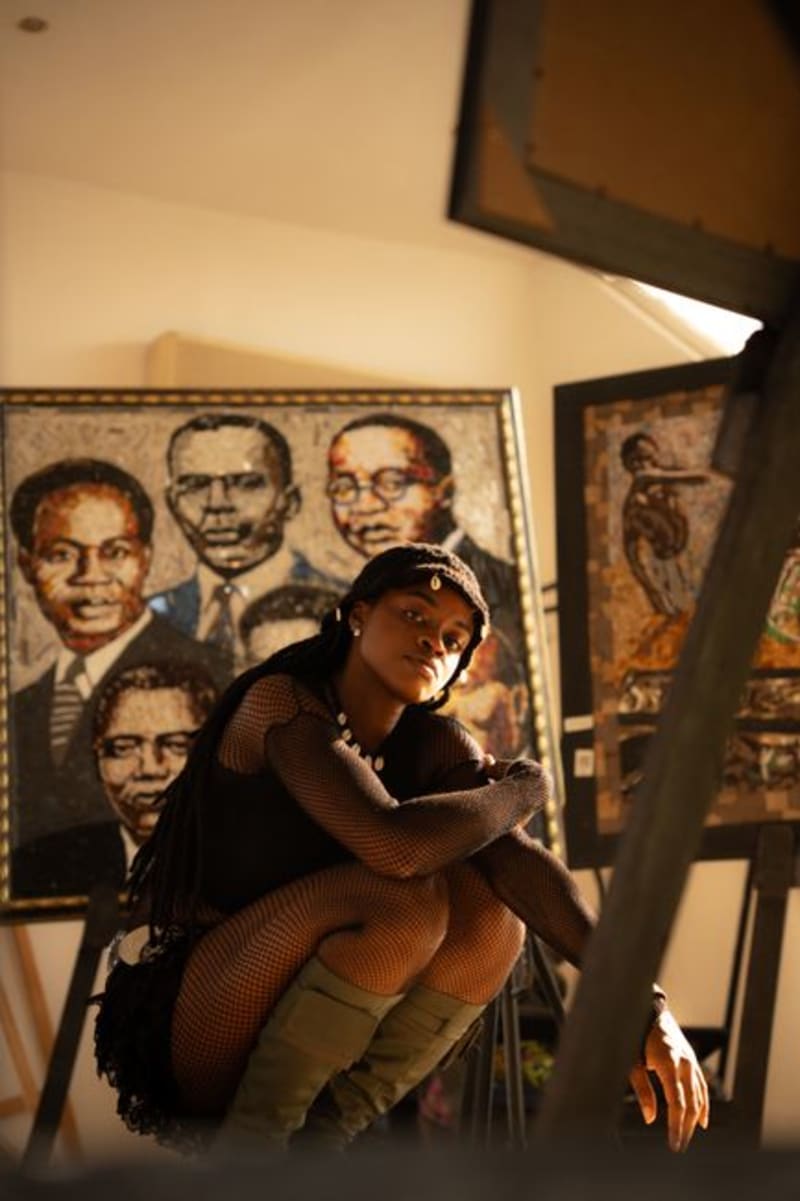 saint-lucia
 Choiseul
The unassuming south-coast village that quietly makes almost every piece of Saint Lucian pottery, basketry, and woodwork you'll see sold as souvenirs elsewhere on the island.
Explore saint-lucia
 Dennery
A wind-battered Atlantic-coast fishing town where the boats are painted like carnival floats and almost no tourists ever stop.
Explore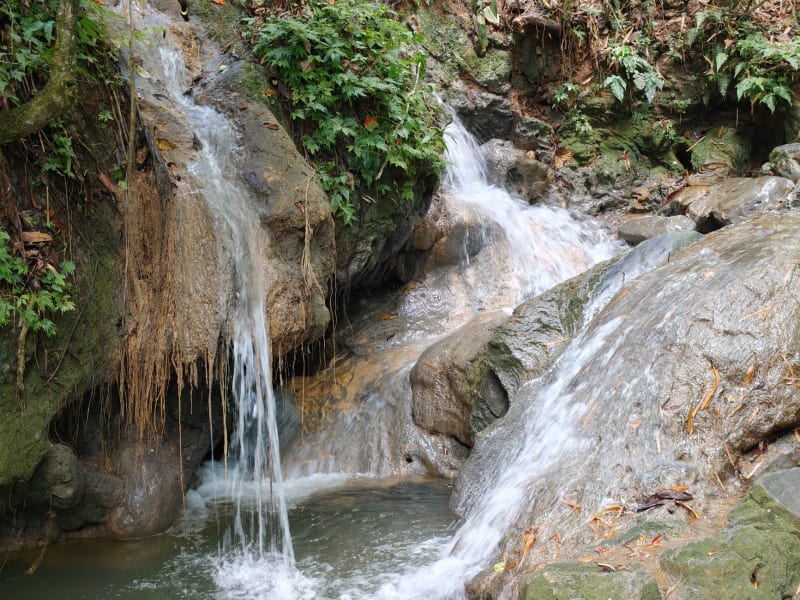 saint-lucia
 Diamond Falls Botanical Gardens
A mineral waterfall streaked in yellow and black and orange, set inside botanical gardens so lush they feel like an argument against the whole idea of bare walls.
Explore