A black-sand beach reachable only by boat or a sweaty hike, backed by dry forest and fronted by one of the best reefs and shipwreck dives on the west coast.
There’s no road to Anse Cochon, and that single fact does more to protect it than any conservation designation could. I got there by boat, chartered with a small dive operator out of Marigot Bay, and the approach alone was worth the trip — a crescent of dark volcanic sand tucked beneath dry, scrubby forest, with barely a structure in sight beyond a single small restaurant shack near the tree line. A handful of other boats were anchored offshore, and the beach itself held maybe a dozen people, which on the west coast of Saint Lucia during high season felt close to miraculous.
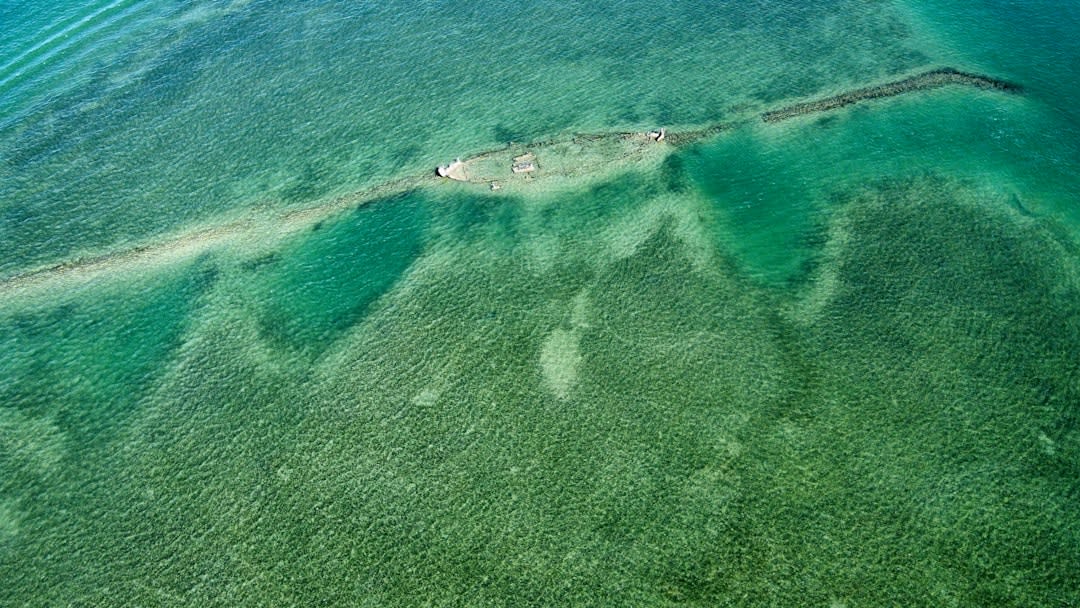
I’d come mainly for the diving, and Anse Cochon didn’t disappoint. Just offshore sits the wreck of the Lesleen M, a cargo freighter deliberately sunk in the 1980s to create an artificial reef, and it now sits upright on the sandbed at a depth manageable for open-water divers, encrusted with coral and patrolled by schools of grunts and the occasional passing eagle ray. My dive guide had done this same wreck probably a thousand times and still pointed things out with real enthusiasm — a moray eel tucked into the hull, a barracuda holding motionless in the wheelhouse doorway, exactly where he said it would be.
Back on the beach, the black sand gets seriously hot by midday, hot enough that I regretted not bringing sandals down to the water’s edge, and the swimming itself is calm and sheltered thanks to the bay’s shape. There’s also a rough hiking trail down from the coastal road for anyone determined to arrive on foot rather than by boat, though it’s steep, poorly marked, and best attempted with a local guide rather than alone.
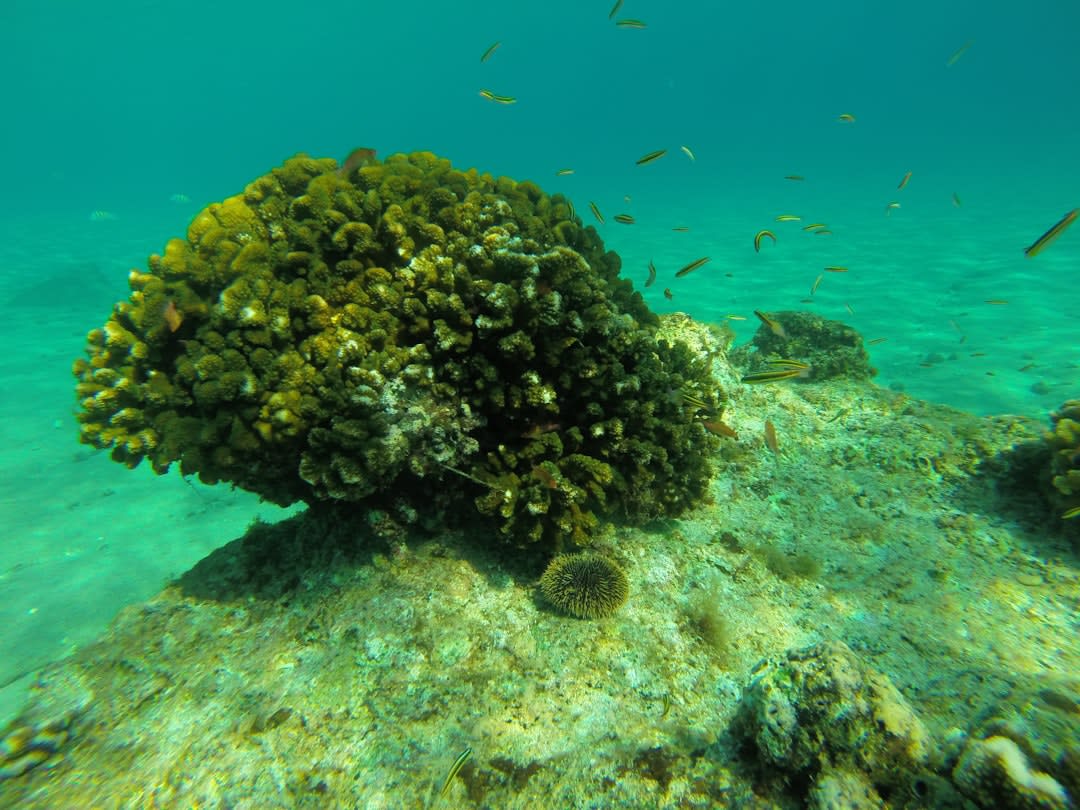
When to go: Visibility for diving and snorkeling is best from January through April, in the dry season, when the water is calmer and clearer. Book a boat trip through a dive operator in Marigot Bay or Soufrière rather than attempting the overland hike unprepared.
Keep exploring
More from Saint Lucia
 saint-lucia
 Anse La Raye
A weather-beaten fishing village on the west coast that transforms once a week into the best-smelling street party on the island.
Explore saint-lucia
 Balenbouche Estate
An old sugar estate near Choiseul where colonial-era ruins, Amerindian rock carvings, and a working organic garden all sit within the same quiet property.
Explore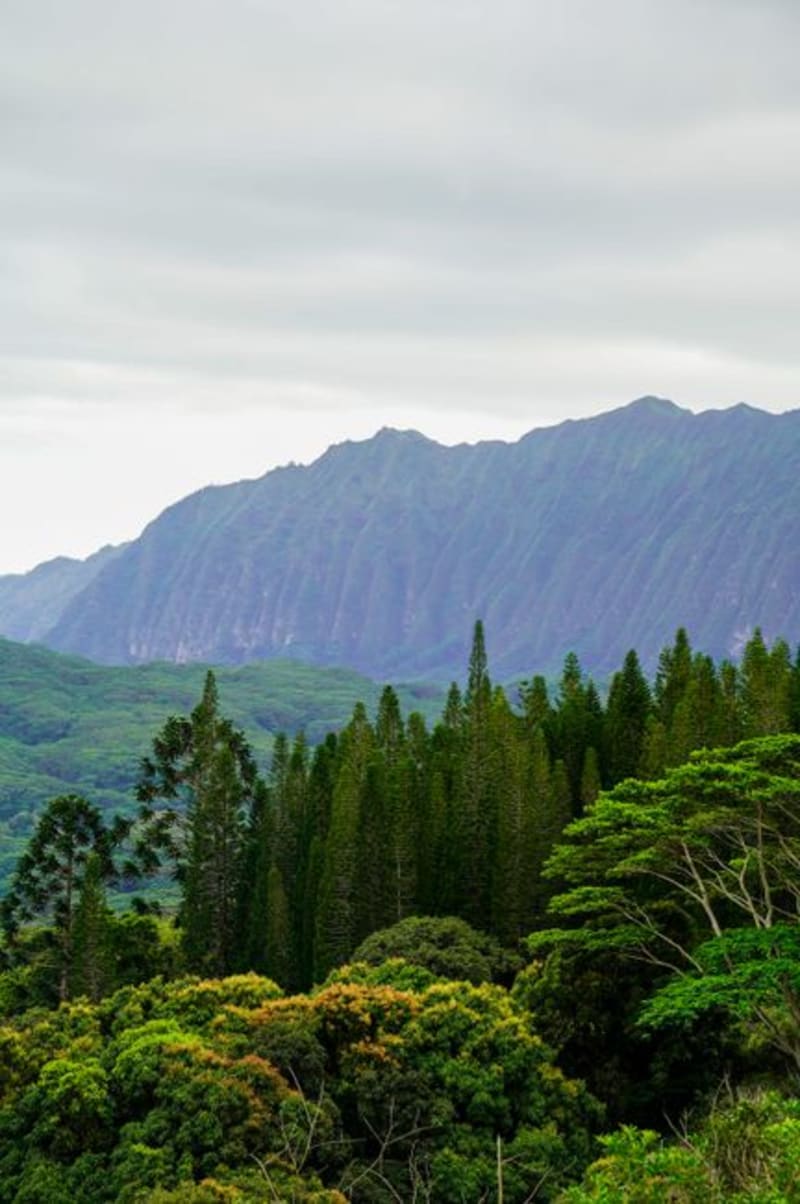 saint-lucia
 Barre de l'Isle Forest Reserve
The forested ridge splitting Saint Lucia in two, where a short rainforest trail up Morne La Combe gives you both coasts of the island at once.
Explore saint-lucia
 Castries
Saint Lucia's capital works as a real Caribbean city — chaotic, market-driven, and honest about what it is in a way its tourist brochures never quite are.
Explore saint-lucia
 Choiseul
The unassuming south-coast village that quietly makes almost every piece of Saint Lucian pottery, basketry, and woodwork you'll see sold as souvenirs elsewhere on the island.
Explore saint-lucia
 Dennery
A wind-battered Atlantic-coast fishing town where the boats are painted like carnival floats and almost no tourists ever stop.
Explore