Romney Manor
"The tree was already old when the sugar arrived. It is older still now that the sugar is gone."
A former sugar estate turned batik workshop, built around gardens and a five-hundred-year-old saman tree that predates the plantation itself.
Romney Manor sits a short drive from Old Road Town, up a hill road lined with dense tropical growth, and I almost missed the turnoff because there’s nothing about the entrance that prepares you for what’s inside. What’s inside is a saman tree — reportedly over 400 years old, wide enough that its canopy alone creates a kind of outdoor room, roots thick as furniture spreading across the ground. I stood under it for a long time doing nothing in particular, which is not something I usually do at what is technically a shopping stop.
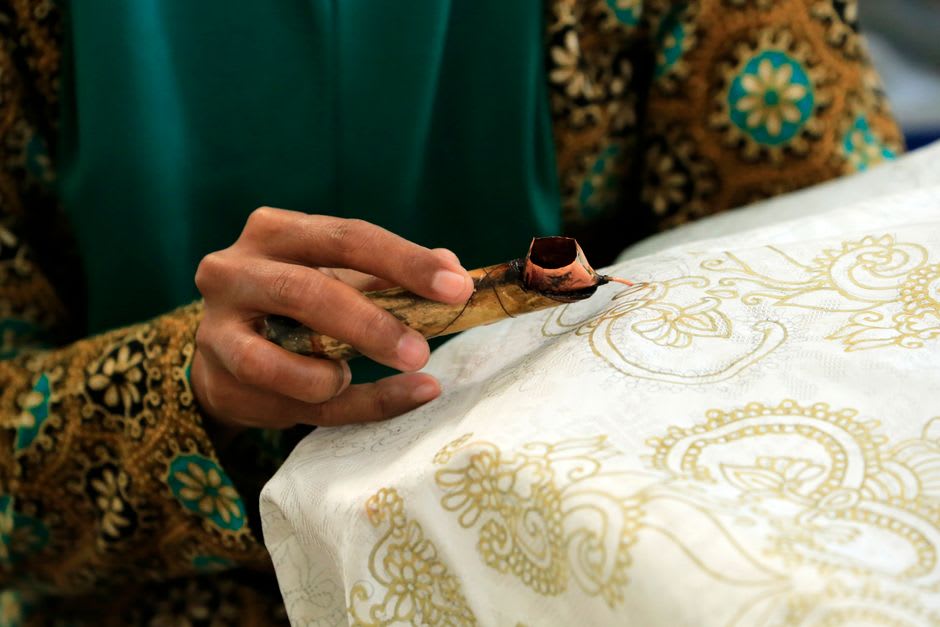
Because that is what Romney Manor officially is now: the home of Caribelle Batik, a workshop producing hand-dyed batik fabric using techniques introduced to the island decades ago. I watched a woman working wax onto cotton with a tjanting tool, building up a pattern in layers before the dye baths, and it was genuinely absorbing to watch — slow, precise work that has nothing to do with the plantation history sitting quietly around it.
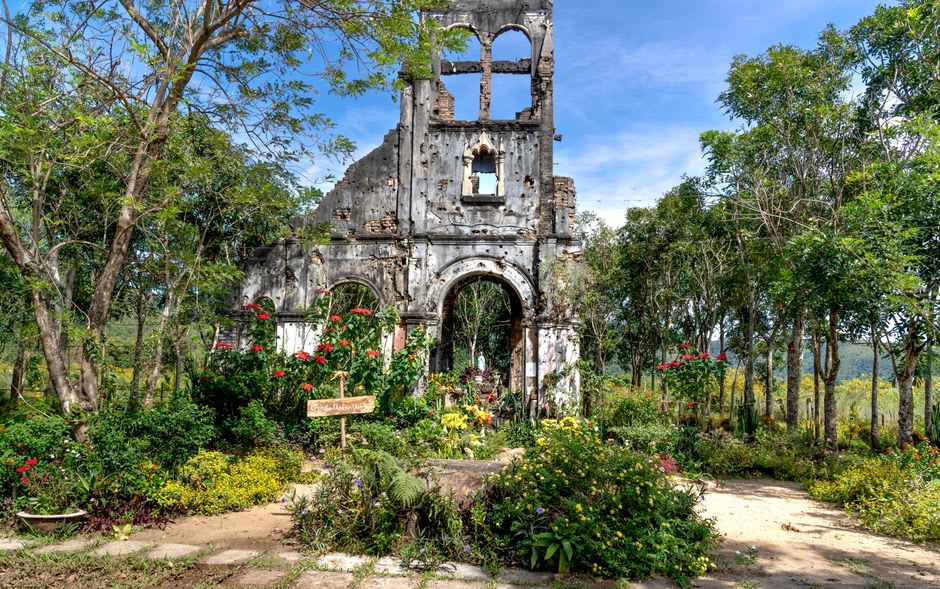
That history is worth sitting with, though. Romney Manor was once the estate of Samuel Jefferson, an ancestor of Thomas Jefferson, and later belonged to the Earl of Romney — the house burned down in a 1995 fire and was never rebuilt, so what remains are stone foundations and walls that the gardens have grown up around rather than been designed to include. Walking the grounds afterward, past bougainvillea and hibiscus and a small pond, feels less like visiting a tourist attraction and more like wandering someone’s abandoned, slowly reclaimed garden.
I bought a length of batik fabric on the way out, more because I’d watched it being made than because I needed it, and it’s still folded in a drawer at home — a small, specific souvenir of an hour that turned out to be one of the better ones on the island, precisely because I hadn’t expected much from it.
When to go: Mornings are best, before tour buses from the cruise port arrive around midday. The workshop and gardens are open most weekdays; check ahead if you’re coming on a weekend.
Keep exploring
More from Saint Kitts and Nevis
 saint-kitts-and-nevis
 Sandy Point Town
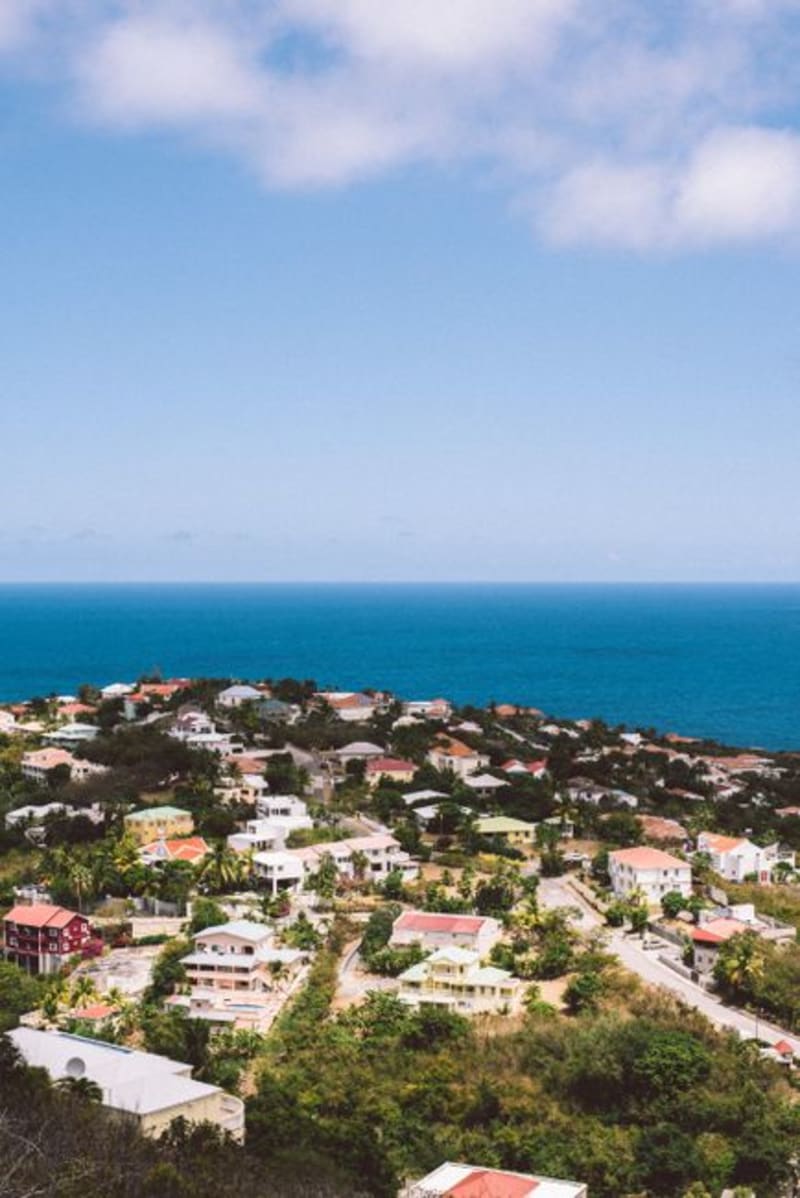
The old capital of Saint Kitts, a faded colonial port town living quietly in the shadow of Brimstone Hill Fortress.
Explore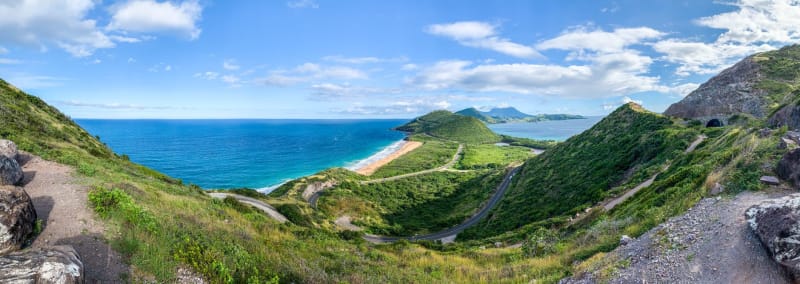 saint-kitts-and-nevis
 Southeast Peninsula
The wild southern tail of Saint Kitts — salt ponds, undeveloped beaches, vervet monkeys, and a road that feels like the island running out of land.
Explore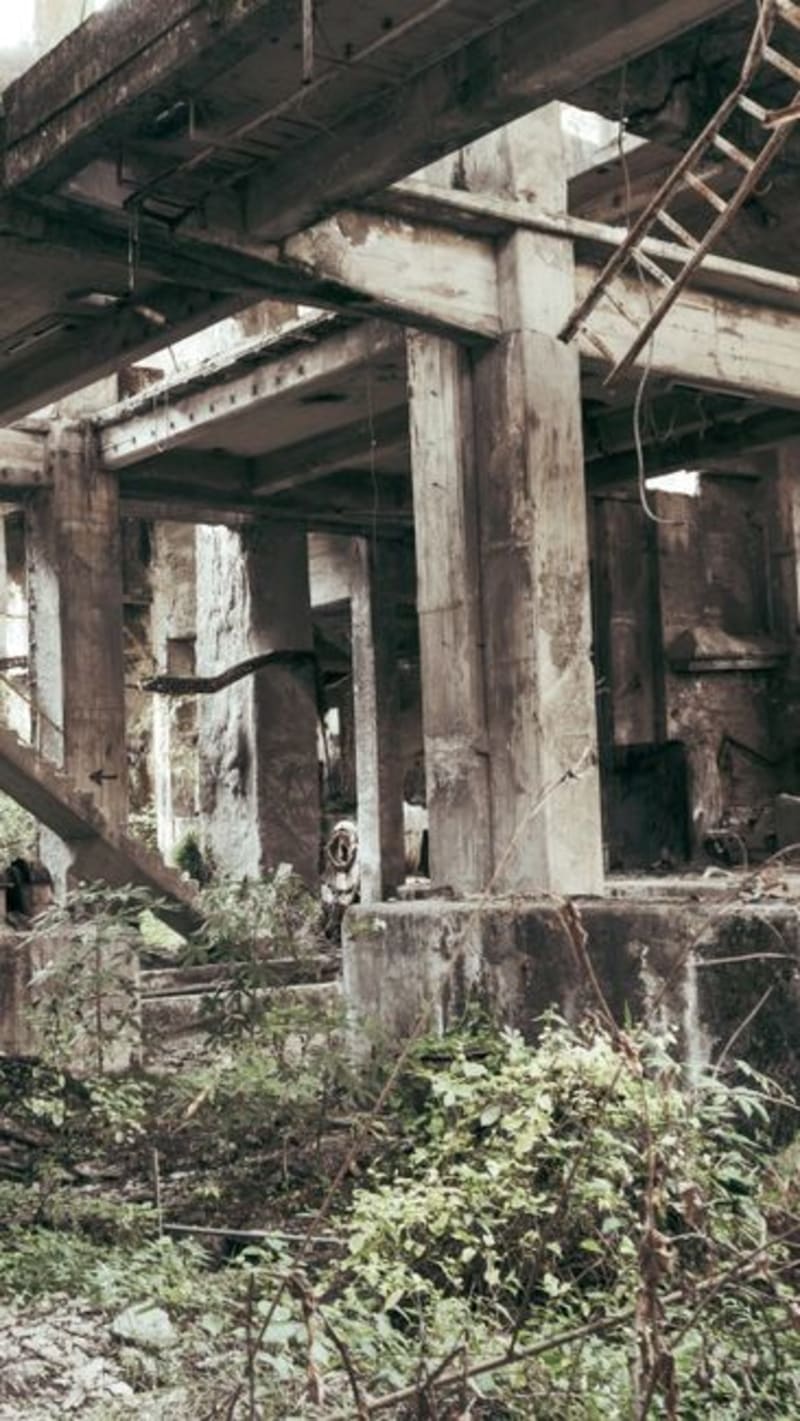 saint-kitts-and-nevis
 Wingfield Estate
The ruins of Saint Kitts' oldest sugar estate, now home to a small-batch rum distillery and a set of pre-Columbian petroglyphs carved into a river rock.
Explore saint-kitts-and-nevis
 Basseterre
The capital where cruise ships come and go but the real city runs on saltfish, Carib beer, and the churn of a Saturday market.
Explore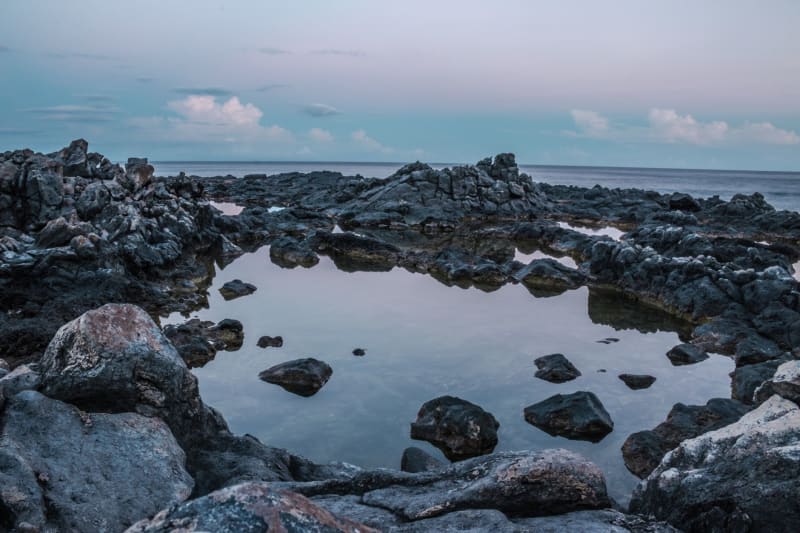 saint-kitts-and-nevis
 Black Rocks
Ancient volcanic lava formations on Saint Kitts' Atlantic coast, where the island shows its geological origins and the sea takes them seriously.
Explore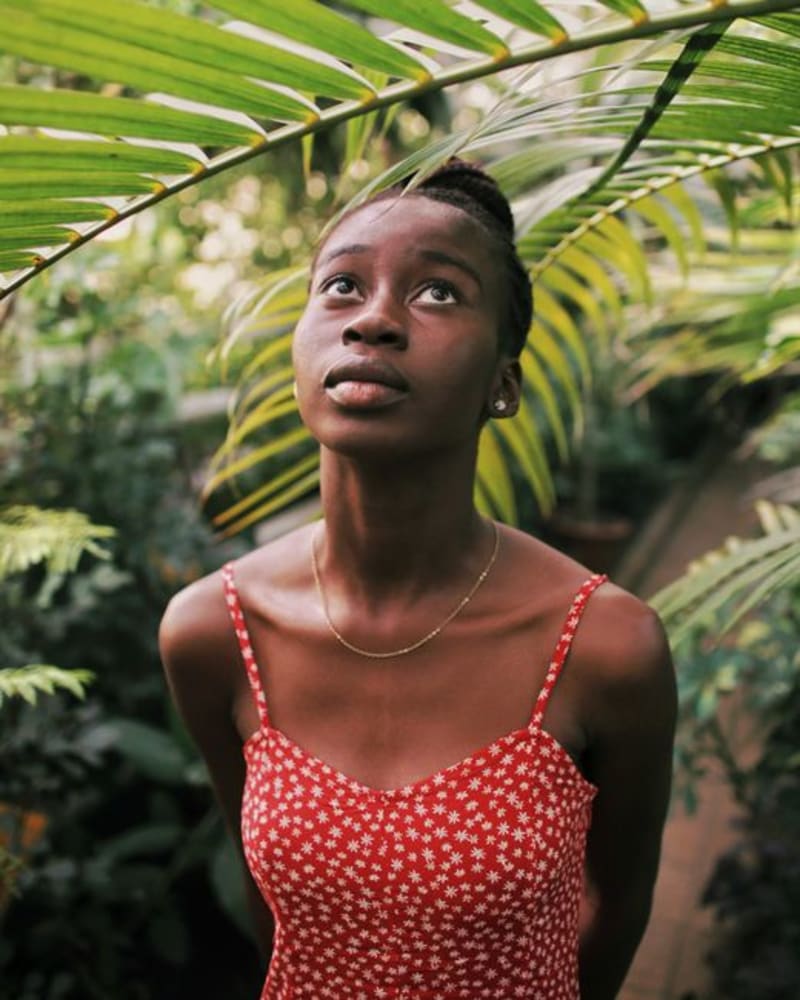 saint-kitts-and-nevis
 Botanical Garden of Nevis
A landscaped garden at the foot of Nevis Peak built around a rainforest conservatory, orchid house, and a small recreated Great House.
Explore