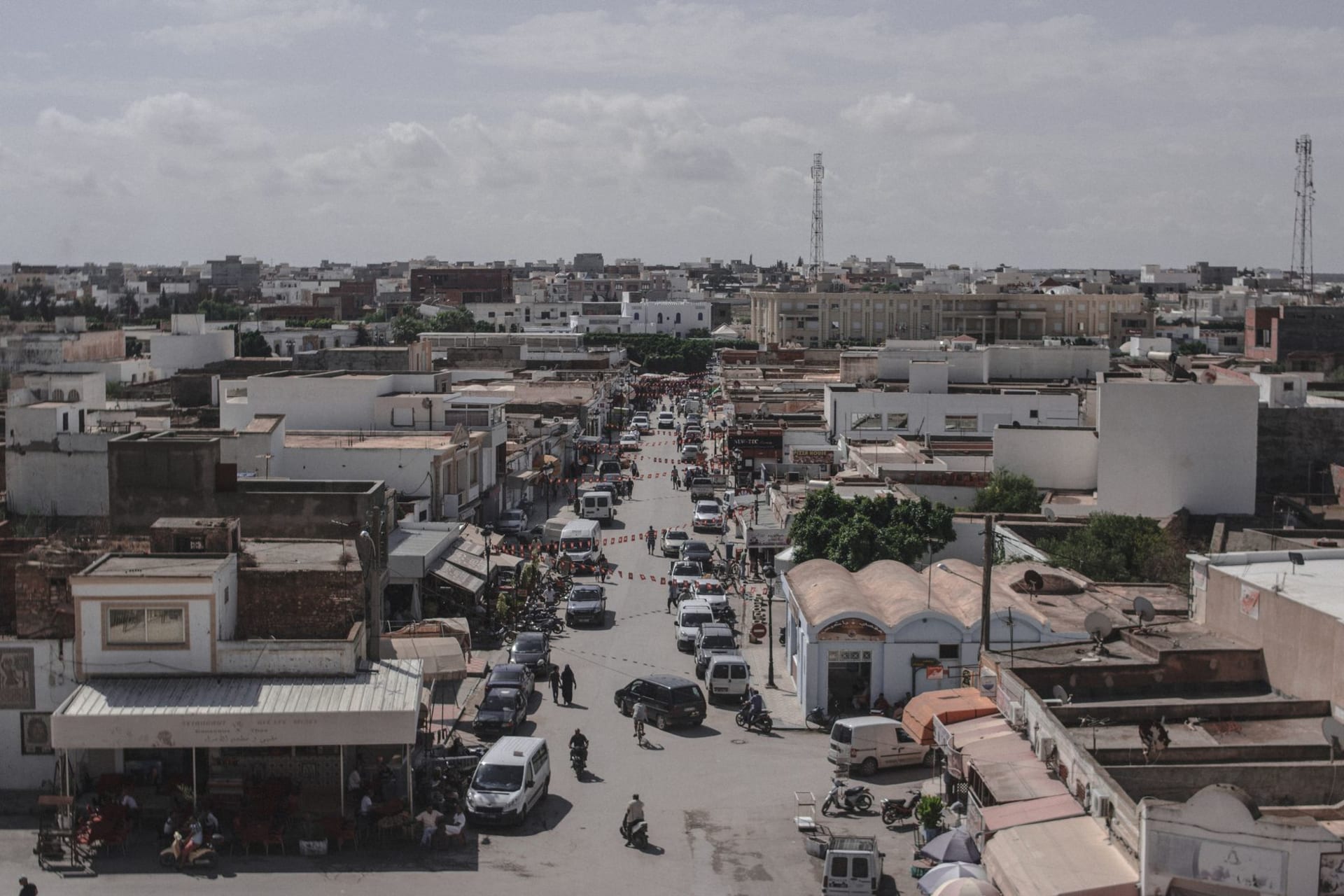
Saint-Louis
"I crossed the Faidherbe bridge at dusk against a river of returning fishing boats and understood, finally, why people call this the soul of Senegal."
Saint-Louis sits where the Senegal River finally gives up and meets the Atlantic, and it does not sit comfortably. The historic core is an island barely two kilometres long, joined to the mainland by the iron Faidherbe bridge and to the fishing peninsula of Guet Ndar by another, and the whole place feels poised between water and sand, between a colonial past it can’t quite afford to maintain and a present that roars with life. It was the capital of French West Africa once, the grandest city for a thousand kilometres in any direction, and you can read that ambition in every flaking shutter. The paint is peeling. The grandeur is not.
The island and its ghosts
Walking the island in the morning, before the heat sits down on everything, is the best thing Saint-Louis offers. The grid of streets is lined with two-storey merchant houses, their wrought-iron balconies sagging, their courtyards glimpsed through doorways where bougainvillea has staged a quiet takeover. UNESCO listed the whole island, and you understand why and also worry, because preservation costs money this city does not obviously have. I stopped for coffee at a café where the ceiling fan turned just slowly enough to be decorative rather than useful, and the owner told me his grandfather had run a textile import business from the same room. He said it without nostalgia, which somehow made it land harder.

Guet Ndar, where the city earns its living
Cross the second bridge to Guet Ndar and the register changes completely. This is the fishing quarter, one of the most densely populated patches of land in West Africa, a narrow spit of sand jammed between the river and the ocean and absolutely heaving with people, goats, drying nets and pirogues painted in colours that would embarrass a carnival. In the late afternoon the boats come back, and the beach becomes pure controlled chaos — men hauling nets, women buying fish straight off the sand to sell again an hour later, children playing football between the hulls. Nobody is performing this for visitors. It is simply how four thousand people feed themselves, conducted at full volume.
Saint-Louis is also, improbably, a jazz town. It has hosted an international jazz festival since 1993, and on an ordinary evening I followed the sound of a trumpet into a courtyard bar where a quartet was playing to two dozen people, and a Senegalese saxophonist traded phrases with a visiting Frenchman as if they’d done it for years. Lia ordered a Gazelle beer and we stayed far longer than we’d meant to. The music, the river, the salt in the air — it all belongs to the same strange, frayed, magnificent place.

When to go
November through February, when the Sahel cools to something merciful and the harmattan haze softens the light into something painters would fight over. The jazz festival usually lands in May, worth timing for if you can stand the building heat. Avoid the peak of the rains around August and September, when the low-lying island and Guet Ndar both flood with depressing reliability.