Ouagadougou
"Everyone in Ouagadougou is going somewhere on a moto — and they all somehow know where you're going too."
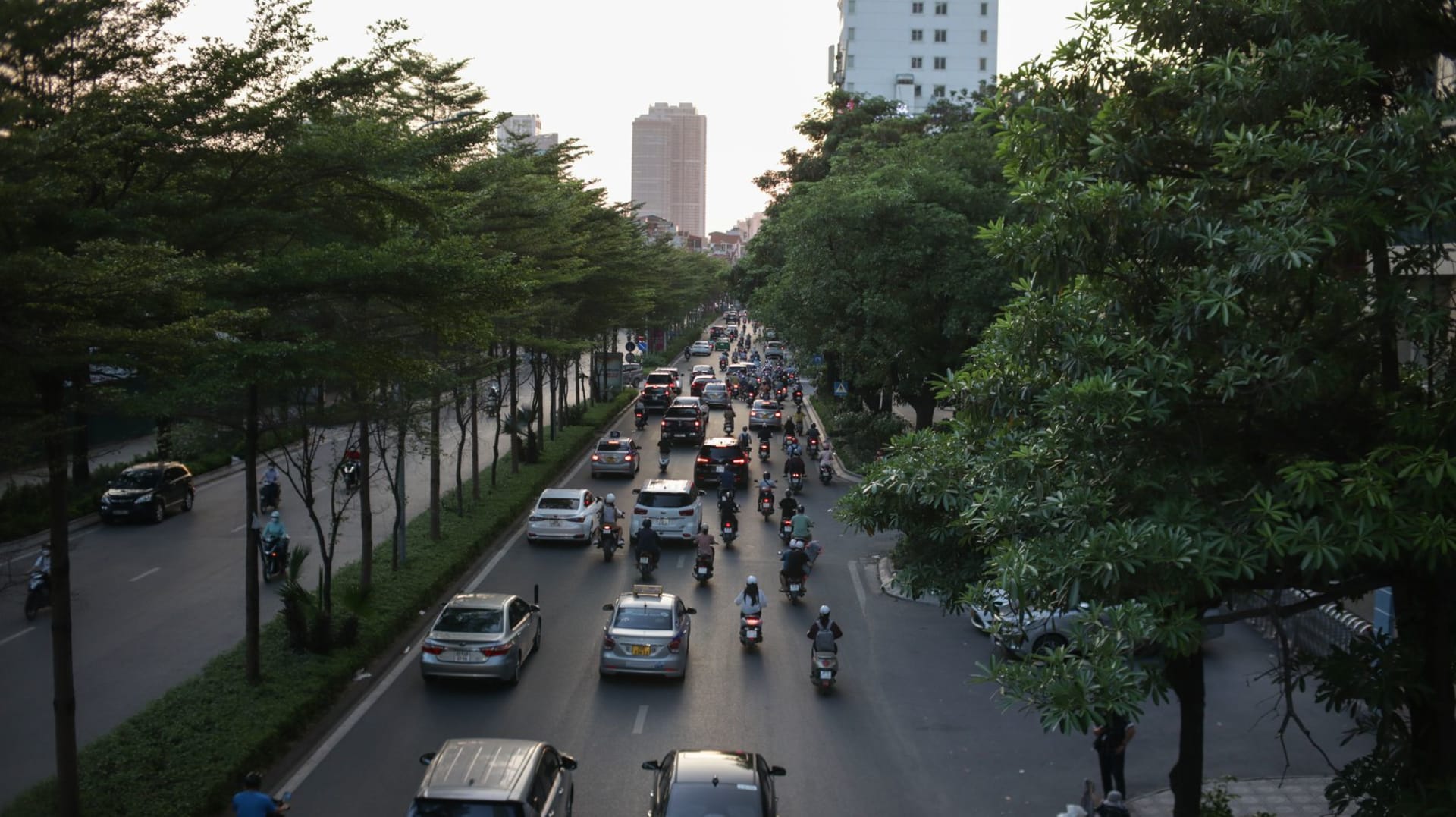
The sound of Ouagadougou is the sound of motorbike engines. Not the aggressive roar of a highway, but the constant, distributed hum of thousands of small bikes threading through traffic at every hour of the day, carrying two people, carrying furniture, carrying sacks of grain, carrying cages of chickens, carrying a single passenger sitting behind the driver with an expression of absolute composure. The moto is the city’s circulatory system — taxis run on four wheels here too, but the real movement is on two — and arriving in Ouagadougou for the first time, I felt I had been dropped into a society that had solved urban logistics in a way that made car-centric cities seem obtuse. The dust is constant. The warmth is constant. The noise is constant. None of it is hostile.

The city is flat and sprawling, organized around a central commercial core that radiates into residential neighbourhoods, and the market — the Grand Marché, rebuilt after a fire in 2003 — is its pulse. The fabric section alone is worth a morning: thousands of bolts of cloth organized by pattern and colour, women who can look at you for two seconds and know exactly which piece will suit you, the particular brilliance of West African wax prints catching the light through corrugated iron roofing. In the craft village nearby, artisans work in bronze casting, weaving, leatherwork, and wood carving — the quality varies, and the prices require negotiation, but the experience of watching a bronzesmith work using the lost-wax method that has been used in this region since the 14th century is one of those things that resets your sense of time.
FESPACO — the Pan-African Film and Television Festival — happens in Ouagadougou every two years in late February or early March, and during those two weeks the city becomes something different: cinema screens appear everywhere, the streets fill with filmmakers from across the continent, debates about African cinema happen in hotel lobbies and under mango trees simultaneously, and the energy is unlike anything I have encountered at a European film festival, which is to say it is collective and celebratory rather than competitive and anxious. The Burkinabè film tradition is serious and long-standing, and the country has produced filmmakers of international significance — Gaston Kaboré, Idrissa Ouédraogo — that FESPACO has helped nurture.

The food runs on the street. Brochettes of beef or mutton over charcoal appear at every busy intersection after nightfall. Attiéké — fermented cassava couscous, introduced from Côte d’Ivoire — is served with fried fish at small stands, and the combination of the slightly sour fermented grain with crispy fish and raw onion is one of the best cheap meals in the Sahel. There are Lebanese restaurants, French-style patisseries, a growing number of places doing Burkinabè cuisine with some ambition — but the city’s real flavour lives in the neighbourhood joints where the sauce has been simmering since morning and the portion is calculated to actually fill you.
When to go: November through February is the optimal window — dry season, temperatures in the 30s Celsius rather than the 40s, evenings cool enough for outdoor eating. FESPACO years (odd years) in late February–early March are worth planning a trip around if you have any interest in cinema. Avoid April and May, which are the hottest and driest months before the rains arrive, and the months when Ouagadougou most visibly struggles with the Sahel’s climatic logic.