A honeycomb of covered mudbrick alleys where women once crossed the whole town without touching the ground.
I’d read about Ghadames for years before I finally stood in it, and I still wasn’t ready for what it does to your sense of orientation. The “pearl of the desert,” they call it, and the nickname isn’t marketing — the old town is a single interconnected organism of mudbrick houses, roofed passageways, and covered alleys that keep the Saharan sun almost entirely off your skin. Lia and I walked in expecting streets. What we got was something closer to a cave system built by people who understood heat better than anyone I’ve ever met.
The genius of the place only clicked for me once a local guide explained the rooftop terraces. For centuries, women in Ghadames could move across the entire town via the interconnected roofs, descending into the covered ground-level alleys only when they chose to. Two completely separate networks, layered on top of each other, both still legible today. I climbed up to the terraces near dusk and watched the town unfold as a pale, sand-colored maze against the darkening sky — utterly different from the tunnel-like world just below.
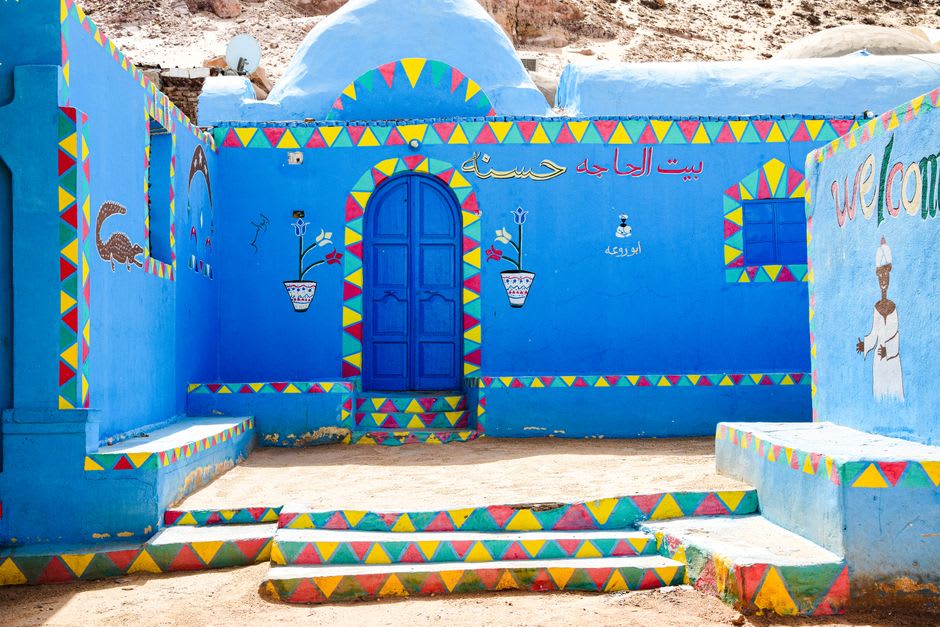
What stayed with me most is how far back this goes. The old town’s architecture, much of it dating from the 13th century onward, sits on top of a settlement that started as Cydamus, a Roman garrison town over two thousand years old. You feel the weight of that when you run your hand along a wall that’s been rebuilt and re-plastered by hand for generations. UNESCO inscribed Ghadames in 1986, and I understood why within an hour of arriving — though our guide was frank about the conservation concerns the site has faced since Libya’s instability began in 2011. It gave the visit an edge I wasn’t expecting, a sense that we were seeing something that needs protecting in real time, not just admiring a museum piece.
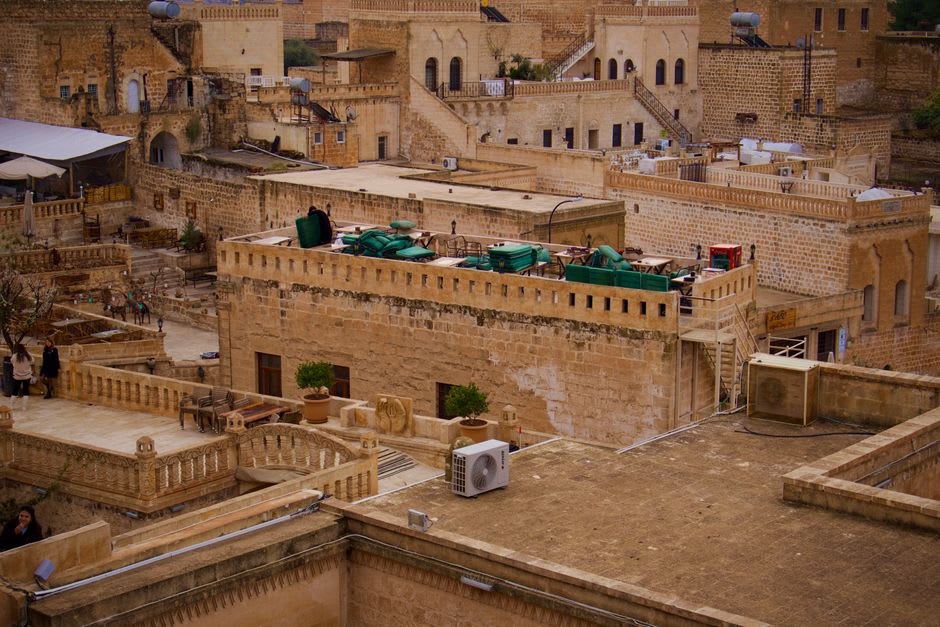
We ate dates and drank sweet mint tea in the shade of one of those covered passages, and I remember thinking it was the coolest I’d felt outdoors in the Sahara the entire trip — no exaggeration, the architecture actually works. When to go: aim for November through March, when the desert heat eases up enough to actually enjoy wandering the old town rather than just surviving it.
Keep exploring
More from Sahara Desert
 sahara-desert
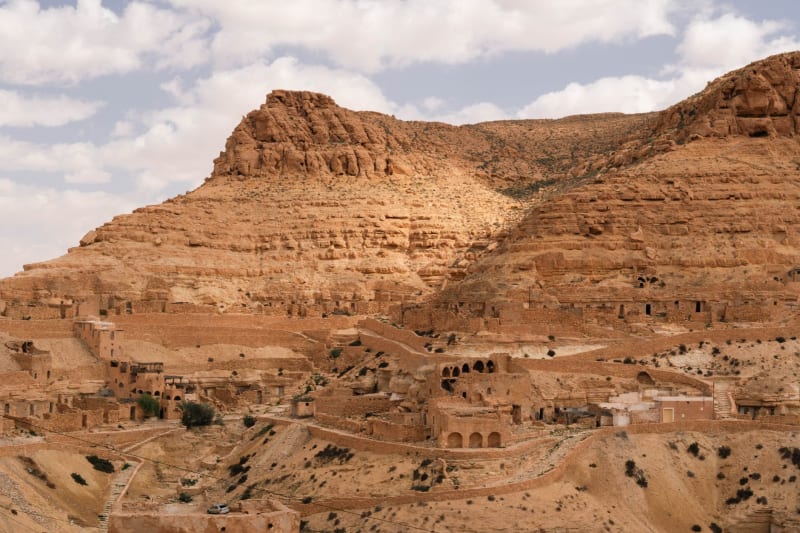
 Matmata
A Berber village in southern Tunisia built underground — families have lived in pit-carved homes here for centuries, and the Star Wars crew merely borrowed the scenery.
Explore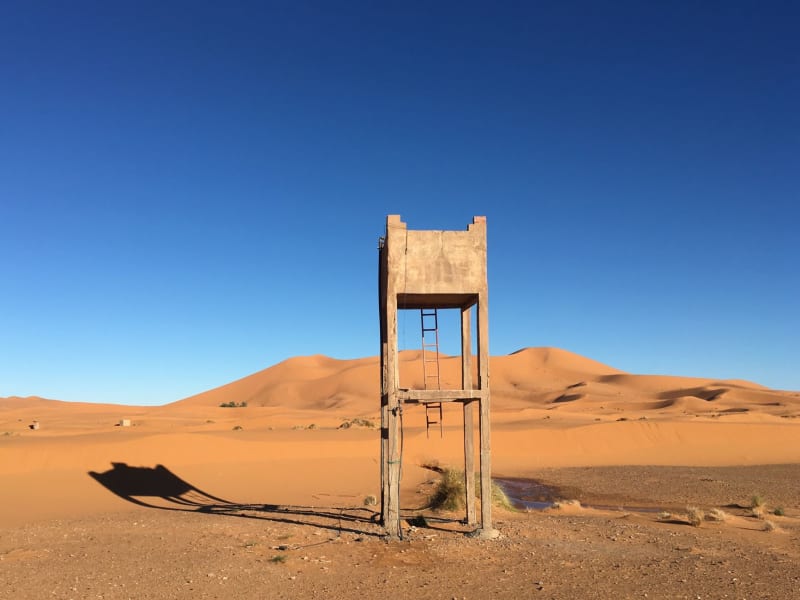 sahara-desert
 Merzouga
A small Moroccan village at the feet of the world's most concentrated dune sea — where the real show begins after the camel tours end.
Explore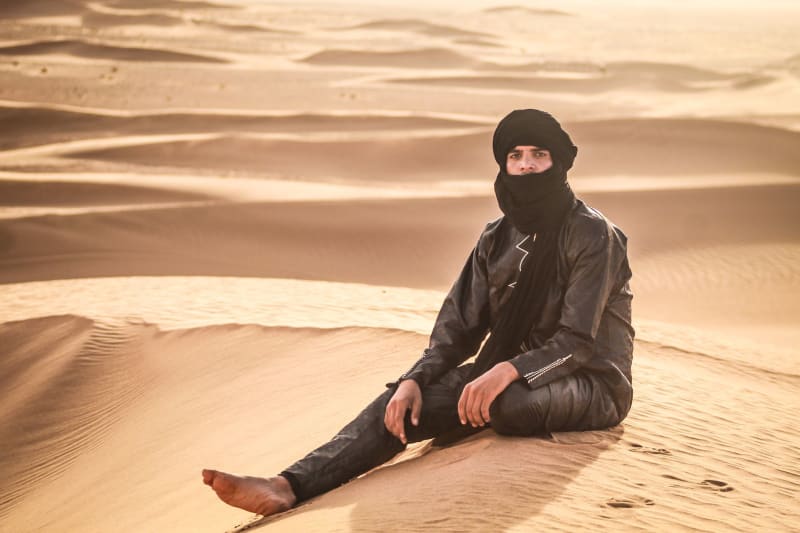 sahara-desert
 M'Hamid el Ghizlane
The last town before Algeria — where the Draa River dies and the real, unperformed Sahara quietly begins.
Explore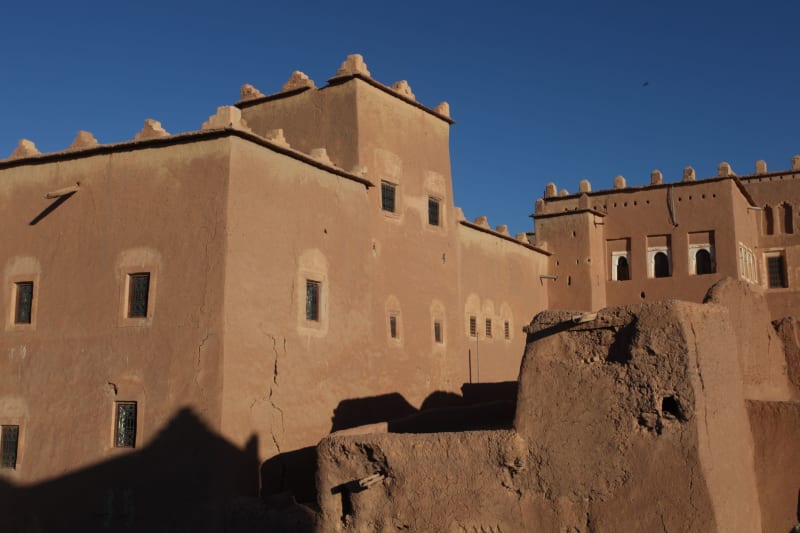 sahara-desert
 Ouarzazate
Morocco's pre-desert crossroads, where Hollywood comes to film epics and the light turns everything to amber by four in the afternoon.
Explore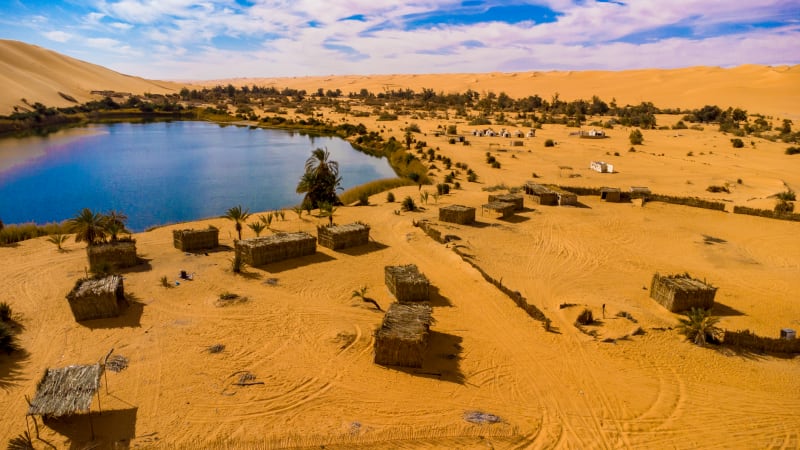 sahara-desert
 Siwa Oasis
Egypt's most remote oasis, hidden near the Libyan border — dates, olive oil, warm springs, and a silence older than pharaohs.
Explore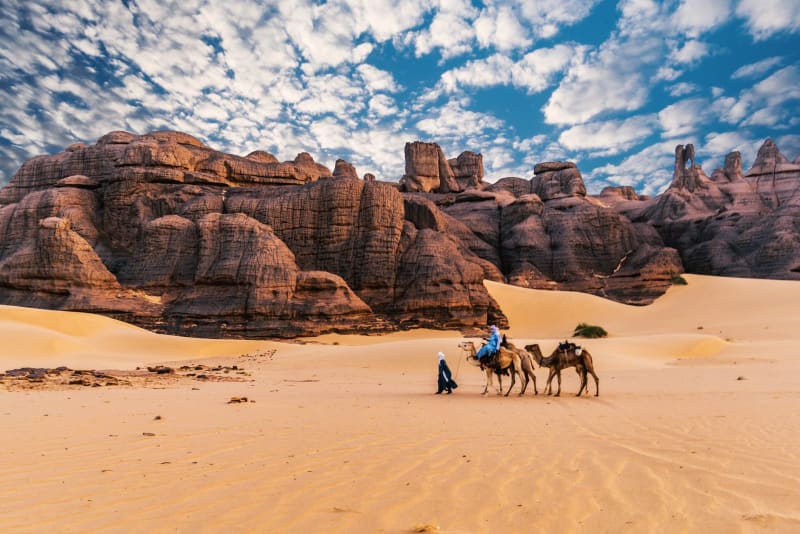 sahara-desert
 Tamanrasset
A Tuareg capital deep in the Algerian Sahara, where the Hoggar Mountains rise from gravel plains in shapes that belong to another world.
Explore