Africa
Sahara Desert
"The desert was the first place I ever felt genuinely small, and grateful for it."
The world's largest hot desert — where wind sculpts dunes taller than cathedrals, silence is a physical sensation, and a single night under the Milky Way resets something in you.

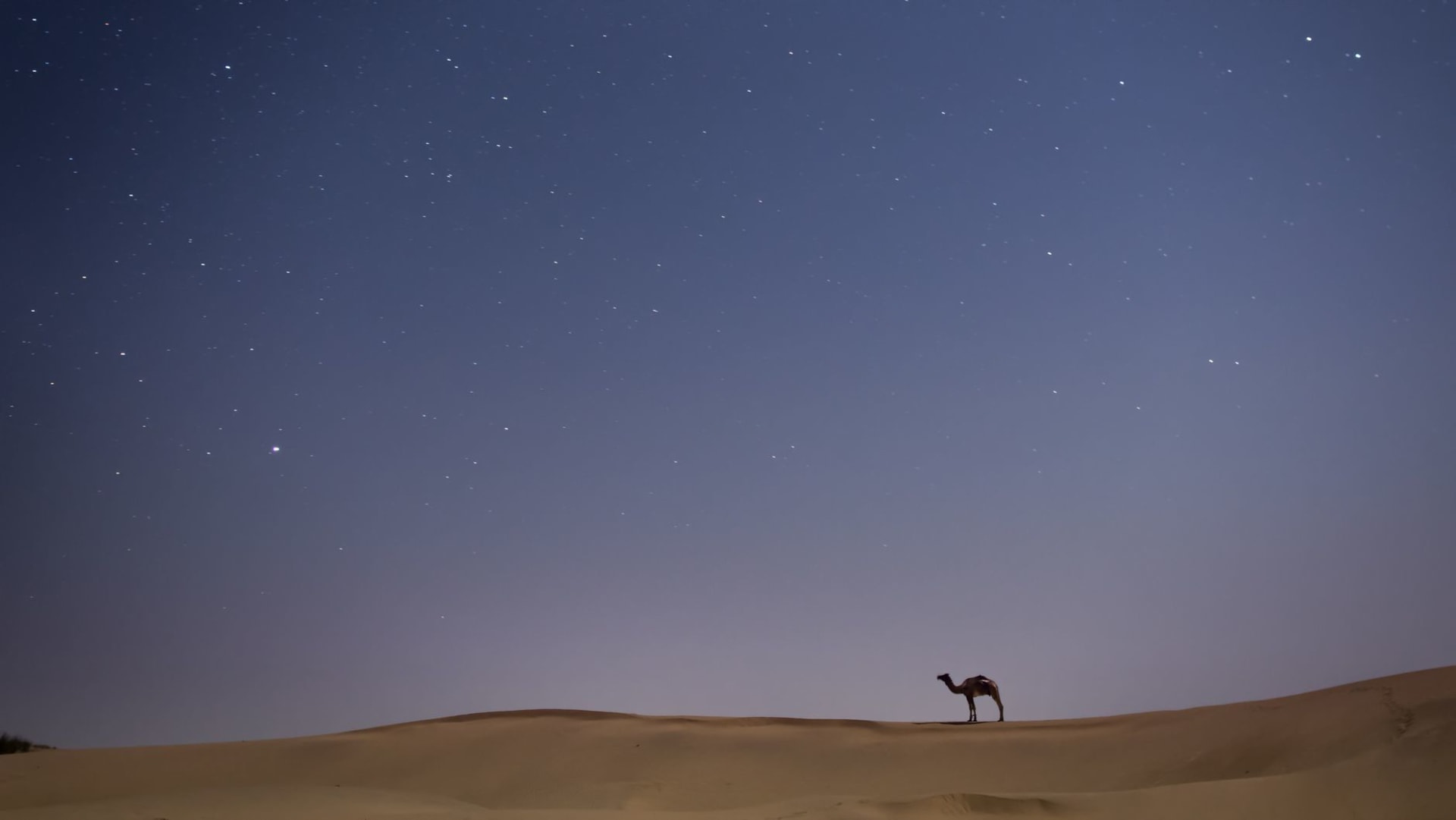
I arrived at the Erg Chebbi dunes outside Merzouga at late afternoon, when the sun was low enough to throw shadows across the ridgelines and turn the sand every shade of red from rust to amber. The camel moved at a pace that felt prehistoric, and I stopped trying to photograph it and just let the landscape arrive. That first hour, without wind, with nothing but the creak of the saddle and the sand hissing slightly underfoot, is when I understood why people come back to the Sahara — not for the spectacle, which is real, but for the silence, which is of a quality you cannot find anywhere else on earth.
The Sahara stretches across eleven countries and covers an area the size of the continental United States, but the traveler’s Sahara concentrates in a handful of accessible pockets: the Moroccan ergs around Merzouga and M’Hamid, the Algerian Tadrart where prehistoric rock art marks sandstone cliffs, the Tunisian chotts where salt flats reflect the sky like broken mirrors, and the Libyan Akakus. The dunes — the ones people picture — are actually a minority of the terrain. Most of the desert is reg, flat gravel plains and hammada, wind-scraped rock plateaux that stretch without feature for hundreds of kilometers. The ergs, the sea-dune regions, are the exception, and they are extraordinary precisely because they rise without warning from these flat surrounds.
A night in the dunes recalibrates everything. The temperature drops faster than seems possible — fifteen degrees in two hours once the sun goes down. The stars appear not gradually but all at once, and the Milky Way here has a density that photographs cannot convey. No light pollution for a thousand kilometers in any direction. The silence is not merely the absence of sound but something with texture, something you breathe differently. By morning, the wind has erased every footprint from the night before and redrawn the ridgelines. The desert has reset itself and does not acknowledge that you were there.
When to go: October to April. The shoulder months of October and March offer the best balance of warmth and cool nights. December and January can be genuinely cold after dark — below freezing in the high desert. May through September is brutal heat, with midday temperatures regularly above 45°C. There is no comfortable summer Sahara experience.
What most guides get wrong: They treat the Sahara as a single overnight excursion from Marrakech. The reality is that the real desert — the Sahara that unsettles and recalibrates — only becomes available after at least two nights. The first night is wonder. The second night is something closer to understanding. The tourist circuit also crowds into Merzouga while ignoring M’Hamid el Ghizlane and the Draa Valley route south, which is quieter, stranger, and gives a more honest sense of what this landscape actually is.
Explore
Places in Sahara Desert
 sahara-desert
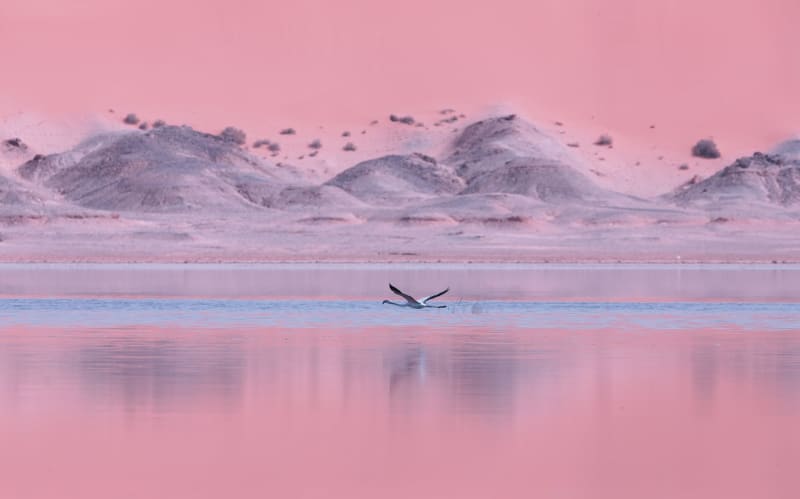
 Chott el Jerid
A salt lake bigger than Luxembourg that turns the Tunisian desert into a mirror, a hallucination, and a color field painting all at once.
Explore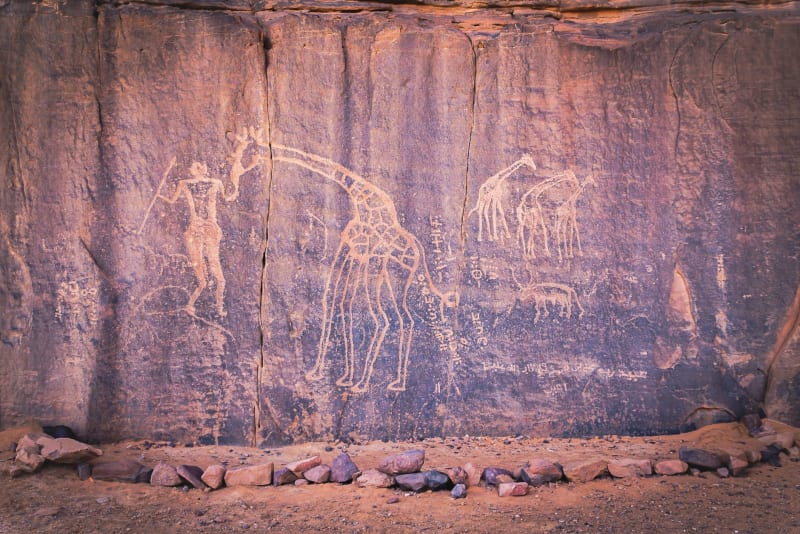 sahara-desert
 Djanet
A Tuareg oasis in Algeria's far southeast — the only human anchor in a landscape of black rock and cliffs painted 10,000 years ago.
Explore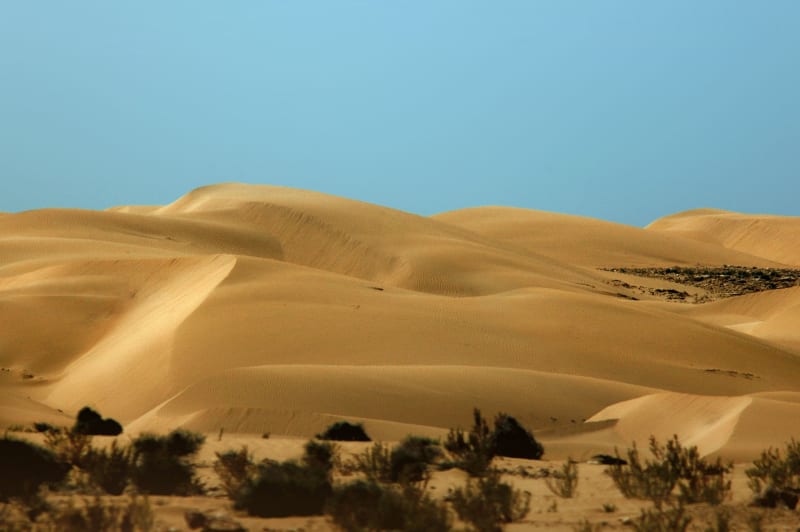 sahara-desert
 Douz
Tunisia's palm-fringed desert gateway, where the Thursday camel market still trades and the dunes start at the end of the last street.
Explore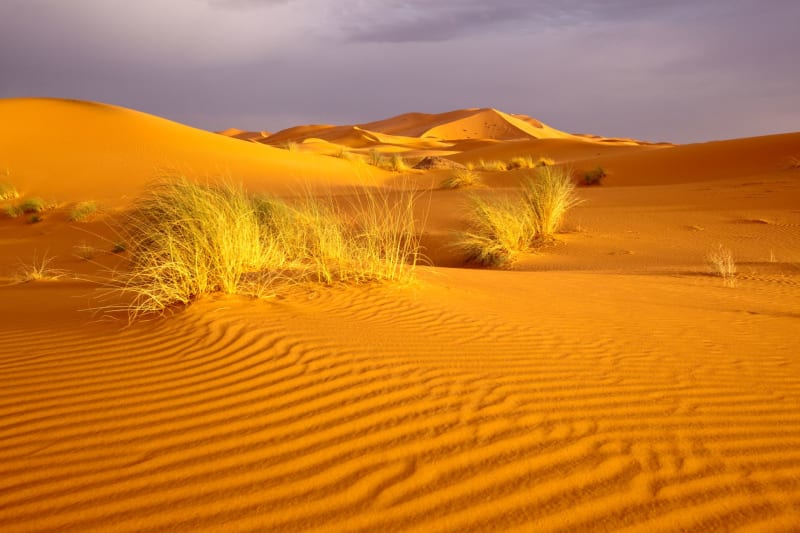 sahara-desert
 Erg Chigaga
Morocco's wildest dune sea — forty kilometres of sand at the literal end of the road, where the tour buses can't follow.
Explore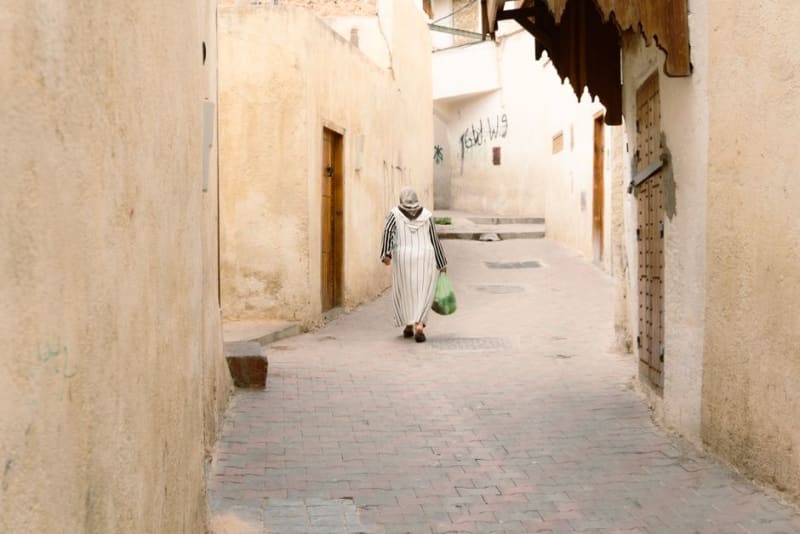 sahara-desert
 Ghadames
A honeycomb of covered mudbrick alleys where women once crossed the whole town without touching the ground.
Explore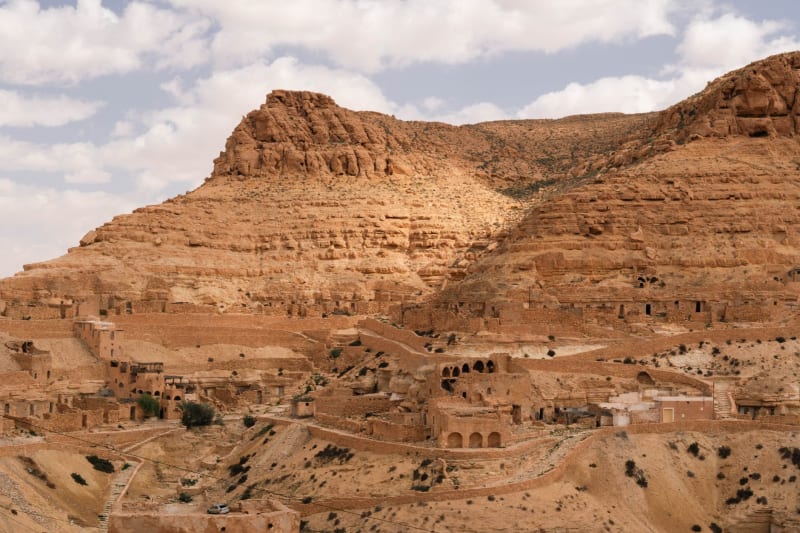 sahara-desert
 Matmata
A Berber village in southern Tunisia built underground — families have lived in pit-carved homes here for centuries, and the Star Wars crew merely borrowed the scenery.
Explore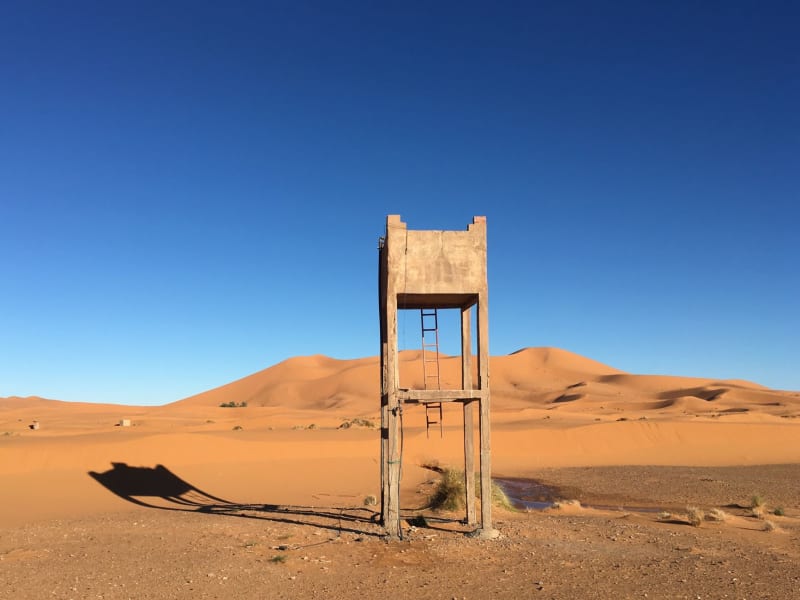 sahara-desert
 Merzouga
A small Moroccan village at the feet of the world's most concentrated dune sea — where the real show begins after the camel tours end.
Explore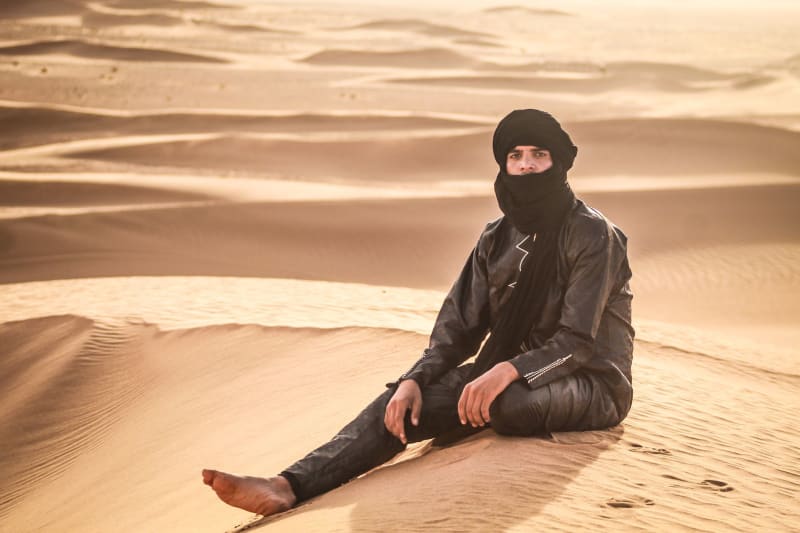 sahara-desert
 M'Hamid el Ghizlane
The last town before Algeria — where the Draa River dies and the real, unperformed Sahara quietly begins.
Explore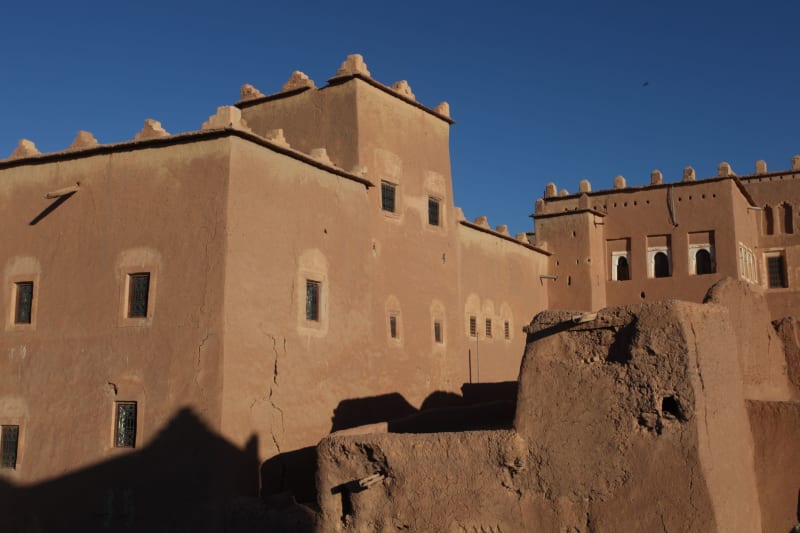 sahara-desert
 Ouarzazate
Morocco's pre-desert crossroads, where Hollywood comes to film epics and the light turns everything to amber by four in the afternoon.
Explore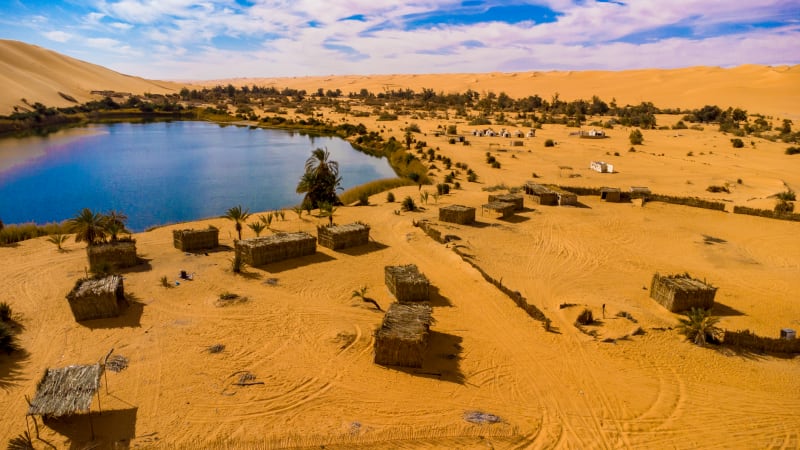 sahara-desert
 Siwa Oasis
Egypt's most remote oasis, hidden near the Libyan border — dates, olive oil, warm springs, and a silence older than pharaohs.
Explore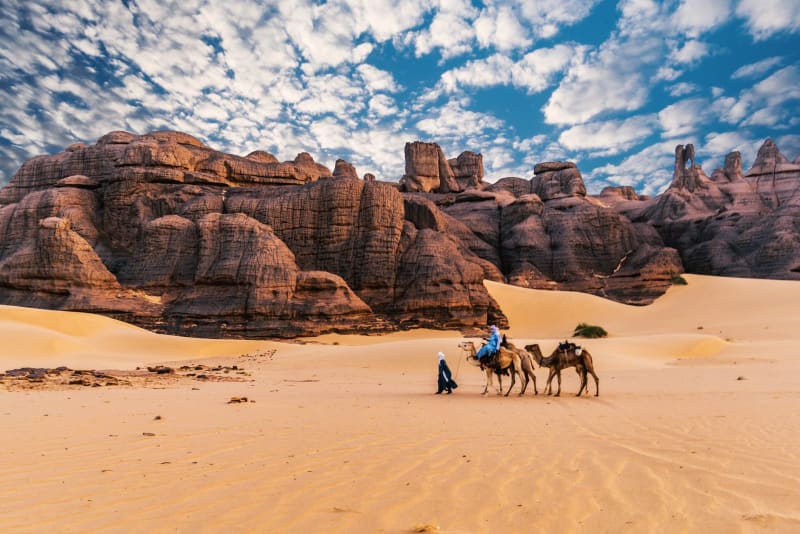 sahara-desert
 Tamanrasset
A Tuareg capital deep in the Algerian Sahara, where the Hoggar Mountains rise from gravel plains in shapes that belong to another world.
Explore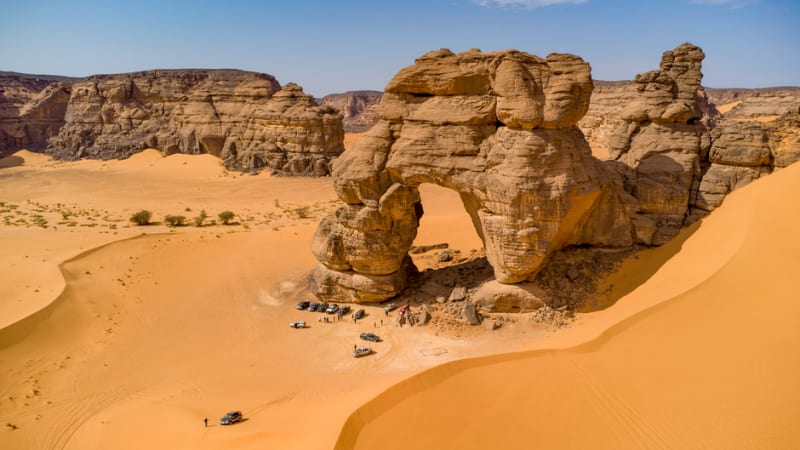 sahara-desert
 Tassili n'Ajjer
A sandstone plateau near Djanet where 15,000 prehistoric engravings recall a Sahara once green with elephants and giraffes.
Explore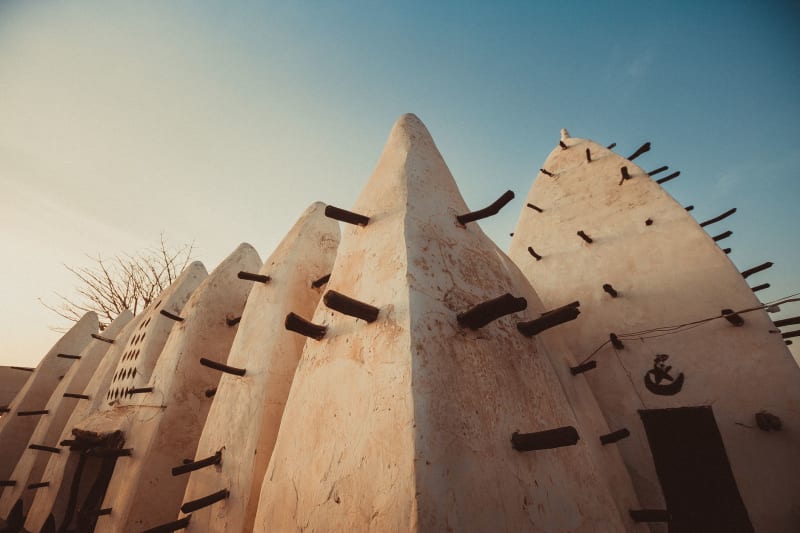 sahara-desert
 Timbuktu
The city that became a word for the ends of the earth — stranger and sadder and more real than its legend, and worth every kilometer.
Explore