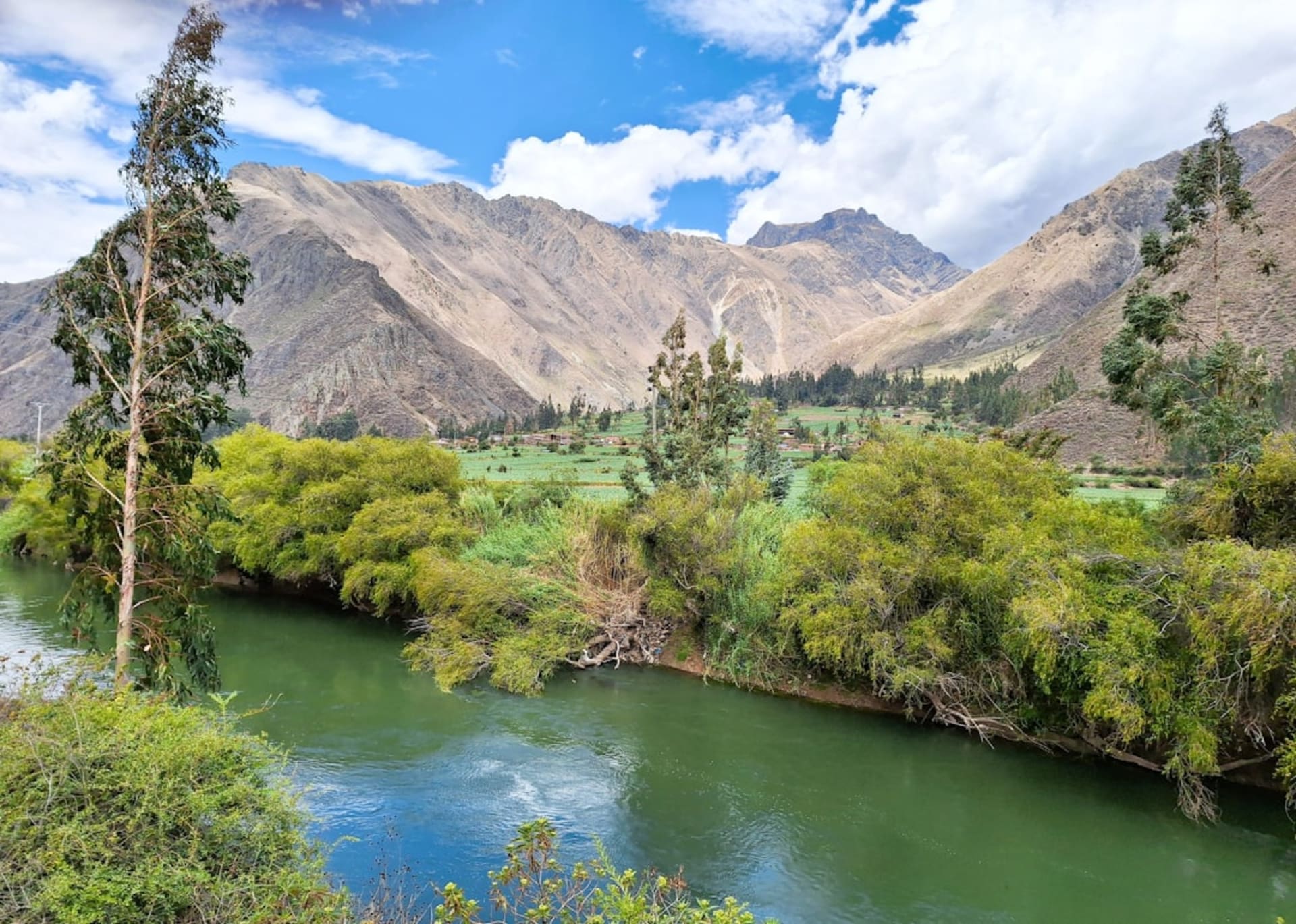
Huaypo Lagoon
"The fishermen on Huaypo don't look up when you arrive. The lake does not need your attention to be extraordinary."
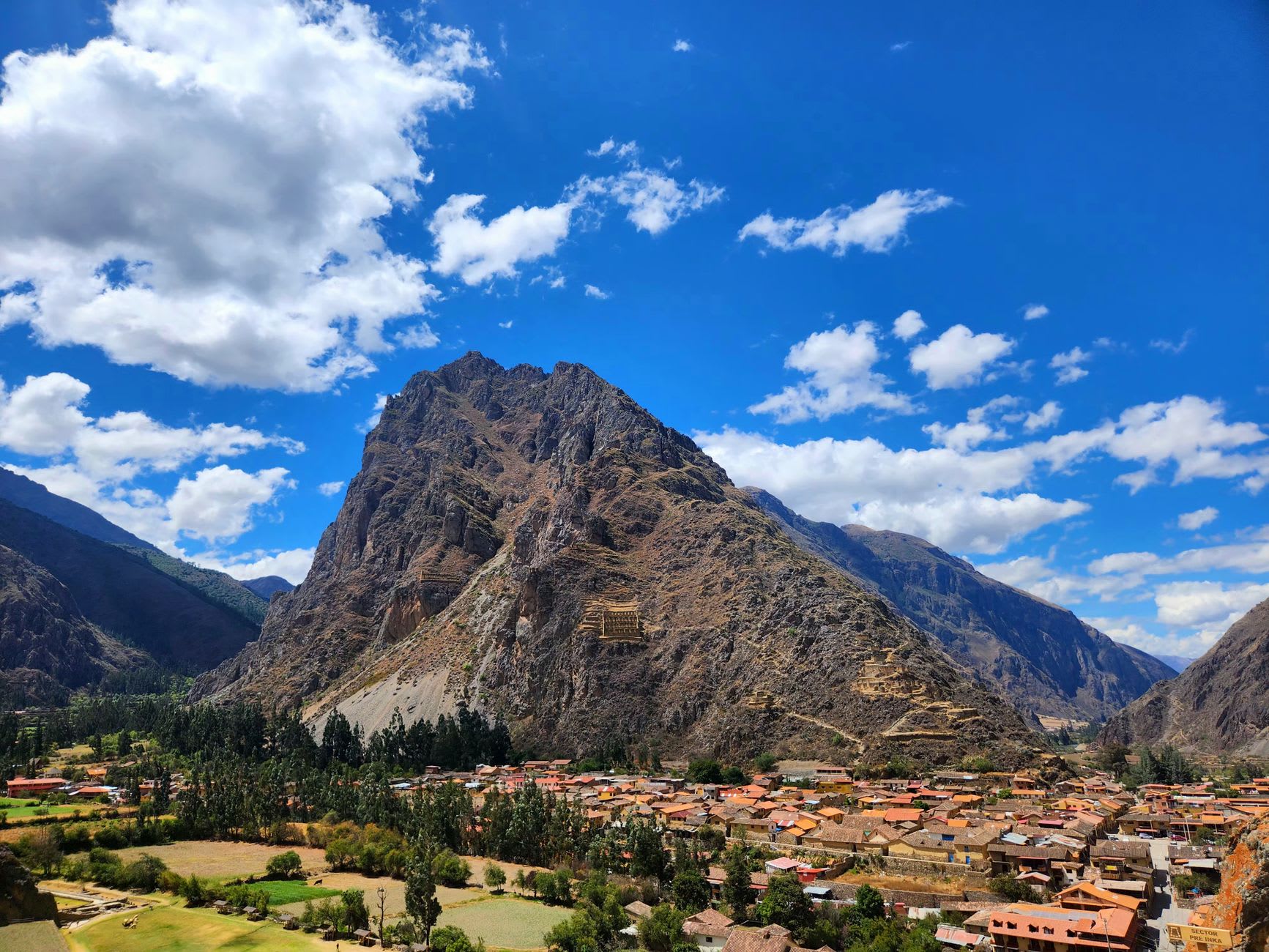
I almost missed Laguna Huaypo entirely — it doesn’t appear in most travel accounts of the Sacred Valley, and the road to it is unsigned in a way that suggests the local communities haven’t decided whether they want company at it or not. I found it by following a dirt track from the main Chinchero road based on directions someone in Urubamba had given me with the vague instruction “go past the third field after the house with the blue gate.” The instructions were precise enough. The lagoon appeared around a stand of totora reeds as I came over a small rise, and it was so still and so intensely blue in the morning light that I stopped walking and stood there without moving for a while, not wanting to break whatever the moment was.
At 3,800 metres, Huaypo sits on the Chinchero plateau above the valley floor. It is roughly kidney-shaped, perhaps three kilometres around, and surrounded entirely by agricultural land — potato fields, quinoa plots, and the occasional farmhouse with a dog that is serious about its territorial arrangements. The water is cold and clear, and fishermen from the surrounding communities work the edges in small flat-bottomed boats, standing with long poles, moving with a patience that perfectly matches the stillness of the water below them.
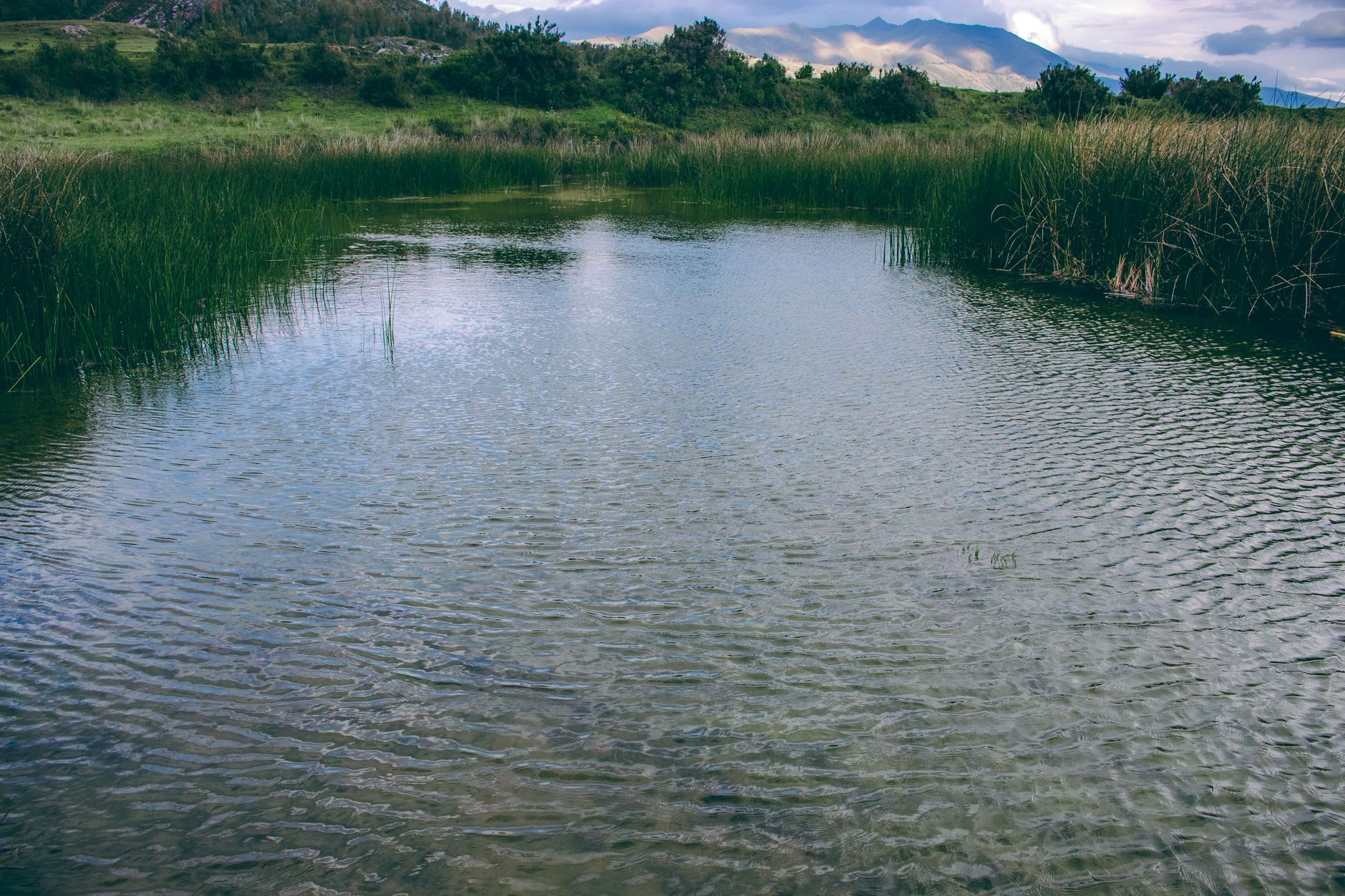
The walk around the lake takes about an hour if you follow the path that circles the shore. The path is unofficial — a worn track through grass and along field edges — and requires a tolerance for mud in the wet season and for the occasional genuinely annoyed dog. What it offers in return is a sequence of views across the water that change at every bend: the snowcapped peak of Chicón appearing and disappearing behind cloud, the reflections on the surface going from silver to cobalt as the sun moves, the totora reeds on the far bank catching the light like something deliberately arranged by someone with a good eye.
Ducks work the shallow margins in large unhurried groups. Ibises pick the boggy edges. Coots and grebes argue over territory in the reeds. The birdlife here is unhurried in the way birdlife becomes in places where humans do not yet come in sufficient numbers to disturb the rhythm of things.
There is no entrance fee and no visitor infrastructure. That could change. My advice is to go before it does.
When to go: Dry season (May–October) gives the best reflections and the most reliably clear views of Chicón and the surrounding peaks. In wet season the lake surface becomes choppy in the afternoon and the path around the shore gets genuinely muddy. Morning is right regardless of season — the stillness of the water and the quality of the early light make the reflections extraordinary, and the farming community is already at work by seven, giving the whole scene a lived-in quality that disappears once the day warms up.