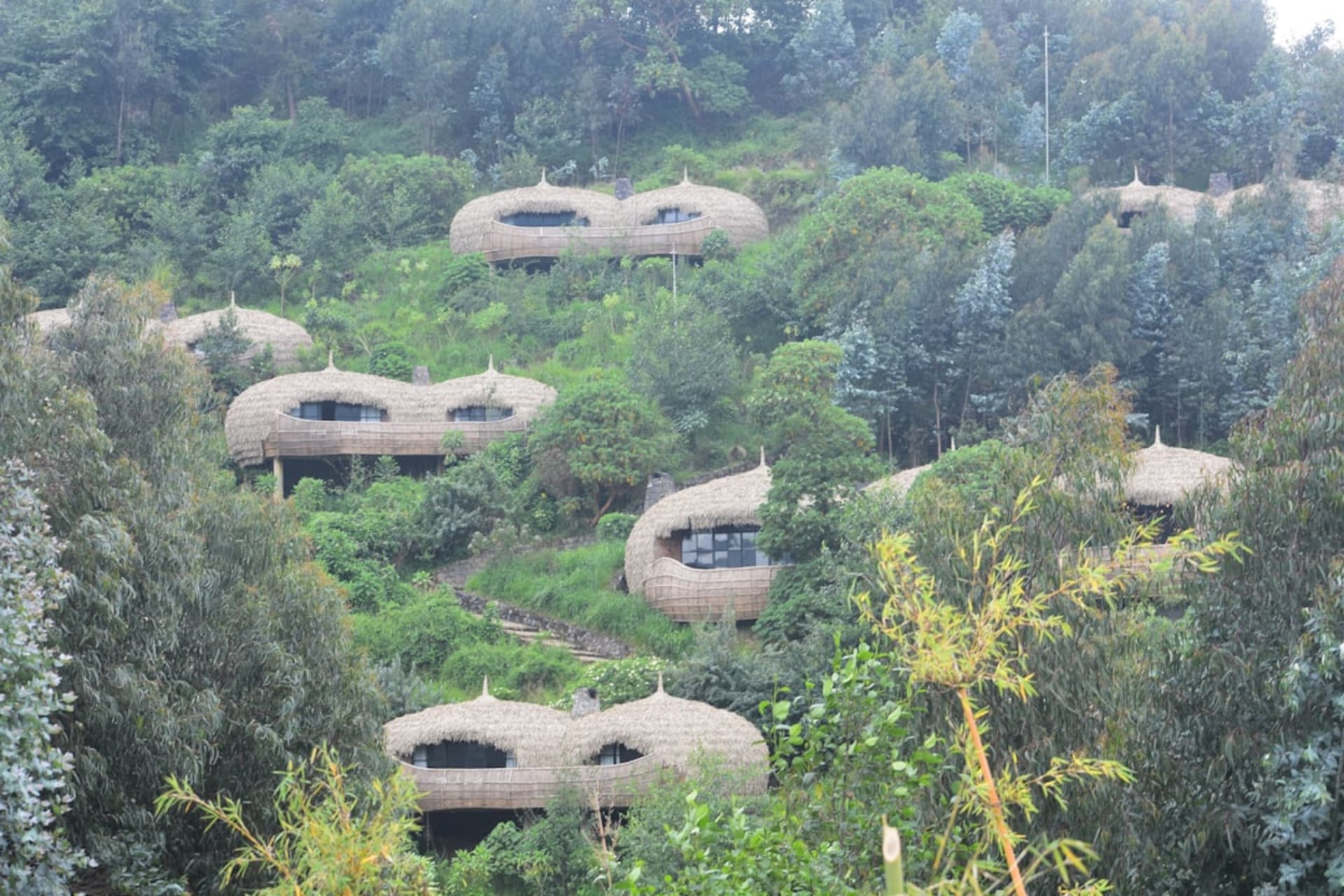
Volcanoes National Park
"He looked at me the way you look at something that is not quite your concern — patient, unbothered, complete."
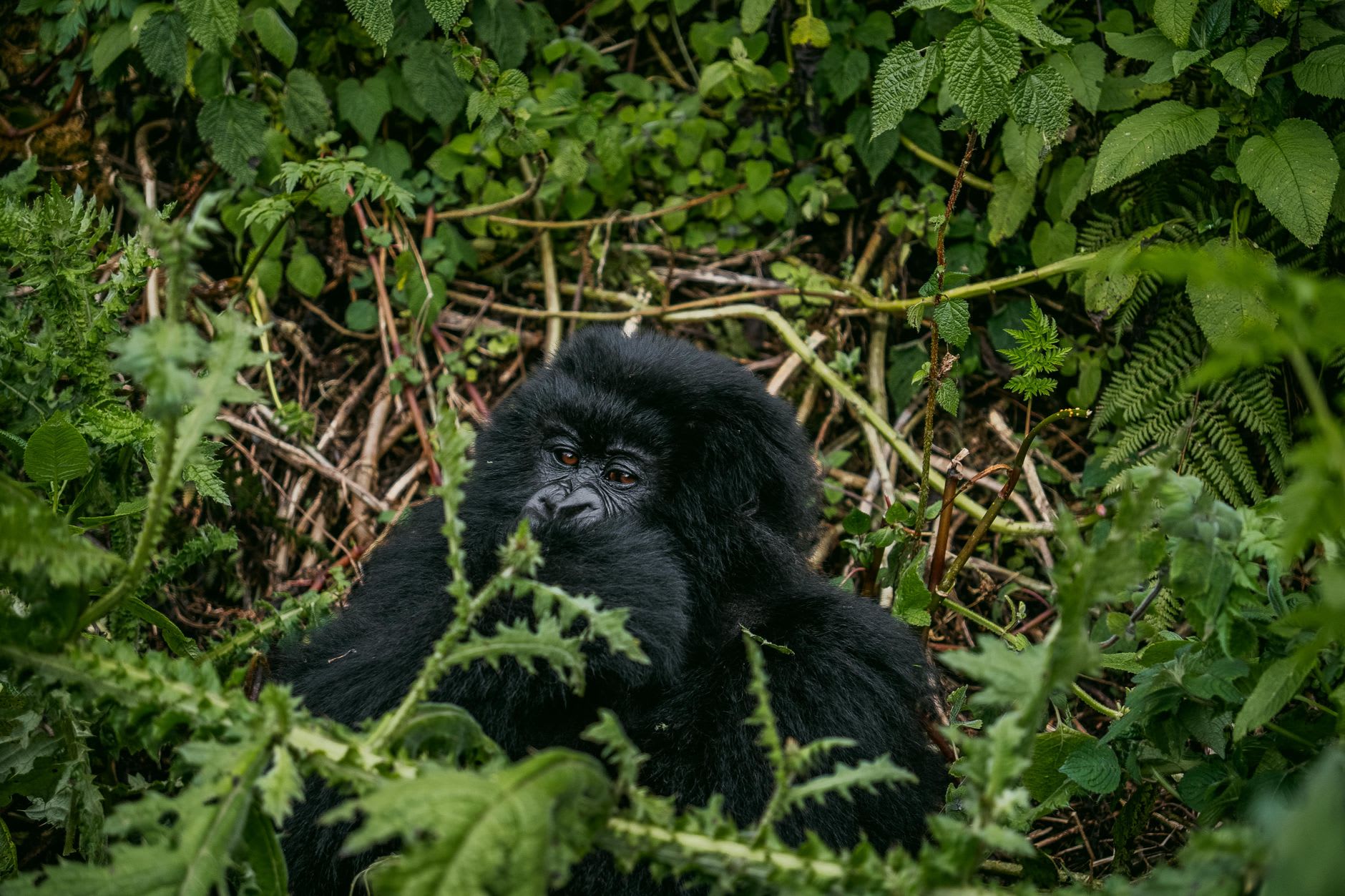
The permit costs five hundred dollars. I want to say that upfront because when I first heard it I balked, and then I went, and now I wish there was a stronger word than “worth it.” You pay and you get one hour — exactly one hour — with a gorilla family. You are not on a game drive. You are on foot, in the forest, at altitude, with mud on your boots and your lungs working harder than they expected. And then the tracker ahead of you stops, puts up a hand, and two meters to your left a juvenile gorilla is eating bamboo shoots and absolutely ignoring you.
The park protects the Rwandan side of the Virunga Massif — five dormant volcanoes running along the borders of Rwanda, Uganda, and the DRC. From the town of Musanze you can see Karisimbi and Bisoke on a clear morning, rising enormous and unhurried above the potato fields. The ascent through the buffer zone is an hour of stumbling through nettles and dense forest before the vegetation opens into the highland bamboo belt where the gorilla families move. My ranger carried a machete but barely used it. He spoke to the trackers ahead in soft radio bursts and then, suddenly, told us to stop talking entirely.
We found the Amahoro family — twelve individuals, including a silverback the trackers called Ubumwe. He was sitting upright in the undergrowth about three meters from the narrow path, turning a stem of vegetation slowly in one hand. The trackers kept us in a careful arc, always reminding us not to make direct eye contact for too long, not to mimic, not to raise our voices. A mother with an infant on her back moved through the brush ten meters beyond him. Two juveniles were wrestling in a way that seemed mostly theatrical. I stood there for the full hour, barely moving, forgetting to take photographs for long stretches because what was happening was better than any photograph.
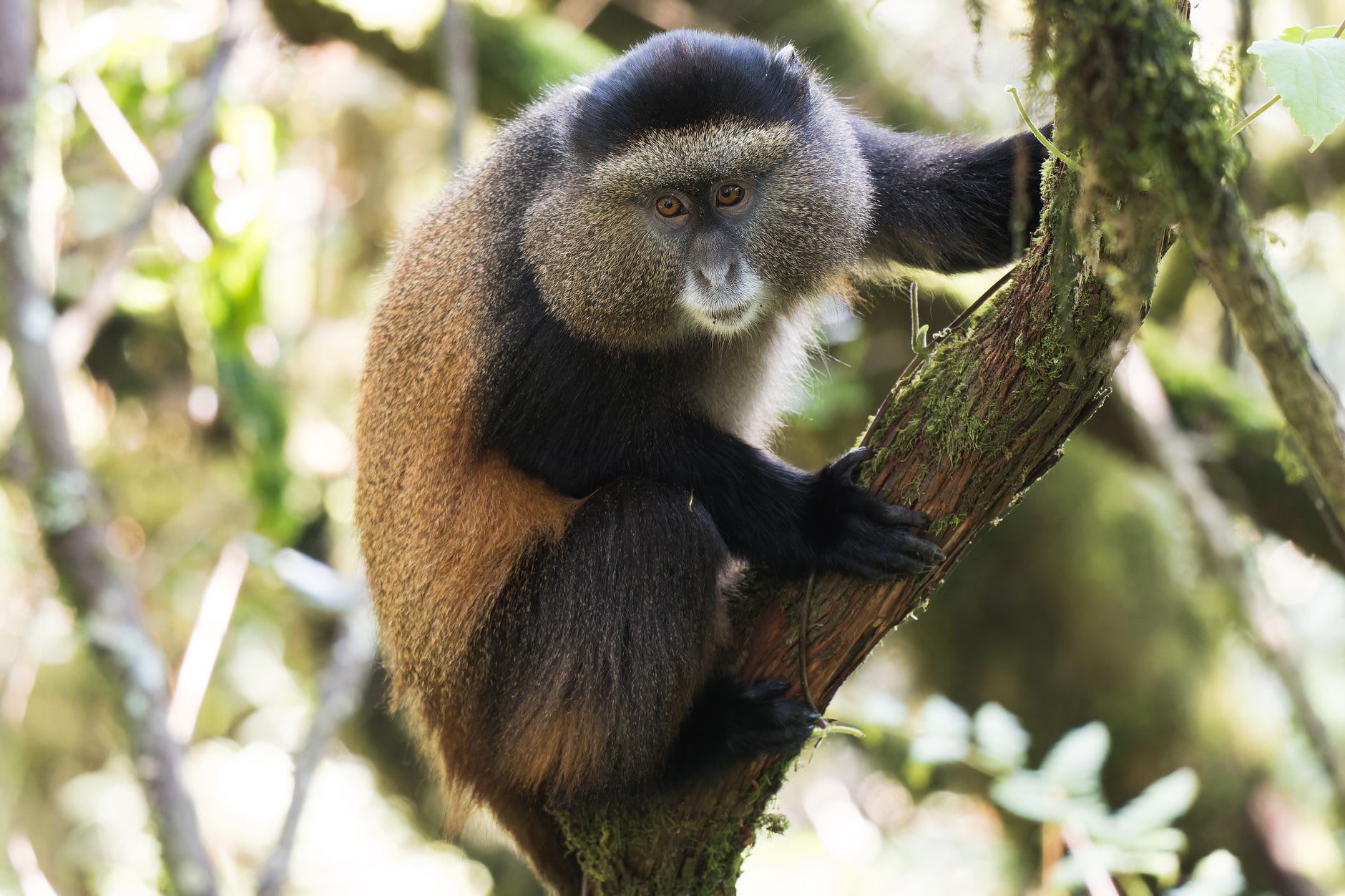
The park also harbors golden monkeys — vivid, quick creatures that flash through the bamboo in groups, rustling above you before you’ve properly registered their faces. Tracking them costs considerably less and takes less time, and they are more than worth a morning of their own. The hike up Bisoke volcano, a five to six hour round trip to a crater lake at the summit, is one of the better ways to spend a full day if your legs are willing.
The conservation story is genuinely hopeful. Mountain gorilla numbers have been increasing for two decades — a rare thing in African wildlife. The permit revenue goes directly into conservation and community benefits, and the trackers and rangers are mostly from local communities. It is one of the few wildlife tourism models where the economics are visibly aligned with the outcome.
When to go: June through September is the driest period and offers the most reliable trekking conditions. The vegetation is slightly lower, trails are firmer, and the volcanoes are more likely to be cloud-free. December through February is a shorter dry window. Book permits months in advance — they sell out consistently and cannot be secured at the gate.