Akagera National Park
"These lions didn't exist here twenty years ago. That fact made watching them more, not less, affecting."
Akagera occupies a different emotional register from the rest of Rwanda. In the north and west, the landscape compresses you — volcanoes, forests, the weight of altitude. Here in the east the country exhales into open savanna rolling toward the Tanzanian border, and the light changes completely: drier, hotter, more golden, the kind of horizontal light that makes the grasses glow. I drove in through the main gate at six in the morning and within twenty minutes had seen three elephants crossing the track in single file, which is the kind of entry that makes everything afterward feel like a reasonable expectation.
The park’s history carries the same complexity as the rest of Rwanda’s. In the aftermath of the 1994 genocide, Akagera’s wildlife was devastated — poached, settled by returning refugees, reduced from nearly three hundred thousand hectares to less than a hundred thousand. Lions were locally extinct. The conservation story that followed is one of the more remarkable in African wildlife: working with African Parks and the Rwandan government, the park was re-fenced, communities were engaged, and in 2015, seven lions were reintroduced from South Africa. They are now resident and breeding. Watching a lion in Akagera knowing this story adds a weight to the experience that straightforward wildlife tourism doesn’t usually carry.
The lake system is the park’s other defining feature — a string of papyrus-fringed lakes running along the valley floor that support hippos in implausible numbers, enormous crocodiles that move with disquieting speed from bank to water, and an extraordinary density of birds. I took a boat trip on Lake Ihema at dawn and in two hours counted fourteen species I hadn’t seen before — shoebills are here, improbably prehistoric and magnificent, standing alone in the papyrus with the patience of things that have been here since before memory. The boat moved quietly through channels between reed beds while herons launched themselves and fish eagles called from dead trees over the water.
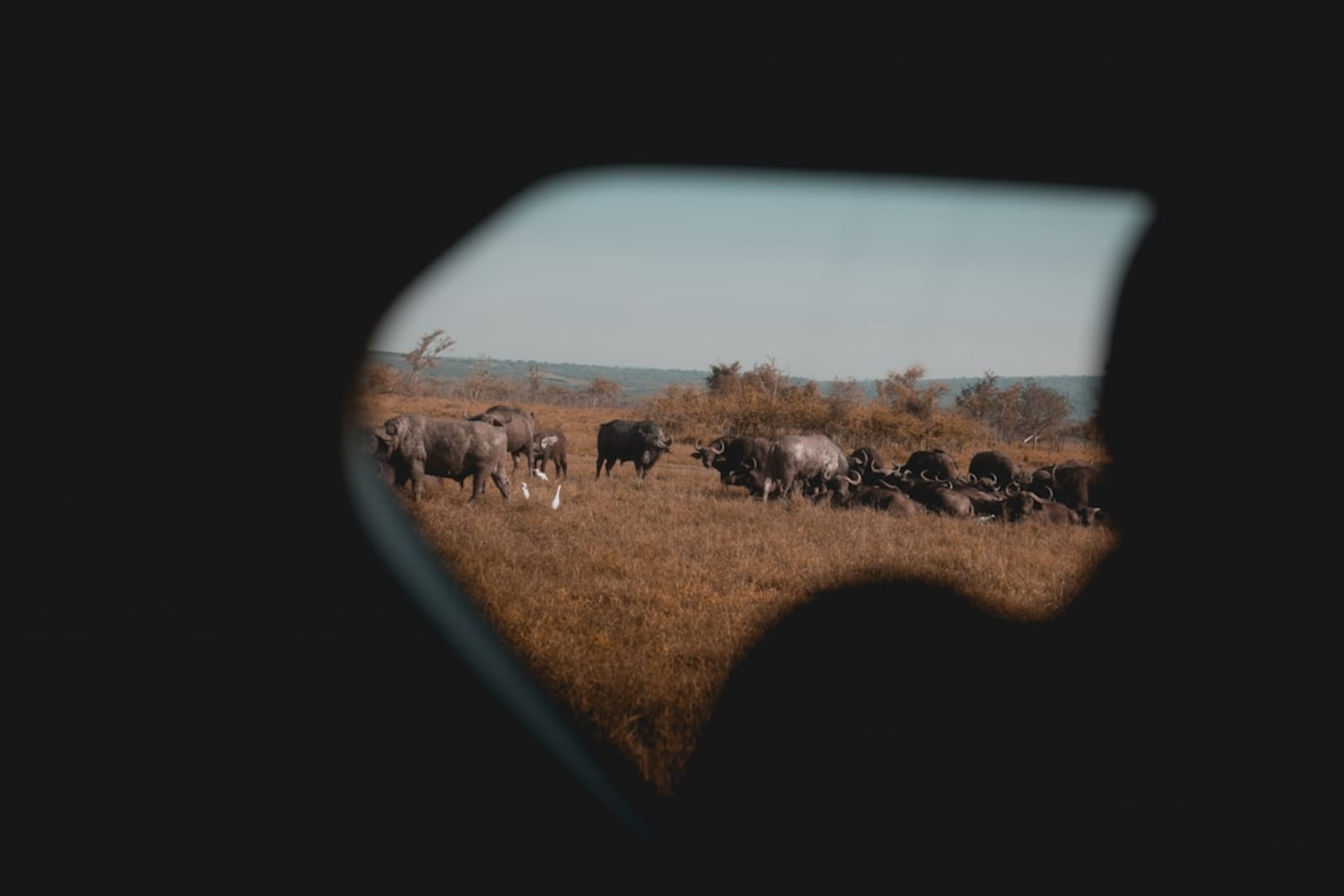
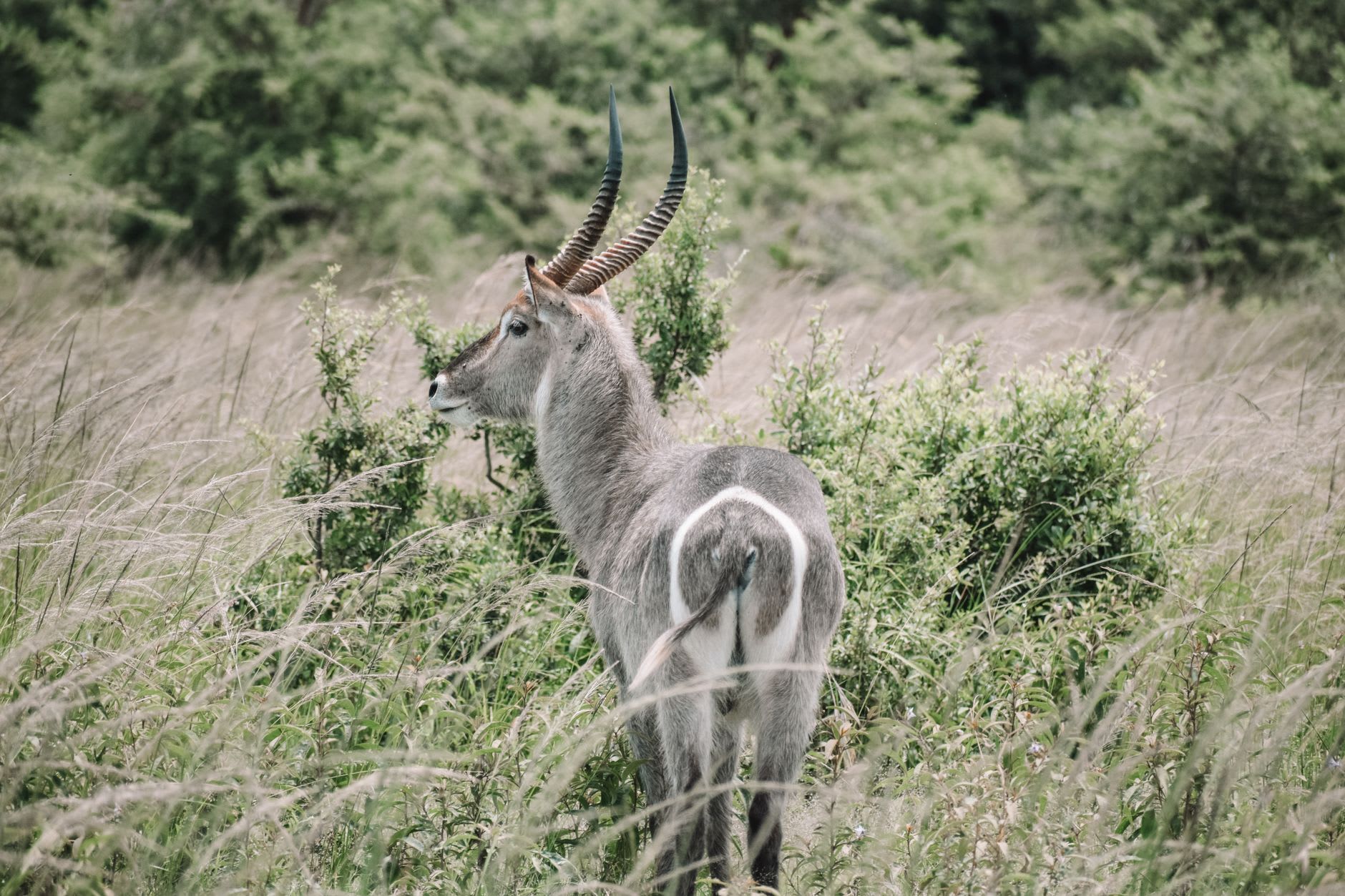
The landscape shifts through the day in a way that keeps you attentive. Topi antelopes in the morning on the ridge roads. Zebras coming to the lakeshores in midday. Buffaloes cooling themselves in the muddy shallows of the smaller swamps. The elephant population has grown to several hundred, and encounters on the track range from distant and placid to close and extremely attention-focusing. The park is not the Serengeti — it is smaller, less heavily trafficked, and still finding its feet — but that is largely its appeal.
I stayed in the park’s lodge on the lake, ate dinner on a terrace with hippos surfacing twenty meters from the edge, and woke at five to the sound of something large moving outside my room. Being in a place where the wildlife is coming back — where you’re watching an ecosystem reassemble itself — is a different thing from being in a park that has simply always been there. It asks something different of you as a witness.
When to go: June through September is the optimal dry season for game viewing — animals concentrate around water sources and the vegetation thins enough to improve visibility. The park is genuinely rewarding year-round but the long rains of March through May make some tracks impassable and reduce wildlife visibility. Book accommodation well in advance; capacity is limited and demand has grown sharply.