Suzdal
"In Suzdal I finally understood what a skyline looks like when nobody ever tried to win it."
A tiny Golden Ring town of nine thousand people and thirty churches, where no building has ever been allowed to outgrow a bell tower.
Lia and I got off the bus from Vladimir expecting a smaller version of what we’d just seen, and instead we found a place that felt like it had quietly refused the entire twentieth century. Suzdal has maybe nine thousand people living in it, and not a single building taller than a church bell tower — the town council apparently decided decades ago that nothing modern gets to compete with the skyline, and you feel that discipline the second you step off the bus. We’d booked a small guesthouse near the river with wooden shutters and a woodstove smell in the hallway, and that first evening we just walked, no itinerary, and kept turning corners into more onion domes than seemed statistically reasonable for a town this size.
The next morning we went straight for the Kremlin, the old fortified heart of the place, dating back to the 13th century when Suzdal wasn’t a sleepy tourist stop at all but the capital of the Rostov-Suzdal principality, before Moscow ever mattered. The Nativity Cathedral inside it stopped me in the courtyard — its domes are a deep blue scattered with gold stars, and Lia said it looked less like a roof than like someone had draped the building in a piece of the night sky. We stood there long enough that a groundskeeper raking leaves eventually gave us a curious look, but honestly I didn’t care; it’s the kind of thing you don’t want to photograph and move on from too fast.
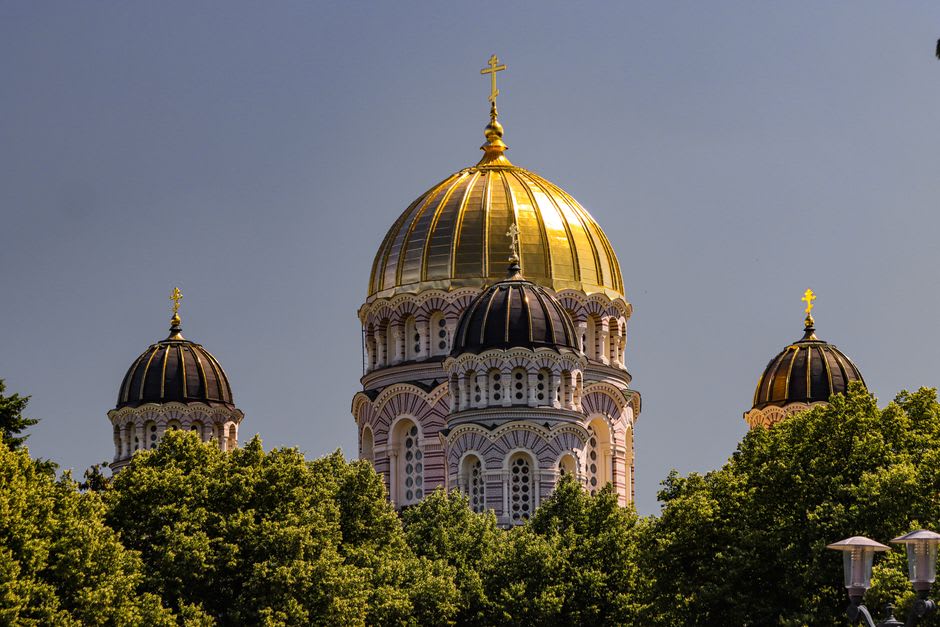
What I wasn’t prepared for was the sheer density of it all — Suzdal packs more than thirty churches and five monasteries into an area you can walk across in an afternoon, and after a while Lia and I stopped trying to see every single one and just let ourselves get lost between them, counting bell towers instead of street names. The one place we did make a point of reaching was the Museum of Wooden Architecture on the edge of town, an open-air collection of log houses, windmills, and a 17th-century wooden Church of St. Nicholas that was moved there piece by piece in the 1960s. Standing inside that church, smelling old pine and hearing the floor creak under my boots, felt more intimate than any of the stone cathedrals — smaller, rougher, built by hands rather than by empire.
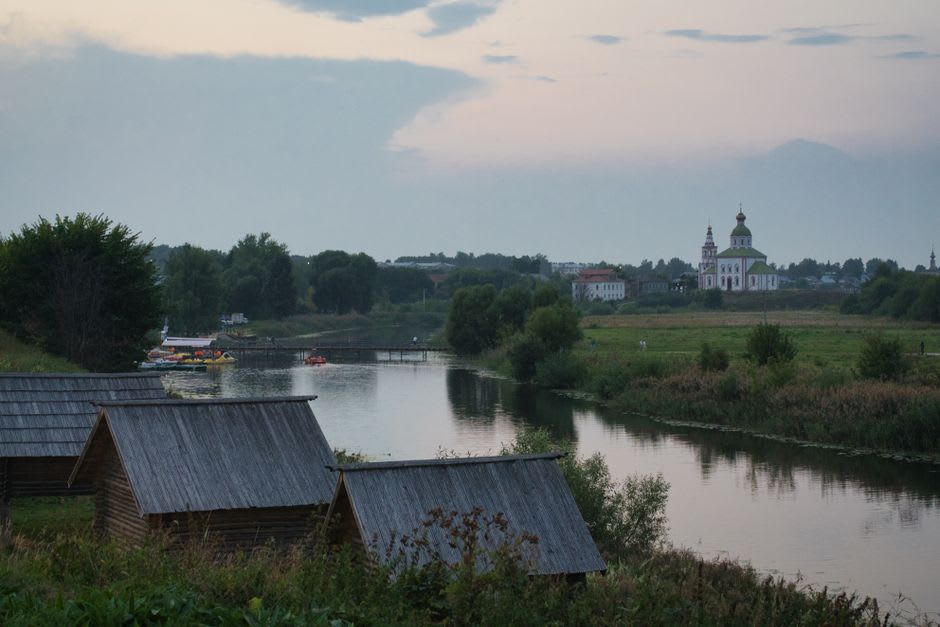
We ended the trip the way I think most people end a trip to Suzdal: slowly, with no real agenda, eating pickled vegetables and drinking medovukha — the local honey mead — at a riverside table while the light went gold on all those domes at once. It’s a town that’s been continuously lived in since at least the 10th century, and somehow it still feels lived in rather than preserved, which is a rarer thing than it sounds.
When to go: We were there in June, and I’d steer you toward late spring through early autumn — May to September — when the weather stays mild enough to spend whole days walking between churches and around the Kremlin without needing an extra layer.
Keep exploring
More from Russia
 russia
 Valaam Island
A monastery archipelago in Lake Ladoga where bells carry over the water and roughly 200 monks still keep the hours the old way.
Explore russia
 Veliky Novgorod
Russia's oldest city, where medieval frescoes still breathe inside churches that were ancient when Moscow was a forest clearing.
Explore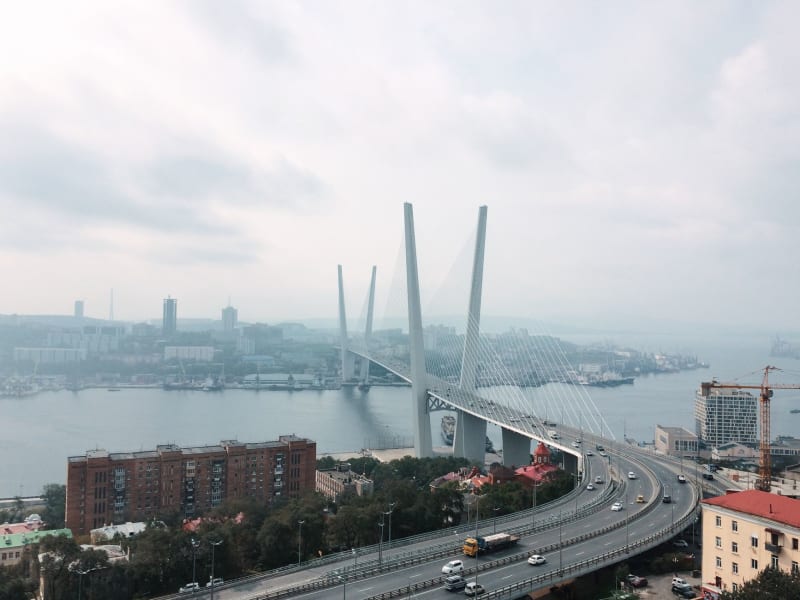 russia
 Vladivostok
The Pacific end of everything — where the Trans-Siberian terminates and Russia runs out of continent and stares at Japan.
Explore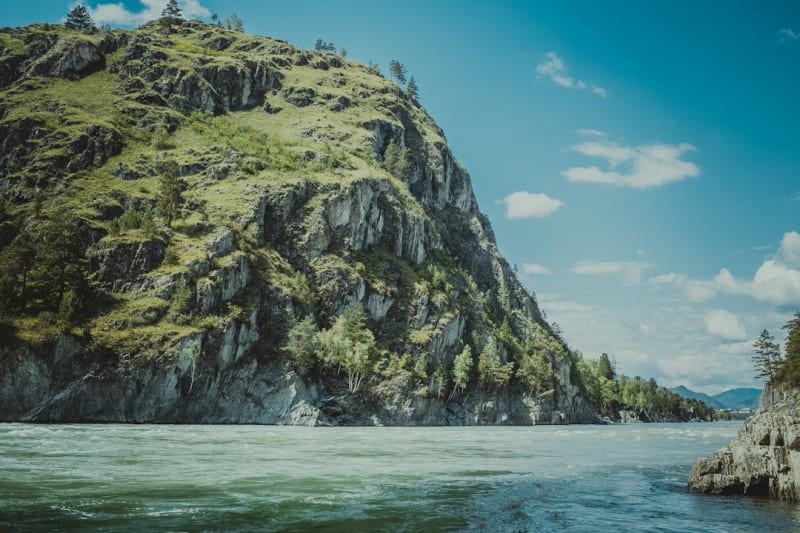 russia
 Altai Mountains
Siberian highlands where the Chuya Highway runs through a landscape so extravagant it feels constructed rather than geological.
Explore russia
 Irkutsk
A Siberian city of extraordinary carved wooden houses and unexpectedly good coffee — where Trans-Siberian passengers pause before the lake swallows them.
Explore russia
 Kamchatka
A peninsula where volcanoes still smoke at breakfast and brown bears own more of the landscape than humans ever will.
Explore