Lake Baikal
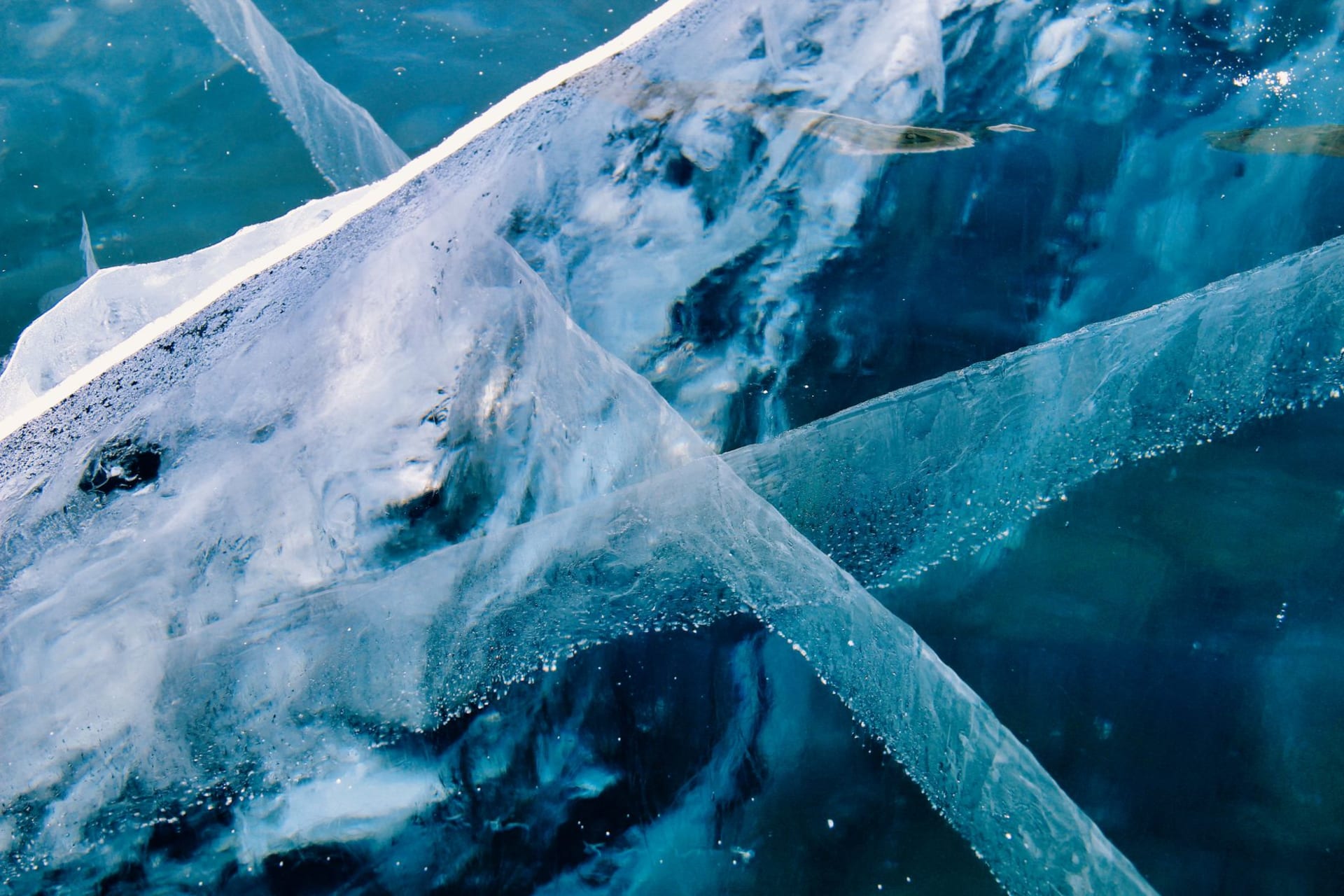
"The ice cracks like cannon fire in the night, and by morning it is so clear you can see thirty meters straight down."
We drove onto the lake in February. Our driver, a Buryat man named Ayur with a phone screen cracked in four places, steered his old Land Cruiser out onto the ice as calmly as if it were a parking lot, and for a moment I had the full-body conviction that I was about to die. Then I looked down through the ice at my feet. The lake was visible beneath me — not murky, not dark, but transparent in the way water in photographs is not supposed to be transparent in real life. Blue light fell into the depths like a corridor. A crack ran past the wheel on the left and the sound it made was somewhere between a rifle shot and a cello note, traveling horizontally across the ice at a pace you could almost follow with your eyes.
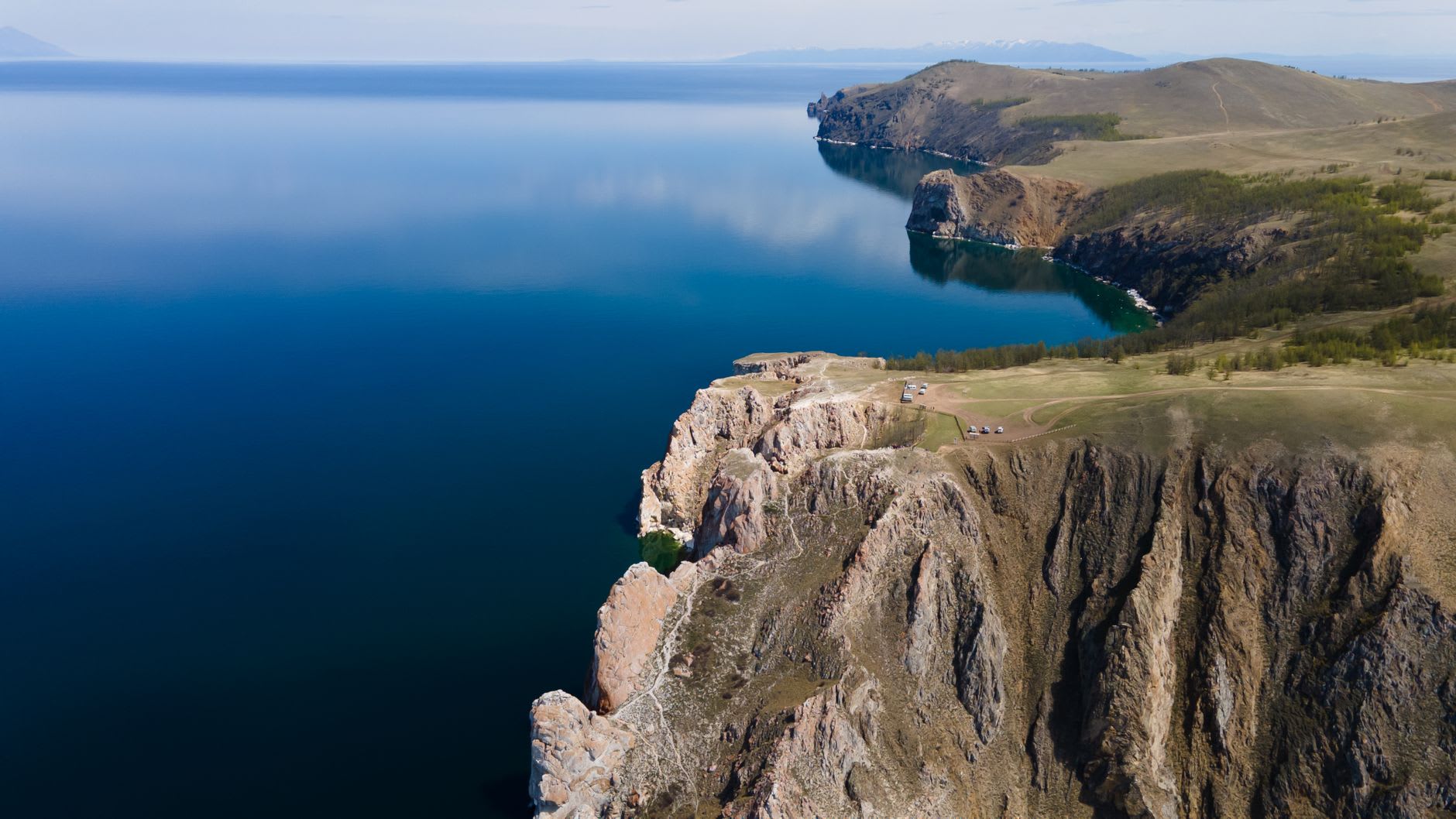
Baikal contains roughly twenty percent of the world’s unfrozen fresh water. It is 1,642 meters deep at its maximum point, which means it is deeper than any other lake on earth by a margin that makes comparison seem rude. These numbers mean nothing until you are standing on the surface in the cold and the ice beneath you is groaning and the opposite shore is forty kilometers away and you realize that what you are standing on is essentially a continent of water. The scale is the kind that doesn’t compress — you cannot take it in, you can only stand inside it.
Olkhon Island, reached by hovercraft in winter or ferry in summer, holds the spiritual center of Baikal for the Buryat people, for whom this is sacred ground, shamanic and ancient. The wooden guesthouses in the village of Khuzhir serve smoked omul for breakfast — omul being a fish found only in Baikal, pink-fleshed, delicate, tasting of cold and depth. I ate it every morning I was there. I ate it cold, with sour cream and black bread. I ate it standing up by the lake with my gloves off. Each time it tasted like the place itself.
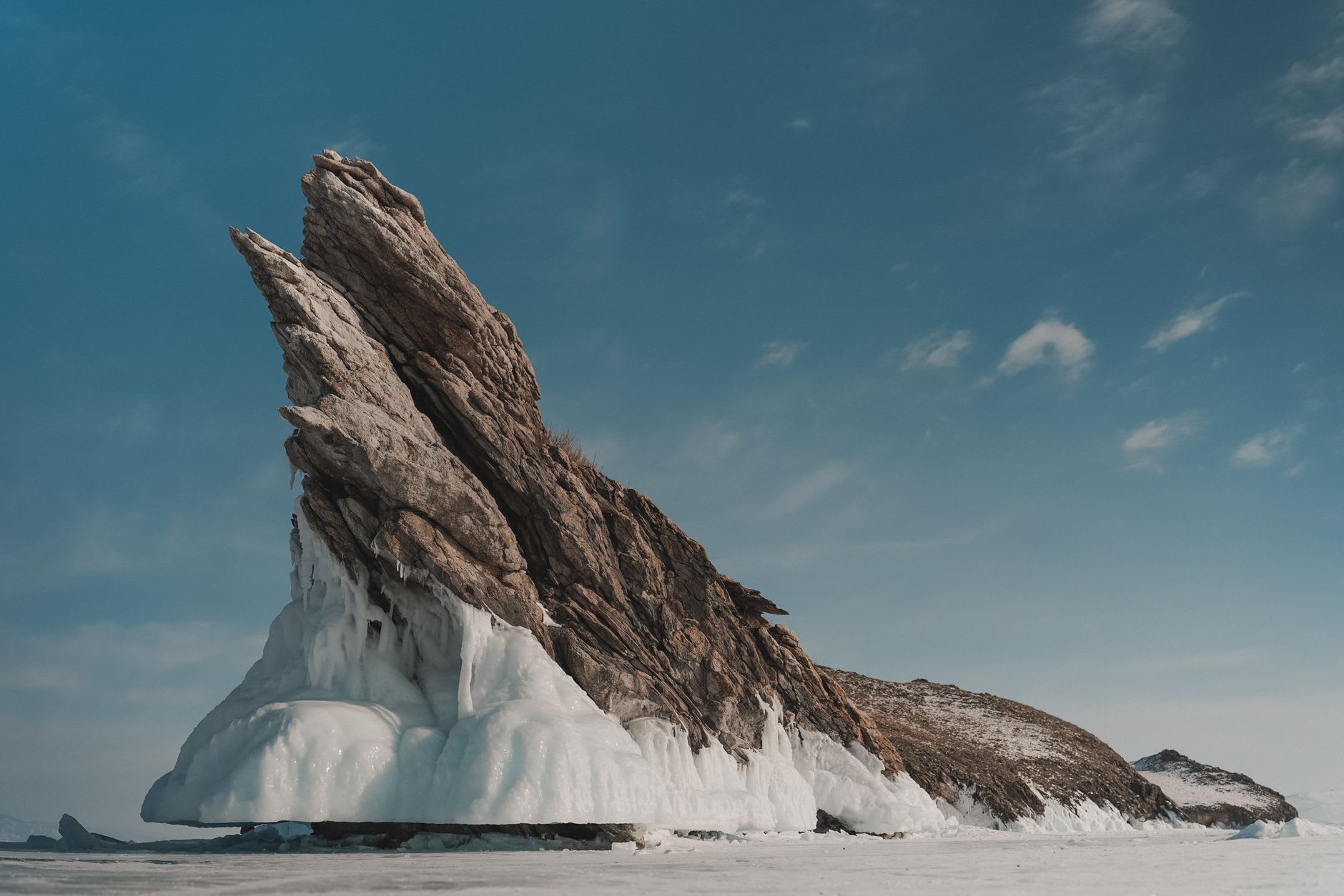
In summer, the water turns a blue that has no right being that color — somewhere between turquoise and sapphire, so clear that you can see the pebbled bottom at eight meters. The nerpa, the world’s only freshwater seal, surfaces occasionally offshore, blinked at and then ignored by the Buryat fishermen who’ve been fishing these shores for generations. Evenings on the eastern shore, where the taiga begins and the tourist infrastructure thins to almost nothing, carry a silence that functions almost like a sound — a presence, a pressure, a reminder that this is one of the places on earth that was not made with humans in mind.
When to go: February for walking on the ice and seeing Baikal in its most otherworldly state — the frozen transparency is genuinely incomparable. July through August for swimming, hiking, and the seal sightings; the water stays cold even in summer. September brings solitude and golden taiga on the slopes above the shore.