
Altai Mountains
"On the Chuya Highway at dusk, the road was empty for ninety kilometers and the mountains didn't move and I understood why people come here to disappear."
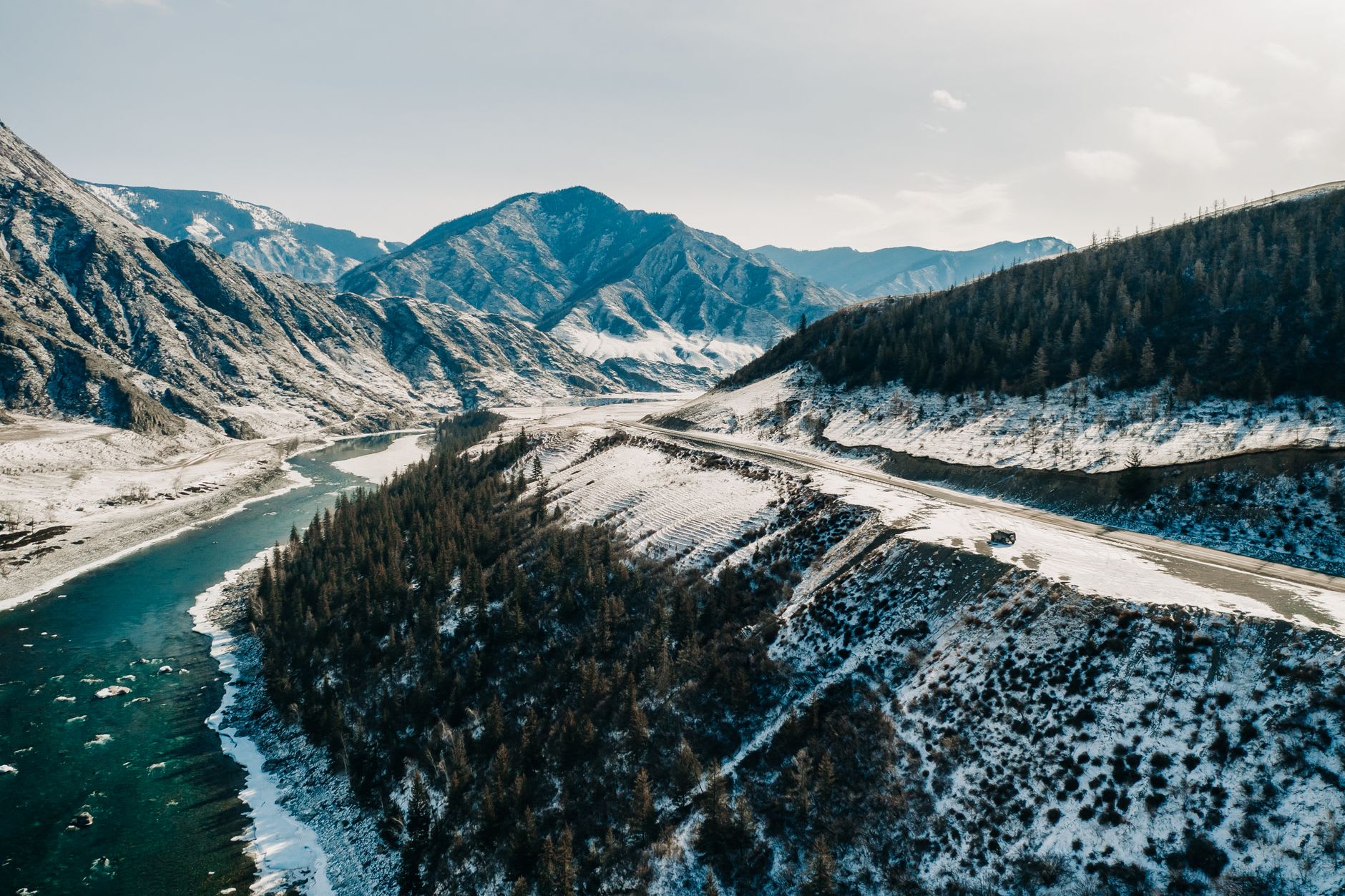
The Chuya Highway south from the city of Biysk is classified as a federal road, which in practice means it is two lanes of asphalt running through a landscape that makes the designation seem like a bureaucratic joke. I was four hours from Novosibirsk before the mountains began, and then they did not stop. The highway follows the Katun River for much of its length, and the Katun is a color that water is not supposed to be — a turquoise so saturated and specific it seems painted, a blue-green produced by glacial flour suspended in the current that the eye keeps adjusting to and failing to accept. We stopped every twenty kilometers to look.
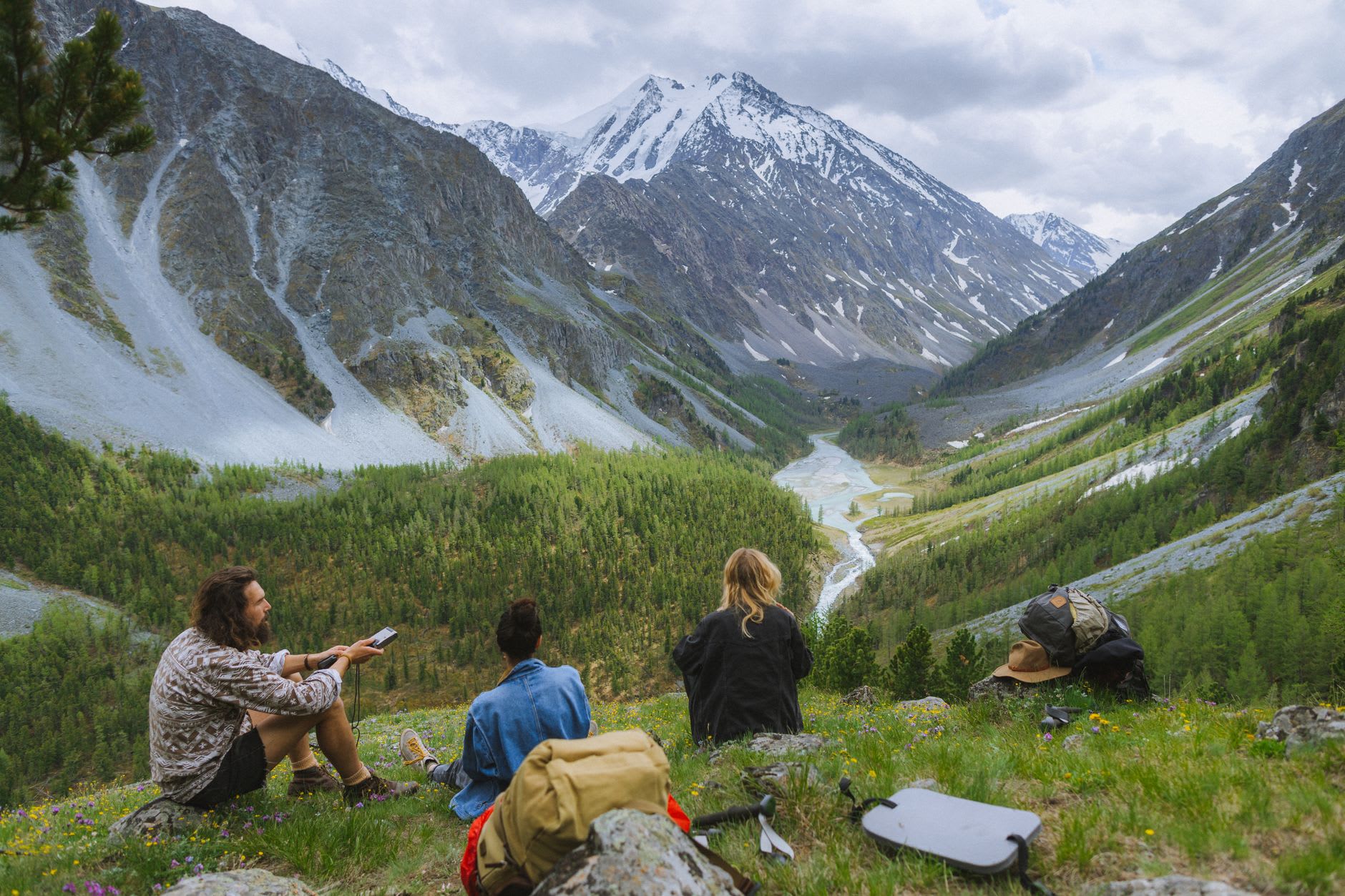
The Altai Republic is one of those Russian territories that most Russians have heard of and few have visited, which creates the specific freedom of an under-touristed landscape operating at full natural intensity. The Multinskiye Lakes, a cluster of high-altitude lakes reachable only on foot or horseback from the village of Multa, hold water the same glacial color as the Katun but surrounded by taiga and mountain meadow and, in September, birches turning the slopes gold. I hiked in with a guide named Dmitri, who had the Altai habit of saying nothing at all for long stretches and then producing an observation of great precision — the exact name of a flower I’d been staring at, the reason a particular rock formation looked the way it did. We drank tea from a thermos at the upper lake and he told me the water was potable straight from the surface and I drank it and it tasted of ice and distance.
The Altaian people have been living in these mountains since before recorded history, and their relationship to the landscape is neither the conservationist’s abstraction nor the tourist’s wonder but something more like ownership by familiarity. In the village of Chemal I stayed in a guesthouse run by an Altaian family who kept horses, spoke Russian as a second language, and served mare’s milk with breakfast not as a curiosity but as a beverage. The fermented version, kumis, tastes like slightly sour yogurt with an unpredictable alcoholic afterthought. It grows on you. By the third morning I was drinking two bowls.
The highest point in Russia west of the Caucasus, Mount Belukha at 4,509 meters, sits in the remote southeastern corner of the Altai Republic near the border with Kazakhstan. Getting close to it requires several days on foot or horseback, appropriate guides, and the willingness to be very far from anything. I did not make it. I got to about fifty kilometers’ distance, near the Katun’s source, and stood in a meadow with Belukha’s glacier visible on the horizon, and decided that this was already more than I had any right to expect from a landscape.
When to go: June through September for hiking, horseback riding, and river access. July and August are peak season with crowds on the Chuya Highway. September is the finest month: golden birches, clear skies, no mosquitoes, and a light that seems to come from inside the mountains rather than above them.