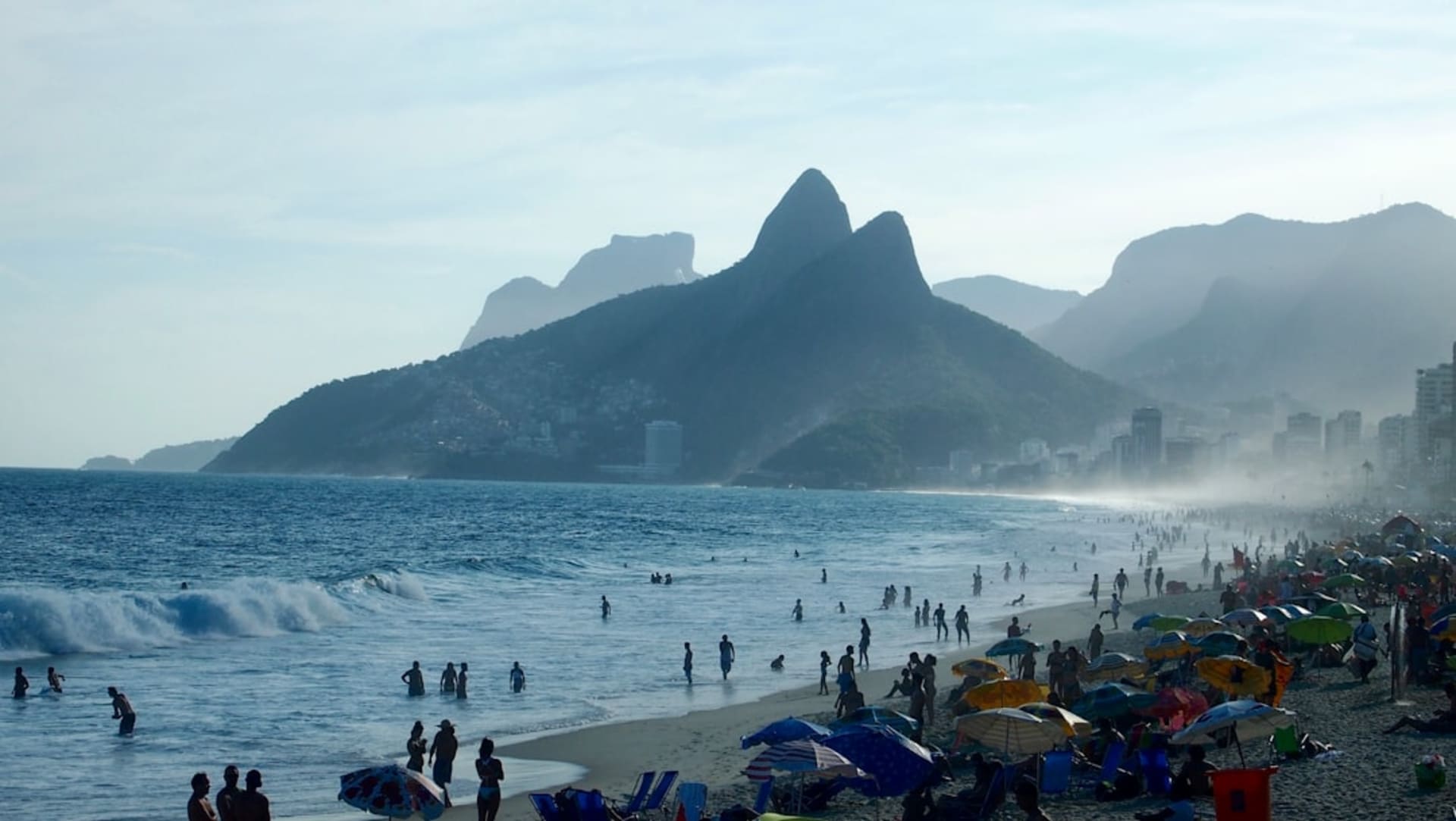
Praia do Cassino
"I've stood on a lot of beaches. I've never stood on one that simply refuses to end."
A 254-kilometer ribbon of sand where the South Atlantic meets Brazil's southernmost coast, endless and unhurried.
Lia found the statistic before I did, reading it out loud from her phone while we were still driving down from Pelotas: 254 kilometers, the longest sandy beach in the world, according to Guinness. I remember laughing, thinking it had to be some technicality, a stretch of coast cobbled together from smaller beaches to win a record. Then we parked near the old seafront promenade in Cassino and walked out onto the sand, and I understood. There was no boundary in either direction. Just flat, pale sand and a gray-green ocean rolling in slow, wide waves, and nothing marking where the beach might stop.
We were staying in a small pousada a few blocks back from the water, close enough to hear the surf at night. Rio Grande, the city Cassino serves as a beach resort for, felt almost incidental once we were down on the sand — the town’s presence recedes fast out there. What struck me instead was how old this place felt as a destination. Cassino has been drawing bathers from Rio Grande and Pelotas since the late 1800s, and you can feel that history in the seafront itself: a promenade with worn concrete edges, a lighthouse standing slightly apart from everything else, both looking like they’ve watched a hundred summers of families doing exactly what we were doing.
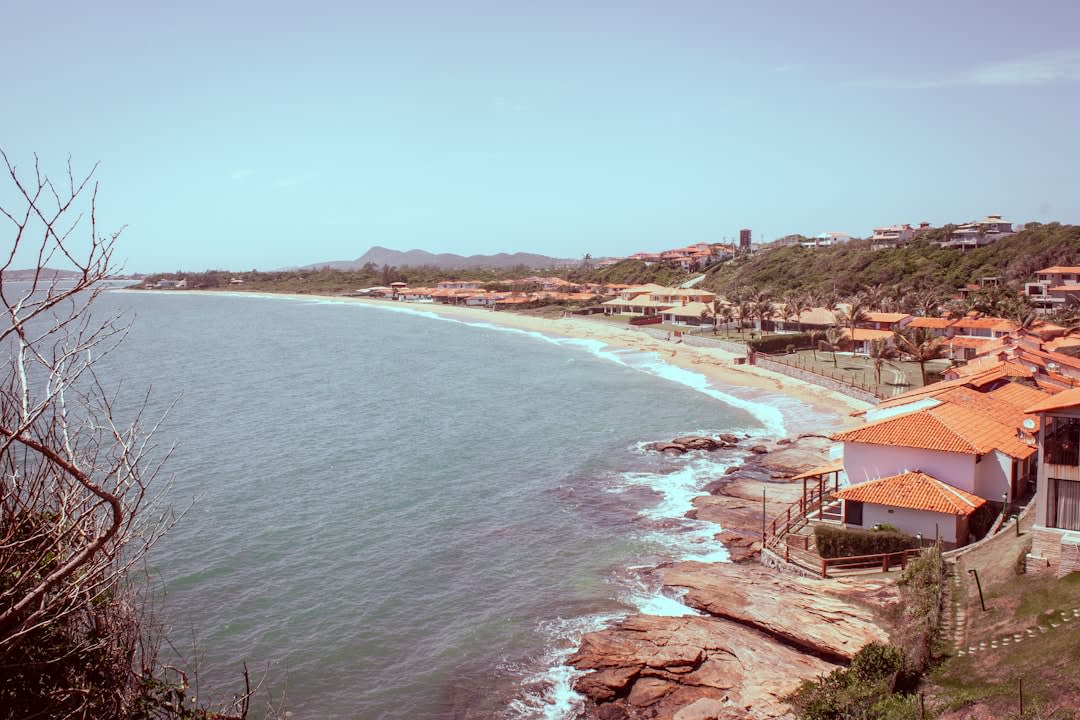
One afternoon we walked north instead of swimming, past where the crowds thin out, toward the wetlands that edge the beach near the mouth of the Patos Lagoon. Lia spotted a cluster of shorebirds working the tideline, unbothered by us, and I remember thinking about how this same flat, shallow coast that makes for such easy, gentle swimming is also part of a much bigger system — a migration corridor that has nothing to do with tourists at all. It made the beach feel less like a resort and more like a place we were only briefly passing through, on loan.
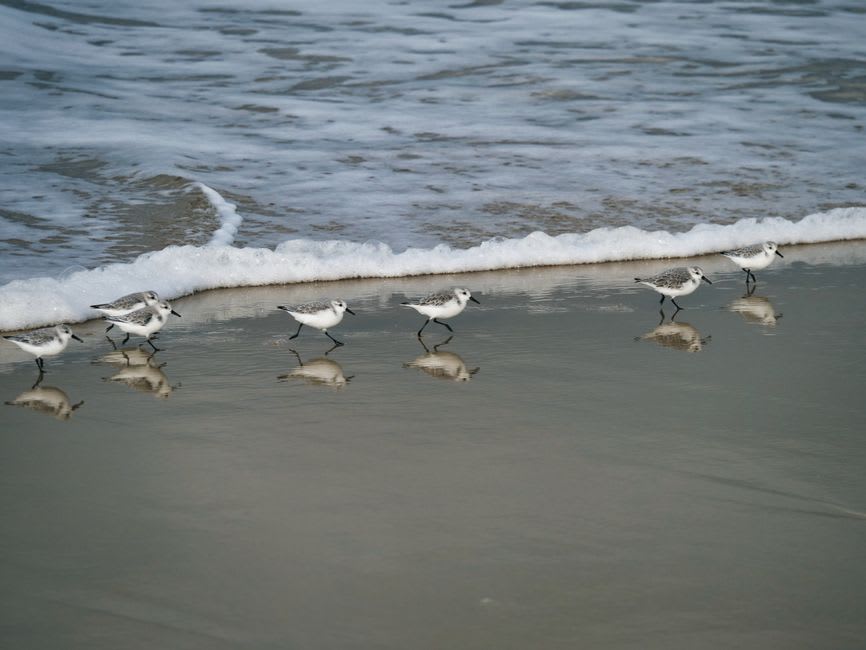
By our last evening we’d fallen into the same rhythm as everyone else on that beach: walk out until the crowd disappears, wade into water so shallow you can go out fifty meters and still touch the bottom, then sit and watch the light change over an ocean that stretches, unbroken, farther than either of us could really picture.
When to go: Aim for January or February — Southern Hemisphere summer — when the water is warm enough for long, lazy swims and the wide, flat sand finally makes sense as a beach and not just a windswept expanse.