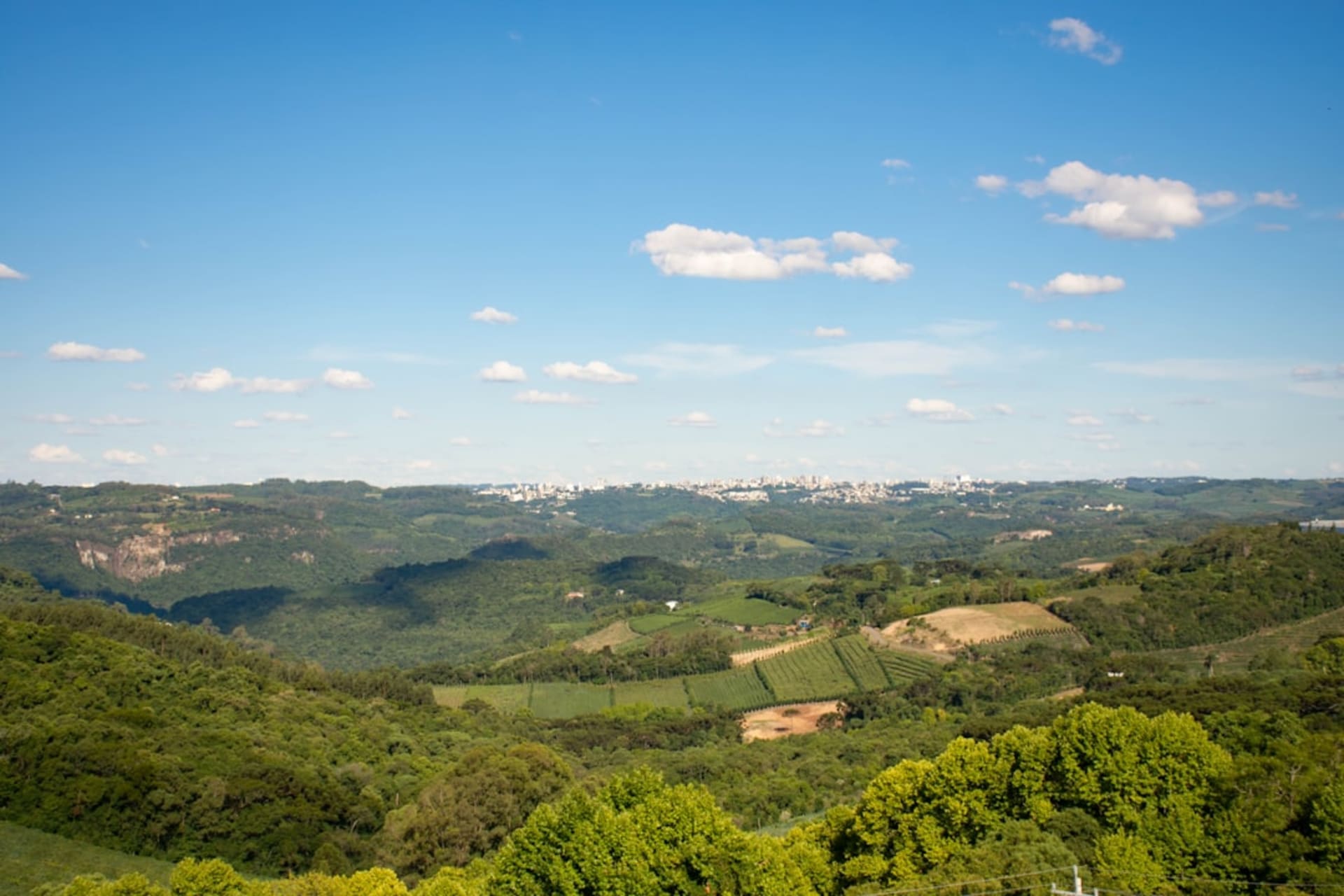
Pelotas
"Pelotas taught me that sugar can be a form of architecture — these sweets are built, not merely made."
Pelotas announced itself through a bakery window. I was walking along the Rua XV de Novembro in the historic centre, half an hour after arriving by bus from Porto Alegre, and the confeitaria window contained a display so architecturally improbable — pyramidal towers of bem-casados, trays of papos-de-anjo sitting in their syrup, organized rows of ovos-moles in fluted paper cups — that I stopped walking and stood there for a full minute reassessing what I knew about sugar. Pelotas is the city where the Portuguese-Brazilian confectionery tradition reached its most elaborate expression, shaped by egg-yolk-and-sugar recipes that arrived with Portuguese nuns and then found in the beef-farming economy of the Pampas a perpetual supply of eggs, fat, and time.
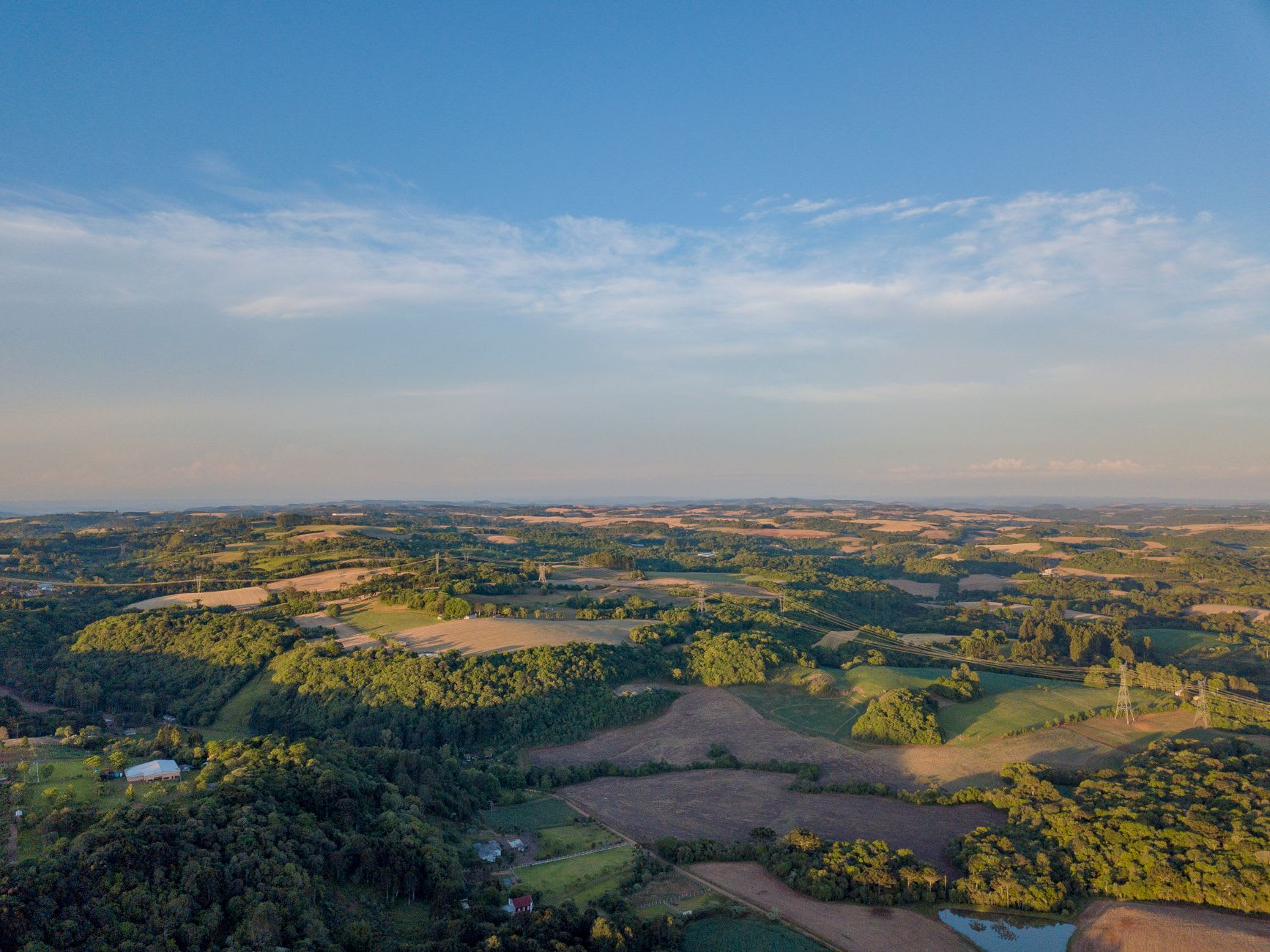
The historic centre is where the city’s nineteenth-century prosperity made its most permanent statement. The charqueadas — the beef-jerky operations that powered the regional economy and produced fortunes from salted meat shipped to Rio and Bahia — generated a merchant class that built in a style mixing Italian and Portuguese influences with a local grandiosity that has aged with surprising grace. The Cultural Pelotas building, formerly the City Hall, has a facade of such extravagant plasterwork detail that it takes several passes to fully inventory. The Casa 8 cultural centre, installed in a restored mansion, repays an afternoon’s wandering through its exhibition rooms, where the collections shift between colonial furniture, contemporary art, and documentation of the city’s particular social history. The streets are wide and slightly cracked and the trees are old enough to have settled opinions about the heat. I walked the Praça Coronel Pedro Osório in the late afternoon, the light coming horizontal through the rubber trees and the wrought-iron benches occupied by the particular mix of retirees and students that seems to be a Pelotas constant, and felt that this was a city that had decided to take its own history seriously without becoming suffocated by it.
The churrasco at one of the traditional churrascarías near the centre pulls the gaucho tradition into direct focus — the corte gaúcho, the specific regional way of cutting the meat before it goes onto the grill, the farinha de mandioca and feijão that arrive automatically and keep arriving. The weekly market along the waterfront near the Canal São Gonçalo brings farmers from across the southern Pampas with dried herbs, cured meats, and varieties of root vegetables I couldn’t identify but bought anyway.
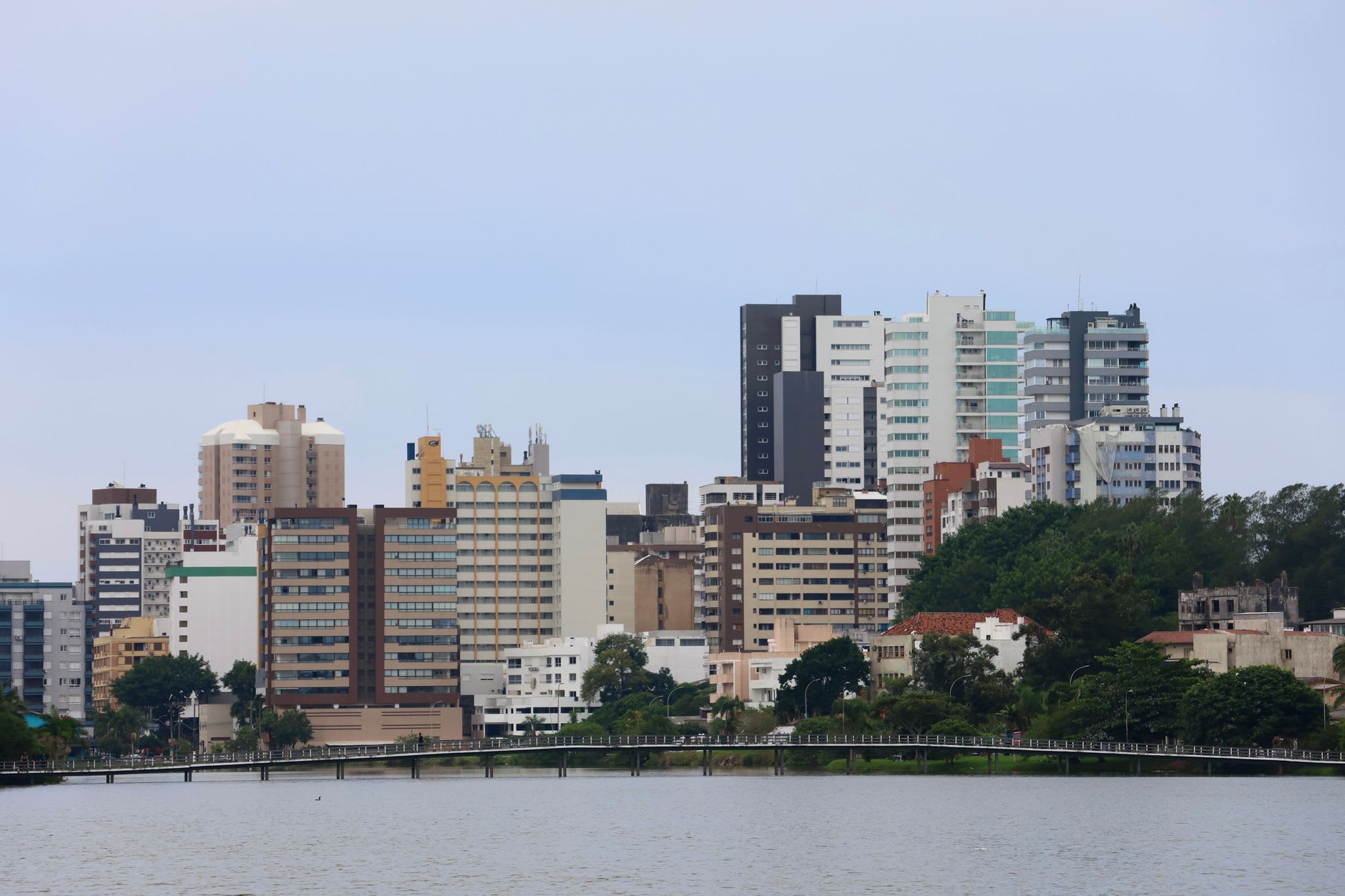
But the sweets — back to the sweets. The tradition here is called doceria pelotense and it holds a protected designation and a cultural registry and an annual festival, and none of that administrative attention captures what happens when you eat a canjica made by someone who learned the recipe from a grandmother who learned it from hers. The Portuguese egg-yolk confections were adapted over two centuries by Italian and German immigrant communities who brought their own preservation and pastry techniques, and the result is genuinely its own thing — something that exists nowhere else with exactly this combination of textures, sweetness levels, and the faint bitterness of egg yolk underneath everything that keeps it from becoming cloying.
When to go: March through November is comfortable — the summers in the Pampas can be ferociously hot and humid. The Fenadoce festival in October is the main confectionery event, drawing producers from across the region and worth timing a visit around if sweets are your primary motivation, which after one afternoon in Pelotas they will be.