Gramado
"Gramado should feel like a theme park. The fact that it mostly doesn't is its greatest trick."
The first thing you notice in Gramado is the cold — not the winter cold of necessity but a kind of cultivated cold, the town having arranged itself into steep cobblestone streets and chalet architecture precisely to give the cold somewhere useful to be. I arrived in July, which in the Serra Gaúcha is frost weather, and the street lamps were wrapped in pine branches, and the hydrangeas — which bloom here in absurd profusion against every wall and fence — had the dusky blue of things caught between seasons. The whole town smelled of chocolate. Literally. A confeitaria on the main avenue had its window open and the heat from the roasting kettle inside was moving out over the pavement like a warm front, and I walked into it without deciding to.
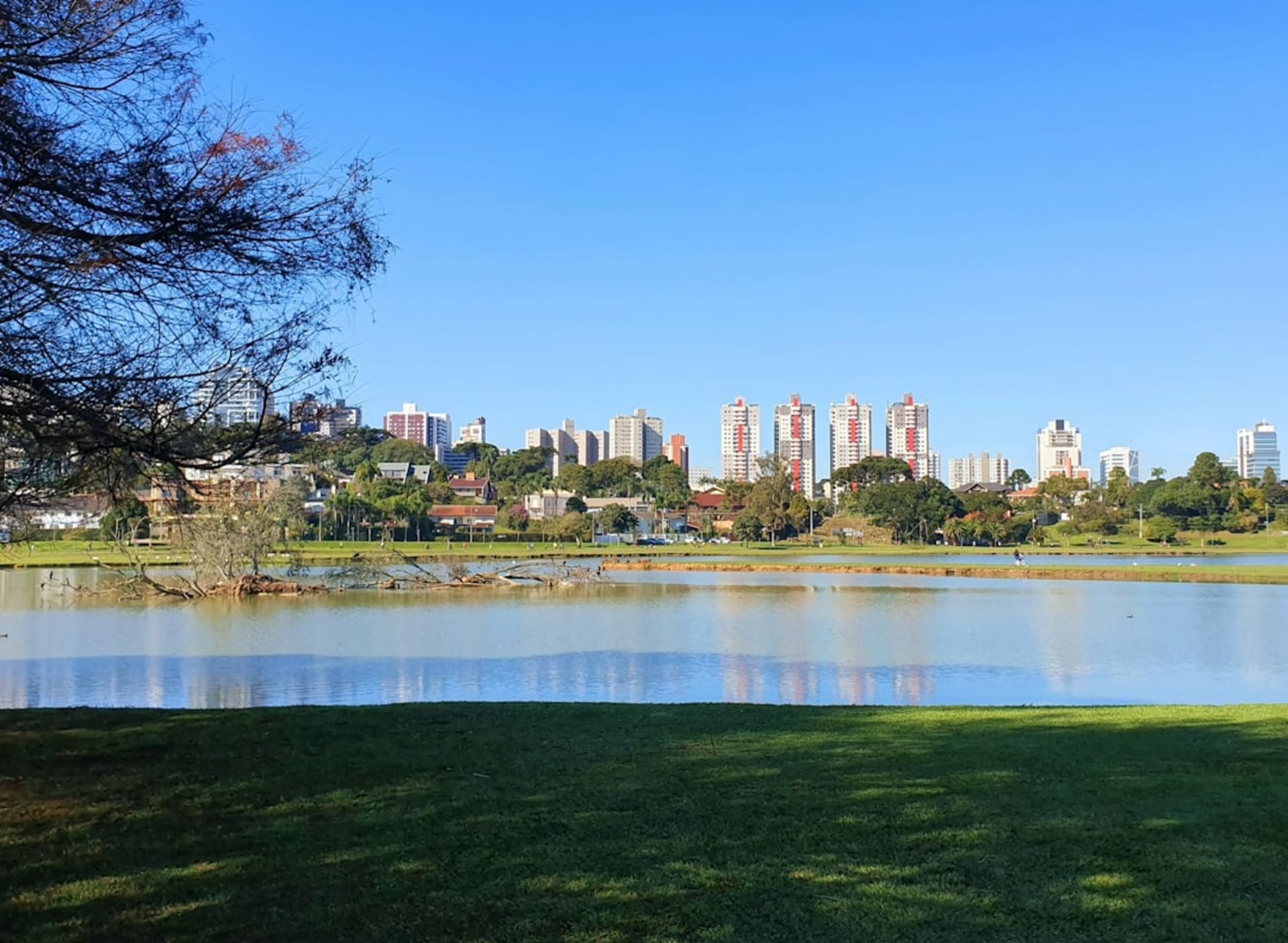
Gramado shouldn’t work as a place. It is brazenly, unabashedly a tourism construct — a Bavarian village that was never Bavarian, populated by the descendants of German and Italian immigrants who arrived in the late 1800s and built what they remembered or imagined of home in the Brazilian highlands. The result ought to be theme-park hollow. What saves it is the landscape, which is not simulated. The Serra Gaúcha rising behind the town with its Atlantic Forest cloud-cover and its waterfalls and its basalt canyon country further south is absolutely real, and when the mist drops in the morning and the wooden storefronts disappear into it, the whole thing achieves an accidental sincerity. I spent a morning at Lago Negro, the artificial lake at the edge of town where couples rent paddle-boats and the araucária pines stand chest-deep at the water’s edge like sentinels who have been there since before the tourists. The light was flat and grey and the ducks were entirely unbothered by the people photographing them. I sat on the bank for an hour and did not photograph anything and found that more satisfying.

Fondue appeared on every menu I consulted in this town, and I ate it twice — not out of irony but because the cheese was genuinely good and the potatoes that came alongside had been cooked in something smoky I couldn’t identify and didn’t ask about, which is usually the right choice. The chocolate industry here has its own ecosystem. Lugano, Prawer, Caracol — brands that Brazilians from São Paulo and Rio make pilgrimages specifically to purchase, filling additional suitcases at the airport with boxes of bonbons and pralines. I tried to be sophisticated about it and failed. The hazelnut chocolate from a small artisan shop near Avenida Borges de Medeiros was the best I’d eaten anywhere in South America, and I say this having eaten a considerable amount of Chilean and Argentinian chocolate along the way. The cold, the altitude, the European inheritance — it all adds up to something that actually earns its reputation.
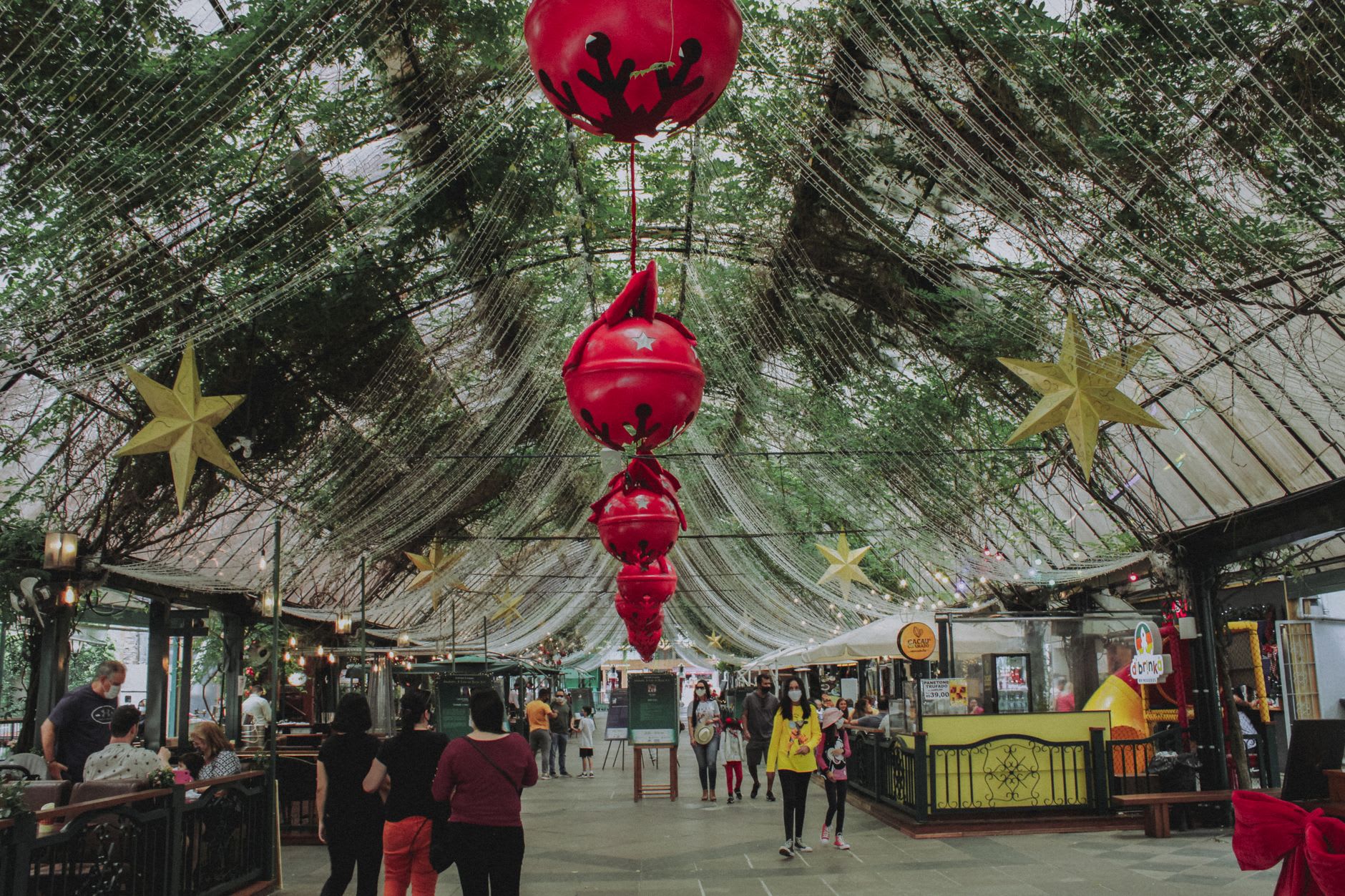
When to go: June through August is the height of winter, cold and atmospheric, and the town goes full Christmas-in-July for the Natal Luz festival running from late October through January. April and May are quieter and still beautiful — golden light on wet stone and the town back in the hands of its residents rather than its visitors.