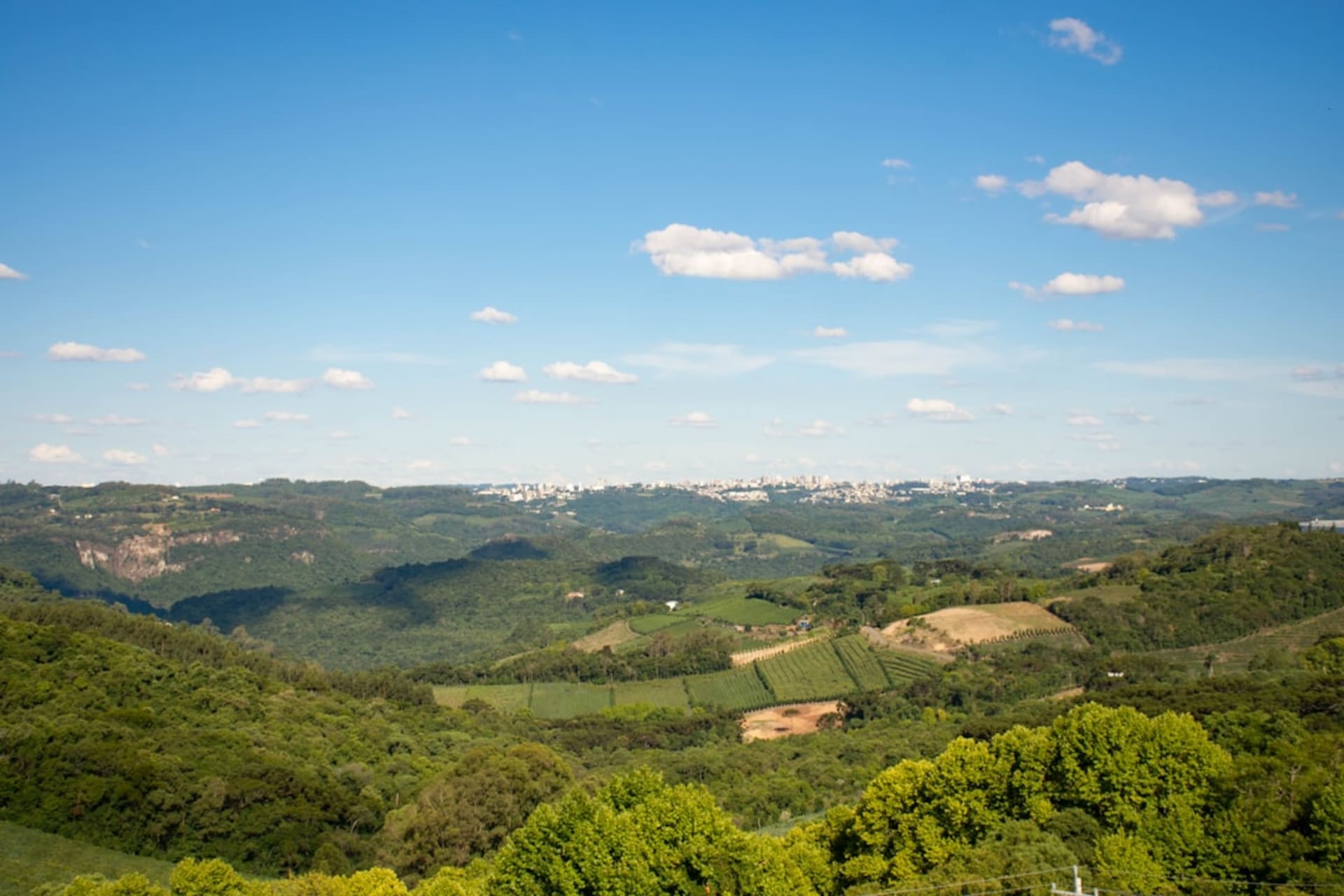
Cânion Itaimbezinho
"There is a moment at the canyon rim when your brain simply refuses to process the depth. I stood there for a while, not thinking."
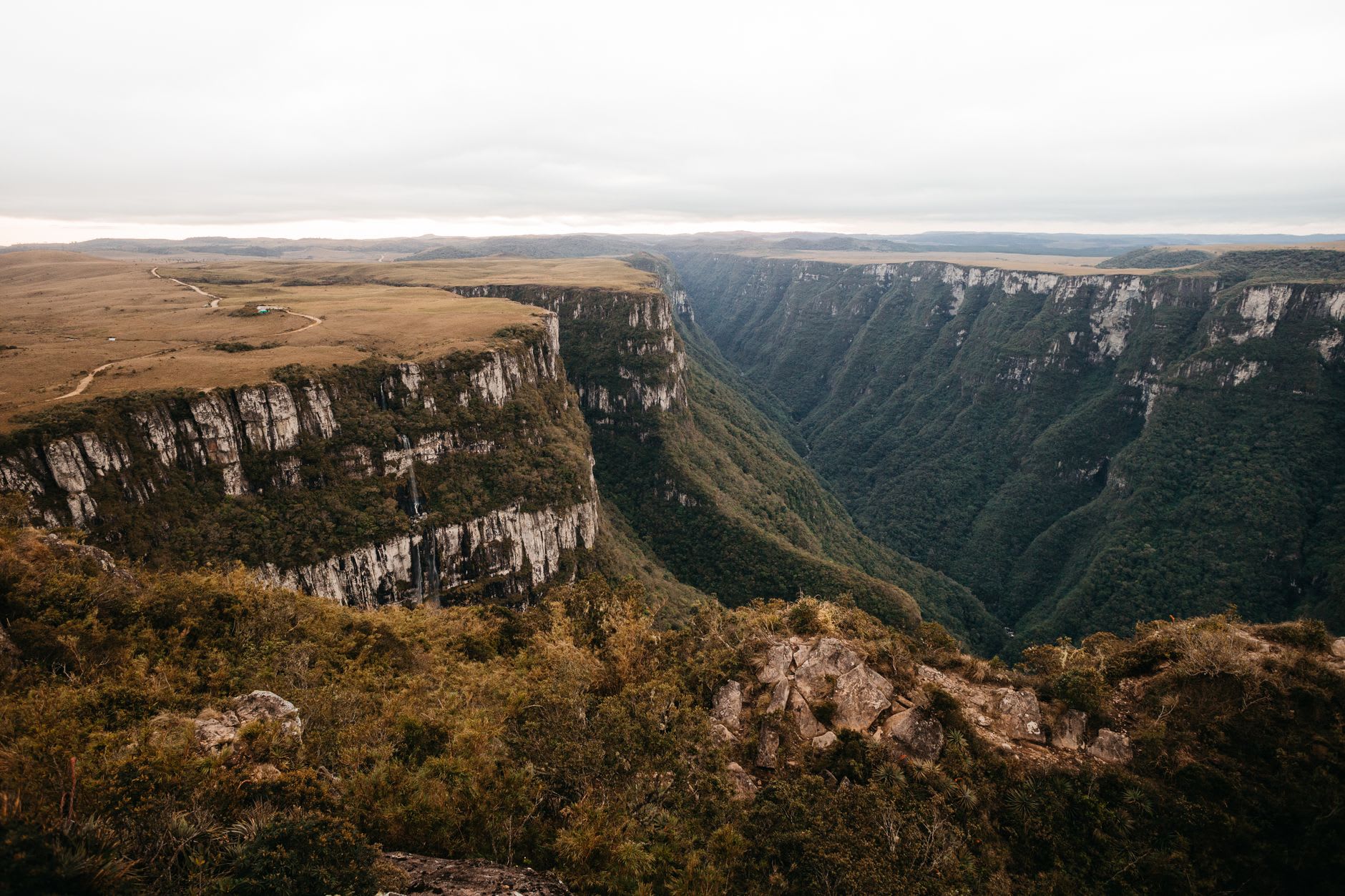
Nobody had prepared me for the moment the canyon rim actually appears. You walk a flat trail through araucária forest for twenty minutes, the trees standing in their particular prehistoric silence, needles damp from the morning fog, and then the ground simply stops and the basalt walls go down into a shadow that takes several seconds to sort into distance. Cânion Itaimbezinho is the main canyon in Aparados da Serra National Park — seven kilometres long, up to 720 metres deep in its vertical sections — and the numbers are accurate but useless for understanding what it does to you when you arrive at the edge and the scale finally resolves.
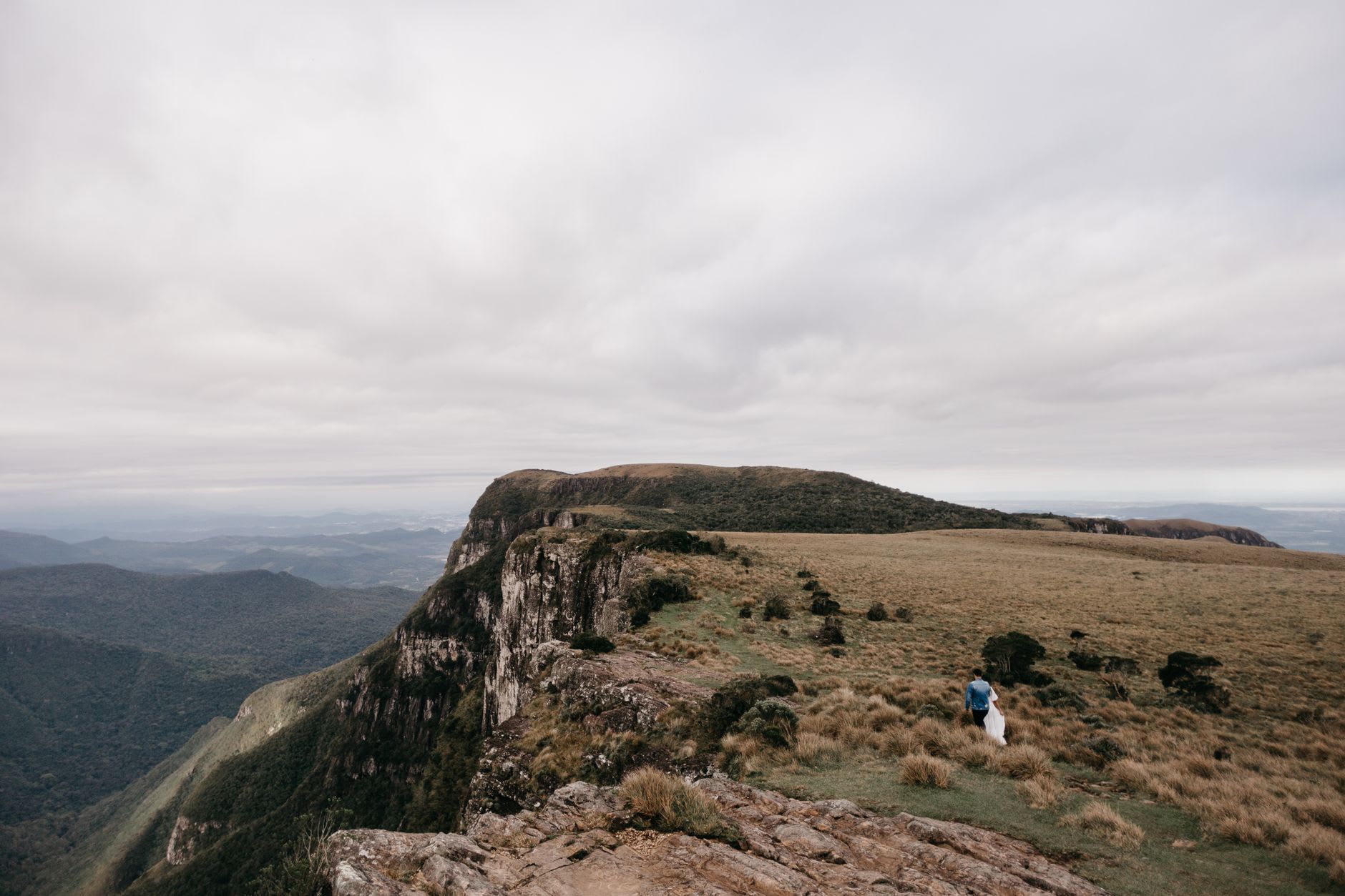
The rim trail runs along the canyon edge through low shrubs and field grasses, and the relationship between the ordinary plateau landscape and the abyss immediately beside it creates a persistent, very low-level vertigo that I found more useful than frightening. The basalt here is columnar — formed from ancient volcanic flows that cooled into hexagonal columns before erosion took over — and the walls have a quality of being both brutal and geometrically precise, like something designed before any species existed to do the designing. Waterfalls drop from the rim in two or three places depending on the season, threads of white against the dark stone that disappear into shadow long before they reach the floor. The vegetation changes noticeably in the moisture-trap of the canyon interior, and if conditions are right — a morning after rain, the sun not yet steep enough to burn off the mist — you can watch fog generating itself from the canyon floor and rising toward you in slow columns. The park guides call this a respiração do cânion, the canyon breathing, and the phrase is exactly accurate. I sat at a viewpoint on the eastern rim for nearly an hour watching it, and the time did not feel long.
The full descent into the canyon interior requires guides and advance booking through the park office, and the return trail through the riparian forest at the bottom is among the more physically demanding walks in southern Brazil — a rope-assisted scramble through wet rock and bamboo forest that I did not attempt on my first visit but have thought about frequently since. The canyon bottom maintains its own microclimate: several degrees warmer and substantially more humid than the rim, supporting vegetation that belongs to an entirely different ecosystem — tree ferns, bromeliads, orchids pressed against wet basalt in places the direct light barely reaches.
The park entrance is about eighteen kilometres from Cambará do Sul, and the road is unpaved for the last stretch — manageable in a normal car in dry weather, significantly less so after the heavy rains that are common from November through March. The park has a small infrastructure at the trailhead: a visitor centre, a basic café that opens at 7am, and rangers who will answer questions with the particular patience of people who have watched many visitors arrive underprepared.
When to go: April through October for cooler temperatures and the canyon at its most dramatic. Morning visits are essential — the afternoon haze reduces visibility and the day-trippers arrive after 10am. Go early on a weekday and the canyon rim is effectively yours.