Canela
"The Caracol waterfall doesn't care whether you're ready. It just falls."
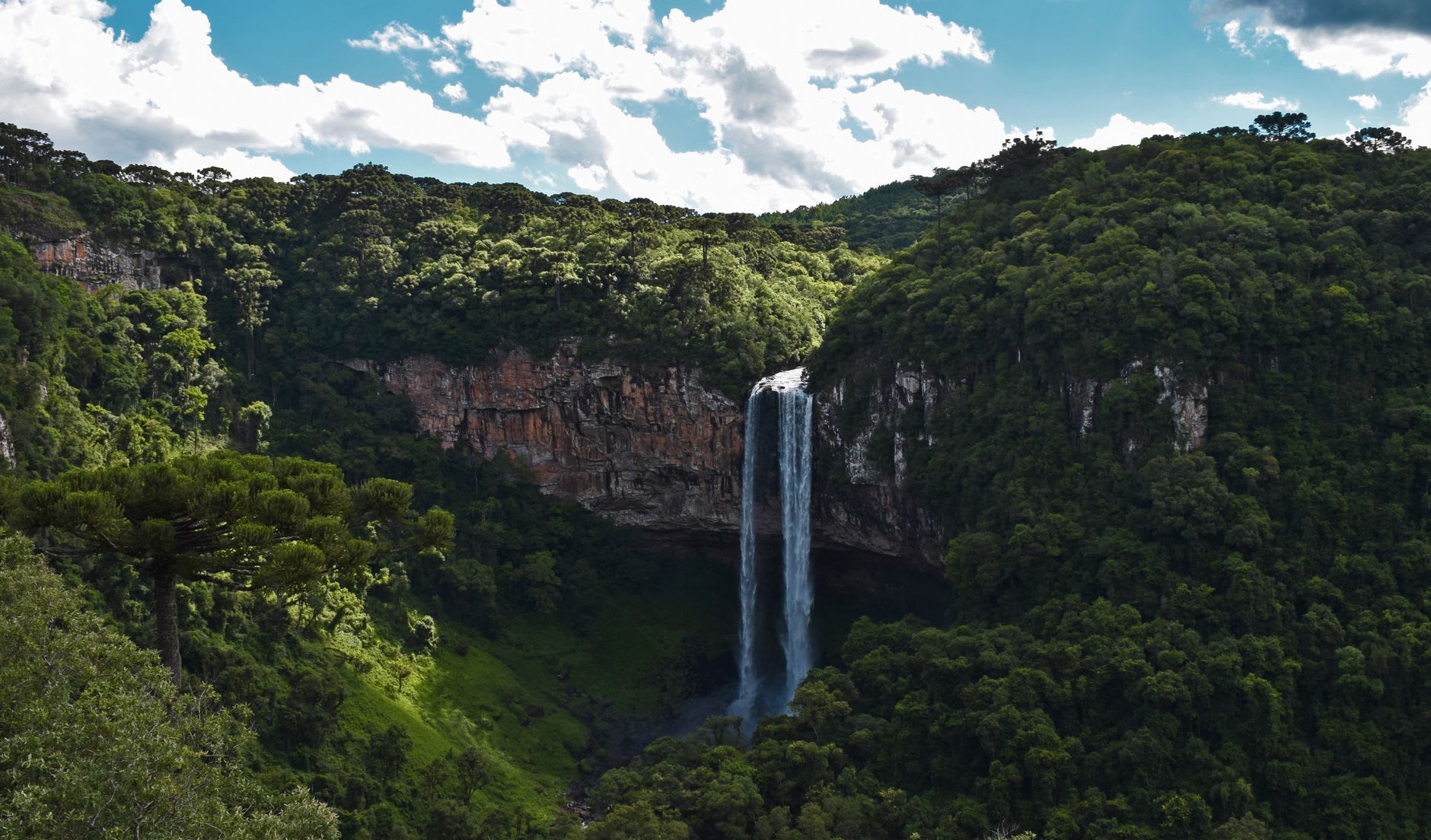
The staircase down to the Caracol waterfall is 927 steps, and the couple who turned back at step two hundred told me I was being optimistic. They were not wrong about the descent — the Atlantic Forest closes overhead and the humidity rises and the sound builds for several minutes before the waterfall appears, and when it does it appears fully formed and impossible: 131 metres of white water against black basalt, crashing into a pool at the bottom of a canyon so narrow that light barely reaches it at midday. I stood at the railing for fifteen minutes and felt the mist settling on every exposed surface of me. The stairs back up were, as promised, a full reckoning with choices made.
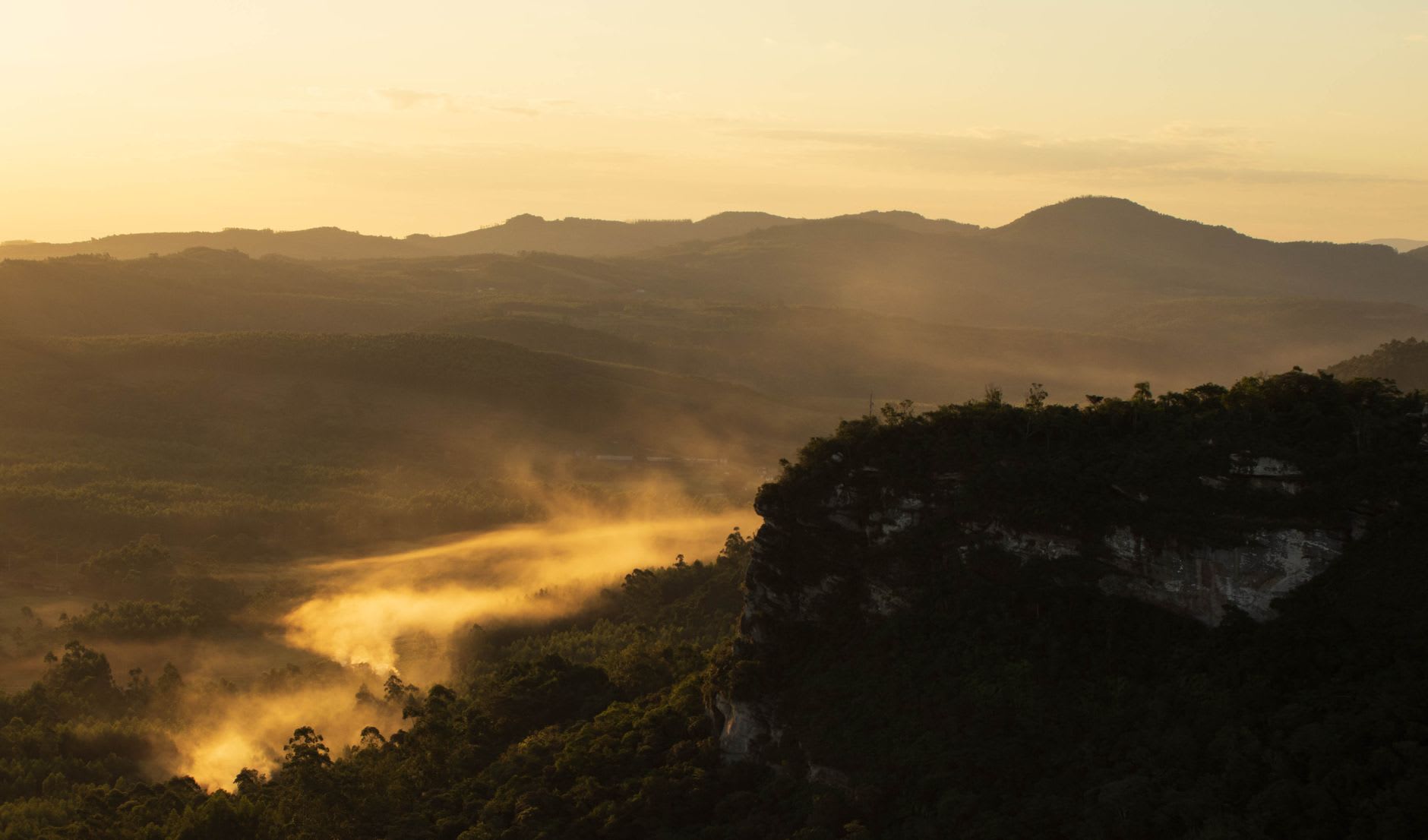
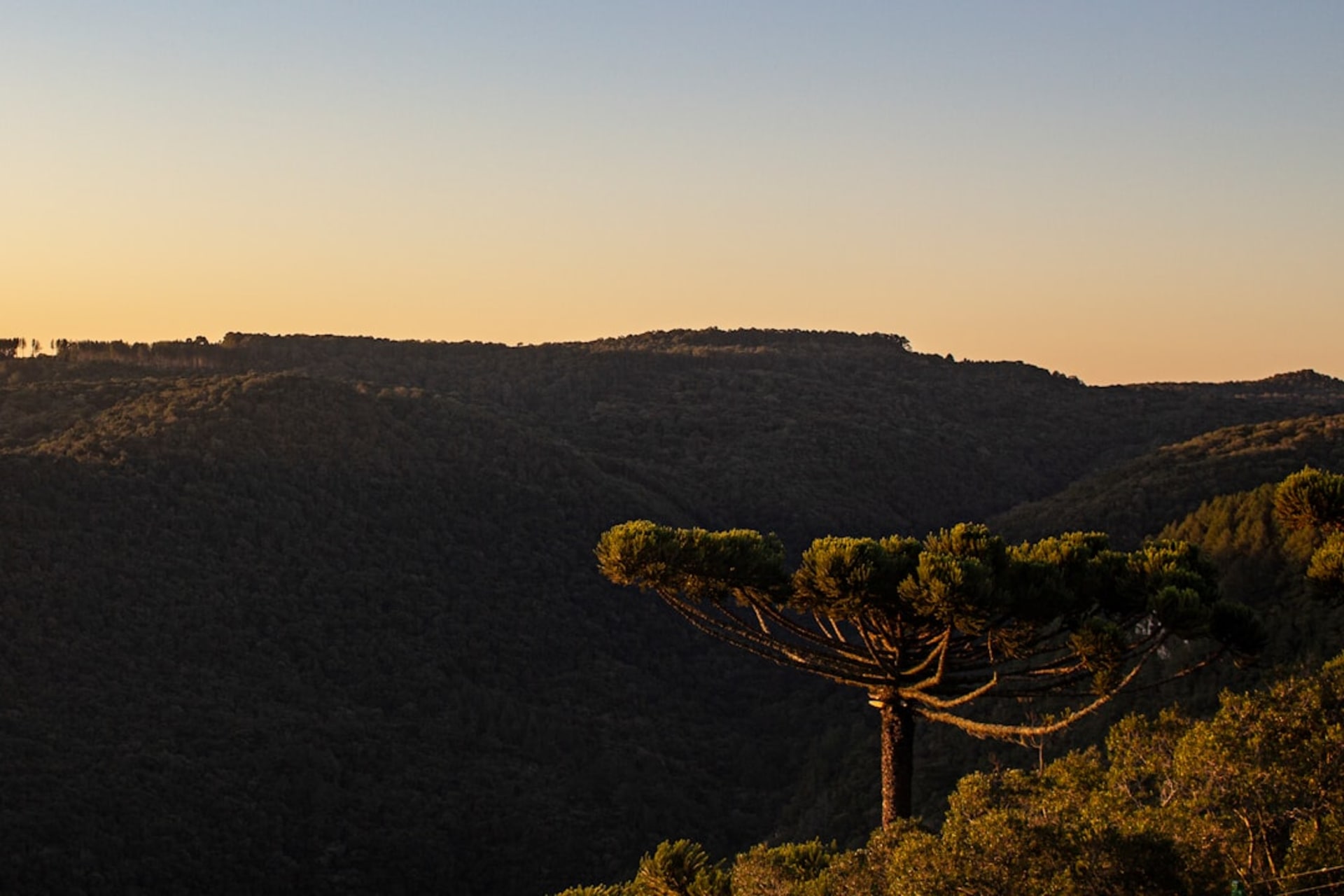
Canela sits four kilometres from Gramado and occupies a slightly different register — quieter, less polished, more comfortable in its own skin. The main square has a Neo-Gothic church in red stone that turns the colour of dried blood in the late afternoon, surrounded by the kind of praça life that could absorb hours of watching: old men on benches, teenagers eating pastel from newspaper cones, a dog of uncertain breed installed as a permanent resident with apparent tenure. The town smells of pinheiro wood and coffee and the low cloud that drops into the Serra every afternoon and doesn’t fully lift until the next morning. There is something about a place that accepts being atmospheric without performing it. Parque do Caracol is the correct reason to come, but there are quieter rewards. The Ferradura canyon, accessible via a trail through araucária forest, is less dramatic than the great canyons further south but has the advantage of genuine solitude — I walked it on a Tuesday in May and saw no one in either direction for over an hour. The sound the forest made in that absence was something between silence and attention. The araucárias specifically have a way of standing in the fog that makes you feel you’ve walked into a different era, the branches radiating from the crown in flat tiers like something that decided on its form millions of years ago and sees no reason to revisit the decision.
The food in Canela tends toward the unassuming and the correct. A café colonial — the regional multi-course afternoon spread of breads, cured meats, jams, cakes, and cheese that the German and Italian settlements developed and refined over a century into something more ritual than meal — is something to plan your afternoon around rather than stumble into. The version I had at a small farmhouse restaurant on the road toward Caracol took two hours and involved more than twenty items on the table at once, including a smoked pork terrine so dense and fragrant that I ate it straight without anything else, which the owner acknowledged with a single approving nod and then refilled my plate without asking.
When to go: May through September is the season — cold, misty, the waterfall running full, the café colonial circuit at its most comforting. July is peak winter and can bring frost. Weekdays are significantly quieter than weekends when day-trippers arrive from Gramado and Porto Alegre; go midweek and the forests are yours.