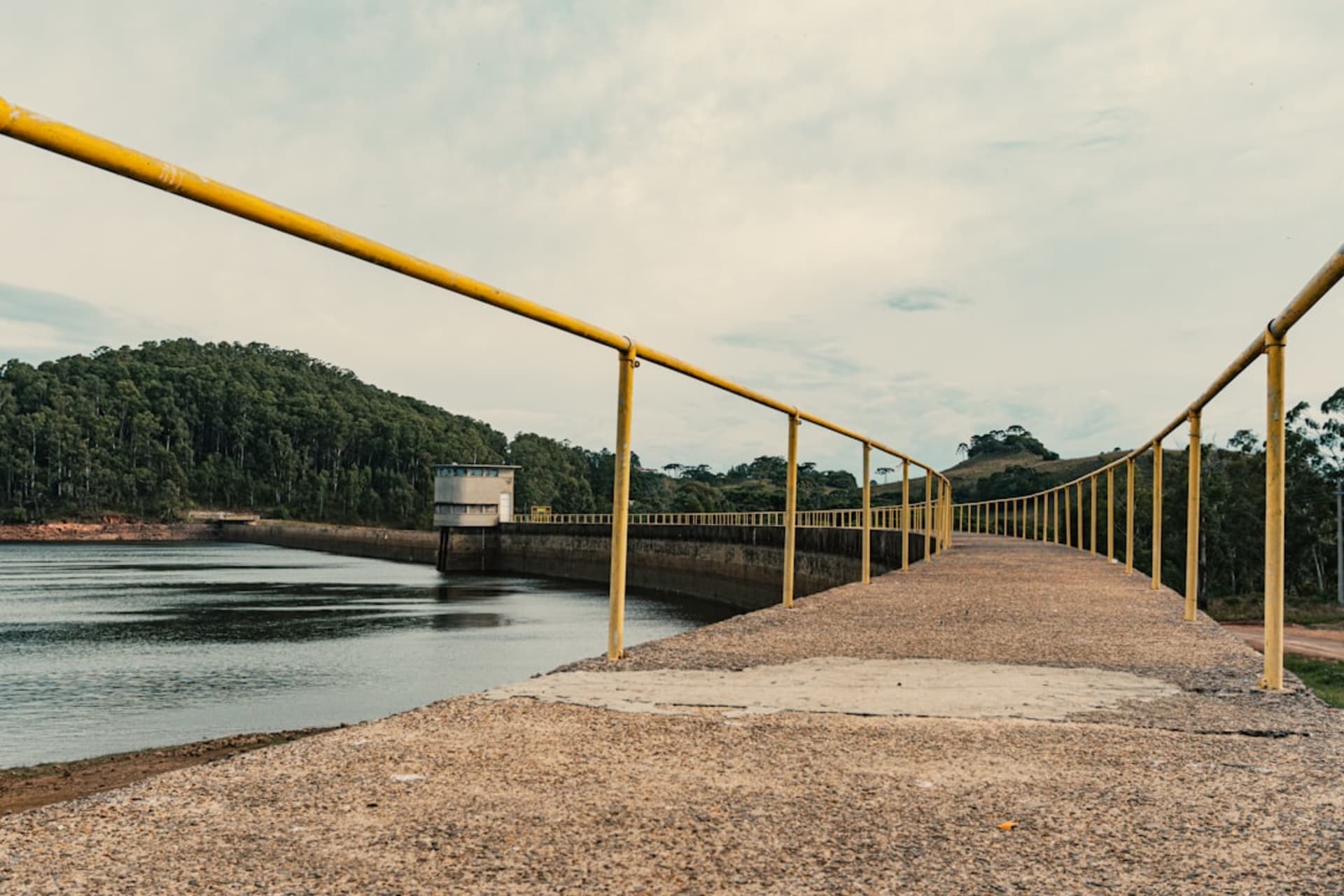
Cambará do Sul
"The altitude here is just enough to make everything feel slightly unreal — which is the correct preparation for the canyons."
The drive from Caxias do Sul to Cambará do Sul gains altitude so steadily that you don’t notice until the vegetation changes and suddenly the araucária pines are standing in fog and the road ahead disappears into something pale and directionless. Cambará do Sul sits at around a thousand metres on the planalto — the southern Brazilian plateau — and the town has the slightly abstracted quality of a place that exists primarily as a gateway to something else. The main street has hardware stores and padarias and one excellent restaurant that uses the elevation to justify a wine list that would embarrass many Porto Alegre addresses. I checked in on a cold May afternoon and walked out into the street and a cow was standing in the intersection, entirely at peace with its positioning. Nobody seemed to find this notable.
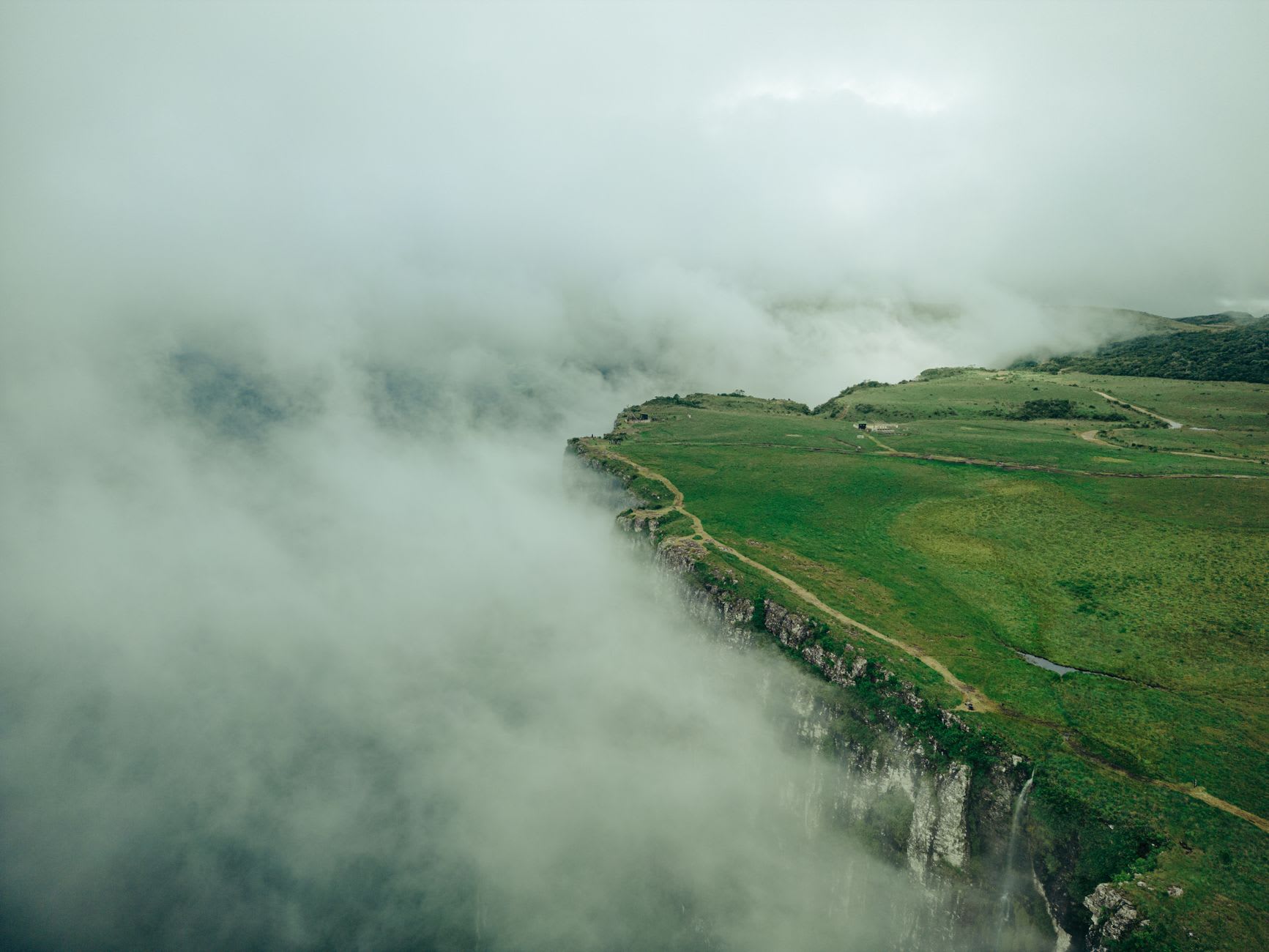
The town is the base for the Aparados da Serra and Serra Geral national parks, both within thirty kilometres, and the logic of being here rather than anywhere else becomes clear the moment you check the morning departure times for the canyon viewpoints. Dawn arrives quickly at altitude, and at the Cânion Fortaleza lookout — the larger, arguably more dramatic canyon in this region — the mist sits in the canyon below you like a surface until the sun finds an angle steep enough to burn it off. Standing at the edge in that early light, hearing the silence of the canyon and the occasional distant call of a bird somewhere below in the shadow, is one of those experiences that reorganizes whatever internal hierarchy of places you thought you were carrying. The campos that surround the town — the Campos de Cima da Serra, highland grasslands of a pale gold in winter — move in long slow waves in the wind and the only vertical things are fence posts and araucária pines standing alone in the open grass. Walking into those campos with the canyon edge somewhere ahead and the town somewhere behind is an experience of a particular South American emptiness that is not desolate but expansive, the land expressing a scale that makes you feel appropriately small.
The town itself rewards time beyond the canyon logistics. The local food is gaúcho to the bone — churrasco prepared with the particular attention the state brings to fire and meat, served with farinha de mandioca and feijão in combinations that need no explanation. There is a feira livre on Saturday mornings where farmers from the plateau arrive with vegetables of such solidity and coldness that they seem to have been grown in a different relationship to gravity. I bought a wedge of queijo colonial and ate it at the edge of the square watching the chimarrão circuits — the mate gourd passed from hand to hand in the cold morning air, nobody in any apparent hurry to stop.
When to go: April through October is prime — cool, the waterfalls running full, the canyon fog most spectacular in the early morning hours. June and July are coldest, sometimes below freezing at night, which suits the atmosphere exactly. Summer is warm and popular; avoid January and February for quieter trails and the canyon viewpoints without queues.