
Bento Gonçalves
"I had no idea Brazil made wine this good. Something about that ignorance embarrassed me."
My first glass of Brazilian Merlot arrived on a Tuesday morning in a winery in the Vale dos Vinhedos, poured without ceremony by a woman who had been making wine in these hills since before I was born. It was better than I had any right to expect. This is the problem with Bento Gonçalves — it defeats your assumptions so efficiently that you end up spending more time than planned, working through bottles and viewpoints and the particular pleasure of eating polenta e galeto at a wooden table while rain moves across the vineyards and a dog sleeps at your feet. The vines in October are heavy and green. In March they go copper and the light does something specific to those hillsides that I have not seen replicated anywhere.
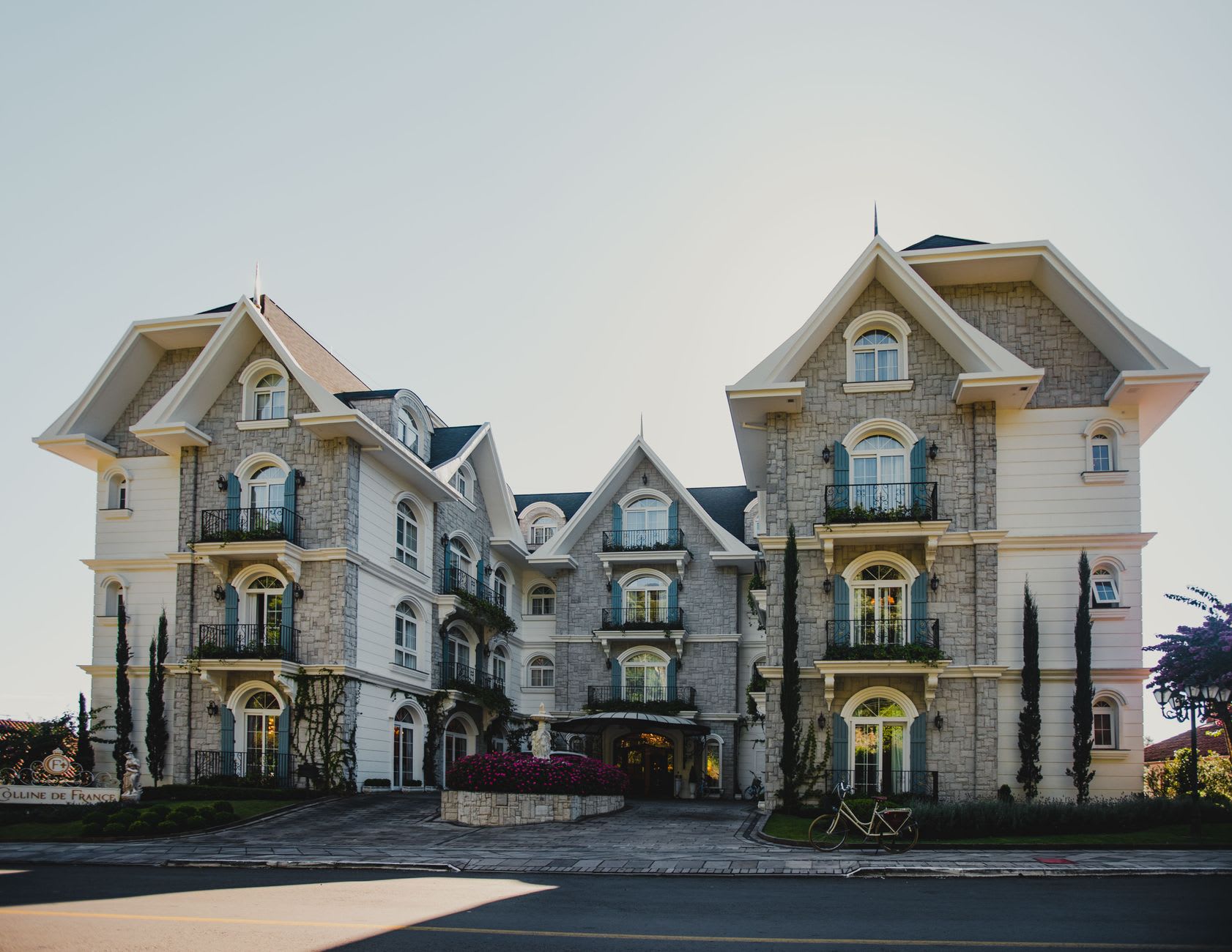
Bento Gonçalves is the capital of Brazilian wine country and the Italian immigration story is everywhere — in its architecture, its food, and the accents of its oldest residents, who still speak a Veneto-derived dialect alongside Portuguese and will switch between the two within a single sentence without noticing. The city sits on a ridge above the vale and from certain points on the main road you can see the whole sweep of the valley: terracotta rooftops, church spires, vine rows radiating from farmhouses on the same family land since the 1880s. It looks like a photograph of the Alto Adige, except the trees are slightly different and the birds are wrong, and occasionally a pickup truck passes loaded with cassava. The Caminho dos Vinhedos — the officially demarcated wine route — runs through the valley connecting around twenty wineries, from the serious (Miolo, Casa Valduga, Pizzato) to the charmingly informal where someone’s grandmother emerges from a back room to pour you something from an unlabeled bottle with a significant look. I rented a bicycle and did the route over a morning, which was slow enough to see everything and fast enough to arrive at each winery still capable of coherent conversation. The grapes are Merlot, Cabernet Sauvignon, Chardonnay, and the local Moscato Giallo; the sparkling wines in particular have gotten very serious in the last decade, and the espumante poured at several wineries as an opening aperitivo was as good as anything I’d had in Champagne at a third of the price.

The food tradition here is as important as the wine, and the two don’t separate cleanly. Galeto al primo canto — young cockerel cooked slowly over charcoal until the skin blisters and the meat begins moving away from the bone — is the regional dish, arriving always with polenta and dressed vinegar salad and a carafe of something red that the restaurant grew themselves. I ate it three times in four days and did not find it repetitive. The bread in this region is different from anywhere else in Brazil: dense, slightly sour, the colour of wheat, the kind of bread that makes the olive oil it arrives with suddenly seem like an event rather than a formality.
When to go: February and March for the harvest — wineries are busy but alive, with grape-crushing festivals and the vineyards in full colour. September through November for spring green vines and excellent weather without the crowds. Avoid January when domestic tourists flood the valley and the wineries run out of the good bottles before noon.