Americas
Rio Grande do Sul
"This is the Brazil nobody warned me about — and somehow the one I keep returning to."
Brazil's southernmost state — where gauchos still ride the pampas, Italian and German villages spill down misty hillsides, and the country's best wine quietly happens far from any beach.

I came to Rio Grande do Sul expecting a footnote to Brazil. I left convinced it is an entirely separate argument. Porto Alegre felt immediately different from anything I’d experienced in the country — cooler, denser with European DNA, the kind of city where people linger over wine instead of caipirinhas and the architecture references Lombardy more than it does the tropics. From there, the Serra Gaúcha unfolds upward through cloud and mist into something so improbably Alpine that you genuinely start questioning your latitude.
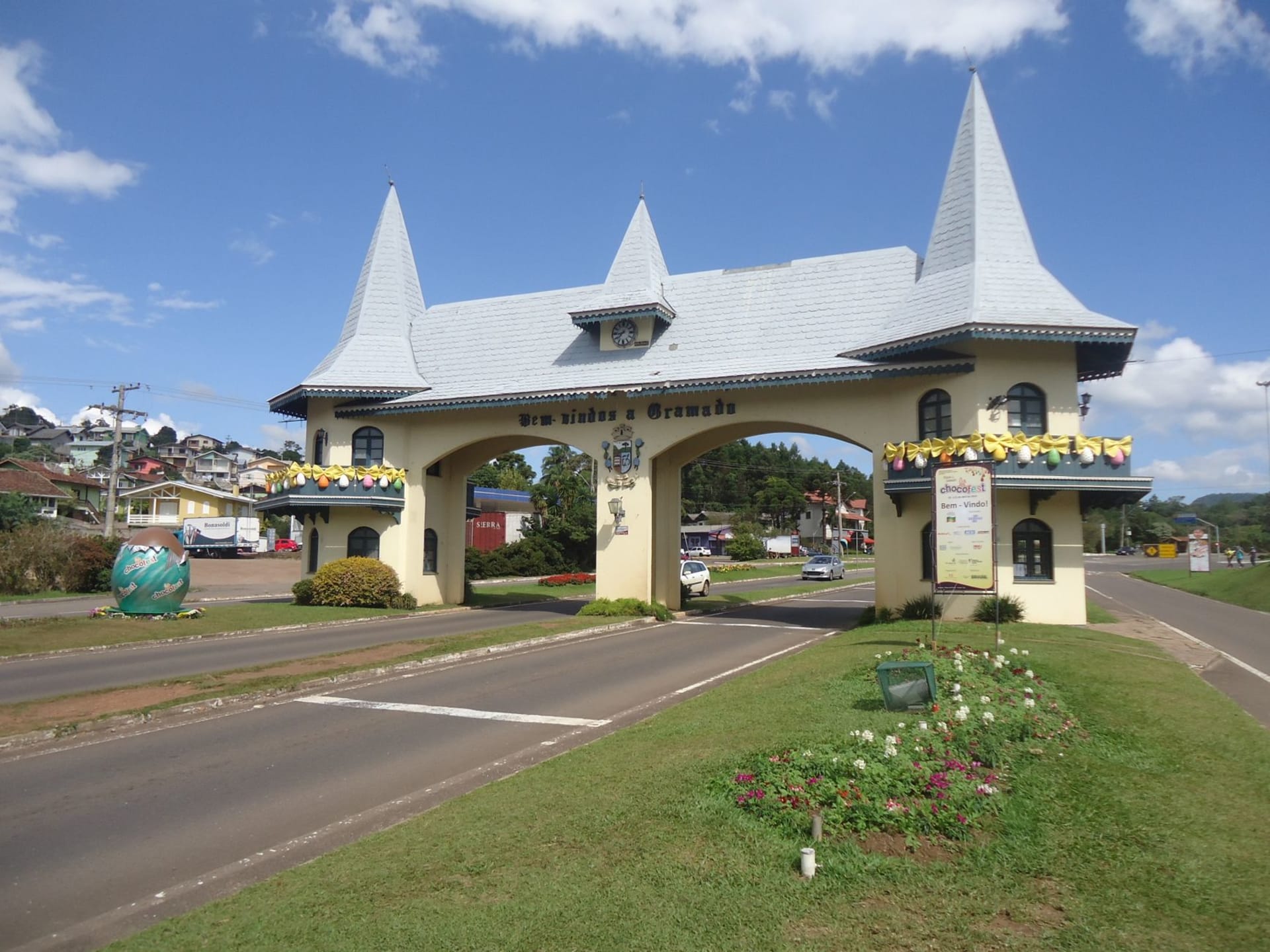
Gramado and Canela are the obvious entry points, and yes, they lean hard into the Bavarian fantasy — gingerbread storefronts, chocolate shops, fondue restaurants, hydrangeas spilling over every fence. It should be kitsch. It mostly isn’t, because the landscape behind it all is so insistently beautiful that it earns the aesthetic. Parque do Caracol, with its 131-metre waterfall crashing through Atlantic Forest, makes any doubts disappear. But the place that genuinely stopped me was the Cânion do Fortaleza in the Aparados da Serra national park — a basalt canyon so severe and so vast that it takes about ten minutes of staring before your brain agrees to accept it. Drive up from Cambará do Sul early, before the tour buses arrive.
Then there is the wine. The Vale dos Vinhedos near Bento Gonçalves is Brazil’s answer to a question most people didn’t know the country was asking. Italian immigrant families have been making wine in these hills since the 1870s, and what they produce from Merlot, Chardonnay, and the local Goethe grape has gotten quietly serious. I ate churrasco in a vinícola looking out over rows of vines on a grey Tuesday afternoon with a bottle of something local and thought: nobody is telling people about this. That obscurity, for now, is entirely to your advantage.
When to go: April to October for the Serra Gaúcha — cooler temperatures, low tourist pressure, and the landscape at its most dramatically misty. July and August can be cold enough for frost in Gramado, which is exactly as charming as it sounds. Avoid January and February when Brazilian holidaymakers arrive en masse.
What most guides get wrong: They treat Rio Grande do Sul as a day-trip from Porto Alegre or a footnote to a broader Brazil itinerary. It isn’t. The canyons alone warrant a dedicated trip. Give it at least five days — one in Porto Alegre, two in the Serra Gaúcha, and two based in Cambará do Sul for the parks. Anything less is a preview, not a visit.
Explore
Places in Rio Grande do Sul
 rio-grande-do-sul
 Bento Gonçalves
The capital of Brazilian wine country — Italian immigrant valleys where serious Merlot happens between stone farmhouses and copper autumn vines.
Explore rio-grande-do-sul
 Cambará do Sul
A highland plateau town at 1,000 metres where the air thins and the canyon viewpoints will undo everything you thought you knew about scale.
Explore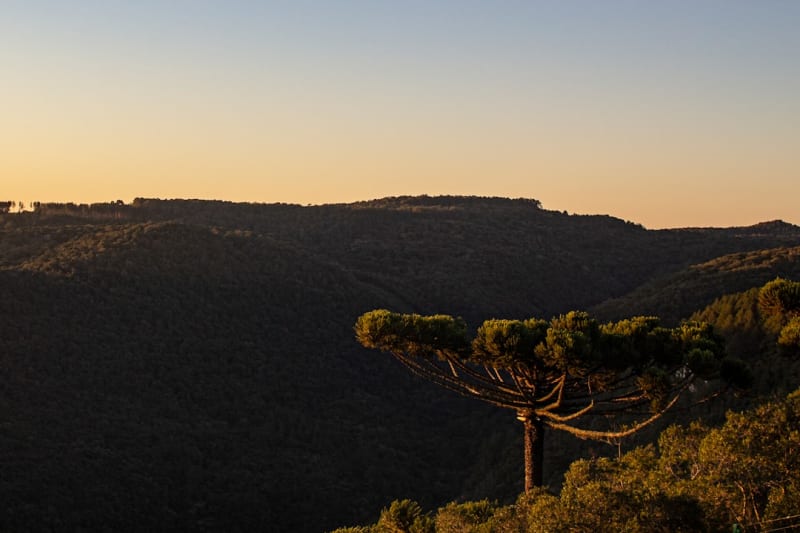 rio-grande-do-sul
 Canela
Gramado's quieter neighbour — where a 131-metre waterfall crashes through Atlantic Forest and winter fog settles like a held breath.
Explore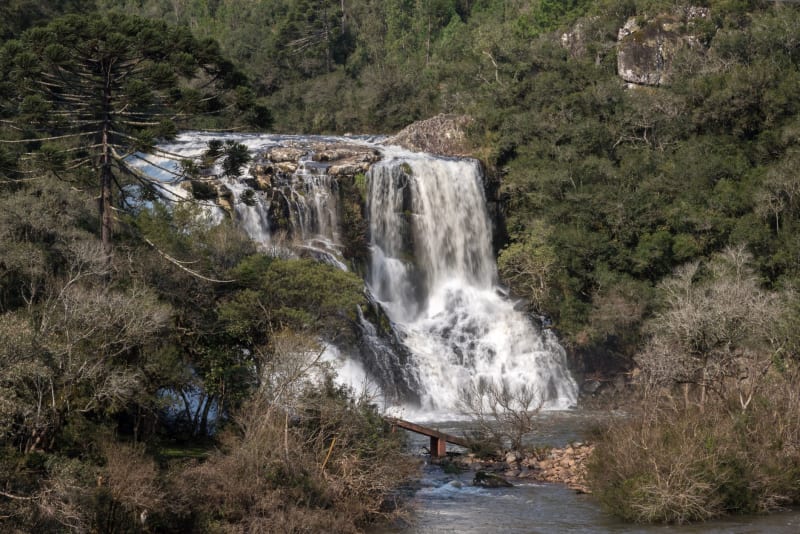 rio-grande-do-sul
 Cânion Fortaleza
A vast green-walled canyon in Serra Geral where the southern plateau falls away in sheer cliffs toward the distant Atlantic, and where the clouds usually win.
Explore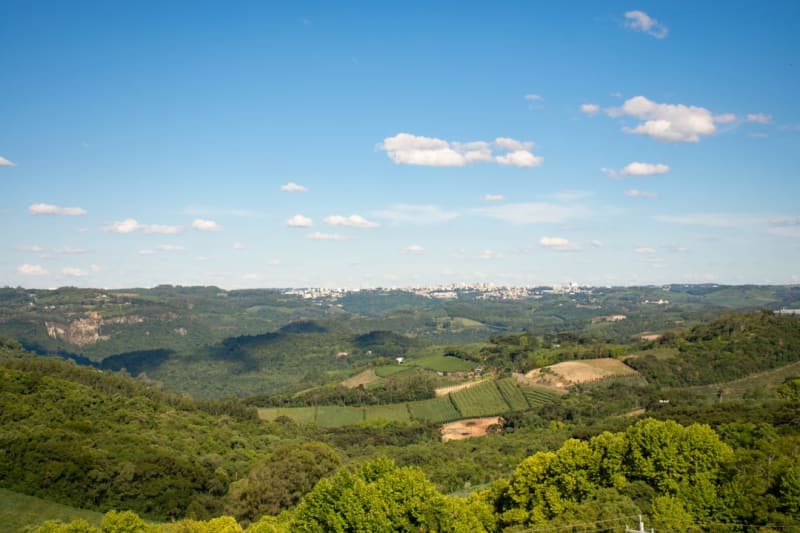 rio-grande-do-sul
 Cânion Itaimbezinho
A basalt canyon 720 metres deep where the rim trail ends abruptly and your brain spends several seconds deciding whether to accept what it is seeing.
Explore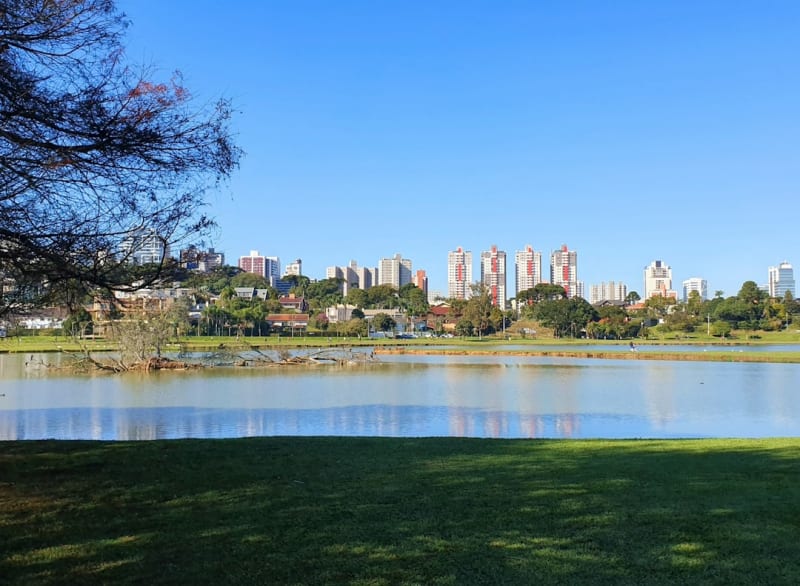 rio-grande-do-sul
 Gramado
A Bavarian fantasy improbably transplanted into the Brazilian highlands, where hydrangeas and fondue feel entirely correct.
Explore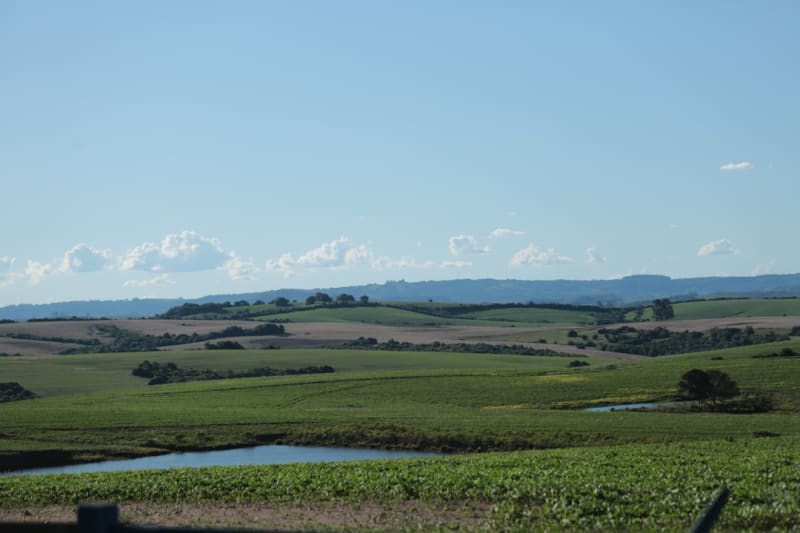 rio-grande-do-sul
 Nova Petrópolis
A German colony town on the Serra Gaúcha's slopes where the street signs are bilingual and the flower gardens are a form of civic religion.
Explore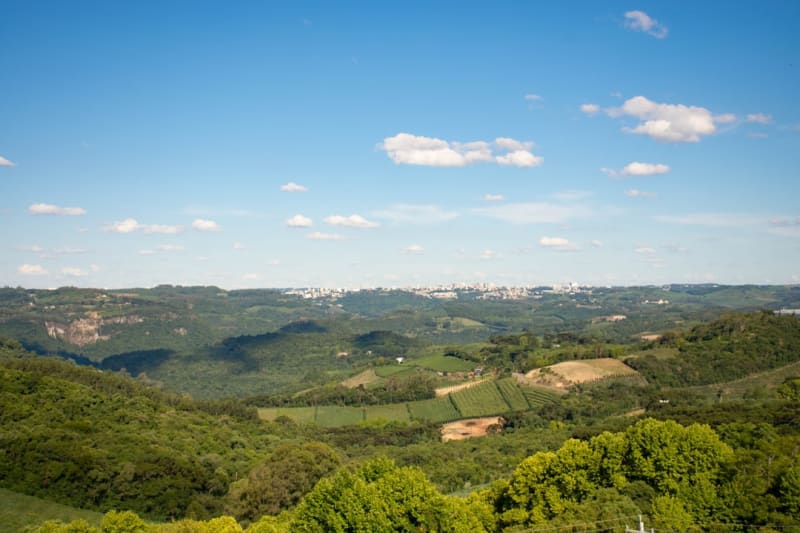 rio-grande-do-sul
 Pelotas
A nineteenth-century port city where the Portuguese-Brazilian sweet-making tradition reached its most elaborate and sugary heights.
Explore rio-grande-do-sul
 Porto Alegre
Brazil's most European capital — where wine flows before caipirinhas and the Guaíba river burns violet at dusk.
Explore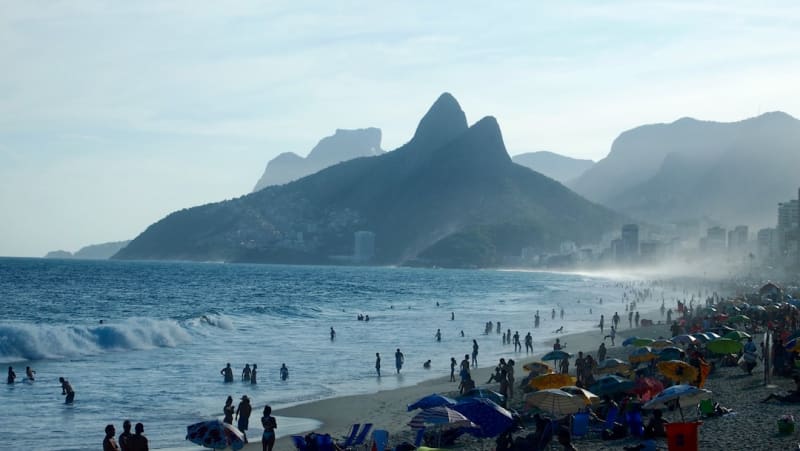 rio-grande-do-sul
 Praia do Cassino
A 254-kilometer ribbon of sand where the South Atlantic meets Brazil's southernmost coast, endless and unhurried.
Explore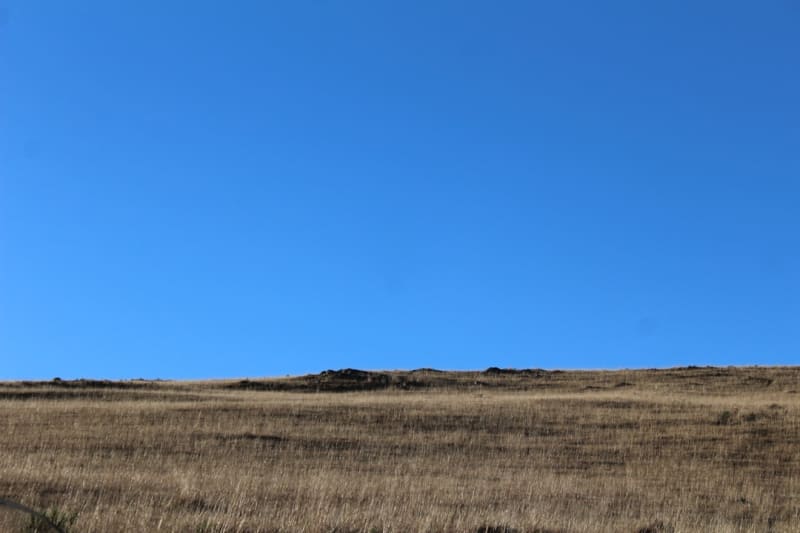 rio-grande-do-sul
 São Miguel das Missões
Jesuit ruins in the pampas — a UNESCO site where the weight of a vanished civilization still presses against the afternoon air.
Explore rio-grande-do-sul
 Torres
Where the cold Atlantic meets basalt sea-stacks — the only place in Brazil where volcanic cliffs and crashing southern surf arrive together.
Explore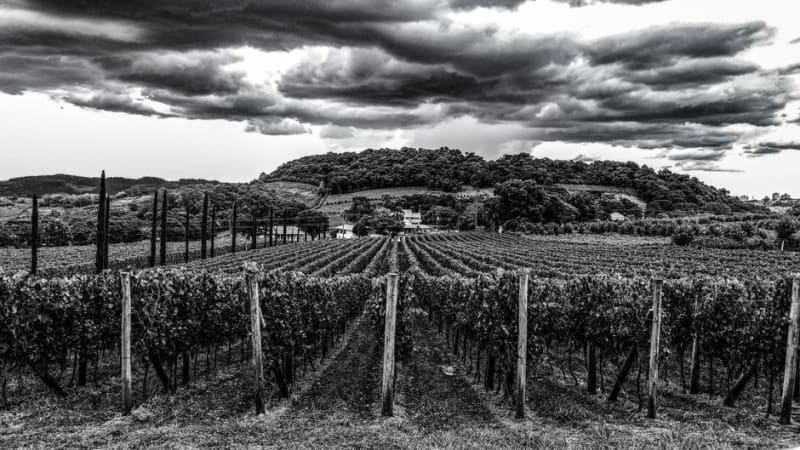 rio-grande-do-sul
 Vale dos Vinhedos
A valley of stone farmhouses and family wineries where Italian immigrants planted Brazil's most storied wine country.
Explore