Grand Bassin
"Some places you don't visit, you earn — Grand Bassin made me count every single step."
A village hidden at the bottom of a ravine, reachable for centuries only on foot, where descendants of escaped slaves built a life in the folds of the mountains.
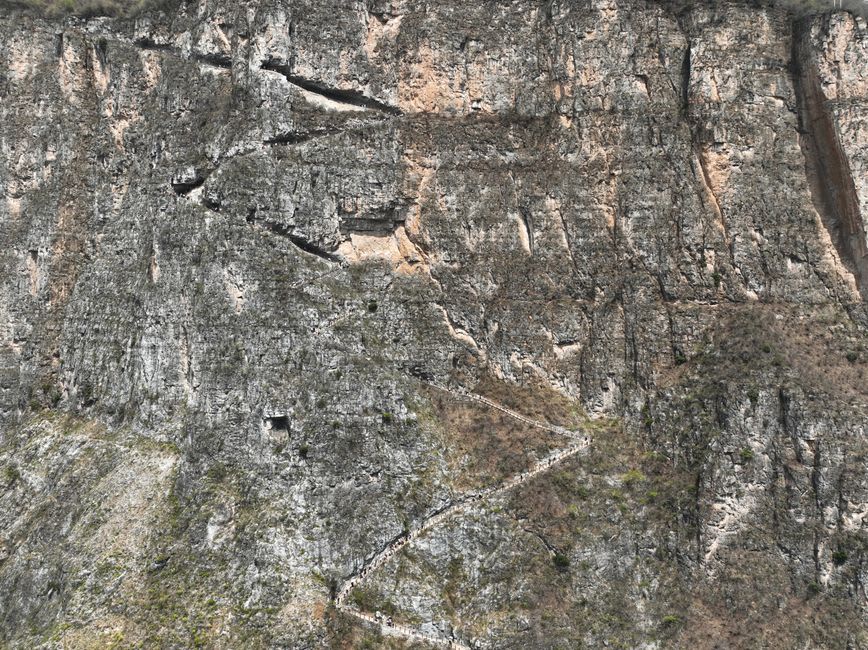
Lia found Grand Bassin on a map first, a tiny cluster of roofs at the bottom of what looked like a crack in the earth, with no road touching it anywhere. I remember thinking it had to be a mistake, that surely somewhere a thin grey line connected it to the rest of Reunion. It doesn’t. To this day the only ways in are on foot, down a trail of more than a thousand steps carved into the cliff face, or by the cable car that opened in 2018. We chose the steps, because I wanted to feel in my legs what generations of maroons, the escaped slaves who settled here, must have felt fleeing into this ravine to disappear from the world above.
The descent took us nearly two hours, switchback after switchback, the heat rising the lower we went even as the walls of the cirque closed in tighter overhead. I kept stopping to catch my breath and told myself it was for the view, but Lia knew better and laughed at me every time. When we finally reached the village floor, my knees were shaking and I understood something I hadn’t fully grasped from the guidebooks: this isolation wasn’t scenery, it was the entire point. It was what let people build a hidden life here, out of reach of anyone who might come looking.
We stayed the night in a small gîte run by a family whose grandfather, they told us over dinner, used to have supplies flown in by helicopter because there was simply no other way to get anything heavy down there. That detail stuck with me more than almost anything else on the trip. Imagine building a home somewhere so remote that even today, decades later, a helicopter drop is a normal Tuesday. The cable car has changed some of that now, and I’ll admit part of me was relieved to ride it back up rather than face those thousand-plus steps again with sore legs, gliding in silence over the ravine we’d just spent a day inside.
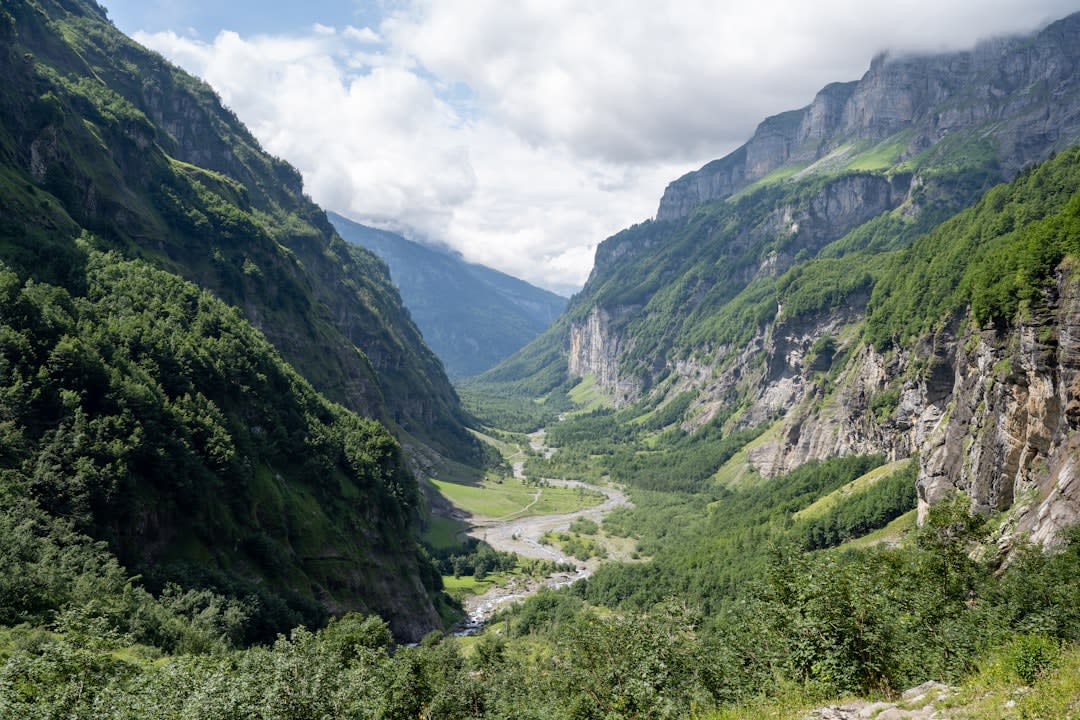
What stayed with me longest wasn’t the trail or even the cable car, it was standing at the bottom at dusk, looking straight up at the rim of the cirque and understanding why this exact spot, out of everywhere on the island, became a refuge. Grand Bassin isn’t dramatic in the way waterfalls or peaks are dramatic. It’s quiet, almost withdrawn, and that withdrawal is its whole history.
When to go: Aim for the dry, cooler months between May and October, when the trail’s stone steps are far less treacherous underfoot and the descent, however tiring, at least won’t be a slippery one.
Keep exploring
More from Réunion
 reunion
 Hell-Bourg
The most beautiful village in Réunion hides inside the Cirque de Salazie — Creole houses in tropical colors, a thermal past, and mornings that smell like fern and woodsmoke.
Explore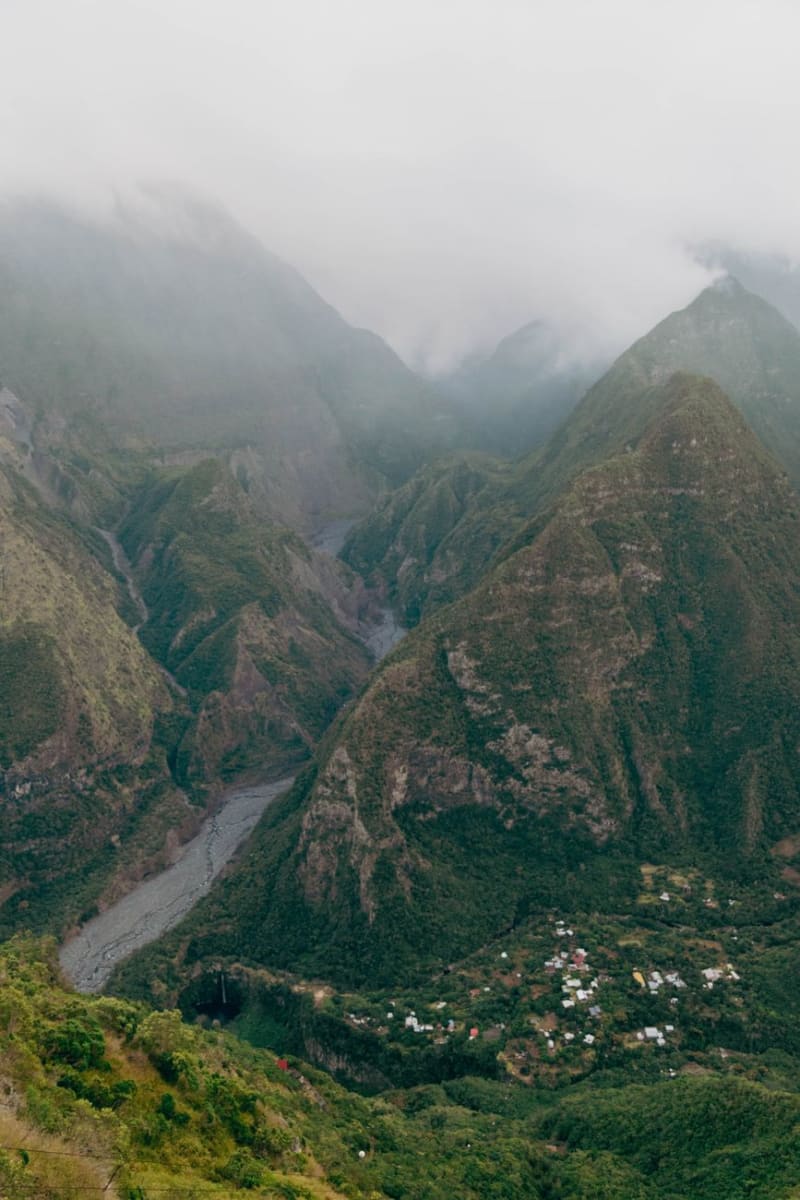 reunion
 Le Maïdo
A 2,200-meter viewpoint where the world drops away into the unreachable Cirque de Mafate, the most spectacular sunrise on Réunion.
Explore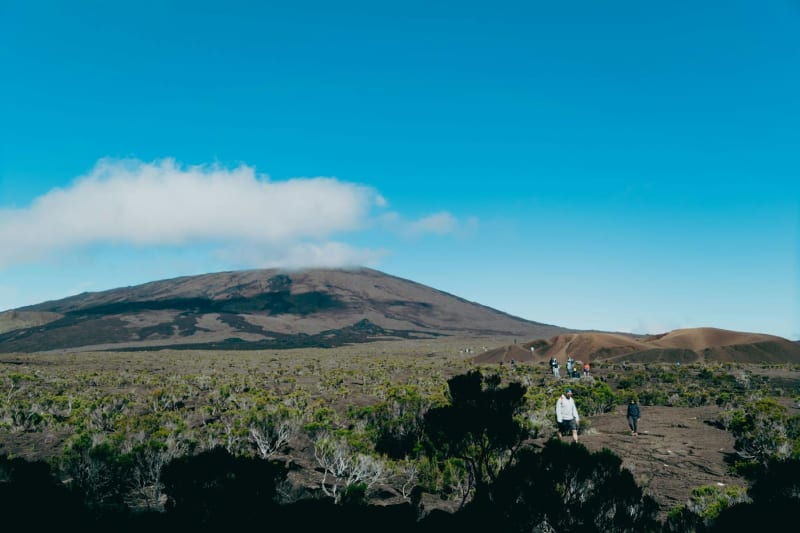 reunion
 Piton de la Fournaise
One of the world's most active volcanoes — hike to the crater rim and watch the island still being born.
Explore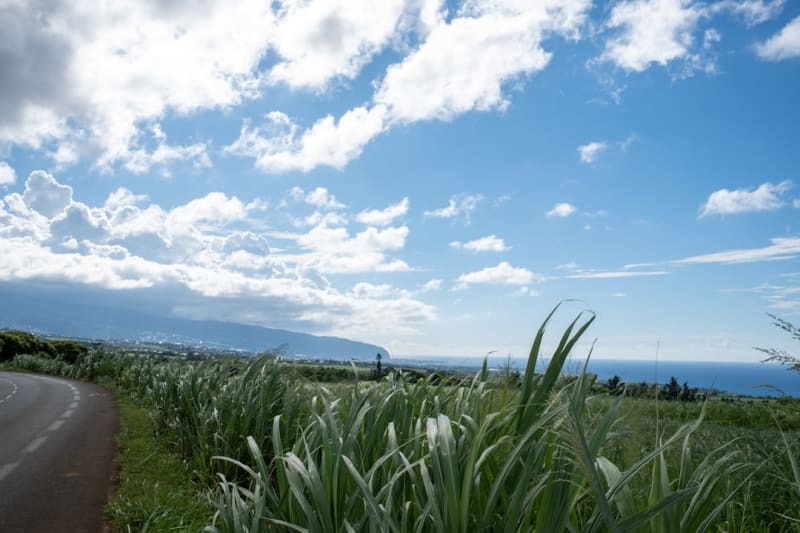 reunion
 Piton des Neiges
At 3,069 meters, the highest peak in the Indian Ocean demands a 3 a.m. departure, two hours of headlamp hiking through cold cloud, and a summit that earns every one of them.
Explore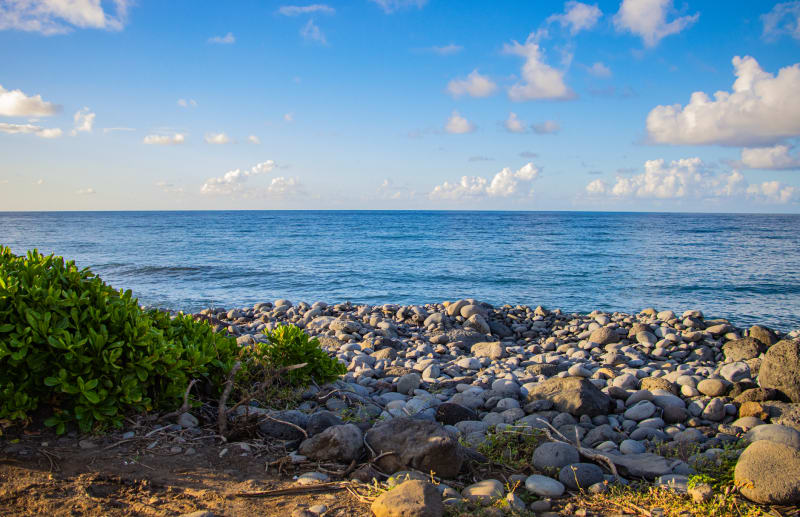 reunion
 Saint-Denis Reunion
Reunion's capital blends Creole architecture, French pastry, and Tamil temples in one chaotic tropical delight.
Explore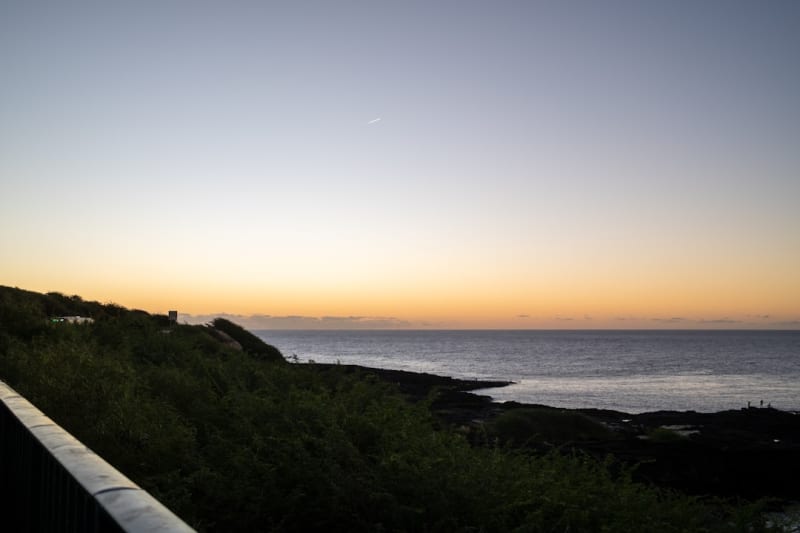 reunion
 Saint-Gilles-les-Bains
Réunion's main beach town wears its sun and lagoon lightly — less resort than people expect, more lived-in than they assume, with the best seafood shacks on the island.
Explore