Zabargad Island
"This island supplied gemstones to Egypt for three thousand years, and I nearly missed it because it wasn't on the itinerary."
A remote volcanic island where Egyptians mined peridot for the pharaohs, reachable only by a long liveaboard crossing that keeps almost everyone away.
Zabargad only entered my plans because a liveaboard captain out of Marsa Alam mentioned it almost as an aside, describing an island near the Sudanese maritime border where ancient Egyptians mined peridot, the green gemstone the pharaohs prized enough to send expeditions across genuinely dangerous water to retrieve it. I hadn’t heard of it before that conversation, and I’ve since found that most people who’ve spent serious time on this coast haven’t either — it sits far enough south and requires a long enough crossing that only the more ambitious multi-day liveaboard itineraries include it at all.
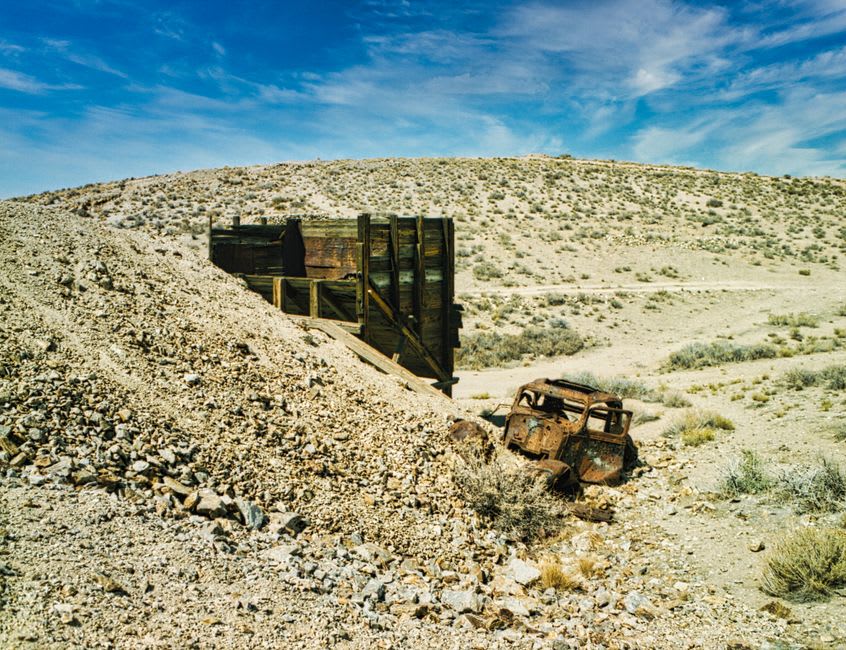
The island itself is small, dry, and volcanic, rising out of the water in low, barren hills of a strange greenish-brown color that comes directly from the peridot deposits beneath the surface — this is, as far as anyone can tell, the source referenced in ancient texts describing “Serpent Island,” mined continuously from pharaonic times through the Roman period and into relatively recent history before commercial deposits elsewhere made the mining here impractical. I walked up to the old mine workings on the island’s interior with our guide, past scattered tailings that still catch a faint green glint in direct sun, and picked up a fragment that he assured me was worthless as a gem but genuinely was peridot-bearing rock, which felt like touching something the pharaohs’ own miners might have handled.
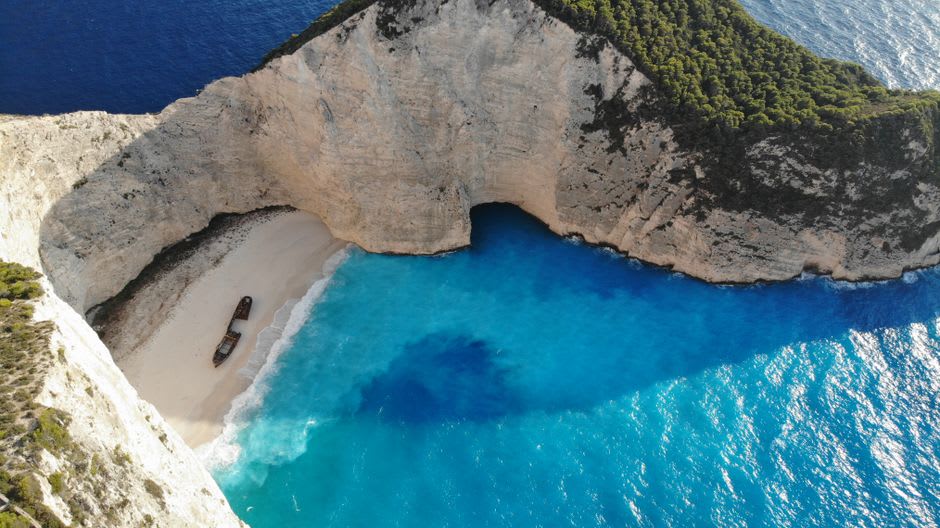
Underwater, Zabargad more than earns the detour on its own terms. The bay on the island’s western side has a shipwreck — the remains of a cargo vessel that ran aground decades ago — sitting in water clear enough that you can make out its outline from the surface before you even descend, and the surrounding reef, protected by sheer distance from the dive-shop traffic further north, had some of the healthiest hard coral cover I saw anywhere on the trip. A pod of dolphins passed through the bay while we were anchored there, unconnected to any tour or feeding routine, simply moving through on their own schedule, which felt different from the more curated dolphin encounters closer to Marsa Alam.
I stayed on deck that night longer than I should have, mostly because the darkness out there was more complete than anywhere else on the Red Sea coast — no resort lighting, no town glow on the horizon, just an island silhouette, a flat black sea, and more stars than I’d seen since the Sinai interior. Zabargad isn’t a place you get to casually, and that difficulty is, I think, the entire reason it still feels the way it does.
When to go: May through October, when calmer seas make the long liveaboard crossing manageable. This is an extended multi-day itinerary destination only — check with operators in Marsa Alam or Hurghada well in advance.
Keep exploring
More from Red Sea Coast
 red-sea-coast
 Abu Dabbab Bay
A shallow seagrass bay north of Marsa Alam where I floated for two hours waiting for a dugong and got one, which almost never happens to anyone who tells you it will.
Explore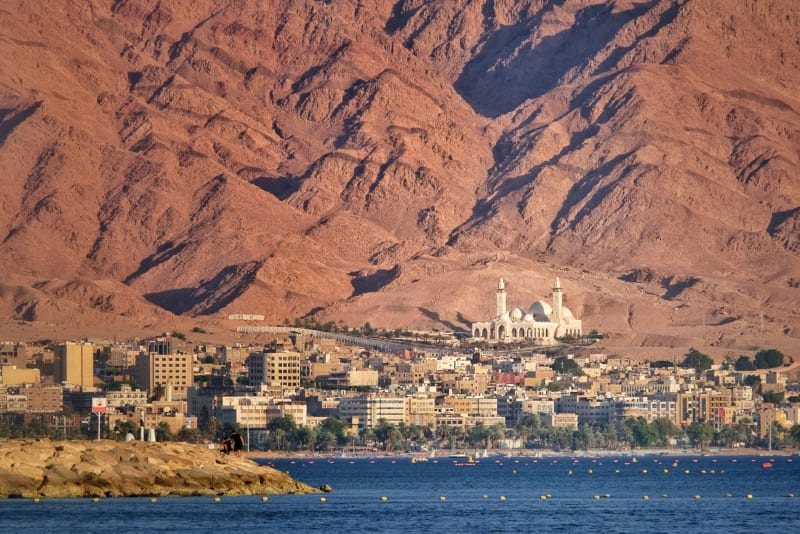 red-sea-coast
 Aqaba
Jordan's only window to the sea — a compact, working port city where you can dive on reefs from shore and see four countries from a single beach.
Explore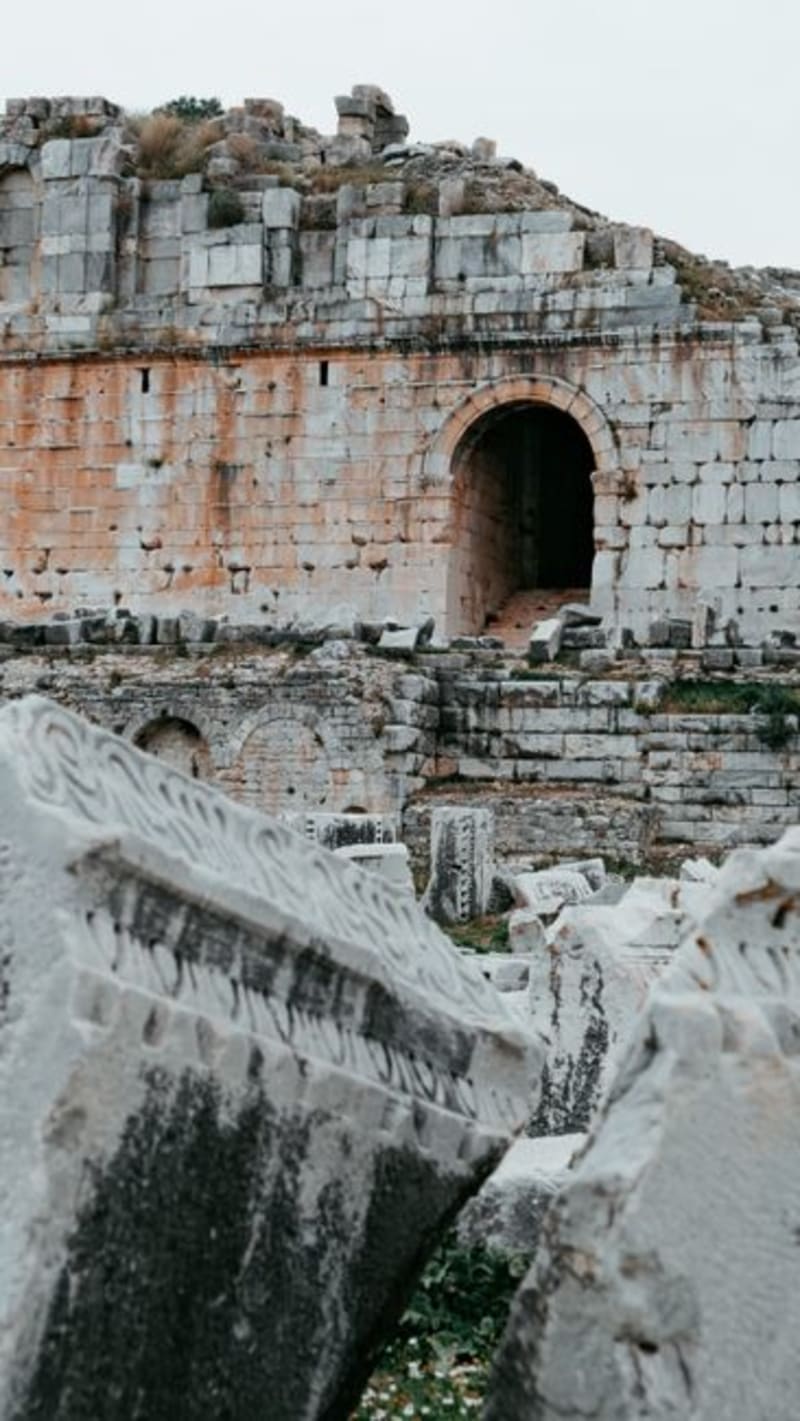 red-sea-coast
 Berenice
The southernmost town on Egypt's Red Sea coast, built on the ruins of a Ptolemaic port and still, remarkably, almost nobody's itinerary.
Explore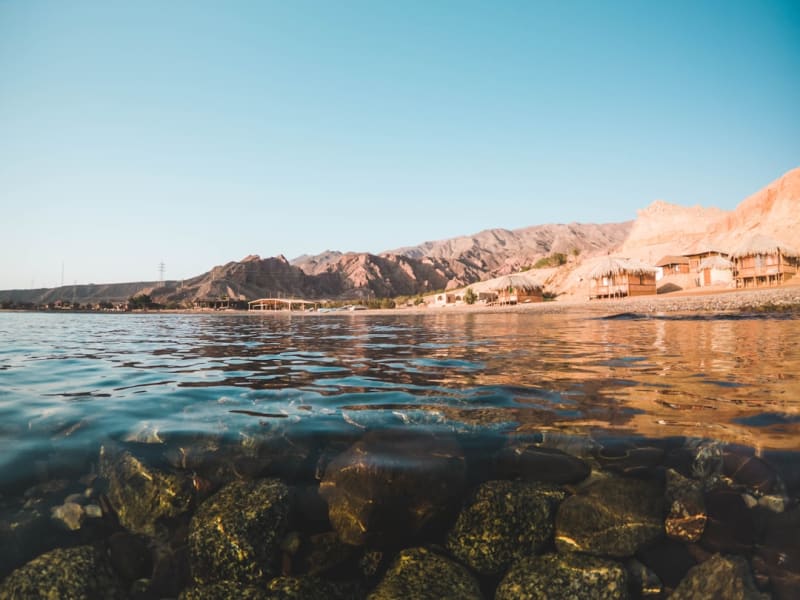 red-sea-coast
 Dahab
A sun-bleached Sinai village where the diving is world-class and the entire town seems to run on Nescafé and inertia.
Explore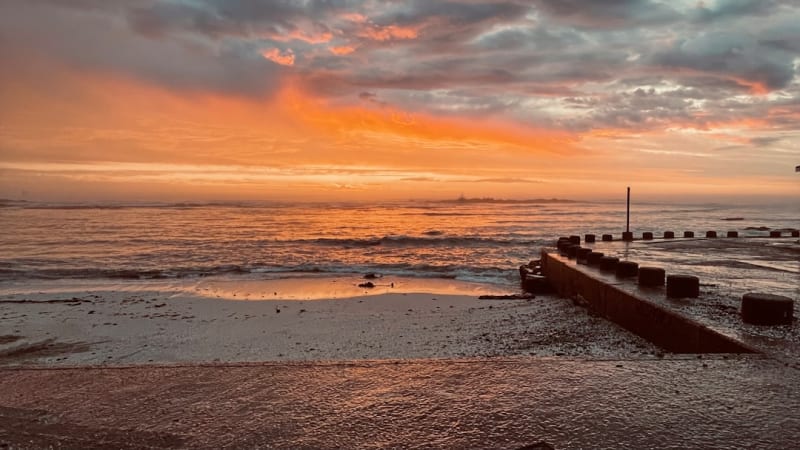 red-sea-coast
 El Quseir
A small Ottoman port town on the Egyptian coast where history sits in plain sight and the dive boats leave early enough to have the reefs to themselves.
Explore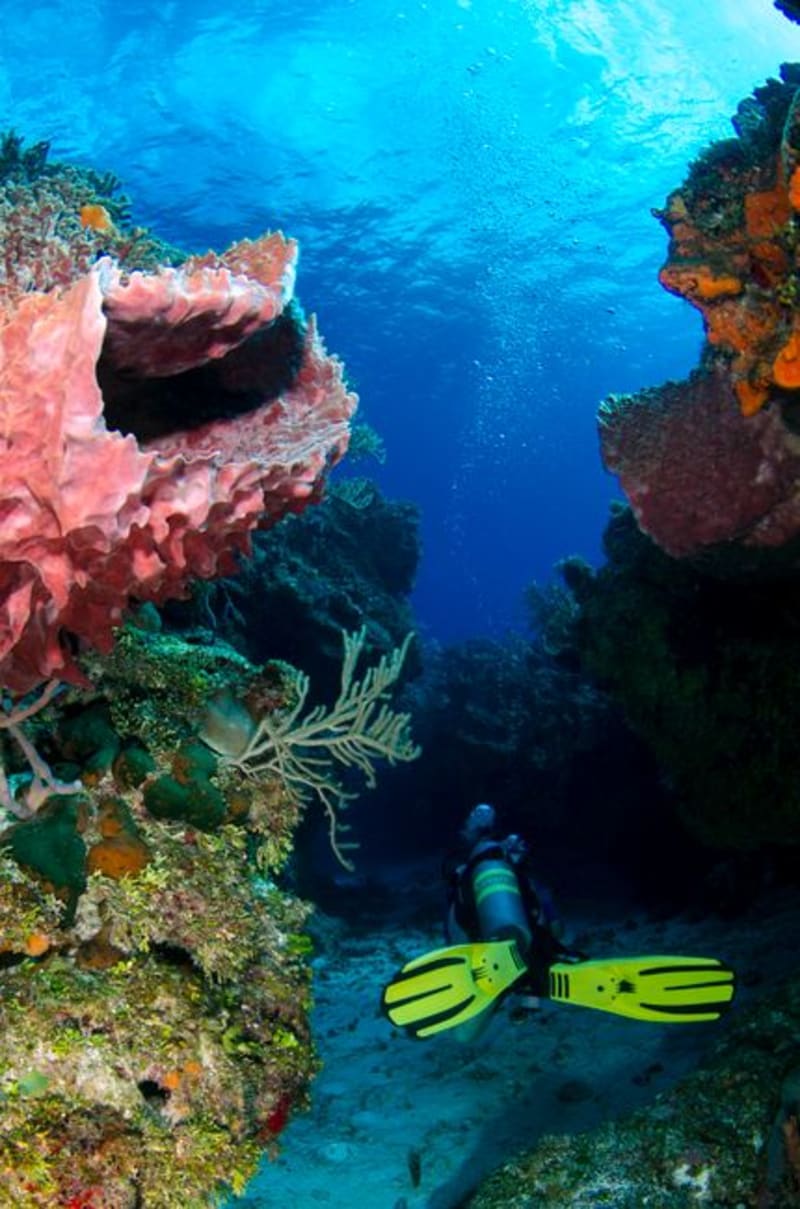 red-sea-coast
 Elphinstone Reef
An offshore pinnacle near Marsa Alam where the current does the work of separating people who should be there from people who shouldn't.
Explore