Safaga
"Safaga isn't pretty. Safaga is honest, and the wind makes up for everything."
A working port town where the wind never stops blowing, which is exactly why the windsurfers never stop coming.
Safaga is not a place anyone visits for the town itself, and I want to be upfront about that before I try to convince you it’s worth a stop. It’s a phosphate-exporting port with cargo cranes visible from the beach, a scattering of Soviet-era apartment blocks, and none of the manicured resort landscaping that Hurghada or Sharm spent decades building. My taxi driver from Hurghada actually laughed when I told him where I was headed. “For what?” he asked. “The wind,” I said, and he nodded like that answered everything, because for a certain kind of traveler it does.
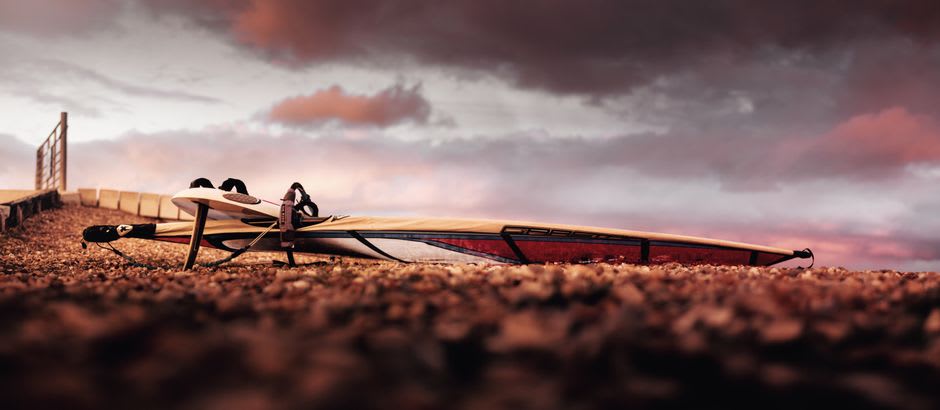
The bay at Safaga funnels wind with a consistency that windsurfers and kitesurfers talk about the way sommeliers talk about a good vintage — a thermal effect created by the desert heating up faster than the sea, pulling air across the water at a reliable fifteen to twenty-five knots most afternoons, day after day, for months at a time. I don’t windsurf well, but I rented a board anyway and spent an entire afternoon falling into flat, warm water while actual experts carved past me at speeds that looked more like flying than sailing. Nobody laughed at me. Everyone at that beach had been exactly where I was at some point.
Underwater, Safaga has a reputation among divers for something the glossier resorts up the coast can’t offer: proximity to genuinely undisturbed reef, without the boat traffic. The Panorama Reef and Middle Reef sites, a short hop offshore, get grey reef sharks and occasional hammerheads in numbers that made my dive guide visibly excited in a way that guides who’ve seen everything twice rarely are. Safaga is also, oddly, a medical tourism town — Egyptians and international patients come here for a form of psoriasis treatment that involves swimming in the mineral-rich water and sitting in the sun on black sand, a therapy that’s been studied seriously enough that a couple of specialized clinics operate right on the beach.
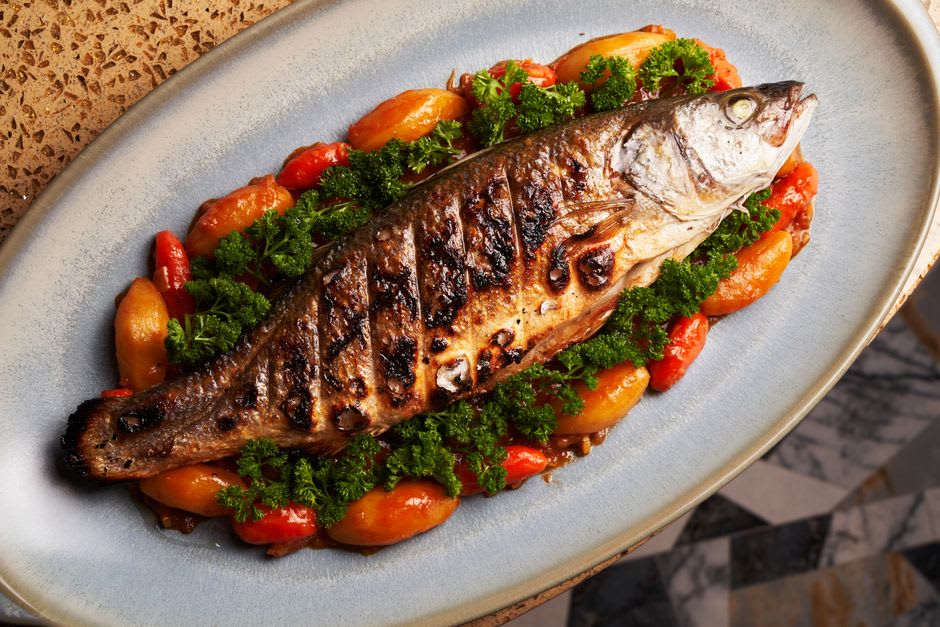
I ate dinner one night at a plastic-table restaurant a block back from the port, ordered without a menu because there wasn’t one, and got a whole grilled sea bream with rice and a garlic-lemon sauce that put every over-styled hotel buffet on this coast to shame. The owner sat with me for ten minutes afterward asking where I was from and telling me, with real pride, that his son windsurfs competitively now.
When to go: The wind is strongest and most consistent from June through September, which is peak windsurfing season despite the brutal daytime heat. Divers should aim for spring or autumn when conditions are calmer and visibility improves.
Keep exploring
More from Red Sea Coast
 red-sea-coast
 Sataya Reef
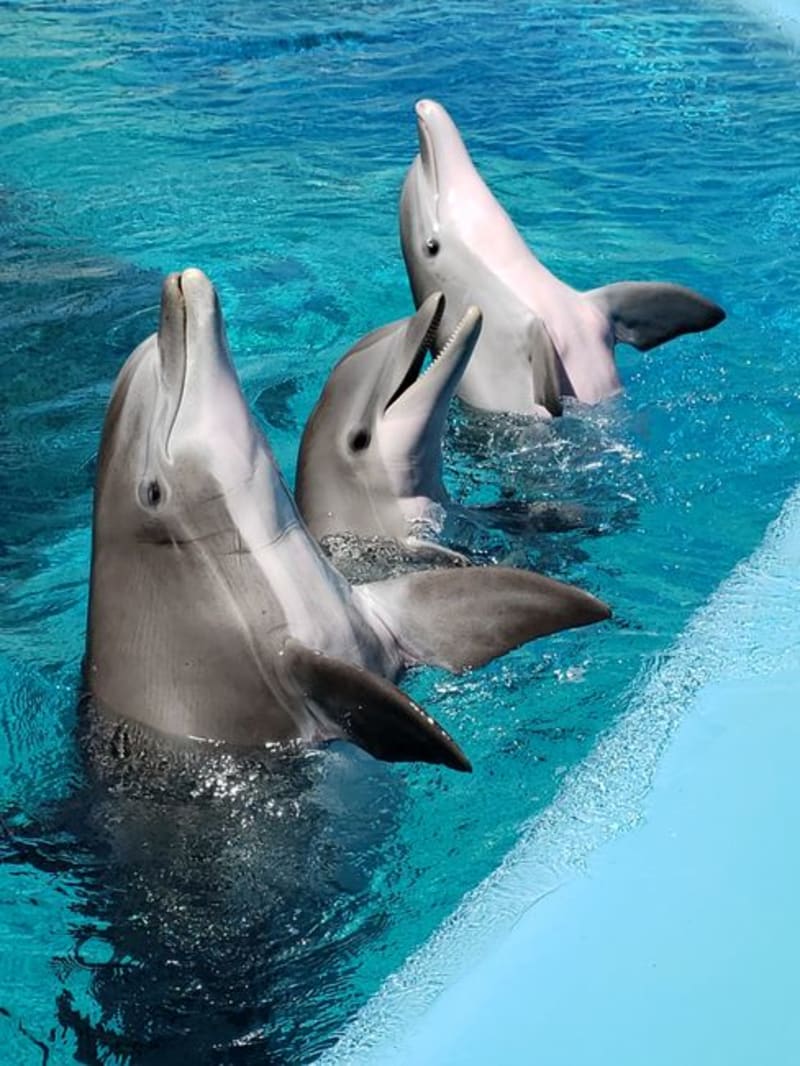
A crescent lagoon south of Marsa Alam known simply as Dolphin House, where a resident pod of spinner dolphins has made peace with visitors.
Explore red-sea-coast
 Sharm El Sheikh
A resort city at the tip of Sinai that I resisted for years and finally admitted has some of the best wall diving on the entire Red Sea.
Explore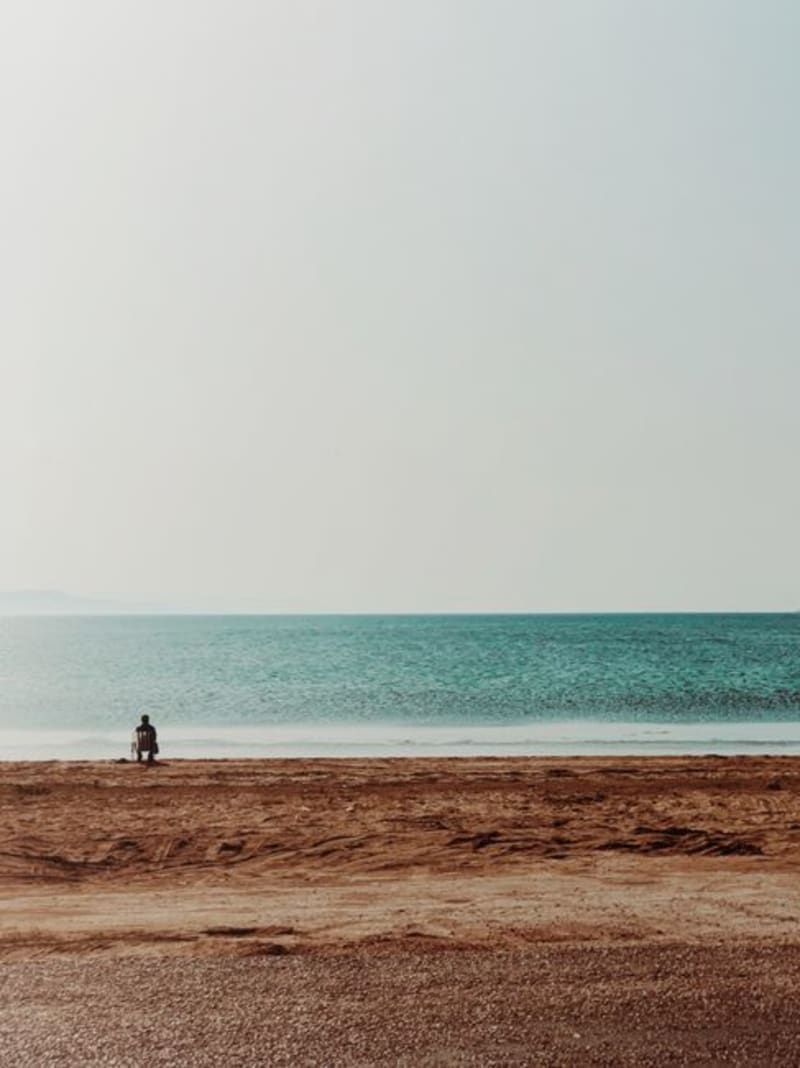 red-sea-coast
 Soma Bay
A private peninsula of hotels and a golf course that I went to skeptically and left having had one of the calmest weeks of the entire trip.
Explore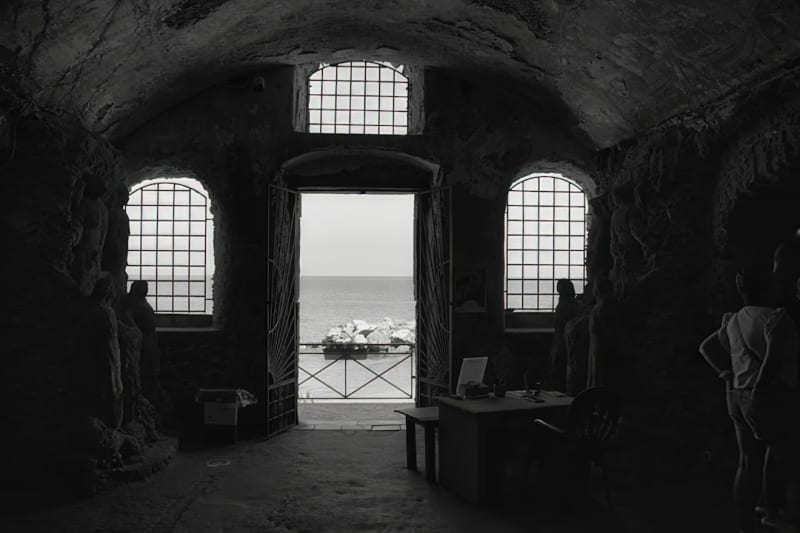 red-sea-coast
 St. Catherine's Monastery & Sinai Interior
A sixth-century monastery at the foot of Moses' mountain that has been continuously occupied for fifteen centuries — and arrives at dawn as a gift.
Explore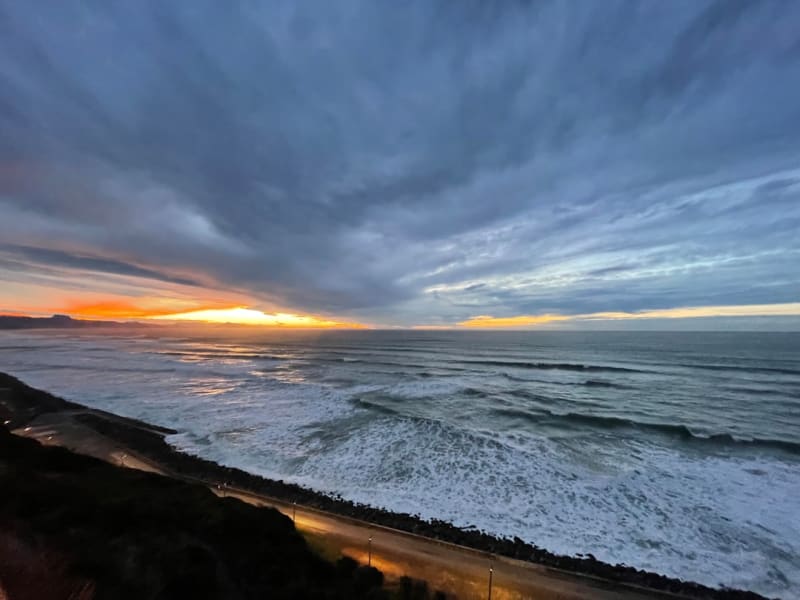 red-sea-coast
 Taba
The northern tip of the Gulf of Aqaba where Egypt ends, four countries converge, and Pharaoh's Island rises from the water like a medieval apparition.
Explore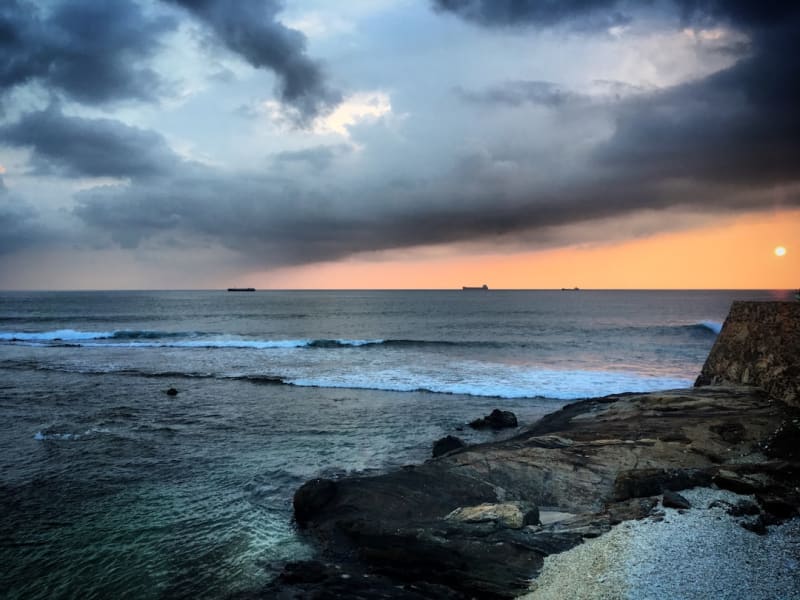 red-sea-coast
 Wadi El Gemal
A national park at the remote end of Egypt's Red Sea coast where nesting sea turtles, mangrove channels, and Bedouin villages share a wilderness that has no resort in sight.
Explore