Berenice
"I drove four extra hours to reach the end of the road, and the end of the road turned out to be worth it."
The southernmost town on Egypt's Red Sea coast, built on the ruins of a Ptolemaic port and still, remarkably, almost nobody's itinerary.
Berenice sits close to the Sudanese border, roughly a five-hour drive south of Marsa Alam along a coast road that gets emptier the further you go, until eventually you’re driving through nothing but hammada desert and the occasional checkpoint, and the Red Sea appears and disappears on your left like it’s testing whether you’re still paying attention. I went because a Cairo-based archaeologist I’d met in a bar in Luxor told me the ruins there were worth the drive and that almost no foreign travelers bothered. He was right on both counts, which is rare enough that I’m still slightly suspicious of how empty the site was.
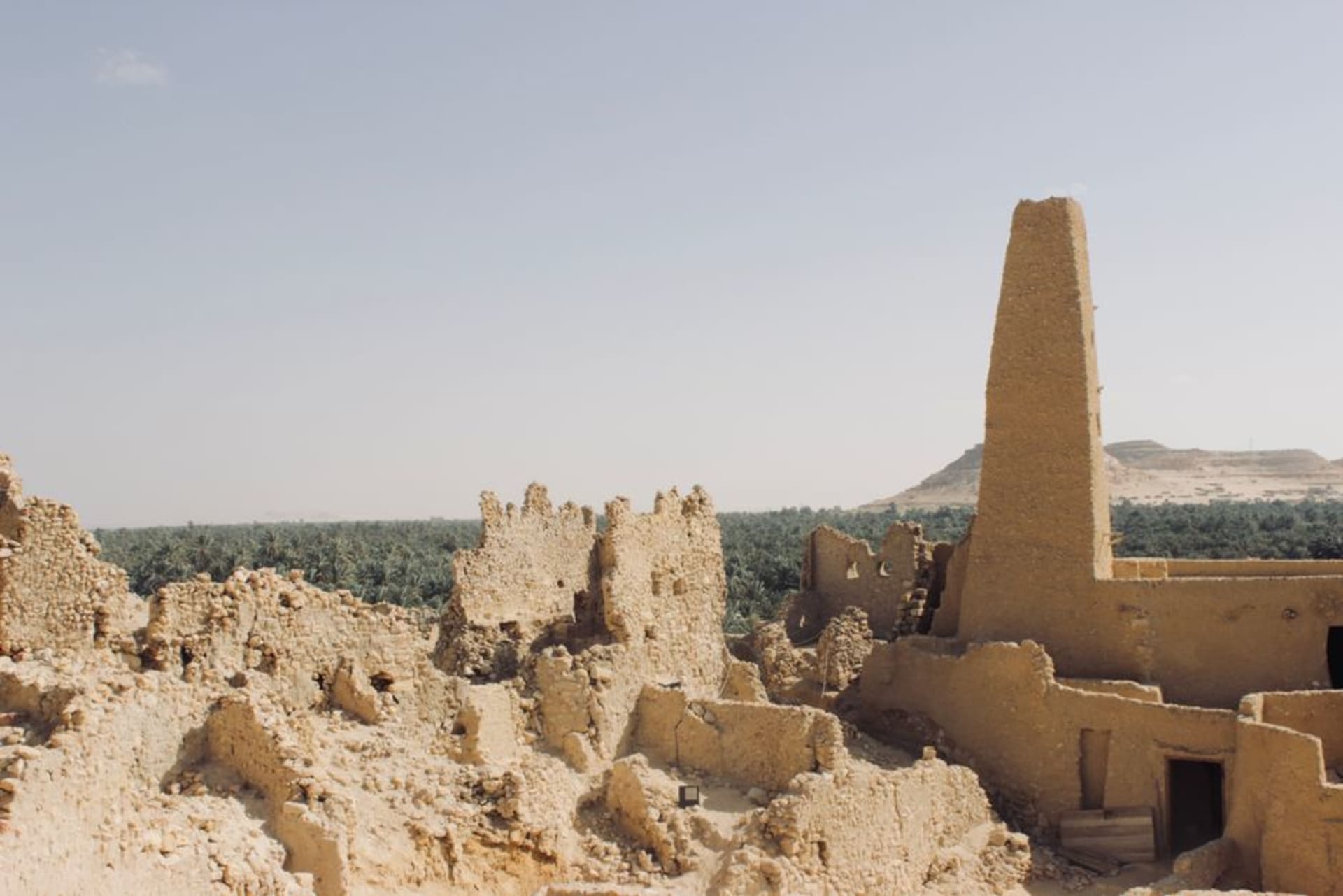
The town was founded around 275 BC by Ptolemy II and named for his mother, and for several centuries it functioned as one of the most important ports connecting Egypt to India and East Africa — elephants for the Ptolemaic army came through here, along with incense, ivory, and eventually the Roman trade goods that made this coastline briefly one of the wealthiest corridors in the ancient world. The excavated remains include a temple to Serapis and stretches of a fortified port wall, low stone foundations scattered across a flat, wind-scoured site with the sea a few hundred meters away and absolutely no fencing, ticket booth, or other visitor to share it with. I stood in what used to be the temple’s inner chamber and could hear nothing except wind and, faintly, the sea.
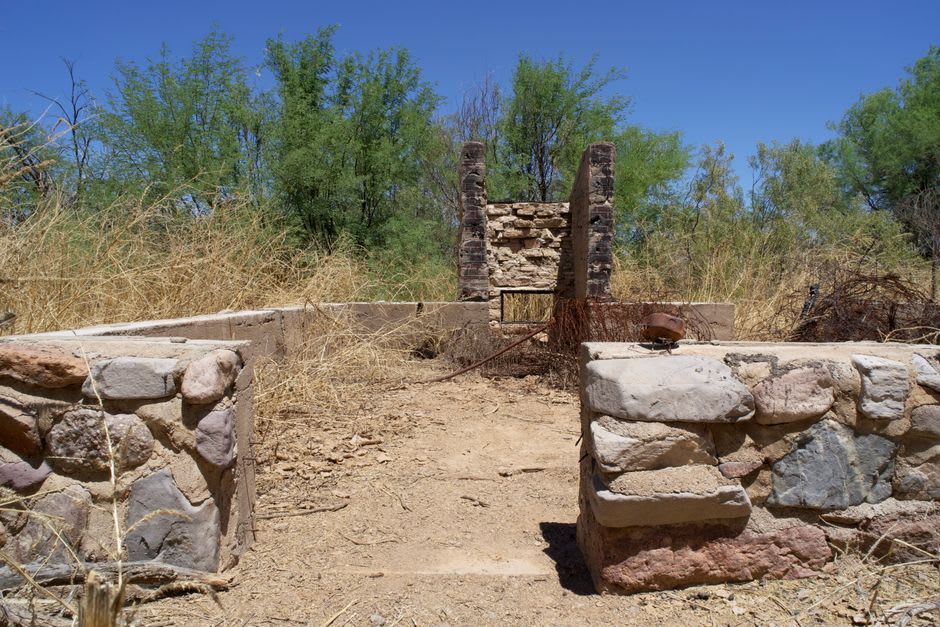
The modern town itself is small and functional — a fishing and mining settlement with a scattering of shops, a mosque, and a naval presence given the proximity to the border, and I want to be honest that there’s not much to do there in the conventional sense. But the coastline south of town, largely untouched by the dive industry that has built up so heavily around Marsa Alam, has reef systems that a couple of specialist liveaboards visit precisely because almost nobody else does. I took a half-day boat trip out with a local fisherman turned guide and free-dived over a reef so undisturbed that groupers the size of dogs simply held their ground as we swam past.
What stays with me about Berenice isn’t any single sight but the feeling of having reached an actual edge — geographically, historically, and in terms of how far the tourist infrastructure of this coast extends. Past Berenice there’s very little until the border, and that emptiness felt earned rather than accidental, a place still functioning on its own terms.
When to go: October through April, when the desert heat is manageable and the border-area road conditions are most reliable. Arrange permits and any liveaboard connections in advance from Marsa Alam or Cairo — infrastructure here is minimal by design.