
Kumbhalgarh Fort
"I've stood on a lot of old walls, but never one I couldn't see the end of."
A 36-kilometer wall snaking over the Aravalli Hills, guarding the birthplace of a warrior king who never bowed to the Mughals.
We drove up from Udaipur before sunrise, and I remember Lia dozing against the window while the road climbed into the Aravalli Hills, all scrub and boulders turning gold. I’d read the numbers before we left — a wall stretching some 36 kilometers, earning Kumbhalgarh the nickname “the Great Wall of India” — but numbers like that don’t mean anything until you’re standing under the main gate and the wall just keeps going, disappearing over one ridge and reappearing on the next, and the next after that. Rana Kumbha built this in the mid-15th century, and honestly, I spent the first twenty minutes just turning in circles trying to take in the scale of it.
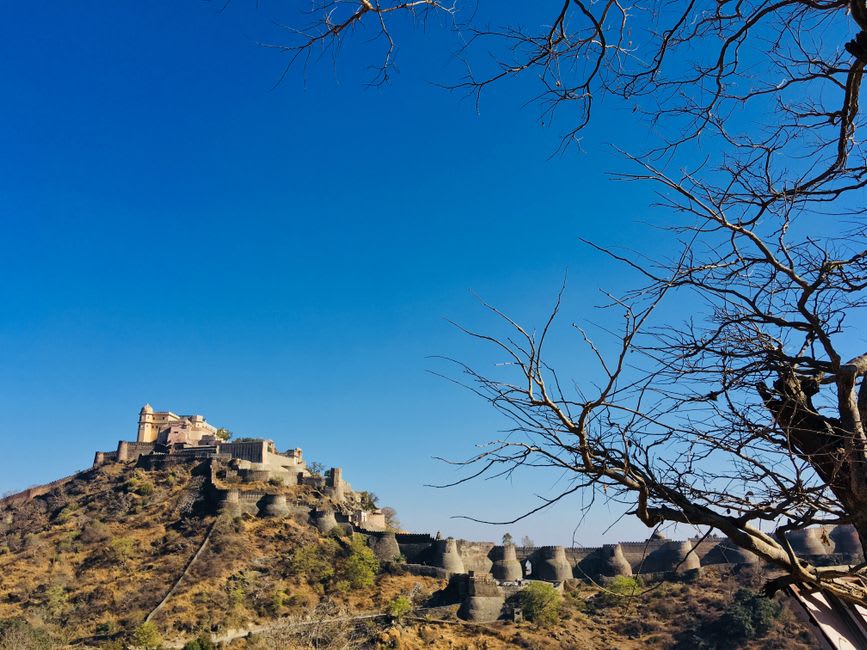
What got me more than the wall, though, was learning we were walking through the birthplace of Maharana Pratap. There’s a modest chhatri marking the spot inside the fort where he was born in 1540, and it’s strange how a small, quiet stone pavilion can hit harder than the sprawling ramparts around it. This is the man who spent his life resisting Mughal expansion, and standing there I found myself explaining to Lia — half from memory, half improvising — why Rajasthanis still speak of him with the kind of reverence usually reserved for saints, not soldiers.
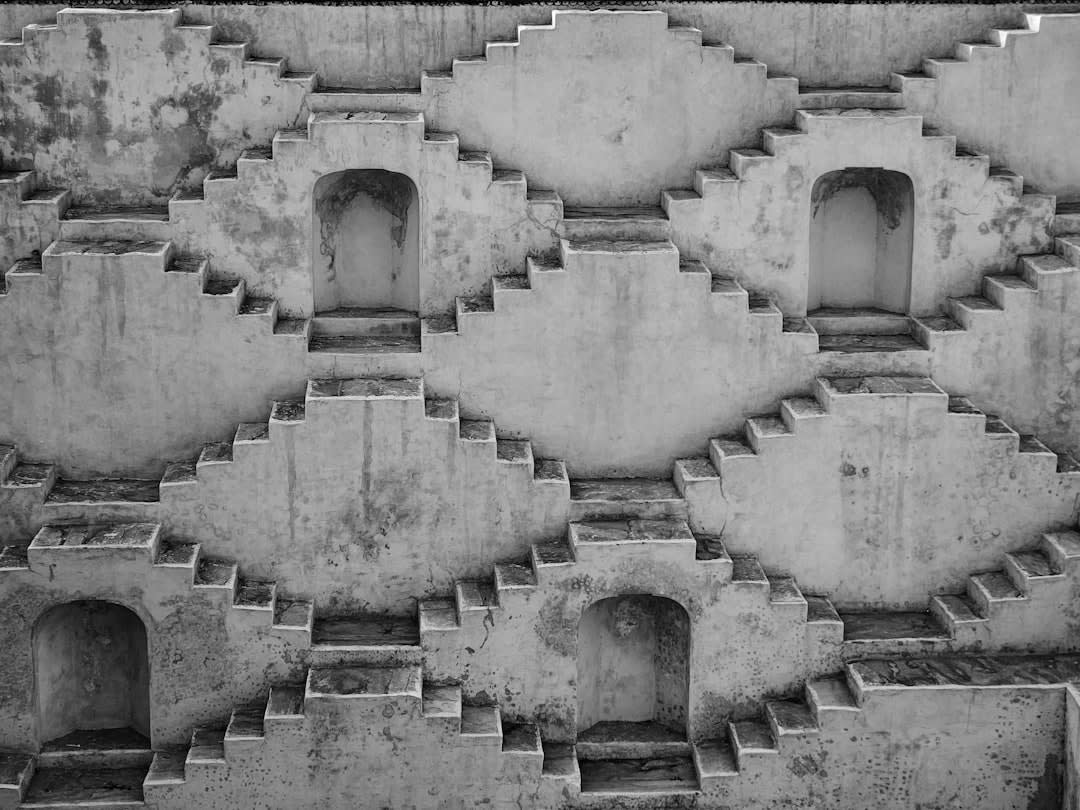
We spent close to three hours walking sections of the rampart, stopping constantly for Lia to photograph the way the wall curved along the contour of the land like it had grown there rather than been built. Inside the fort there are dozens of temples, palace ruins, and stepwells worth wandering into if you have the legs left after the climb — we didn’t manage all of them, and I’ve already told Lia we owe ourselves a second trip.
Kumbhalgarh was inscribed as part of the UNESCO World Heritage Site “Hill Forts of Rajasthan” in 2013, and walking away from it that evening, sunburnt and a little dazed, I understood why — this isn’t just a fort, it’s a whole landscape shaped around defense, patience, and stubbornness.
When to go: Aim for October through March — we went in November and were grateful for it, because there’s a lot of open, shadeless rampart to walk, and the cooler daytime temperatures make the difference between enjoying it and enduring it.