Keoladeo National Park
"I came for the birds and left thinking about kings who once hunted them for sport."
A former royal hunting ground turned UNESCO wetland sanctuary, where dawn light and thousands of wings make Bharatpur unforgettable.
Lia and I hired bicycles at the gate in Bharatpur before the sun was properly up, and within ten minutes the noise of the road had disappeared completely. That’s the strange thing about Keoladeo: you’re a short ride from a busy Rajasthani town, and then suddenly you’re pedaling down a quiet causeway between marshes, with nothing but the creak of your own wheels and, somewhere off in the reeds, an explosion of wings. It took me a moment to remember that this whole place was built, not born — the Maharajas of Bharatpur dammed these wetlands generations ago as a duck-hunting reserve, and the bird numbers that once made it a great shooting ground are the same ones that make it, today, one of the most extraordinary sanctuaries I’ve visited anywhere.
We stopped a dozen times before breakfast, mostly because our guide kept whispering names under his breath — painted stork, spoonbill, darter — and pointing at trees that, from a distance, just looked like they had strange grey fruit hanging from every branch until you realized it was a rookery of thirty birds. I’m not really a birder in any serious sense, but Keoladeo makes you one for a day. Somewhere around 370 species have been recorded moving through this patchwork of marsh, grassland and woodland, and the park earned its UNESCO World Heritage status back in 1985 for exactly that reason — it’s man-made, but it works like nowhere else.
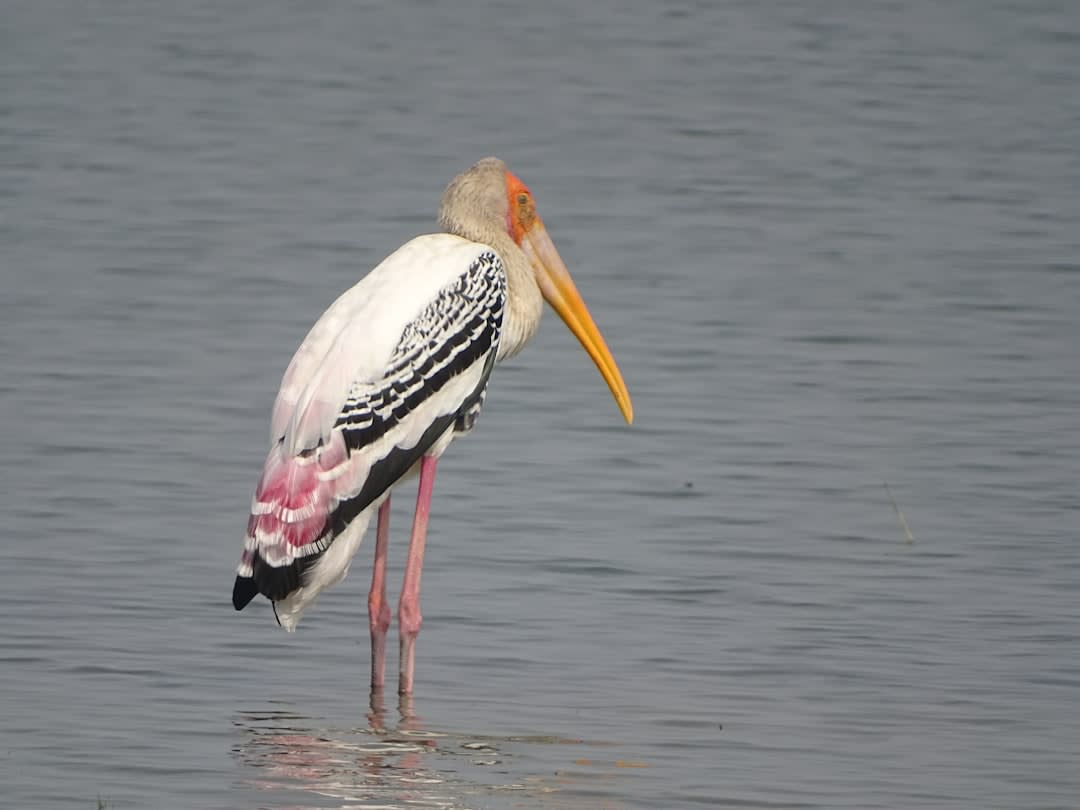
There’s a melancholy layer to the place too. Our guide told us, almost in passing, about the Siberian cranes that used to winter here — tall, pale, impossibly elegant birds that made the long journey down from the Arctic circle. Nobody has confirmed a sighting here in decades, and he said it plainly, without much drama, the way you mention an old friend who stopped writing. I found myself scanning the horizon anyway, half-hoping, knowing better. It’s a good reminder that a sanctuary like this is never a finished project — it’s a place you keep showing up for.
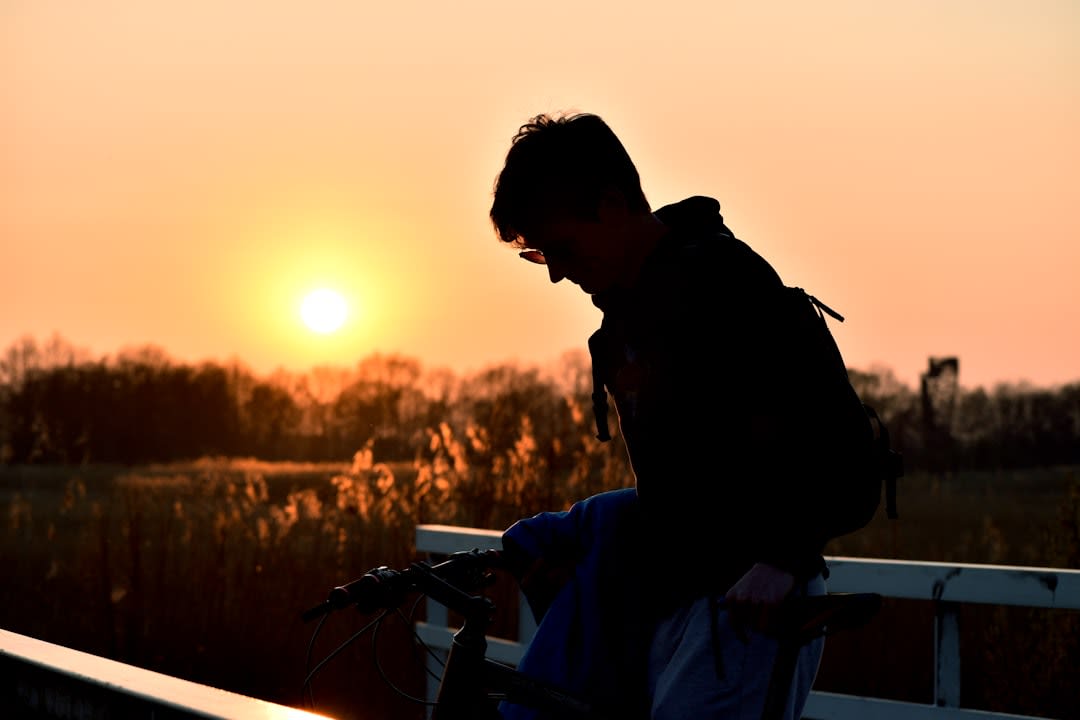
By mid-morning the light had gone flat and white and most of the birds had settled into the shade, so we found a spot near one of the old hunting platforms and just sat with our thermos of chai, watching a pair of storks stalk through the shallows. It’s one of those mornings that reorganizes how you think about a place — Bharatpur went from a name on a map to somewhere I’d genuinely like to return to, ideally with better binoculars.
When to go: Visit between October and February, when the migratory waterfowl are at their peak and the marshes are busiest with wings — arrive at first light if you can.
Keep exploring
More from Rajasthan
 rajasthan
 Kumbhalgarh Fort
A 36-kilometer wall snaking over the Aravalli Hills, guarding the birthplace of a warrior king who never bowed to the Mughals.
Explore rajasthan
 Mount Abu
Rajasthan's only hill station, where the desert state trades its sandstone and camels for pine trees, cool air, and marble temple carvings that look like frozen lace.
Explore rajasthan
 Pushkar
A sacred lake town of ghats and temple bells that transforms each November into the world's most extraordinary camel fair.
Explore rajasthan
 Ranthambore
A tiger reserve where a tenth-century fort rises from the jungle and Bengal tigers share their territory with Ganesh pilgrims and ancient temple bells.
Explore rajasthan
 Shekhawati
An open-air fresco museum spread across a dozen desert villages, painted by merchant families who'd heard about trains and steam ships but never seen them.
Explore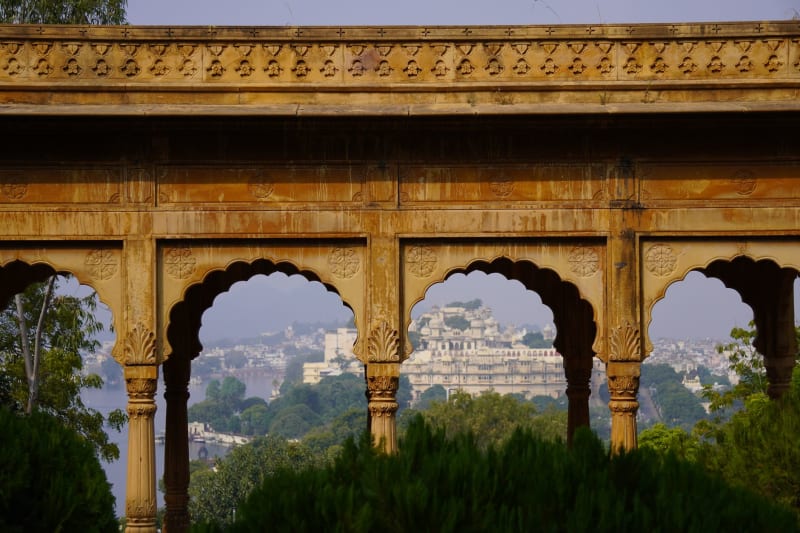 rajasthan
 Udaipur
A city built around a lake so still at dawn the City Palace seems to float rather than stand — Rajasthan's most improbably beautiful place.
Explore