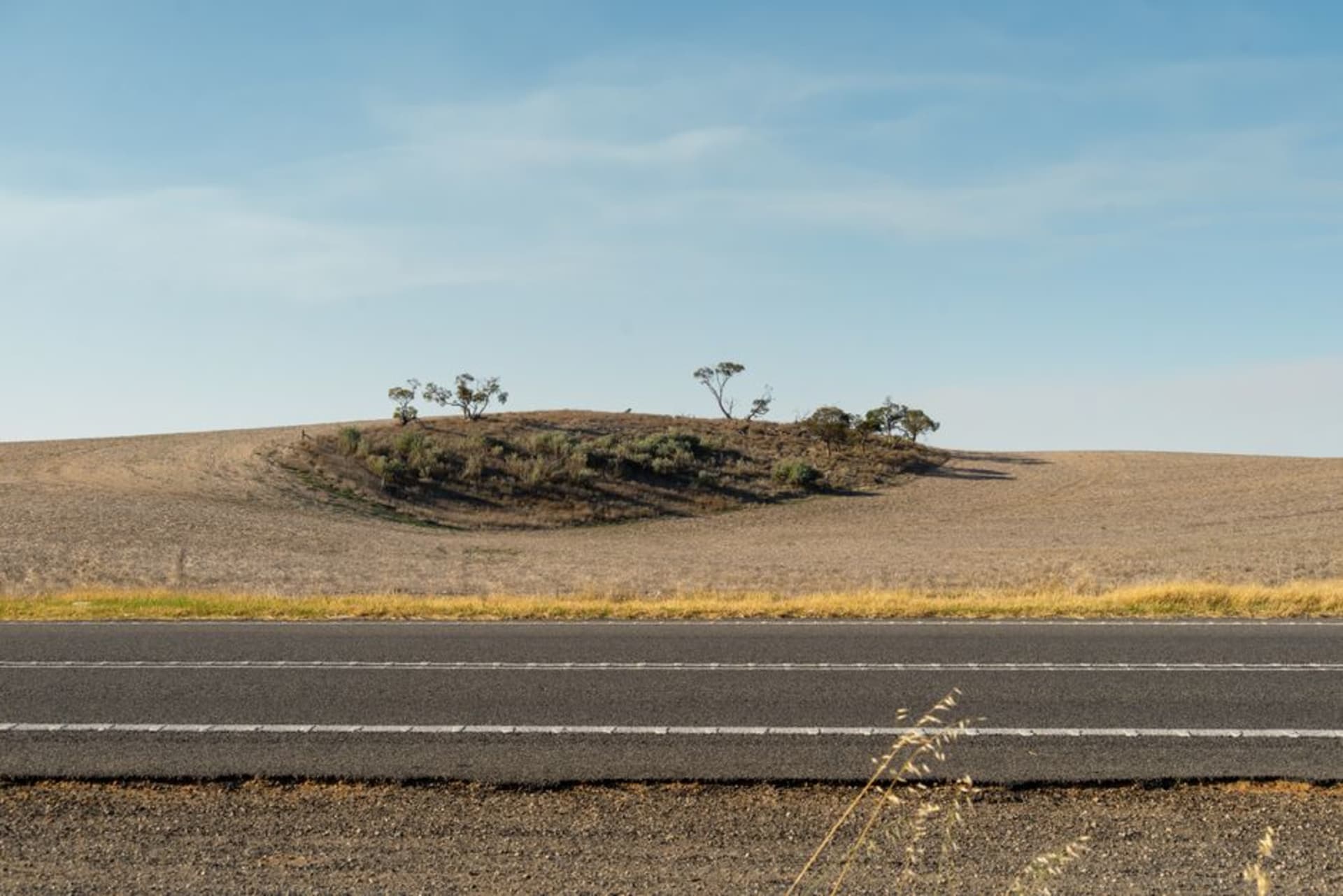
Longreach
"Qantas started here because the horizon never stops being flat enough to land on."
The heart of Queensland's outback channel country, birthplace of Qantas and home to the Stockman's Hall of Fame, where the horizon is flat in every direction you look.
Longreach sits almost exactly in the middle of nowhere by design, which is precisely why it matters: this is the geographic and cultural centre of gravity for Queensland’s outback, a town of a few thousand people surrounded by cattle stations so large that neighbours are measured in hours rather than kilometres. I flew in on a small propeller plane from Brisbane, watching the landscape below turn from green coast to brown channel country in the space of the flight, mitchell grass plains stretching flat to a horizon with nothing on it — no hill, no tree line, just curvature.
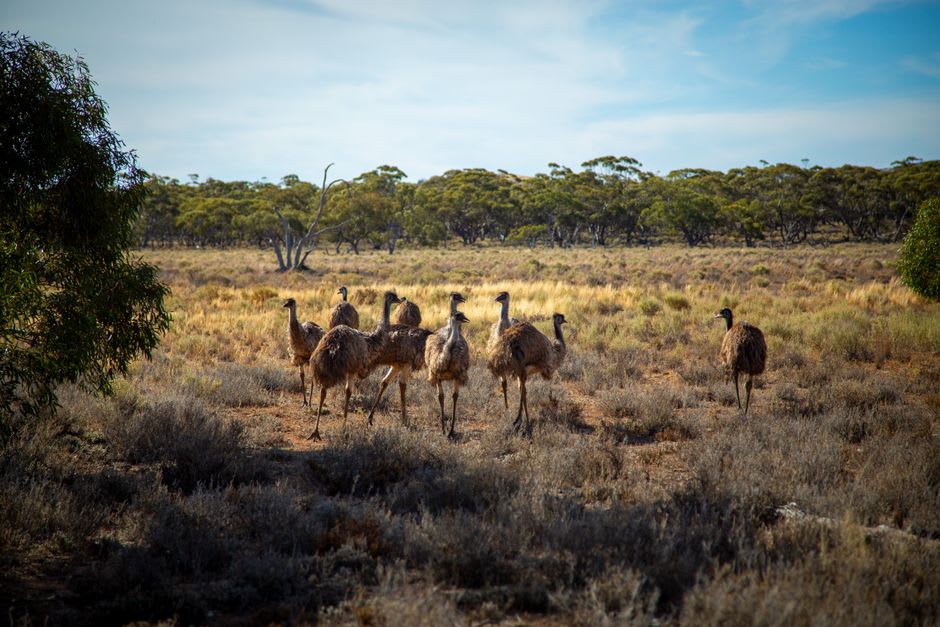
Qantas, now one of the world’s oldest continuously operating airlines, was founded here in 1920 — Q.A.N.T.A.S. standing for Queensland and Northern Territory Aerial Services — precisely because this flat, remote terrain made aviation the only sensible way to connect scattered outback communities, and the Qantas Founders Museum in town does a genuinely good job of explaining why a country town this small ended up at the centre of Australian aviation history, right down to a retired 747 you can walk through and a Boeing 707 you can climb up to the cockpit of.
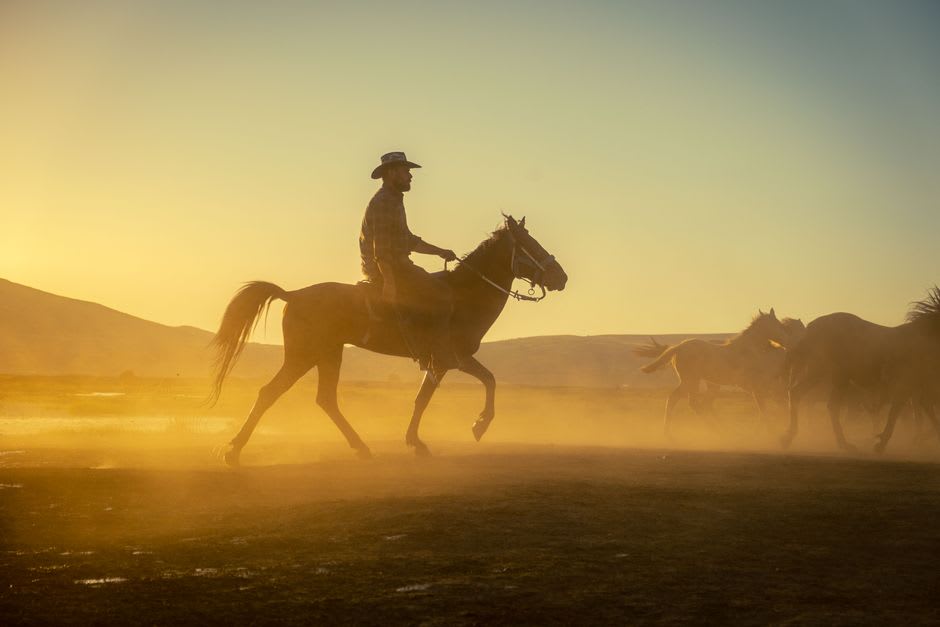
The Australian Stockman’s Hall of Fame is the other reason people make the long drive or flight out here, and I went in expecting a dry museum of ranching memorabilia and came out having watched a genuinely moving stockmen and horsemanship show in the yard outside — stock horses working cattle, whip-cracking, working dogs handling sheep with an economy of movement that made clear how much skill actually underpins the mythology of the Australian bushman. The museum itself traces the often brutal history of pastoral settlement honestly, including the role and displacement of Aboriginal stockmen and station workers whose labour built the industry the museum celebrates.
I took a sunset cruise on the Thomson River on an old paddlewheeler, the flat channel country going gold and then purple as the sun dropped, and the sheer scale of silence out here — no traffic, no other town’s light pollution, just the river and the birds settling for the night — did more to reset my sense of Australia’s size than any amount of looking at a map ever had.
When to go: April through September avoids the worst of the outback heat, when daytime temperatures regularly climb well past 40°C in summer. Winter nights get surprisingly cold, so pack layers even if you arrived thinking of Queensland as a purely tropical state.