Agnes Water and Town of 1770
"Where Cook first stepped ashore in Queensland, and where I finally slowed down."
The southernmost point of the Great Barrier Reef and Queensland's official birthplace, twinned into one unhurried coastal outpost with the best surf north of Noosa.
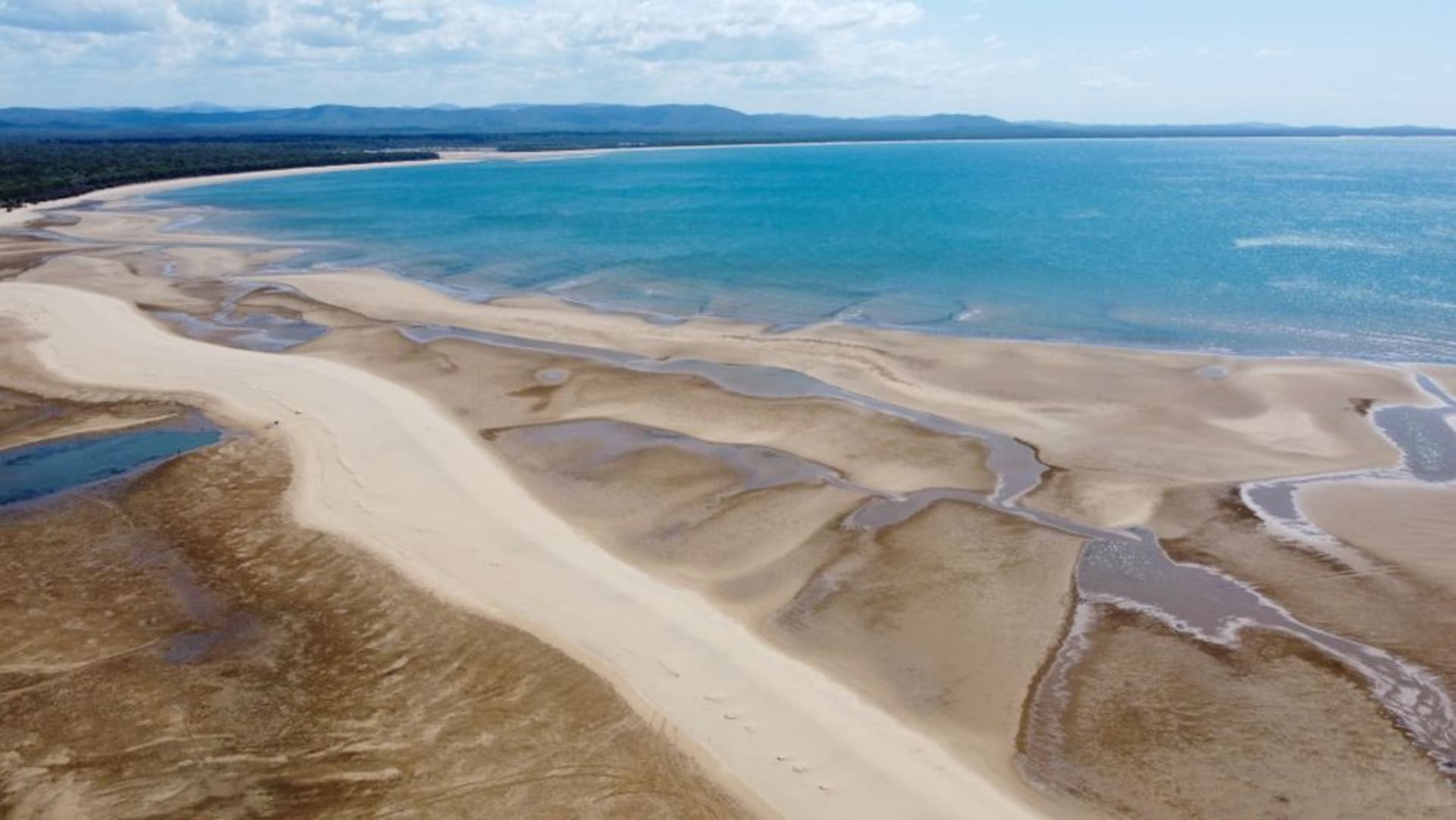
Agnes Water and the Town of 1770 sit at the end of a road most people driving the coast highway never think to take, which is precisely the point. This pair of small settlements — Agnes Water with its surf beach, 1770 a few kilometres on at the tip of a headland — mark the spot where James Cook made his second landing in Australia in May 1770, and the town has taken its name and its low-key relationship with that history seriously without turning it into a theme park. There’s a small museum, a monument, and otherwise the place gets on with being a quiet fishing and surfing community that happens to sit at a genuinely significant point on the map.
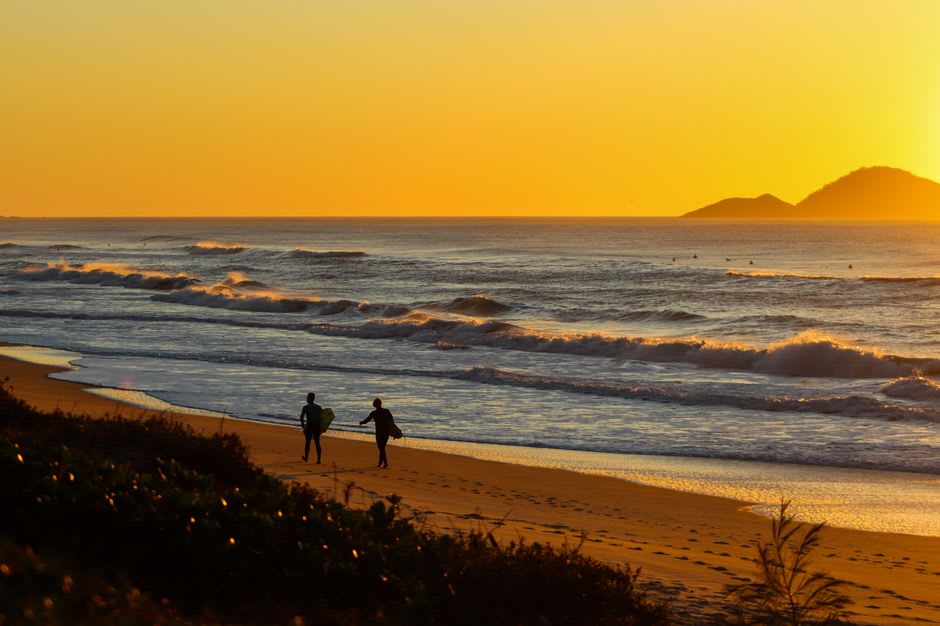
What drew me here originally was the surf — Agnes Water is the last reliable surf beach as you travel north, since the Great Barrier Reef begins offshore from this point and absorbs the swell for the next two thousand kilometres. I spent four days doing nothing but paddling out at dawn, eating fish and chips at the same table each evening, and watching the pelicans work the tidal flats, and it did more for my mental state than most of the more deliberate wellness travel I’ve paid considerably more for. The town has just enough infrastructure — a handful of cafes, a pub, a surf school — without ever tipping into resort territory.
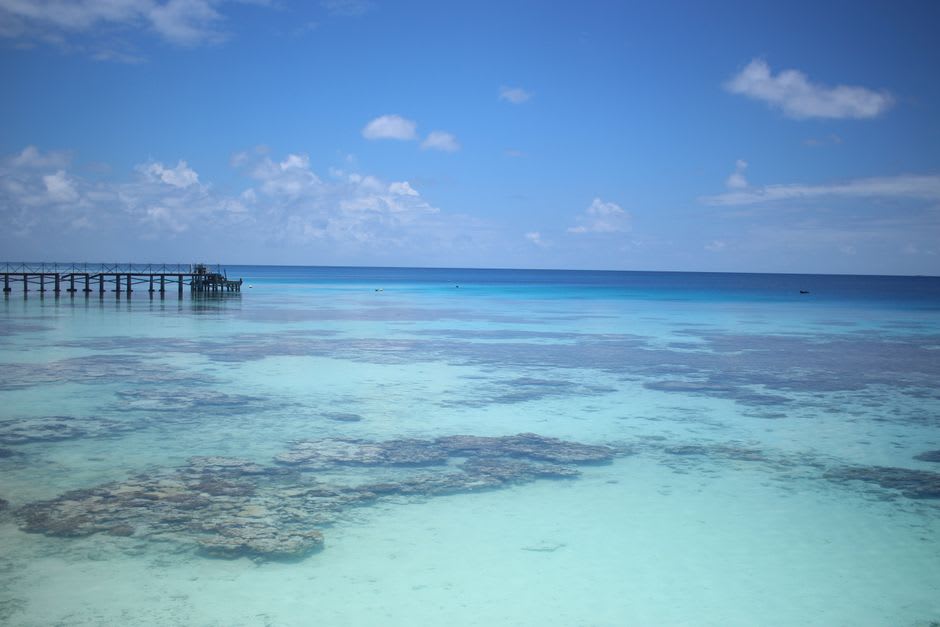
From 1770 itself, boats run out to Lady Musgrave Island, a genuine coral cay at the southern tip of the reef system, ringed by a lagoon so clear and shallow that snorkelling straight off the beach rivals dive sites elsewhere that require serious money and a wetsuit. I went out on a day trip and spent most of it drifting face-down over coral gardens a few metres below, turtles moving past with the unhurried confidence of animals who own the place, which, functionally, they do.
Sunset from the headland at 1770, looking back down Bustard Bay with the fishing boats coming in for the evening, is the kind of view that doesn’t photograph as well as it feels to stand in front of, which might explain why so few people bother making the detour to see it.
When to go: September through November gives warm water, good surf and comfortable temperatures before the full heat and humidity of summer arrive. The Lady Musgrave Island boat trips run year-round but are calmest and clearest from April to November.
Keep exploring
More from Queensland
 queensland
 Airlie Beach
The mainland gateway to the Whitsundays — a compact, unpretentious sailing town where backpackers and yacht owners drink at the same bars.
Explore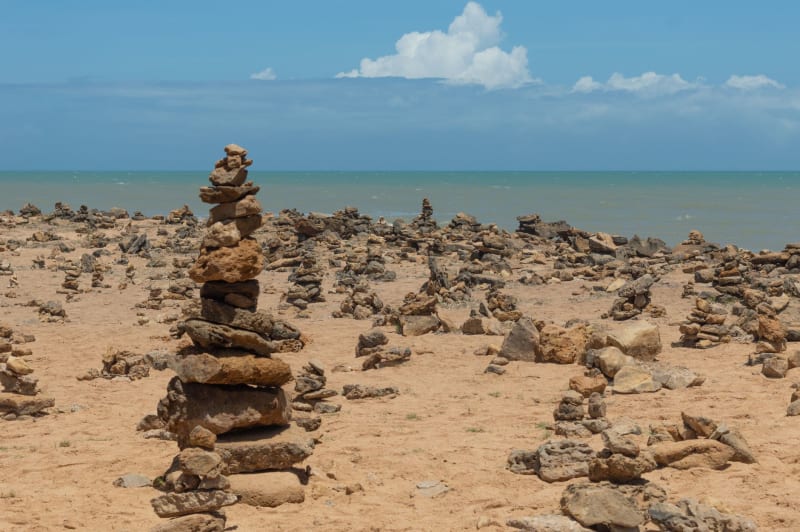 queensland
 Cairns
A city built entirely around the act of departure — for the reef, the rainforest, the Cape — and somehow remarkable for it.
Explore queensland
 Cape York Peninsula
Australia's last genuinely remote frontier — red dirt tracks, crocodile rivers, ancient rock art, and a tip-of-the-continent ending that earns every kilometre of dust.
Explore queensland
 Carnarvon Gorge
A sandstone canyon deep in Queensland's central highlands, cut by a permanent creek and lined with Aboriginal rock art thousands of years old.
Explore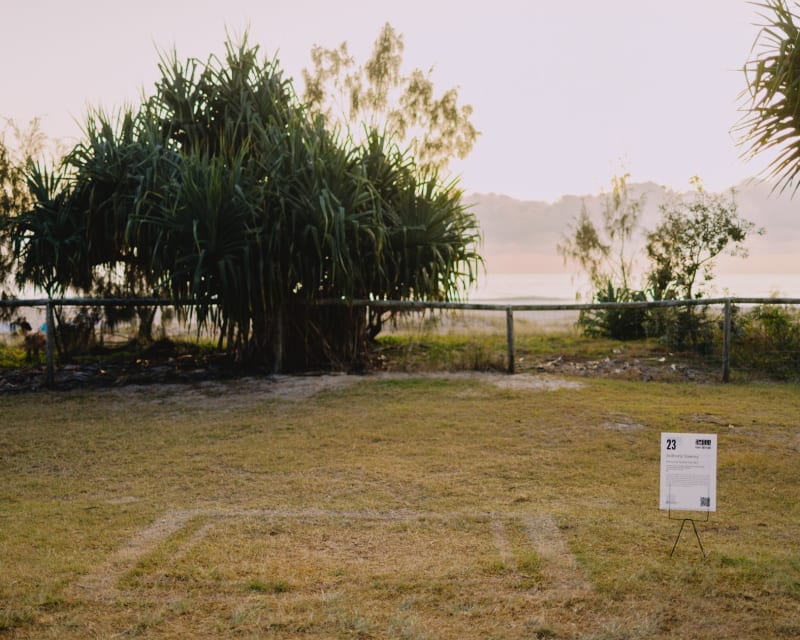 queensland
 Cooktown
The end of the sealed road in Far North Queensland — a small river town with deep colonial history, a sky full of stars, and the distinct feeling of having arrived somewhere real.
Explore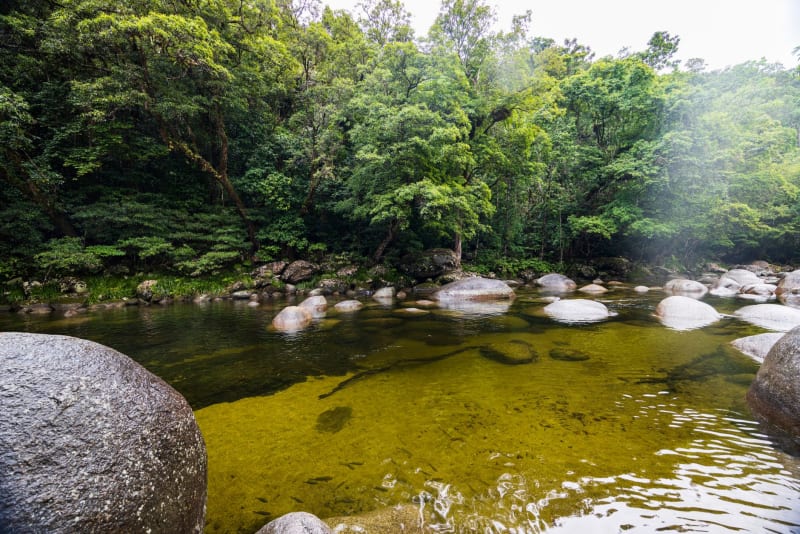 queensland
 Daintree Rainforest
The world's oldest surviving tropical rainforest, 135 million years uninterrupted, where the trees predate the continent they grow on.
Explore