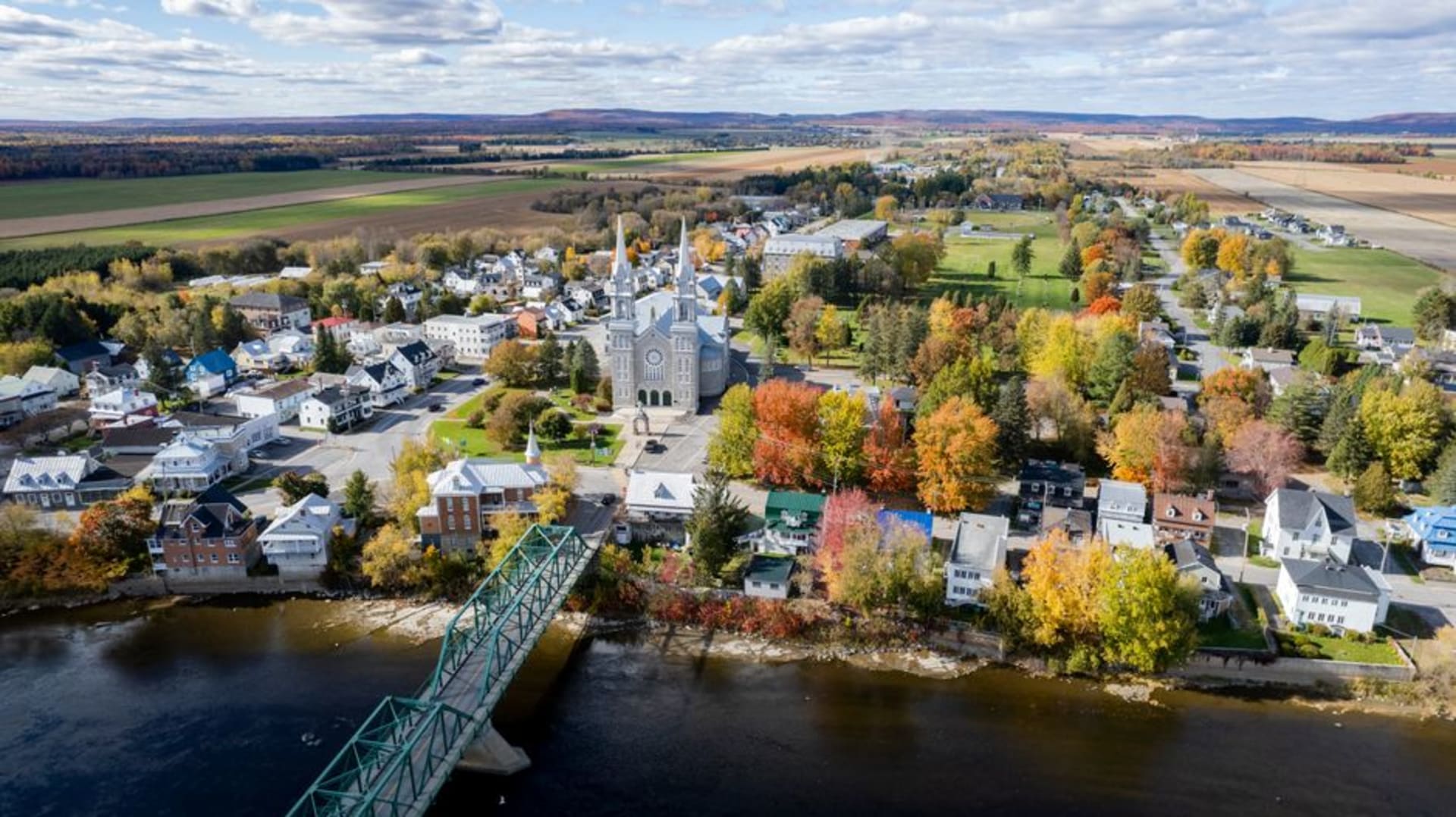
Sainte-Adèle
"Half the Laurentians are built for adrenaline. Sainte-Adèle is built for the opposite."
A quieter Laurentian town of spas and lakeside inns, built into the folds of the hills and best known for turning relaxation into a genuine local industry.
Sainte-Adèle sits between Saint-Sauveur and Sainte-Agathe on the old Route 117, and while its neighbours built their identities around skiing and lake culture respectively, Sainte-Adèle quietly became the spa capital of the Laurentians. The town and its surrounding hills host several of the best Nordic-style spas in Quebec — outdoor hot pools, cold plunge basins fed by mountain runoff, saunas built into converted barns — and the whole concept works because of the setting: forested hillsides, real winter cold, and enough space between establishments that you never feel like you’re queueing for relaxation.
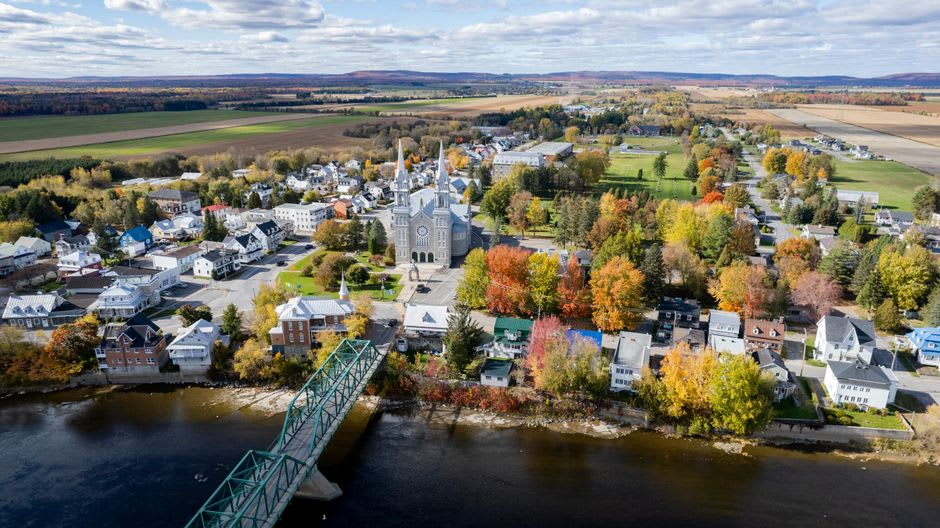
We spent a full day at one of the larger spa complexes outside town in February, cycling through the hot-cold-rest sequence that Nordic spa culture is built on — fifteen minutes in a pool hot enough to fog your glasses, a plunge into water cold enough to make you gasp audibly, and then twenty minutes wrapped in a blanket by an outdoor fire doing absolutely nothing. Lia, who’s normally incapable of sitting still for more than ten minutes, went almost silent for the entire afternoon, which I’ve since learned is the actual point of the exercise. I left more relaxed than I have been in years of trying to relax on purpose elsewhere.
Sainte-Adèle also has a genuine literary history — the writer Claude-Henri Grignon, author of the Quebec classic “Un homme et son péché,” lived and set his fictional village here, and a small heritage site, Le Village de Séraphin, recreates the world of his novel with period buildings you can walk through. It’s a strange, specific kind of tourist attraction, more meaningful if you know the source material, but atmospheric even if you don’t — old wooden buildings set into the same hills the writer actually lived among.
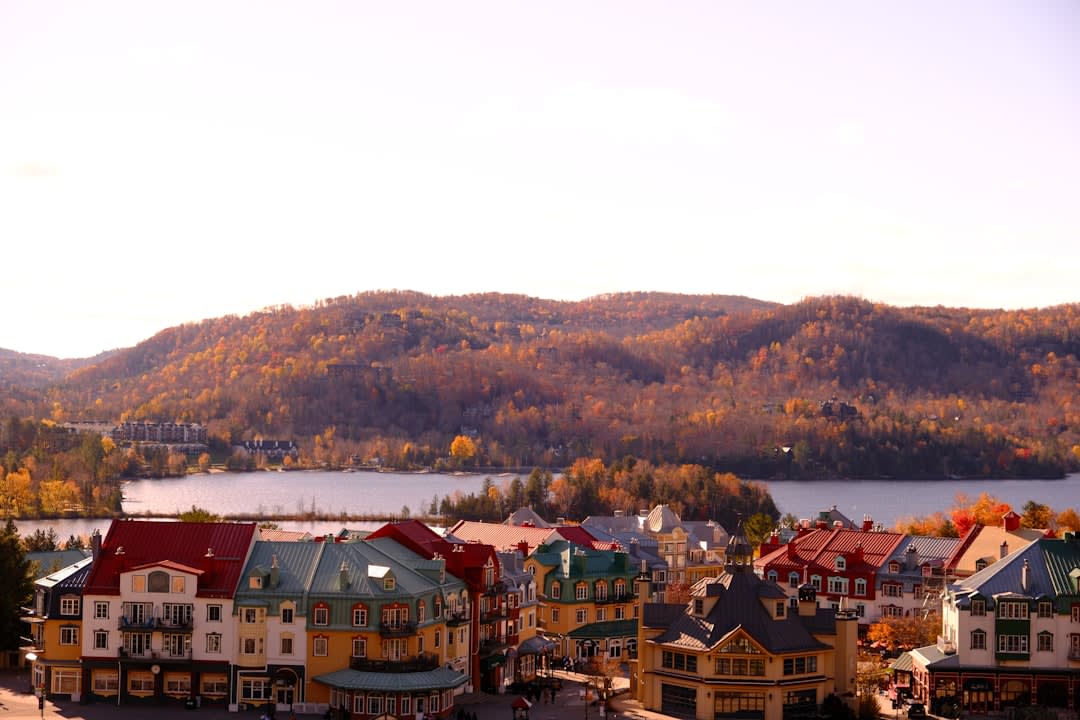
The town centre itself is modest, built around Rue Valiquette, with a handful of good bistros and a lake, Lac Rond, that draws a quieter crowd than the resorts further north. Sainte-Adèle isn’t a destination that announces itself. It rewards the specific traveler who’s already tired from the rest of the trip.
When to go: Winter, unambiguously, for the Nordic spas — the contrast between hot water and cold air is the entire experience and it’s better in the cold. Summer for a slower version of the same, with outdoor pools instead of steam.