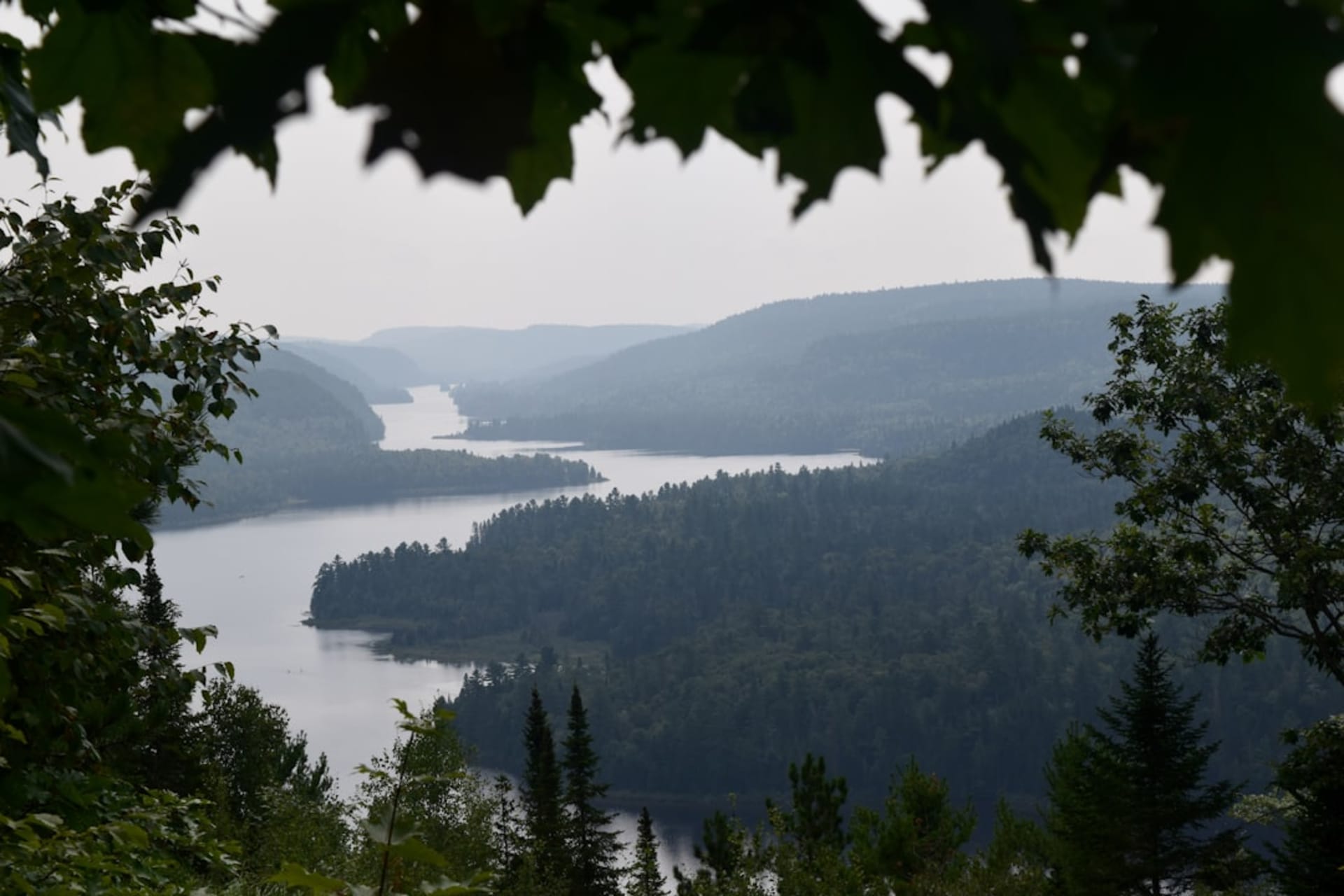
Oka
"Oka is a beach, a monastery, and a reckoning, all within the same few kilometres — and it doesn't let you take just one."
A national park of sand dunes and marshland at the Laurentians' southern gateway, anchored by a working Trappist monastery and a Kanien'kehá:ka community with a complicated, essential history.
Oka sits where the Laurentians meet the Lake of Two Mountains, an hour west of Montreal, and it holds more layered history in a small area than almost anywhere else in the region. Parc national d’Oka itself is the immediate draw — an unusual landscape of sand dunes formed by ancient glacial deposits, now stabilized by pine forest, wrapping around a long sandy beach that’s one of the best swimming spots within reach of Montreal. We came on a hot July weekend and the beach was properly busy, families spread across the sand exactly the way you’d expect an hour from a major city, but the dune trails behind it emptied out fast and delivered a genuinely strange, quiet landscape of sand hills under pine canopy that felt disconnected from the lake entirely.
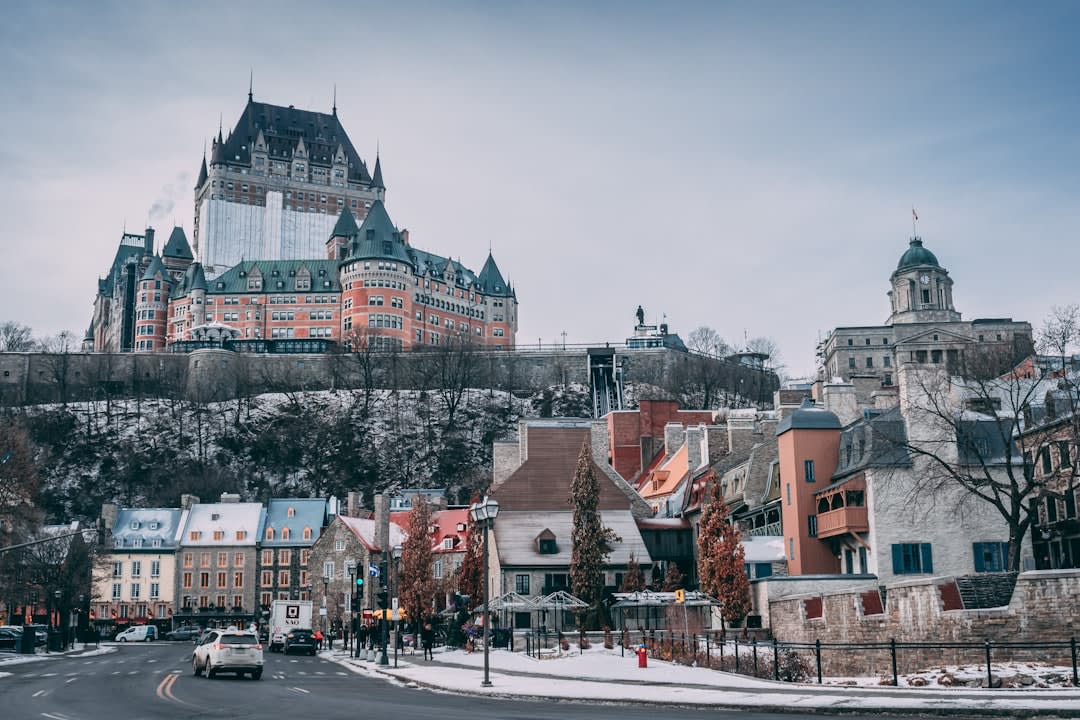
The Abbaye d’Oka, a Trappist monastery founded in 1881, sits just outside the park boundary and is still an active religious community — the monks who lived there originally created Oka cheese, a soft washed-rind cheese that’s since become a genuine Quebec culinary export, though production was later sold off and now happens elsewhere. The Calvaire d’Oka, a 300-year-old pilgrimage route with small stone chapels climbing the hillside behind the abbey, is a strange and quiet counterpoint to the beach crowds a short drive away — we walked it in near-total silence one evening, the lake visible through the trees at each station.
Oka is also, unavoidably, the site of the 1990 Oka Crisis — a 78-day armed standoff between the Kanien’kehá:ka (Mohawk) community of Kanesatake, the Quebec police, and eventually the Canadian army, sparked by a plan to expand a golf course onto land that included a Kanesatake burial ground. It remains one of the defining moments in modern Indigenous rights history in Canada, and visiting Oka without acknowledging it feels dishonest. Kanesatake, the community itself, sits adjacent to the town, and it’s worth reading up on the crisis and its unresolved land claims before or after a visit rather than treating the area purely as a beach day.
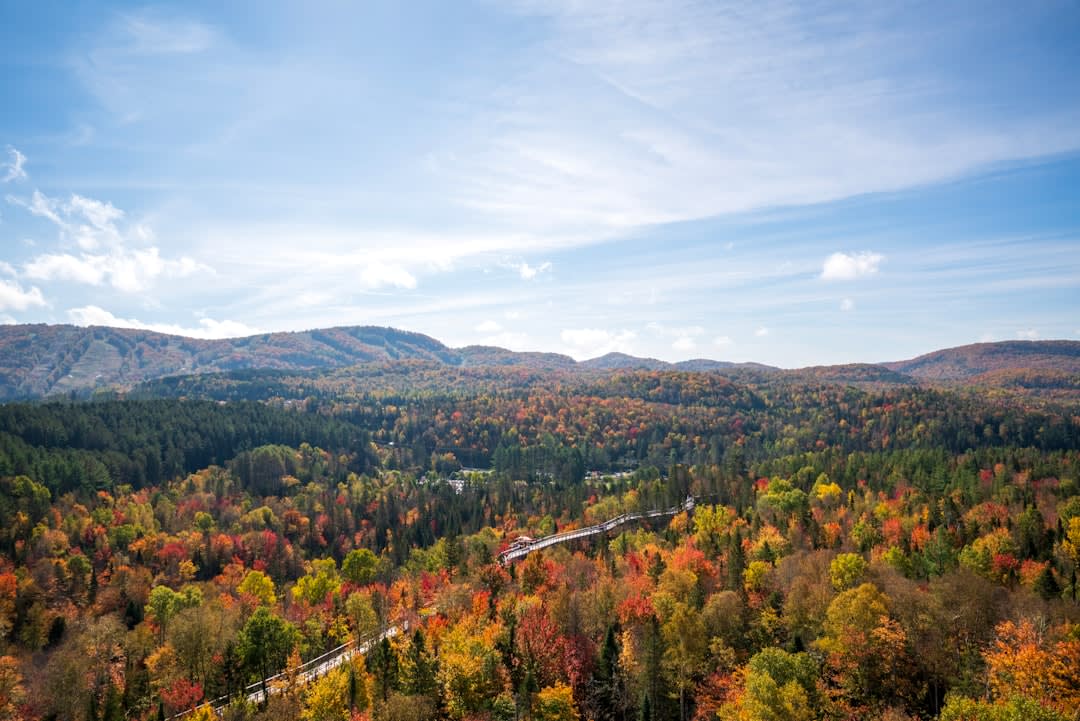
The result is a place that resists being packaged into a single kind of trip — beach town, monastery visit, historical reckoning — and I think it’s better visited with all three held at once rather than any one of them alone.
When to go: July and August for the beach and dune trails, though arrive early on weekends to beat the crowds from Montreal. Spring and fall for a quieter visit to the abbey and Calvaire trail.