Réserve Faunique Mastigouche
"Mastigouche has more than 400 lakes and almost no one visiting them — this is Québec backcountry at its least performed."
A vast wildlife reserve of over 400 lakes in the Mauricie backcountry, built for anglers and moose-watchers rather than sightseers passing through.
We went to Mastigouche because a fishing-obsessed neighbour in our building back in Mexico City, of all people, wouldn’t stop describing it — a wildlife reserve in the Mauricie backcountry with somewhere north of four hundred lakes, most accessible only by unpaved forest road, rented boat, or canoe. It’s the kind of place that exists for a specific purpose (hunting and fishing management, mostly moose and brook trout) rather than tourism, and driving in on the gravel access road from Saint-Alexis-des-Monts, I had the distinct sense of leaving the version of Québec built for visitors and entering the one built for Québécois themselves.
The reserve operates a network of rustic chalets and campsites scattered across the lake system, most reachable only after a drive of twenty or thirty minutes past the last one, deeper into forest that thickens the further you go. We rented a small aluminum boat at the central lodge and spent an afternoon on a lake whose name I’ve since forgotten, catching nothing (I am not a fisherman, whatever my neighbour’s confidence in me), but watching a moose wade through the shallows at the far shore at dusk, entirely unbothered by our presence, was worth the whole detour on its own.
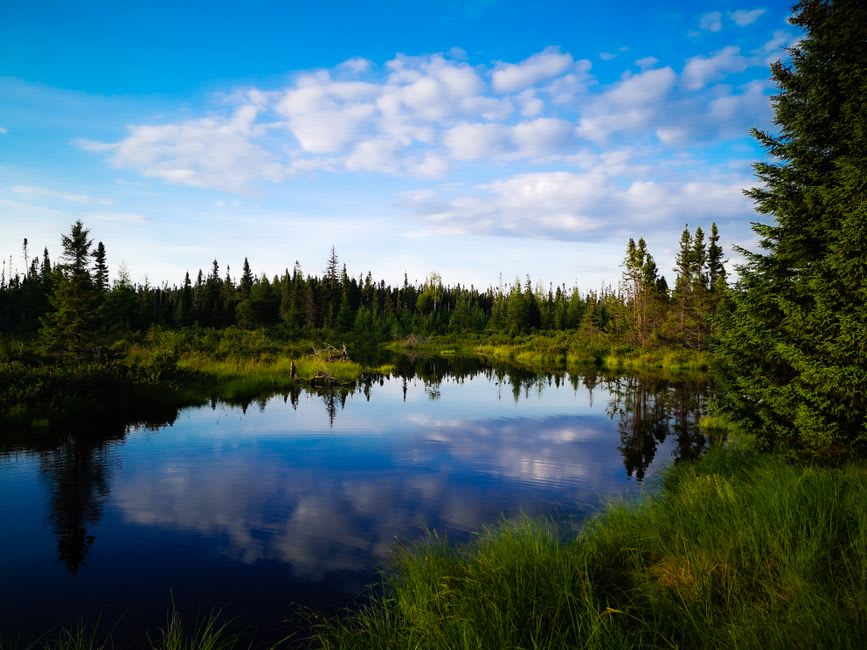
The reserve’s brook trout fishing has a genuine reputation among Québécois anglers — some of the lakes are stocked, others hold wild populations that draw people back year after year, and the lodge staff, when I asked, rattled off which specific lakes were producing that week with the seriousness of stockbrokers discussing a portfolio. Lia, who has more patience for stillness than I do, spent a morning just sitting at the dock with a coffee while I hiked a short trail through mixed boreal forest, black spruce giving way to birch stands in the wetter low ground.
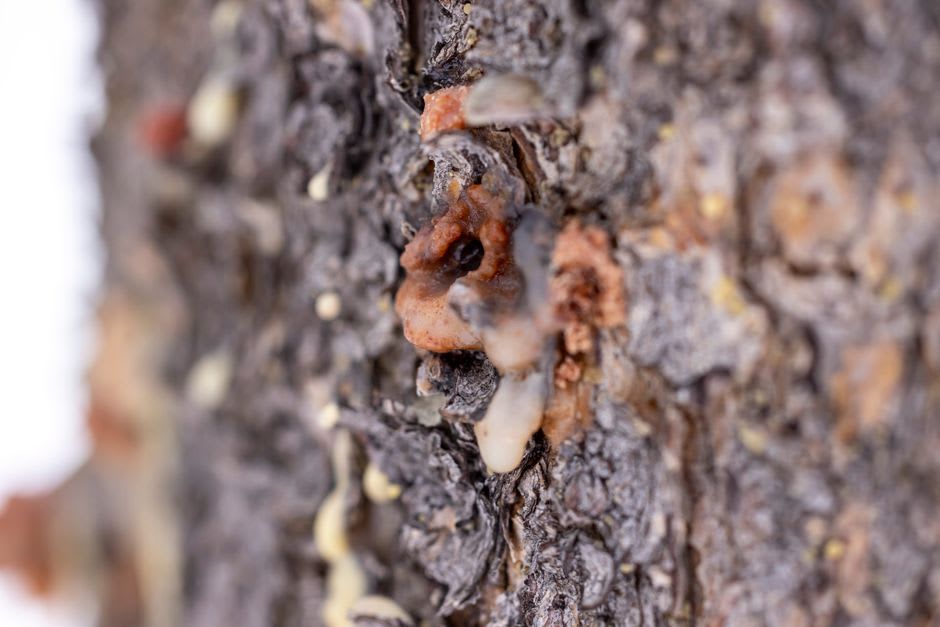
This isn’t a destination for anyone wanting curated sights or facilities. It’s a destination for anyone wanting to disappear into several hundred square kilometres of lake and forest with minimal infrastructure between you and it, which, after a run of historic villages and museums, was exactly the reset we needed.
When to go: Late May through September for fishing and canoeing, with peak brook trout season in early summer. September for moose activity during the rutting season, when sightings become more frequent at dawn and dusk. Reserve chalets well in advance — availability is limited and demand from local anglers is high.
Keep exploring
More from Québec
 quebec
 Matane
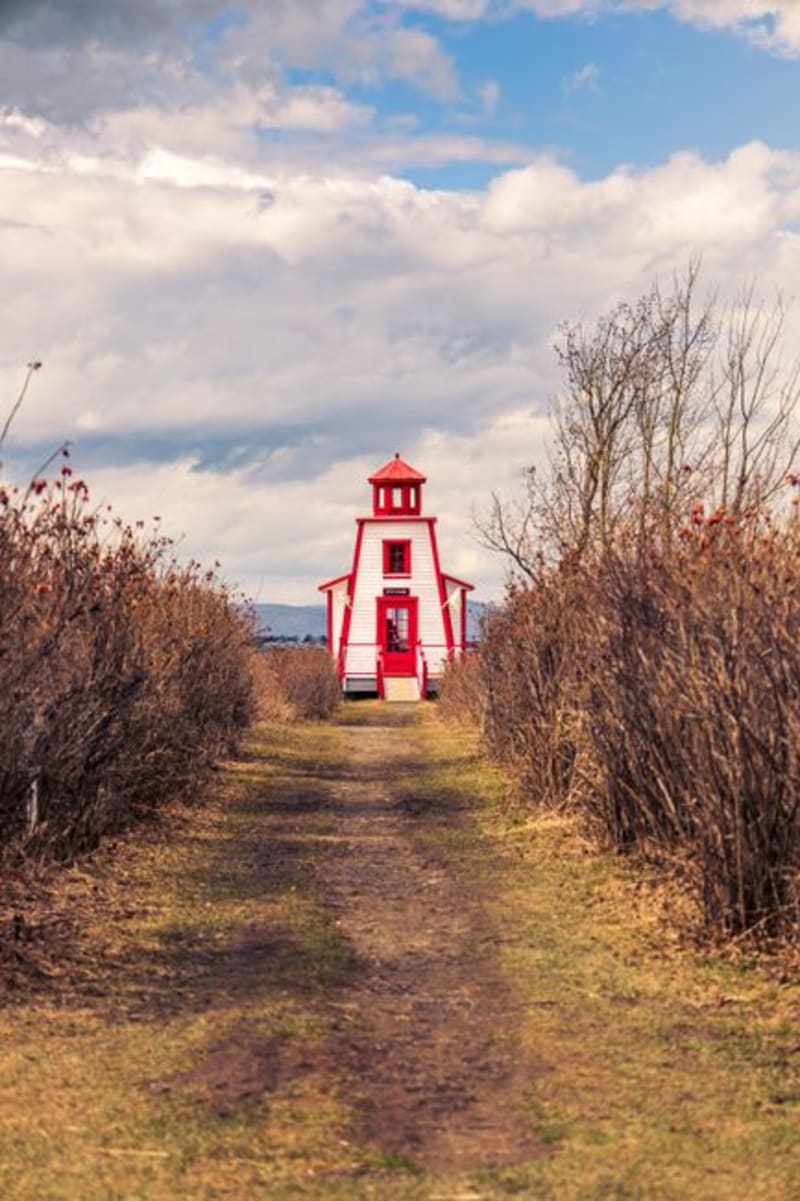
The self-declared shrimp capital of Quebec, and the ferry town where the Gaspé peninsula's north shore properly begins.
Explore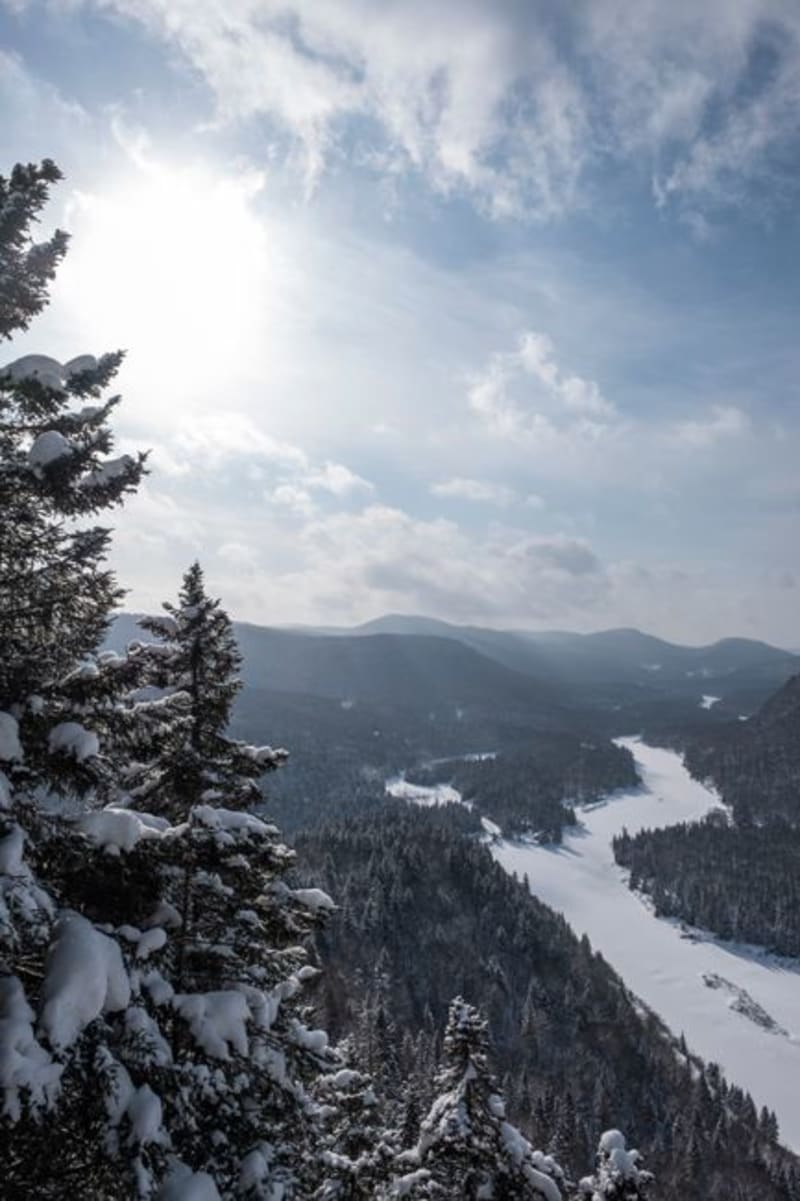 quebec
 Matapédia Valley
An inland river valley the coastal Gaspé crowds mostly skip — covered bridges, world-class Atlantic salmon water, and a quieter pace than the coast road.
Explore quebec
 Miguasha
A UNESCO fossil cliff holding the best-preserved record on Earth of fish learning to walk out of the water — 380 million years compressed into one small park.
Explore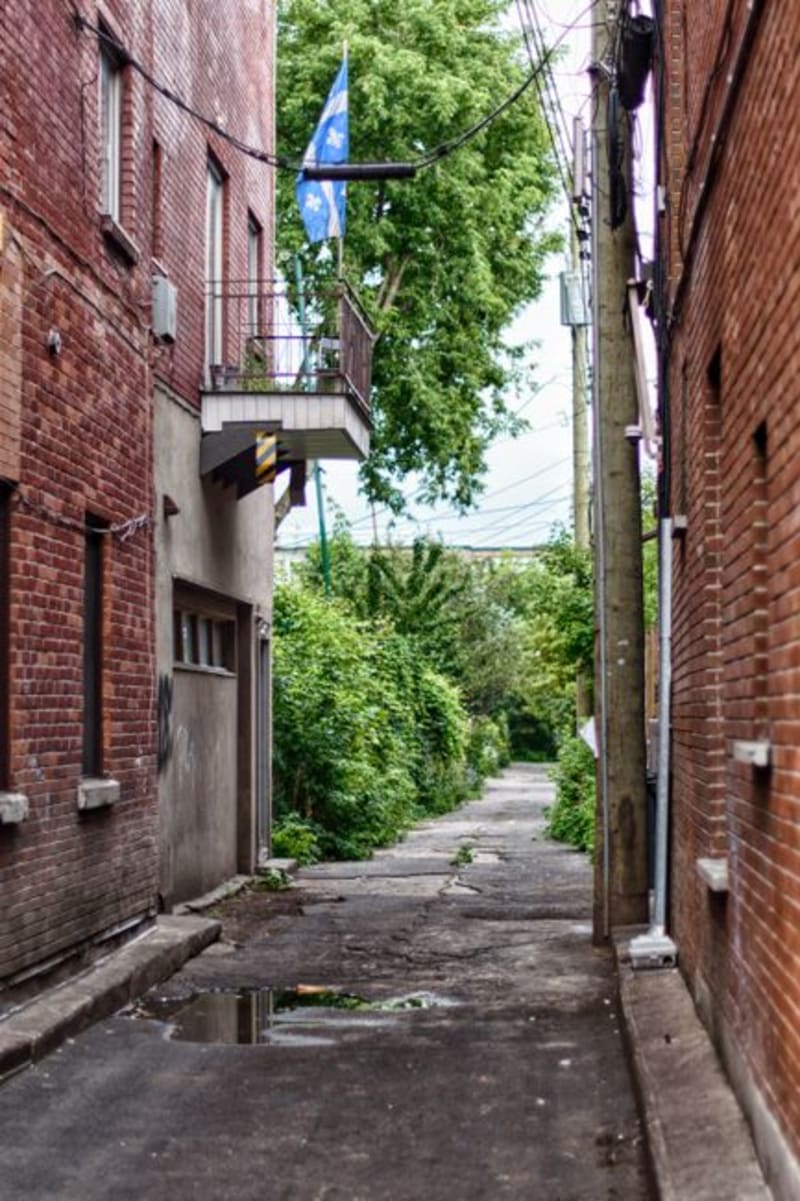 quebec
 Mile End
Bagels, indie record stores, and a rivalry over wood-fired ovens that Lia and I took far too seriously — Montreal's most self-aware neighbourhood.
Explore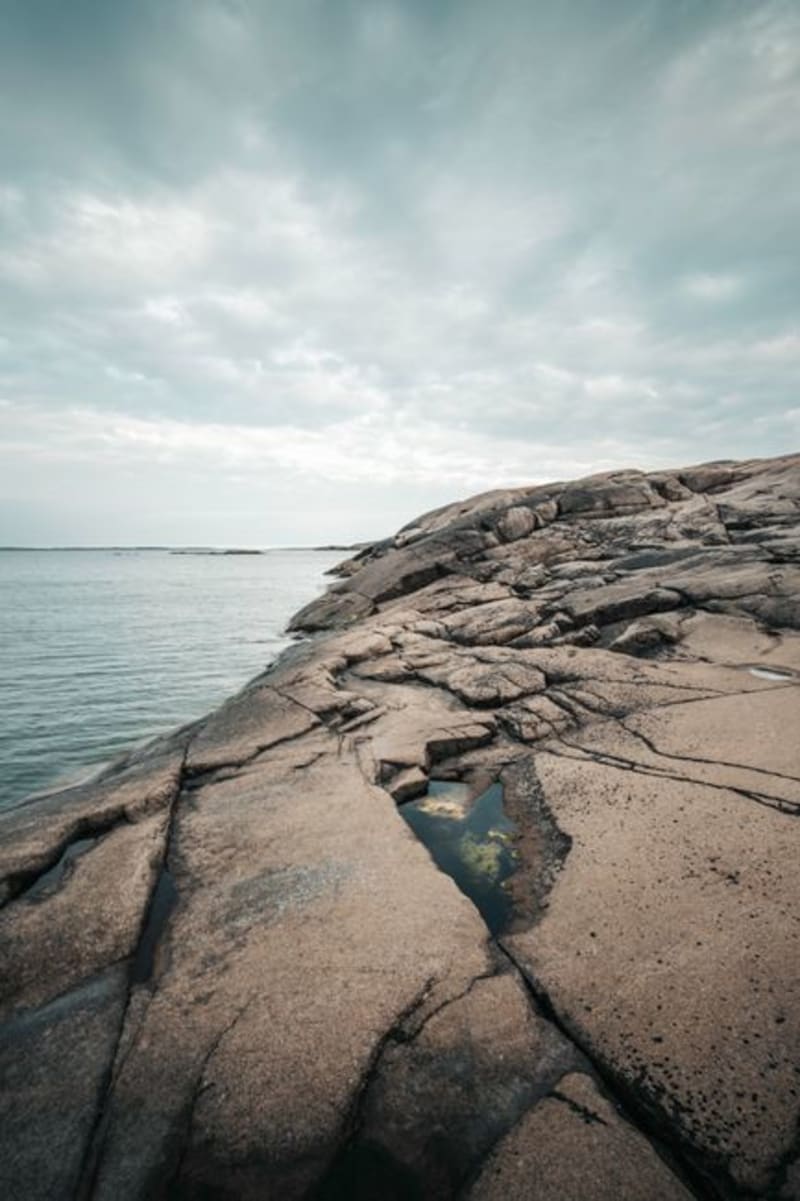 quebec
 Mingan Archipelago
A scatter of limestone islands sculpted by the sea into monoliths that look like ruins of a civilization that never existed.
Explore quebec
 Mont Orford
A national park built around a single mountain, doing double duty as a ski hill in winter and a hiking and arts destination the rest of the year.
Explore