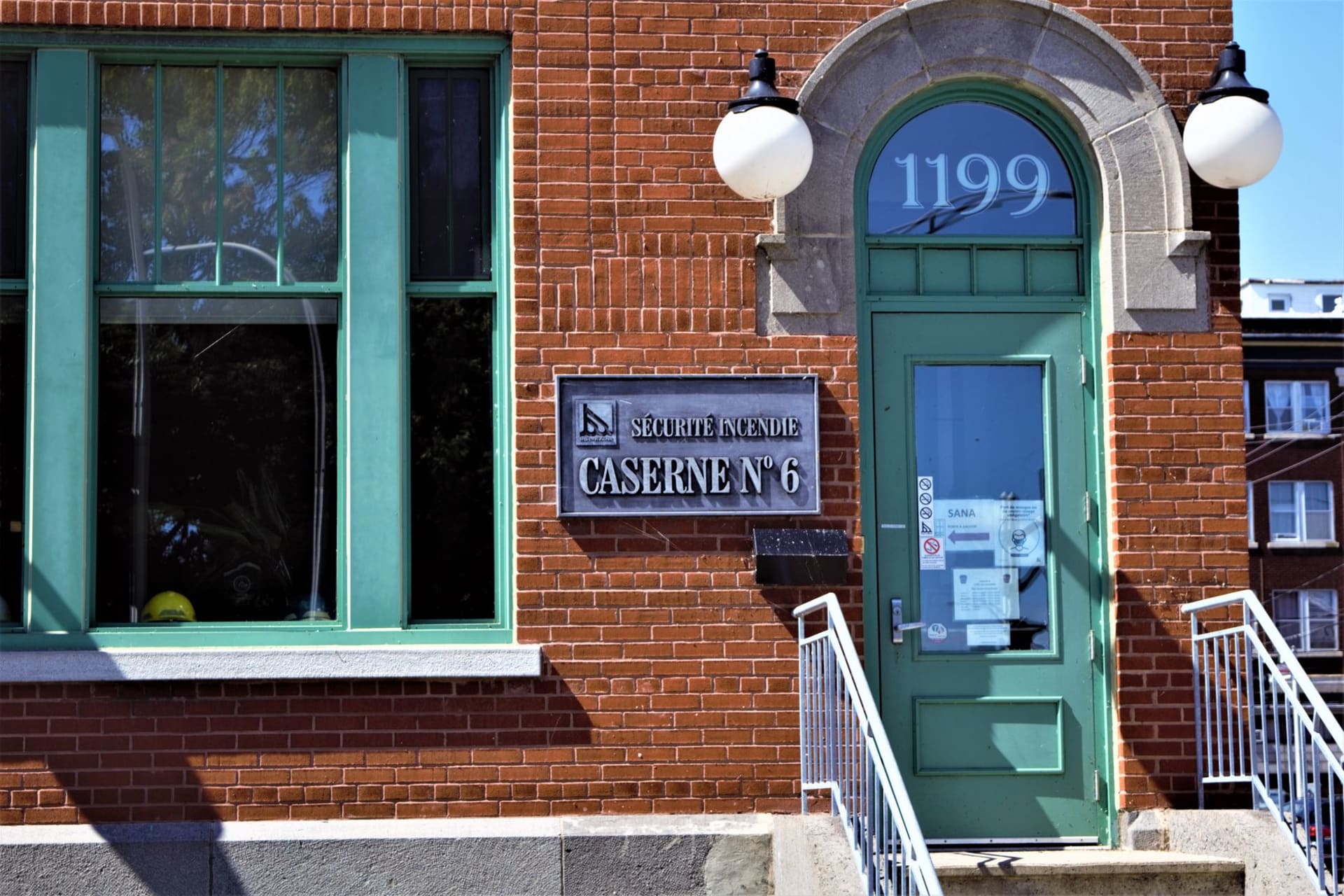
Limoilou
"Limoilou has the energy of a neighbourhood enjoying its own resurgence without making too big a deal of it."
My Airbnb in Limoilou cost half what the equivalent in Old Quebec would have, and the host left me a note that said, in French, “the Marché du Vieux-Port is good but our market on 3e Avenue on Saturday morning is better.” This turned out to be correct with a conviction I found impressive. The market runs from May through October along 3e Avenue, a long stretch of awning-covered stalls selling whatever the farms around Quebec City are producing that week — kohlrabi and nasturtiums in July, pumpkins and celeriac in October, maple syrup from specific forests, raw-milk cheeses from specific cows. I went twice and ate standing both times: first a crêpe with fromage frais and local honey from a woman who was also selling the beekeeper’s full range of tinctures from a folding table, then a container of smoked trout with crackers that I took to a bench in the small park and ate with my hands.
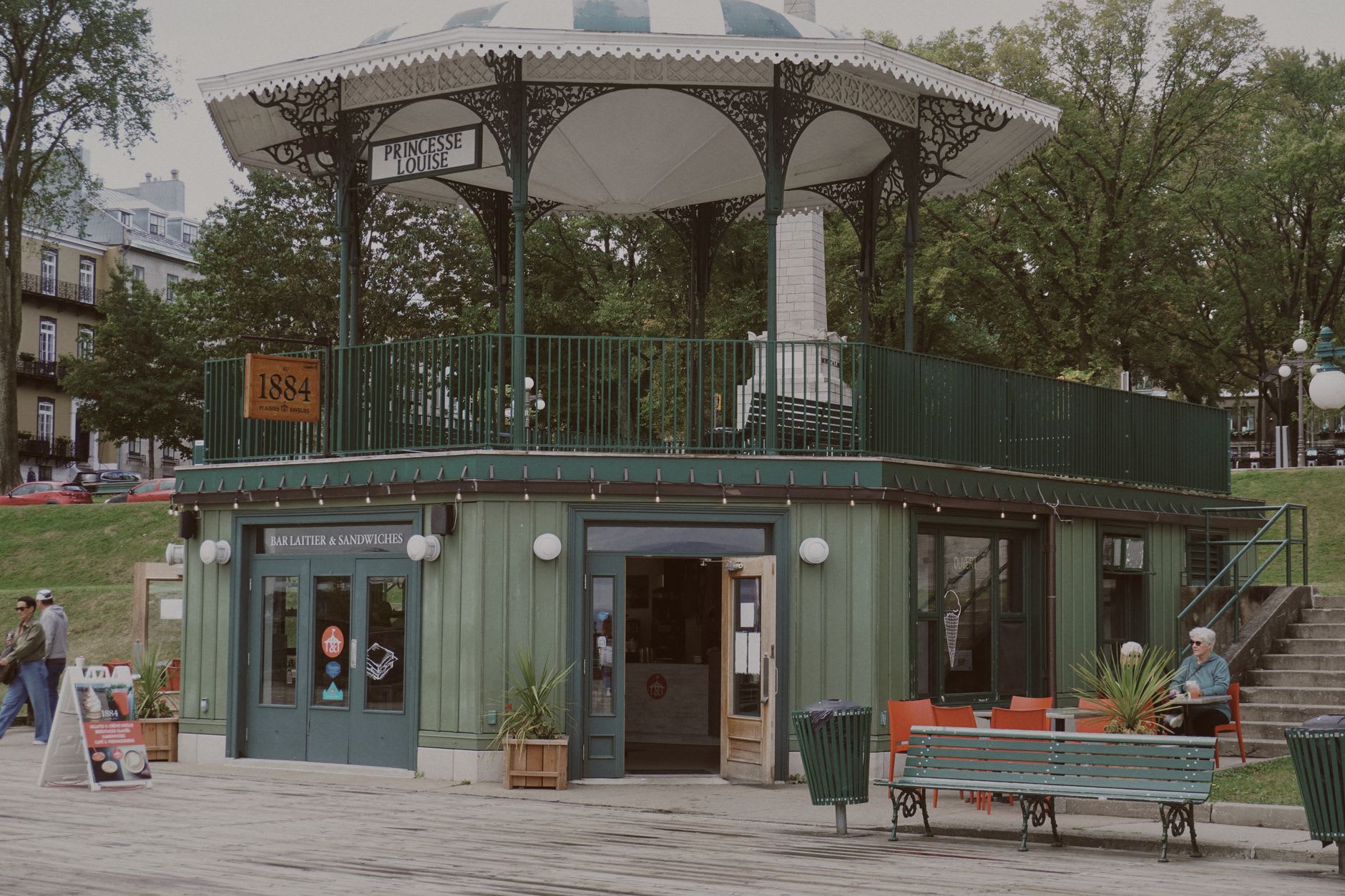
Limoilou is a grid neighbourhood of early 20th-century apartment buildings — three storeys, brick, the ground floor often a dépanneur or a barber or a laundromat. It was built as working-class housing for the workers of the Dominion Corset factory and the Quebec Ship Chandlers and the other industries that ran along the waterfront. Those industries declined, the neighbourhood fell into the familiar pattern of disinvestment and demographic shift, and then it was remade — gently, from within. The corner stores have become wine bars, the old factory spaces are recording studios and ceramics workshops, and the population is young and largely French-speaking with pockets of newcomer communities from Haiti, Morocco, and the Philippines. The combination produces a street-level texture that is genuinely lively in a way the tourist-zone Quebec never quite achieves.
The food scene reflects this. Gros Jambon on Rue Masson is a small charcuterie and natural wine bar that I passed four times before I went in — it looked too small to be worth the stop, and I was wrong. They make everything in-house: the pâtés, the rillettes, the small plates that arrive with bread baked that morning. The wine list is short and all natural, and the person pouring explained each bottle as if genuinely interested in whether I would like it, which is the attitude toward wine I find most seductive.

Walking Limoilou at 7pm on a Wednesday, I passed what felt like the entire neighbourhood out on its balconies — a specific form of Québécois public life, the balcony as outdoor living room, conversation happening at full volume between buildings. In summer, the sound of multiple simultaneous balcony conversations has a quality I can only describe as festive and communal and private all at once. I understood, walking beneath it, why this neighbourhood has attracted people who want to live in Quebec City without living in a museum.
When to go: May through October for the Saturday market and balcony season. The neighbourhood’s restaurant and bar scene is year-round. The Petit Limoilou neighbourhood festival in late August is genuinely local rather than tourist-facing and worth timing a visit around.