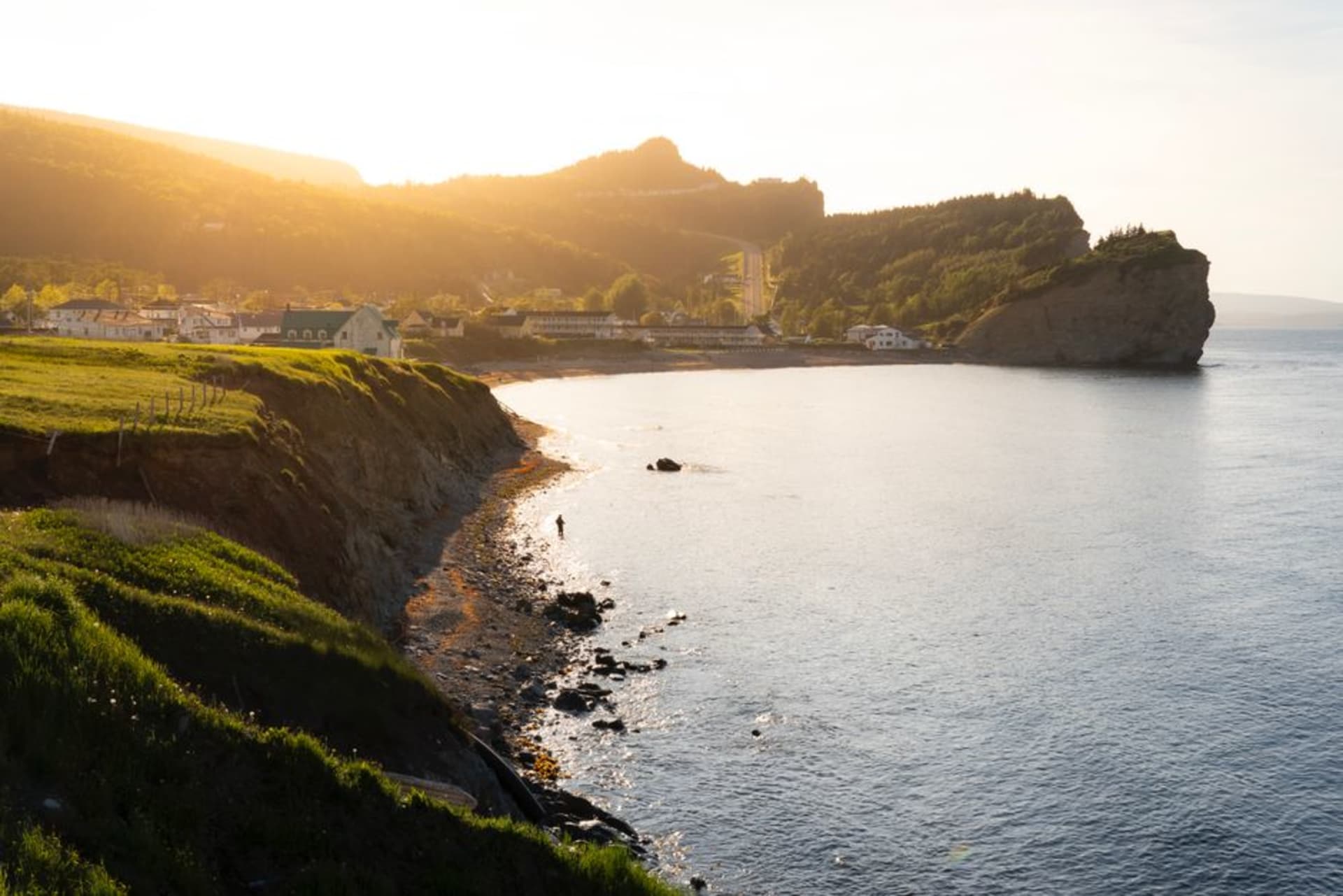
Gaspé
"Gaspé is a small town carrying a large piece of history — the place where a French sailor decided a continent already belonged to someone else."
The town where Jacques Cartier planted a cross and claimed a continent he didn't understand — now a quiet fishing port with an outsized place in Canadian origin stories.
Gaspé sits at the head of a long, sheltered bay, and it took me a day of driving the peninsula’s coast road to properly appreciate why this particular spot mattered enough for Jacques Cartier to stop here in 1534, plant a wooden cross, and claim the land for the King of France — an act of almost breathtaking presumption toward the Mi’gmaq people who had lived here for thousands of years already and watched the whole ceremony from the shore. The town’s name comes from the Mi’gmaq word “Gespeg,” meaning “land’s end,” which the French adopted along with a great deal else on this coast without quite acknowledging the source.
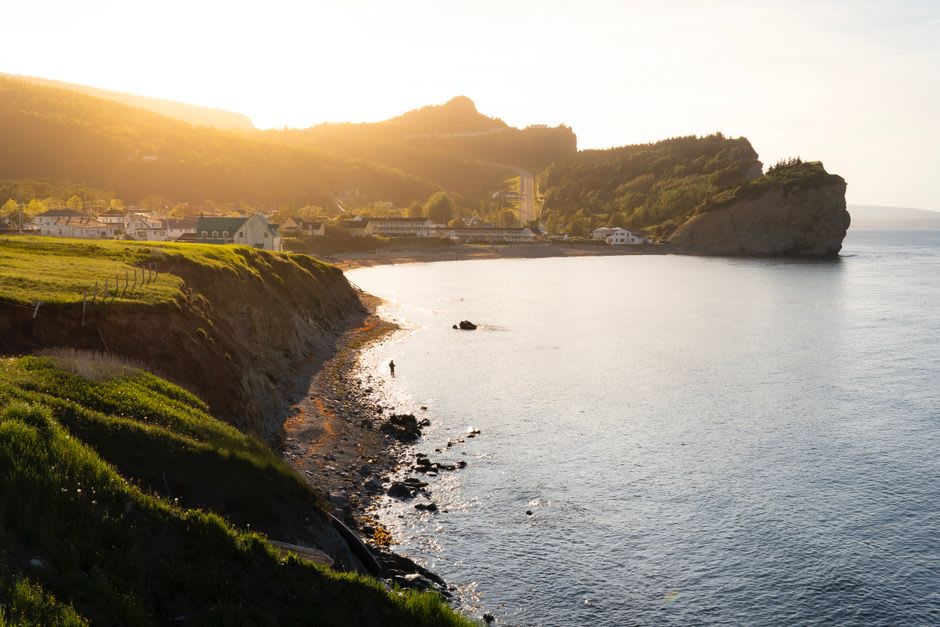
The Musée de la Gaspésie sits on a bluff above the harbor and does the work of holding both sides of this history — Cartier’s landing is presented alongside a substantial and well-curated account of Mi’gmaq presence and the region’s later Acadian and Irish settlement waves, layered arrivals that gave this coast a patchwork of place names in three languages within a few kilometres of each other. I spent an hour there before walking down into town, and it reframed everything I saw afterward. The Cathédrale du Christ-Roi, a striking mid-century wooden cathedral built almost entirely from local timber, stands near the spot traditionally marked as Cartier’s landing site, and the combination of a modern building on an ancient site felt appropriately Gaspésien — a place that keeps building new things directly on top of very old ones.
Gaspé today runs at a genuinely unhurried pace, a working fishing port with a handful of good seafood counters rather than a tourist set-piece, and I liked it more for the lack of performance. We ate fresh halibut at a wharf-side place with a view back down the bay toward the open gulf, and the owner, when she heard I lived in Mexico, wanted to talk about Cancún more than about her own town’s four-hundred-year-old history — a reminder that the people who live inside a landmark rarely experience it as one.
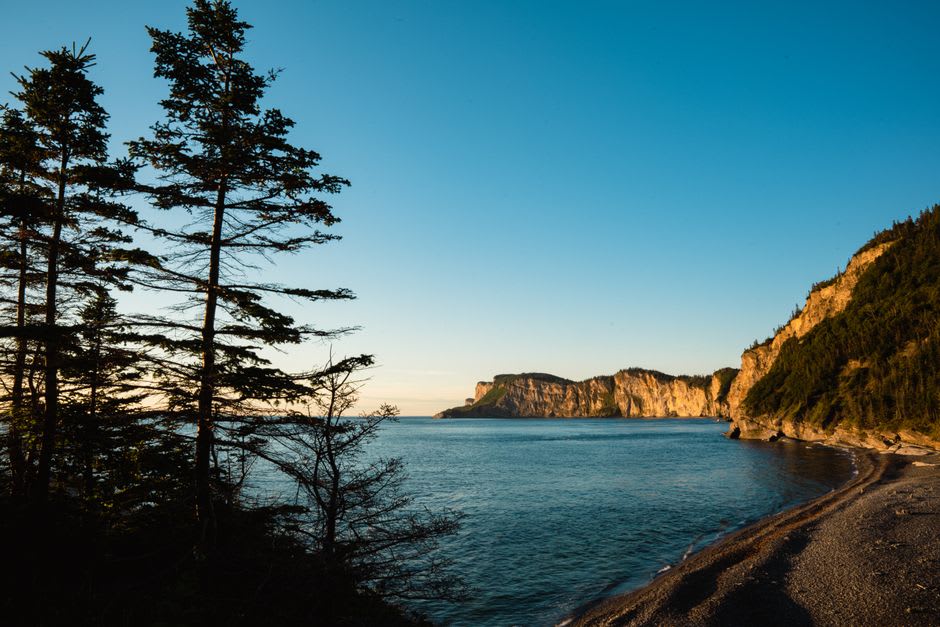
When to go: Gaspé makes a good overnight base for exploring Forillon National Park, a short drive away. June through September for full museum hours and the best chance of calm bay weather; the town itself is quiet enough to enjoy year-round if you don’t mind the winter cold off the water.