Forillon National Park
"Forillon is the point where you run out of continent — the Appalachians simply stop, mid-stride, at the edge of the sea."
Where the Appalachian mountain chain finally runs out of continent and drops straight into the Gulf of St. Lawrence — the literal end of the land.
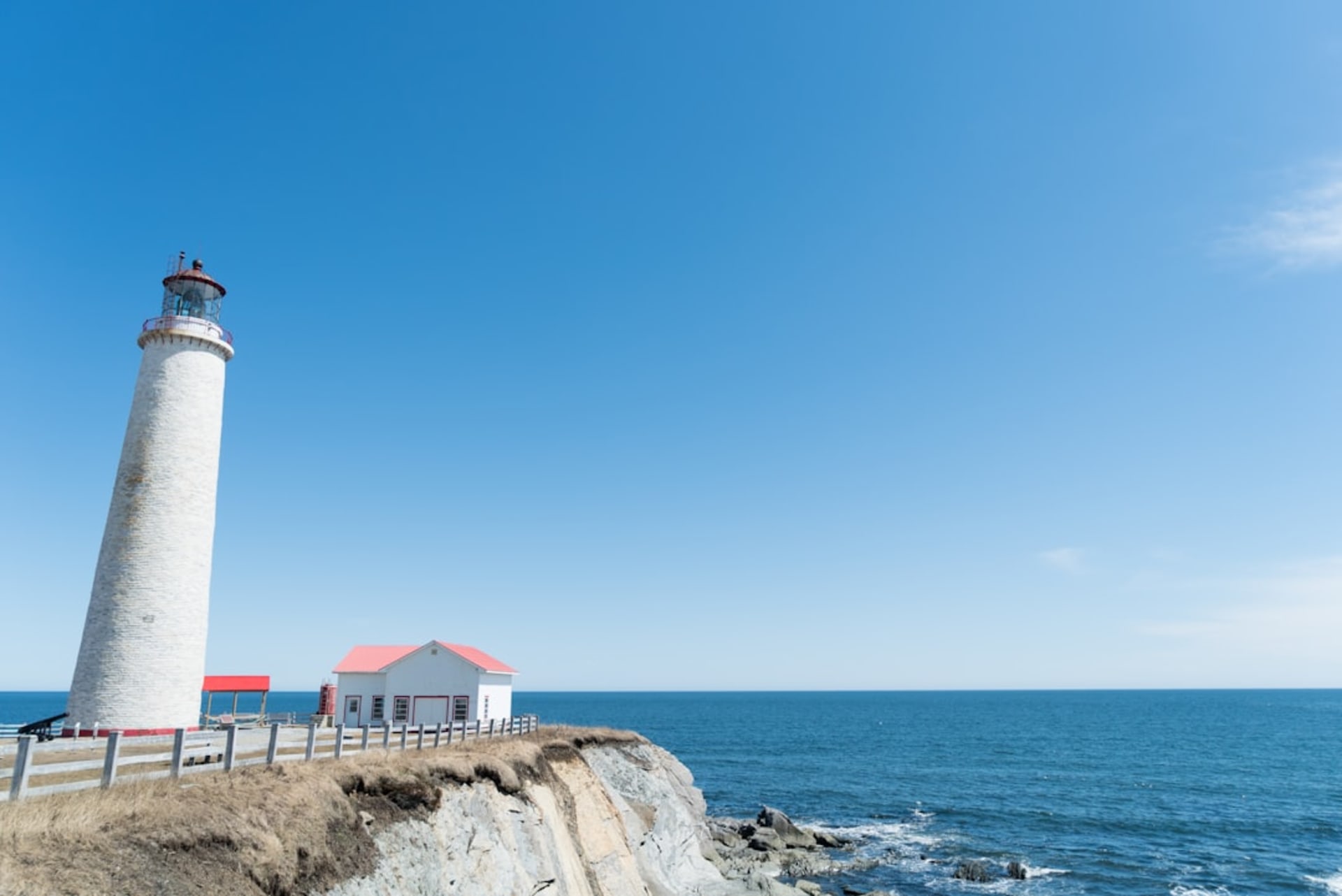
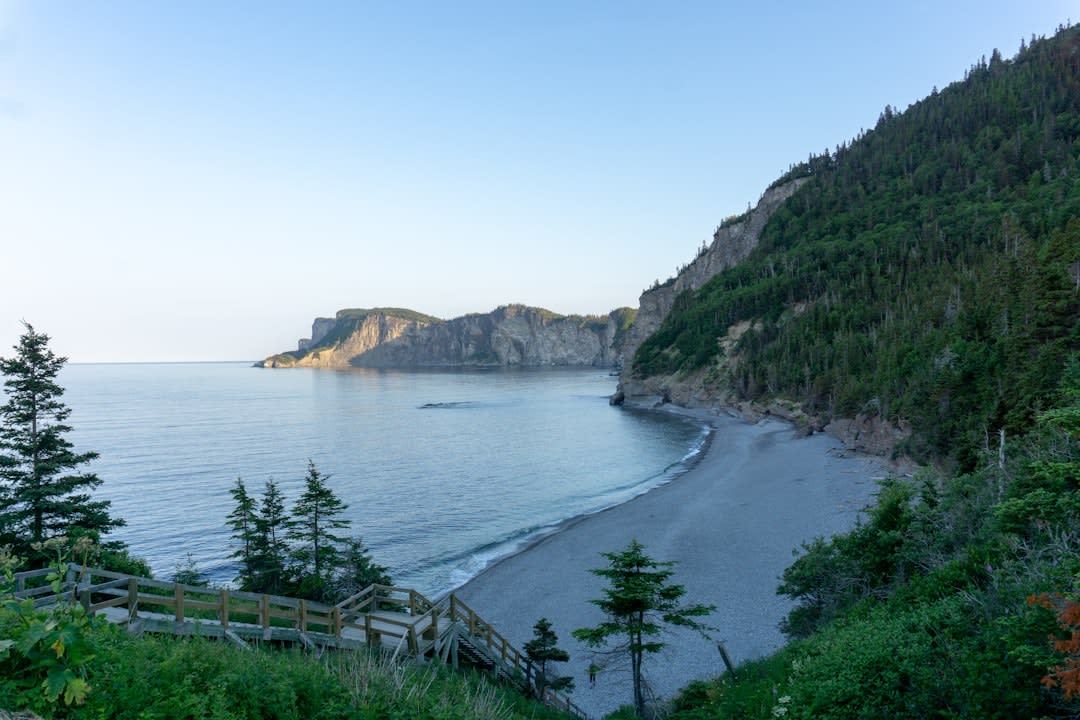
The drive into Forillon National Park, at the very tip of the Gaspé peninsula, has a specific quality of anticipation to it — the road narrows, the forest presses in, and you know from the map that you’re heading toward an edge. What I hadn’t fully absorbed until I stood on the cliffs at Cap Gaspé is that this is, geologically, the actual end of the Appalachian mountain chain. The same range that starts in Alabama, runs the length of the eastern United States, and continues through the Green Mountains and the Chic-Chocs, terminates here, dropping in dolomite cliffs straight into the Gulf of St. Lawrence. There is nowhere else to walk. The trail simply stops at a lighthouse and a view of open water.
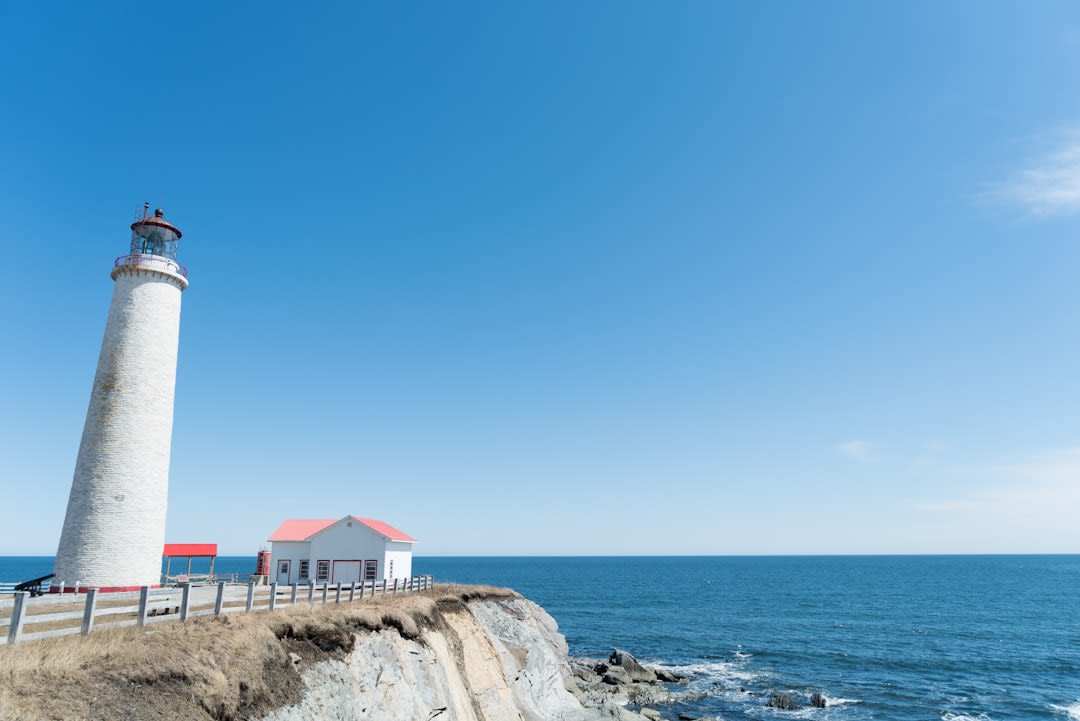
We hiked the Les Graves trail out to that lighthouse in early morning fog that burned off in patches, revealing the cliffs in stages rather than all at once, which somehow made the scale land harder. Below us, in the strait between the cape and the open gulf, a pod of minke whales surfaced repeatedly — Forillon sits at the mouth of a marine corridor where whales feed close enough to shore to be visible from the clifftop trails without a boat, which is not something I’d experienced anywhere else on this coast. Harbor seals hauled out on the rocks at Cap-Bon-Ami, indifferent to the hikers above them.
Forillon has a harder history layered into its landscape too: in the 1970s, the federal government expropriated and demolished the fishing villages that had occupied this coast for generations to create the park, and the interpretive centre at Grande-Grave doesn’t soften that history — restored buildings tell the story of the Blanchette and Dolbel-Roberts fishing operations that once anchored this coast’s economy, and of the resentment the expropriation still carries locally. Standing among the preserved wharf buildings, I thought about how much of what reads as untouched wilderness in Canada has a displacement folded into its founding.
When to go: June through September for full trail and services access. July and August for the best whale-sighting odds from shore. The park is large — plan at least a full day, two if you want to properly hike both the mountain and coastal sections.