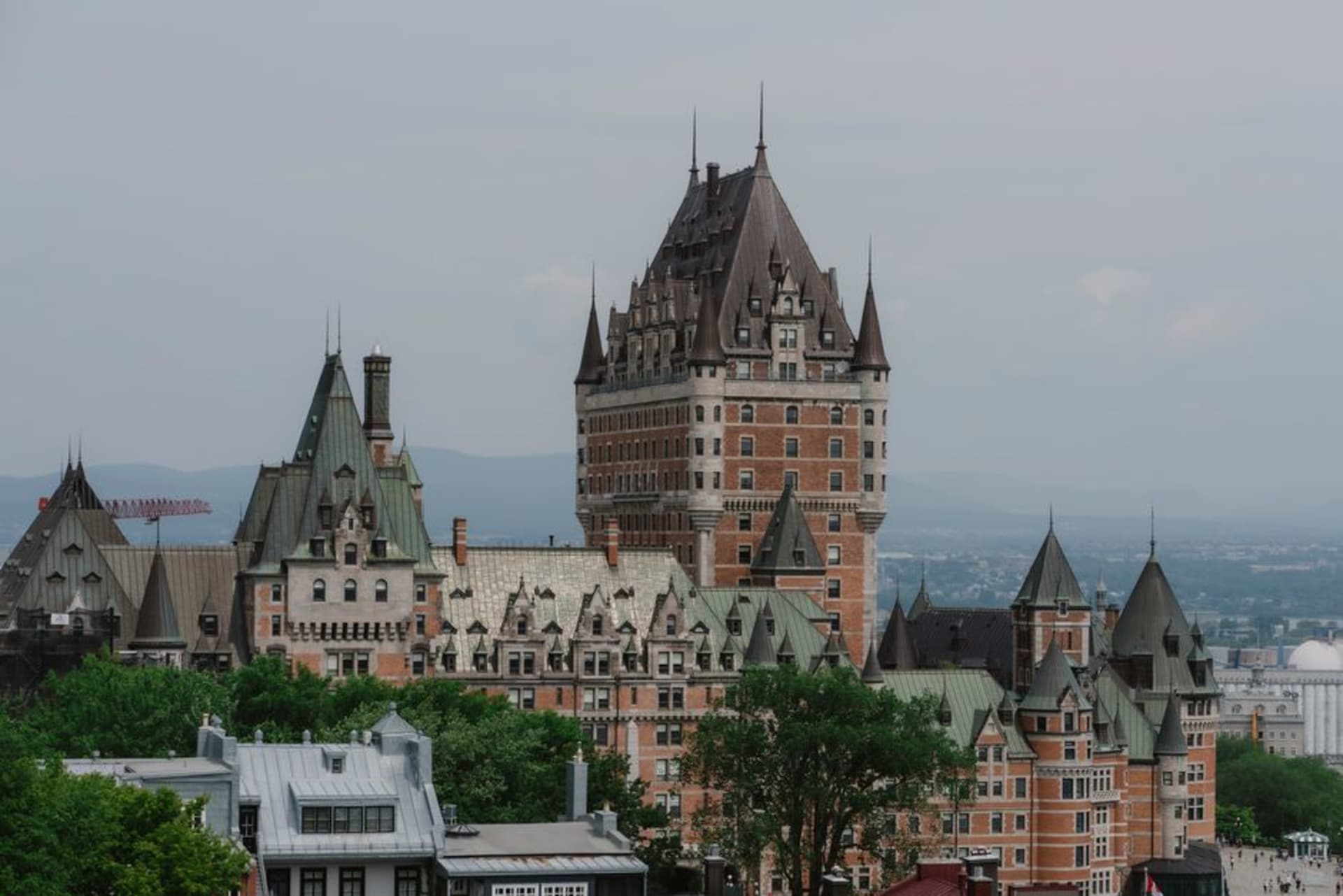
Citadelle of Quebec
"The largest British fortress in North America, and the French city still runs underneath it like nothing happened."
A star-shaped fortress still garrisoned by an active regiment, perched on the highest point of the cliff like the city never quite stopped expecting an attack.
The Citadelle sits on the summit of Cap Diamant like a decision that was never fully reversed — a massive star-shaped fort begun by the French and finished by the British in the 1830s, designed to defend against an American invasion that never came, and somehow still an active military installation today, home of the Royal 22e Régiment, the Van Doos. I went expecting a museum and found something stranger: a working garrison, soldiers actually stationed there, a residence of the Governor General of Canada tucked inside the walls, history that hadn’t finished happening yet.
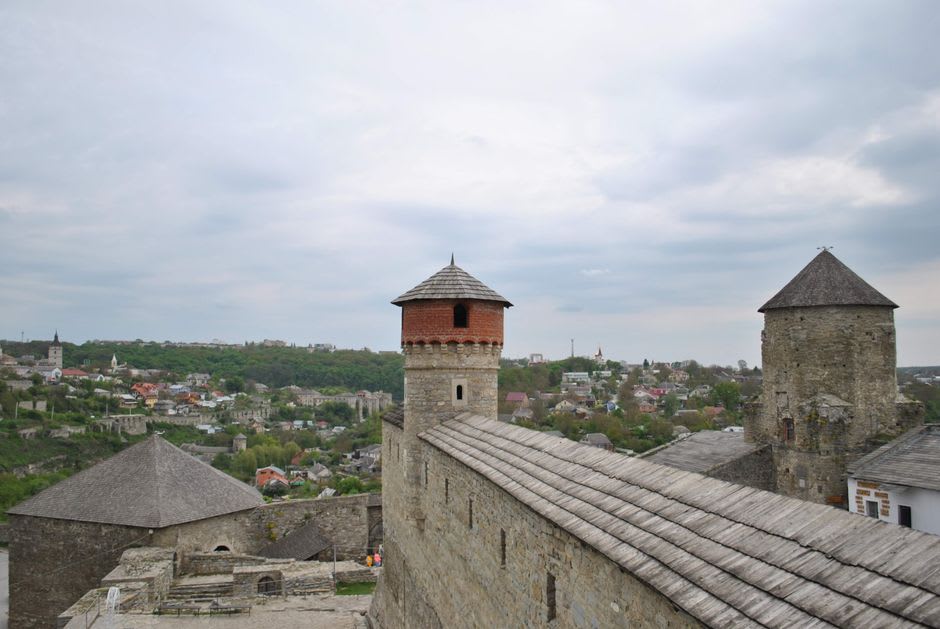
The Changing of the Guard ceremony runs daily in summer at 10am, complete with the regimental mascot — a goat named Batisse, a real one, marching with genuine soldierly indifference to being watched by three hundred tourists — and it’s the kind of thing that sounds twee on paper and lands, in person, as oddly moving. The guide who took our small group through the tunnels and powder magazines was a young corporal doing his summer rotation as a historical interpreter, and he talked about the fort’s dual identity — French plans, British execution, Canadian present — with a kind of matter-of-fact pride that felt very Québécois: no illusions about the layered colonial history, just an insistence on claiming all of it anyway.
From the ramparts, the view opens in every direction — the river, the Plains of Abraham rolling out to the west, Château Frontenac’s turrets poking up to the north. It’s the best single vantage point in the city, and unlike Dufferin Terrace, you’ll often have long stretches of it to yourself.
When to go: Summer mornings for the Changing of the Guard (June through early September, weather dependent). The Museum of the Royal 22e Régiment inside is open year-round if you want the history without the ceremony. Bring a windbreaker even in July — the ramparts catch every gust off the river.