Château Frontenac
"It's not a castle. It's a hotel that got tired of pretending it wasn't one."
The copper-roofed castle-hotel that decided, over a century ago, what a skyline is supposed to look like — and Quebec City never argued back.
Lia laughed the first time I called Château Frontenac “the most photographed hotel in the world” and then admitted, twenty minutes later, standing on Dufferin Terrace with everyone else’s phones raised at the same angle, that I was probably right. It’s a strange building to actually process up close — from a distance it reads as medieval, all copper turrets and steep green roofs, but the stone is barely 130 years old, built by the Canadian Pacific Railway to give wealthy rail travelers somewhere suitably operatic to sleep. It worked. It’s still working. Every postcard rack in the old town sells some version of this silhouette.
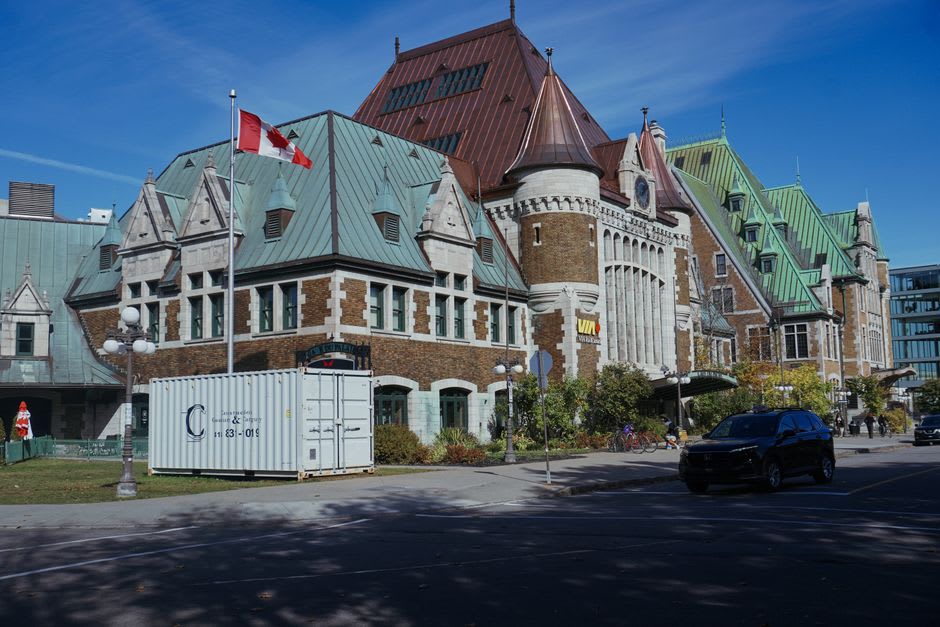
You don’t need to be a guest to walk through the lobby, and I’d recommend doing exactly that once, if only for the carpet — a deep, almost aggressive red, and the kind of hushed grandeur that makes you lower your voice without being told to. There are guided historical tours that take you into rooms most guests never see, including a slice of the original 1893 structure before the later towers were bolted on, and a guide named Marc-André told us about the guests who’ve slept there — Churchill and Roosevelt planned part of the Quebec Conference within these walls during the Second World War, which gives the hallways a strange gravity if you know to look for it. For dinner, Champlain Restaurant inside does an excellent version of Lac-Saint-Jean tourtière, though I’ll admit we mostly went for the view over the frozen river rather than the food, which was good, not transcendent.
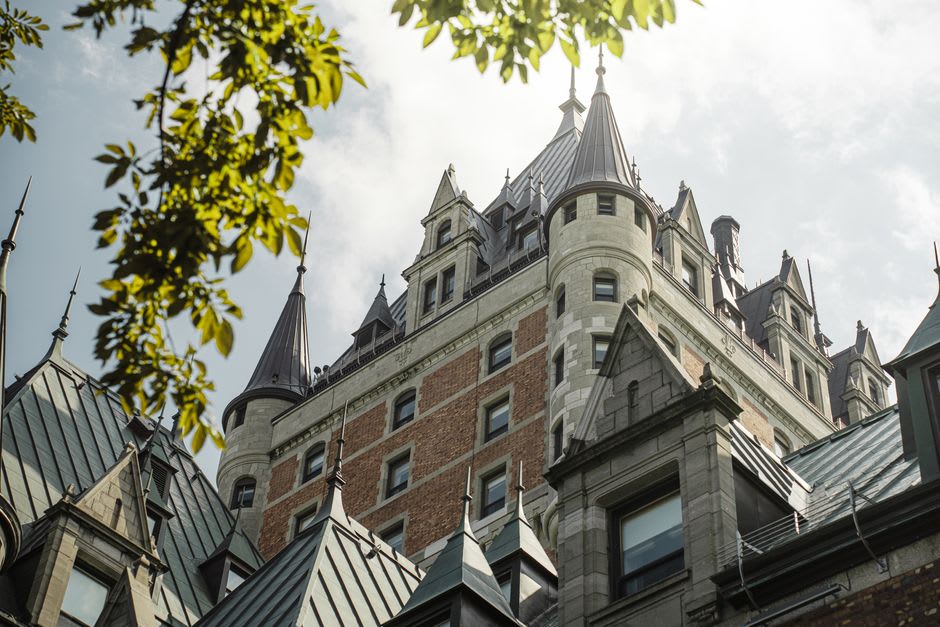
What stayed with me longest wasn’t the interior at all — it was watching the building change with the light across a single afternoon, copper going from green to almost black as clouds moved over the river, the whole thing looking less like architecture and more like weather.
When to go: Late afternoon, any season, for the light on the copper roof. Book the historical tour in advance in summer — it sells out. Winter mornings after fresh snow are the quietest and, I’d argue, the most photogenic.
Keep exploring
More from Québec
 quebec
 Chic-Chocs
The only place south of the Arctic where caribou still roam wild in Quebec — an alpine range punched up out of the middle of the Gaspé peninsula.
Explore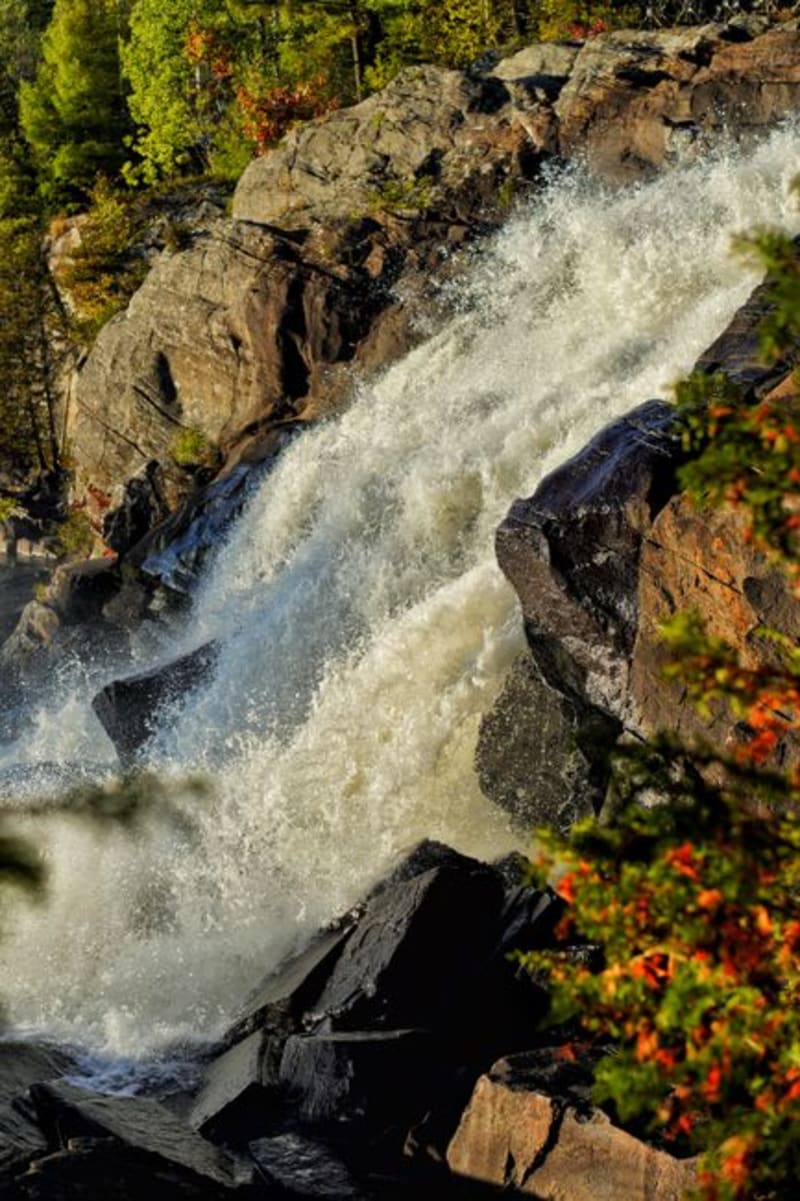 quebec
 Chutes Coulonge
A 48-metre waterfall near Fort-Coulonge with a 19th-century log-driving history written into the gorge walls.
Explore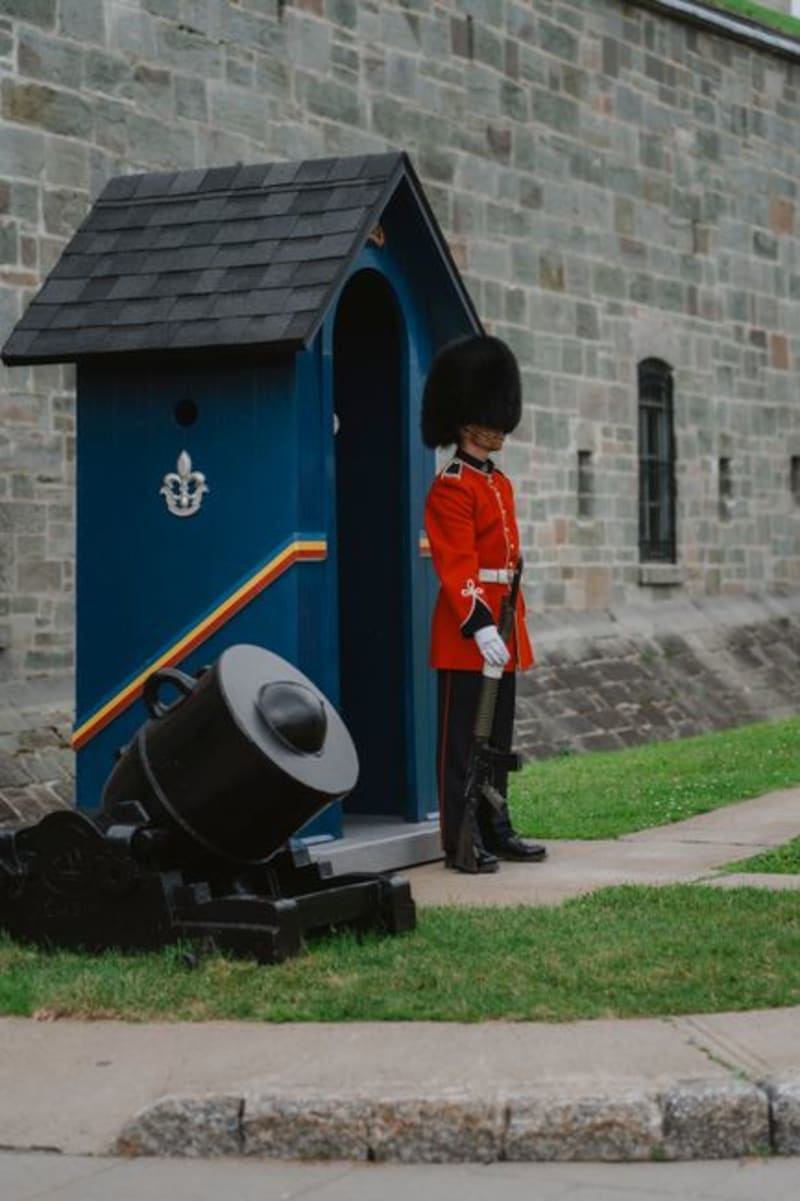 quebec
 Citadelle of Quebec
A star-shaped fortress still garrisoned by an active regiment, perched on the highest point of the cliff like the city never quite stopped expecting an attack.
Explore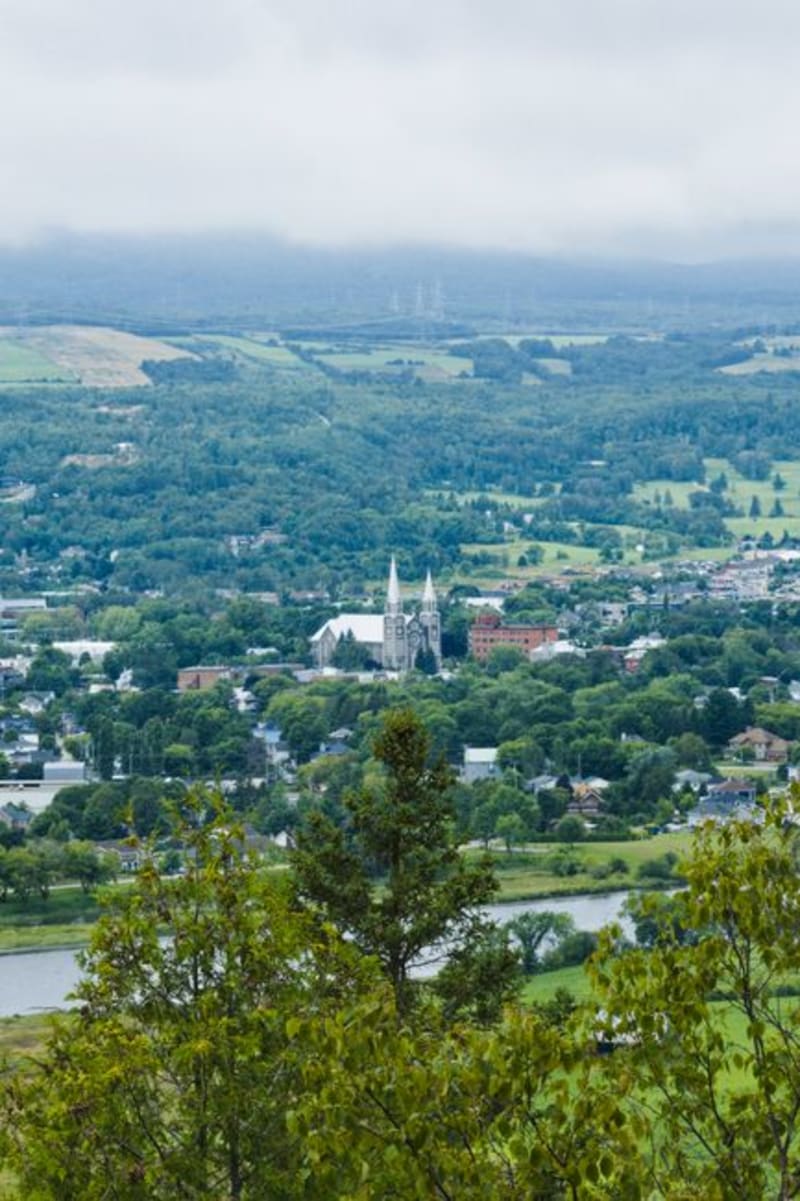 quebec
 Coaticook
A small town famous for one very long suspension bridge over a gorge, plus a countryside of dairy farms making some of Quebec's best ice cream.
Explore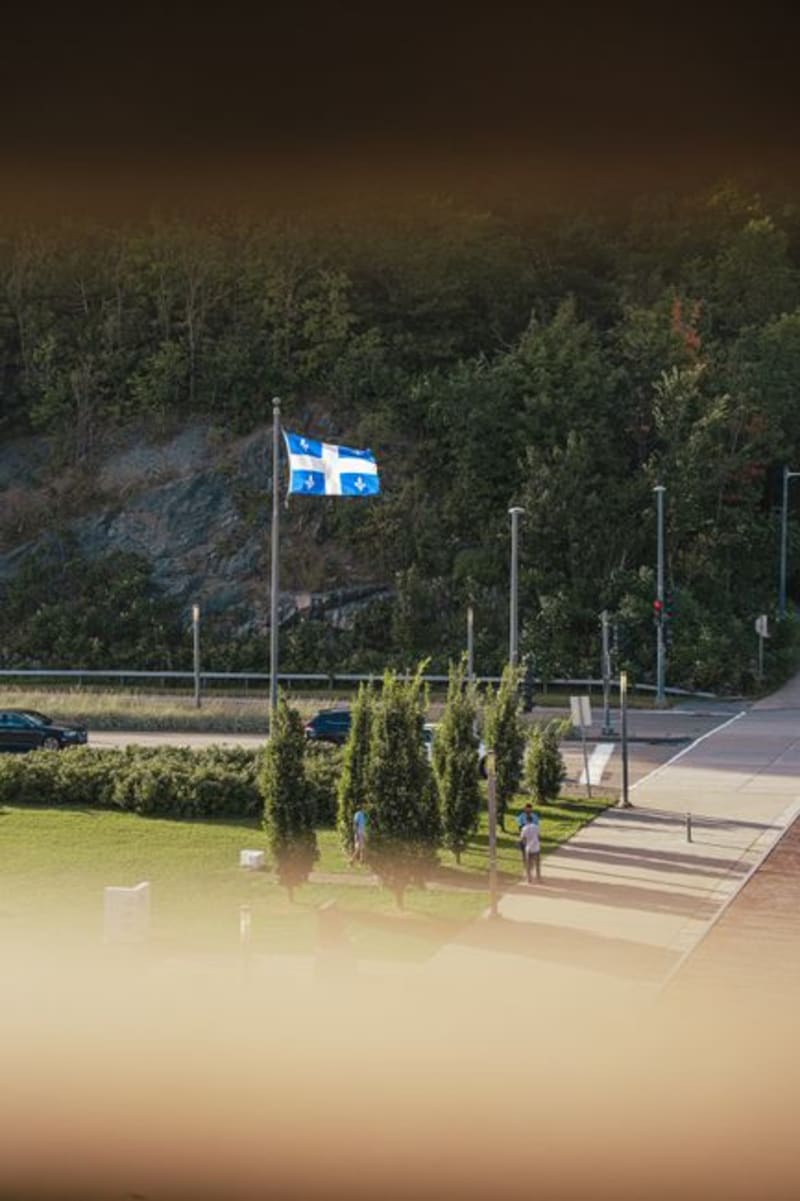 quebec
 Drummondville
A Centre-du-Québec river town where a living-history village recreates three centuries of Québécois life with real fires, real crops, and no irony.
Explore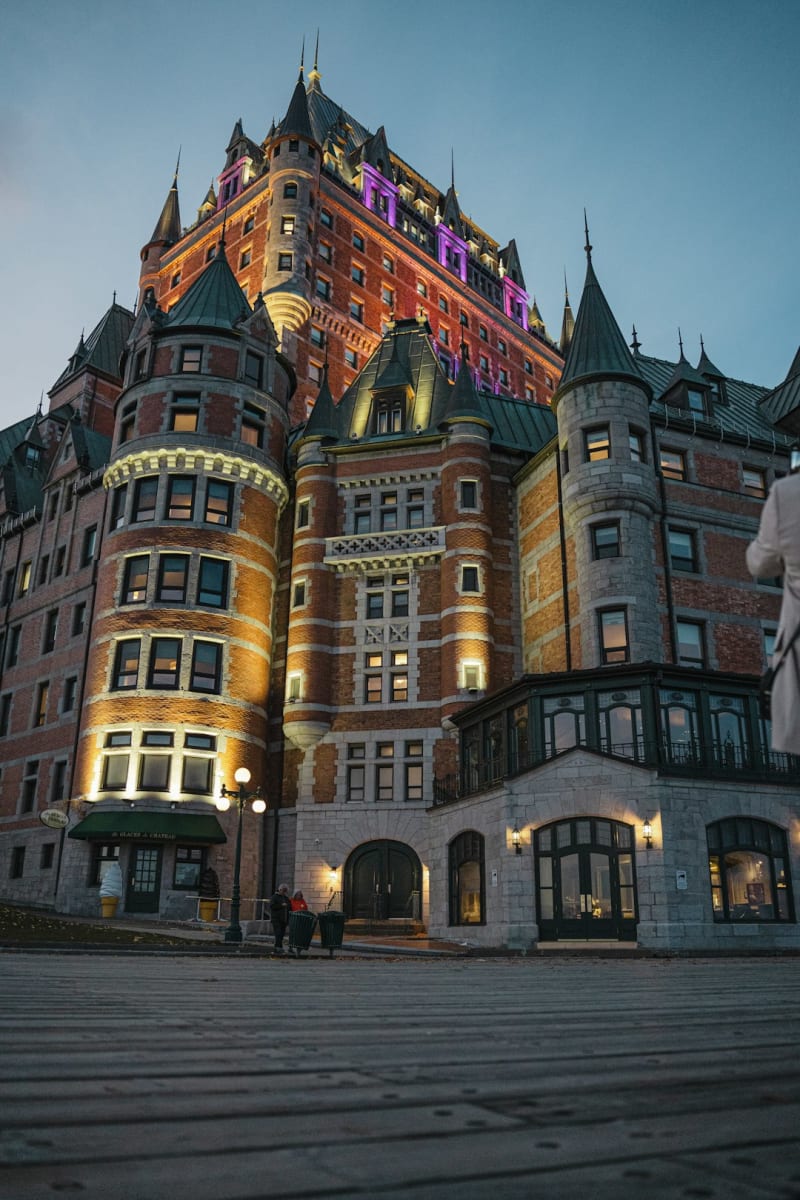 quebec
 Dufferin Terrace
The boardwalk above the cliff where the whole city seems to come out just to look at the river, and at itself.
Explore