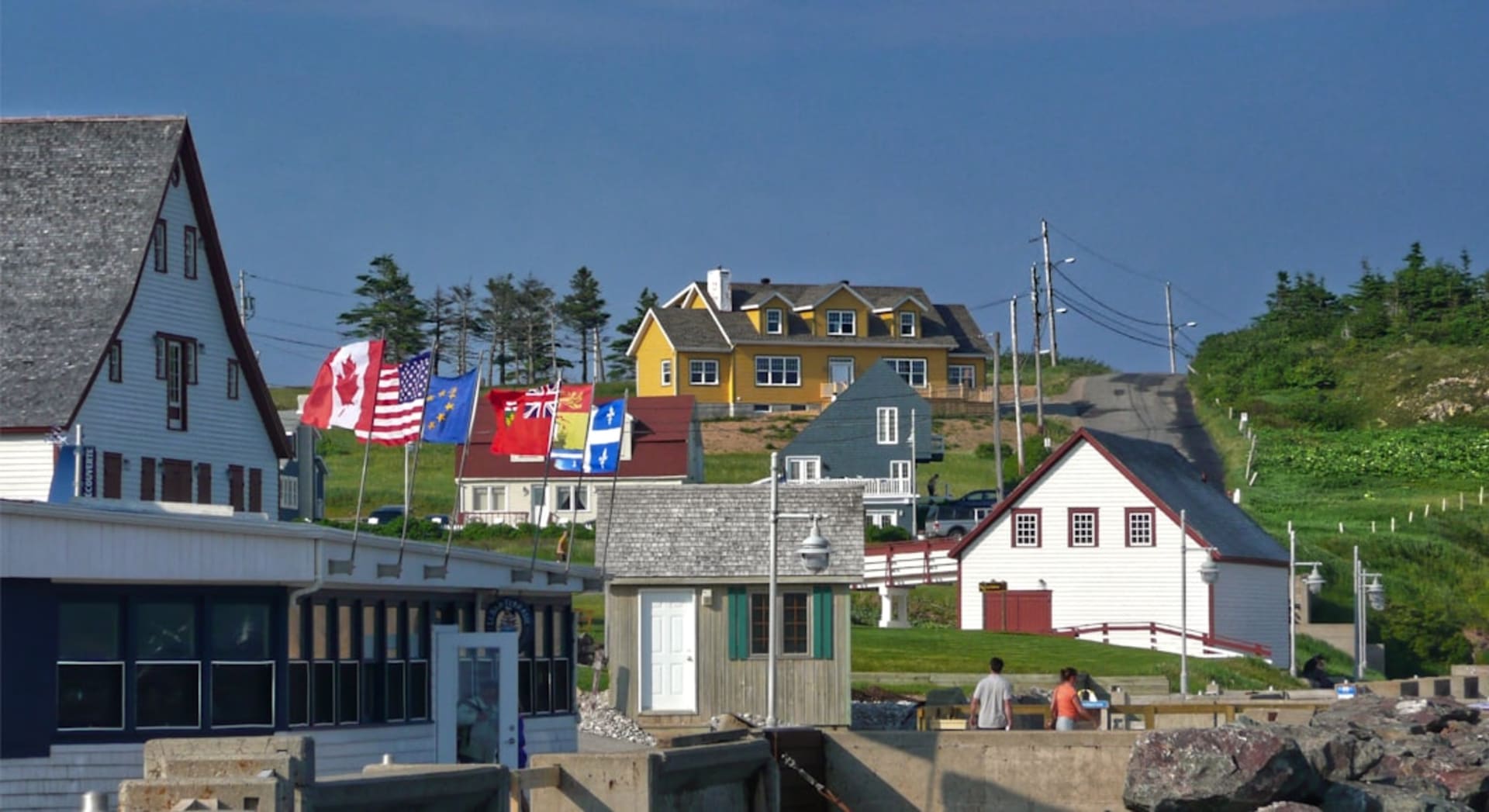
Batiscan
"Batiscan's old presbytery has stood on this bluff since 1696 — everything inside it is original, which is rarer than it should be."
A sleepy riverside seigneurie between Trois-Rivières and Québec City where a 1696 presbytery preserves the daily texture of New France better than any museum reconstruction.
I found Batiscan almost by accident, a small stop on Route 138 between Trois-Rivières and Québec City that I’d driven past twice before actually pulling in. It’s a small village at the mouth of the Rivière Batiscan, one of the earliest seigneuries established along the St. Lawrence, granted in 1639, and it retains a quality that a lot of restored New France sites have lost: the buildings here are largely original rather than reconstructed, and the difference is more noticeable than I expected.
The Vieux Presbytère de Batiscan, built in 1696, is one of the oldest surviving buildings of its kind in Québec, and it’s been kept as a museum with almost all of its original furnishings intact — not replicas, the actual chairs and tables and religious objects used by the priests who lived there for nearly three centuries. Walking through low-ceilinged rooms with worn plank floors and small deep-set windows, I felt closer to the actual texture of colonial daily life than I have at any of the larger, more polished historic sites — there’s something about original wear on original wood that no reconstruction quite replicates.
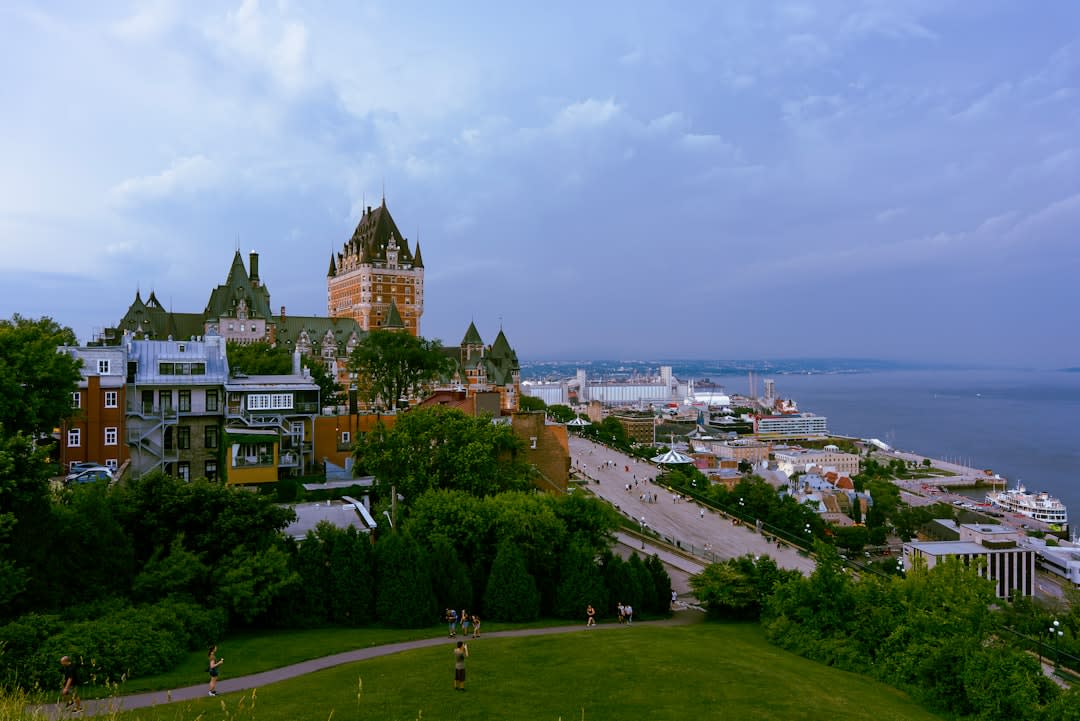
The grounds run down to the river, with a network of short walking trails through gardens and orchard that the presbytery’s priests would have maintained themselves, and a view across the St. Lawrence toward the south shore that’s changed very little in three hundred years apart from the occasional cargo ship passing through. I sat on a bench there for longer than I’d planned, mostly because nothing was pulling me to move on — a rare, unhurried kind of historical site, without a gift shop pushing you toward the exit.
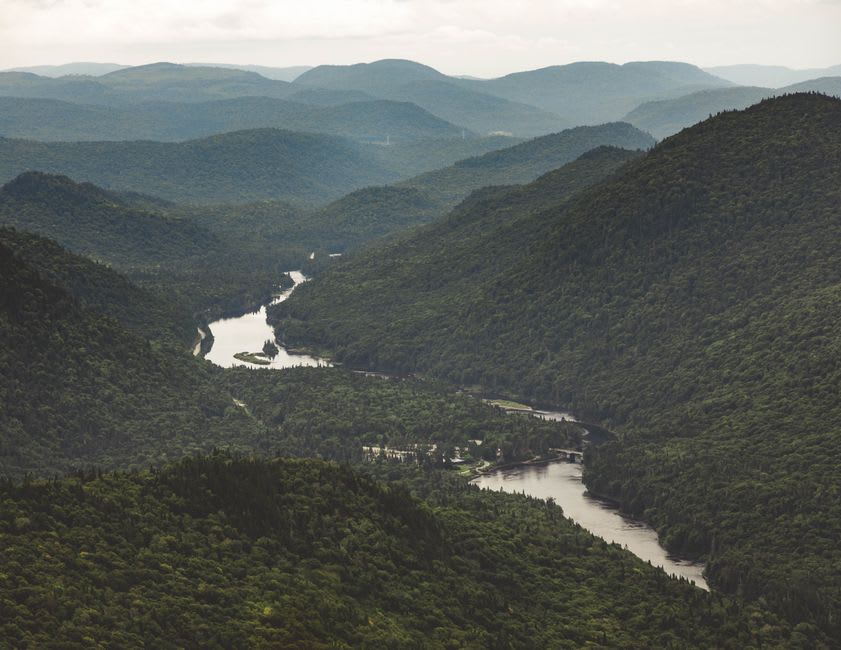
Batiscan won’t fill a full day, and it isn’t trying to. It’s a half-hour stop that rewards curiosity about the parts of New France history that don’t get the Château Frontenac treatment — the working seigneuries, the parish priests, the ordinary river villages that made up most of the colony’s actual population.
When to go: May through October, when the presbytery museum is open and the riverside gardens are at their best. A good half-day stop when driving Route 138 between Trois-Rivières and Québec City rather than taking the faster highway.