Parc de l'Artillerie
"A military site so continuously useful that nobody got around to turning it into a museum until the 1960s were nearly over."
Three centuries of military history stacked on one plot of land — French barracks, a British foundry, and the ammunition factory that ran until 1964.
I’ll admit Parc de l’Artillerie was not on my original list — I found it by accident, cutting through on the ramparts walk near Porte Saint-Jean, and ended up spending most of an afternoon there. What makes the site unusual isn’t any single building but the layering: the Dauphine Redoubt dates to French military construction in the 1710s, the British later converted the barracks and added a foundry, and — this is the detail that got me — the whole complex kept functioning as an actual munitions factory, producing small arms cartridges for the Canadian military, right up until 1964. Most historic military sites stop being military sites decades or centuries before anyone bothers preserving them. This one didn’t.
Parks Canada runs the site now, and the highlight for me was a massive scale model of Quebec City built by military engineers in 1808, over twelve meters long, showing every building, wall, and street of the city as it stood — a genuinely staggering feat of miniature craftsmanship originally made for defensive planning, now sitting in a converted foundry building as the single best way to understand the old town’s layout before you go walk it yourself. The officers’ quarters, restored to their 1830s appearance, gave a much less romantic picture of garrison life than I’d expected — cramped, cold, monotonous, a useful corrective to any lingering fantasy about historic military postings.
It’s a quieter stop than the Citadelle a few minutes away, and I’d argue it rewards curiosity more than spectacle — the kind of place where a slow read of every placard actually pays off.
When to go: Summer for full access to all the historic buildings; several are closed or on reduced hours the rest of the year. Pair it with the ramparts walk from Porte Saint-Jean, since the site sits directly along the route.
Keep exploring
More from Québec
 quebec
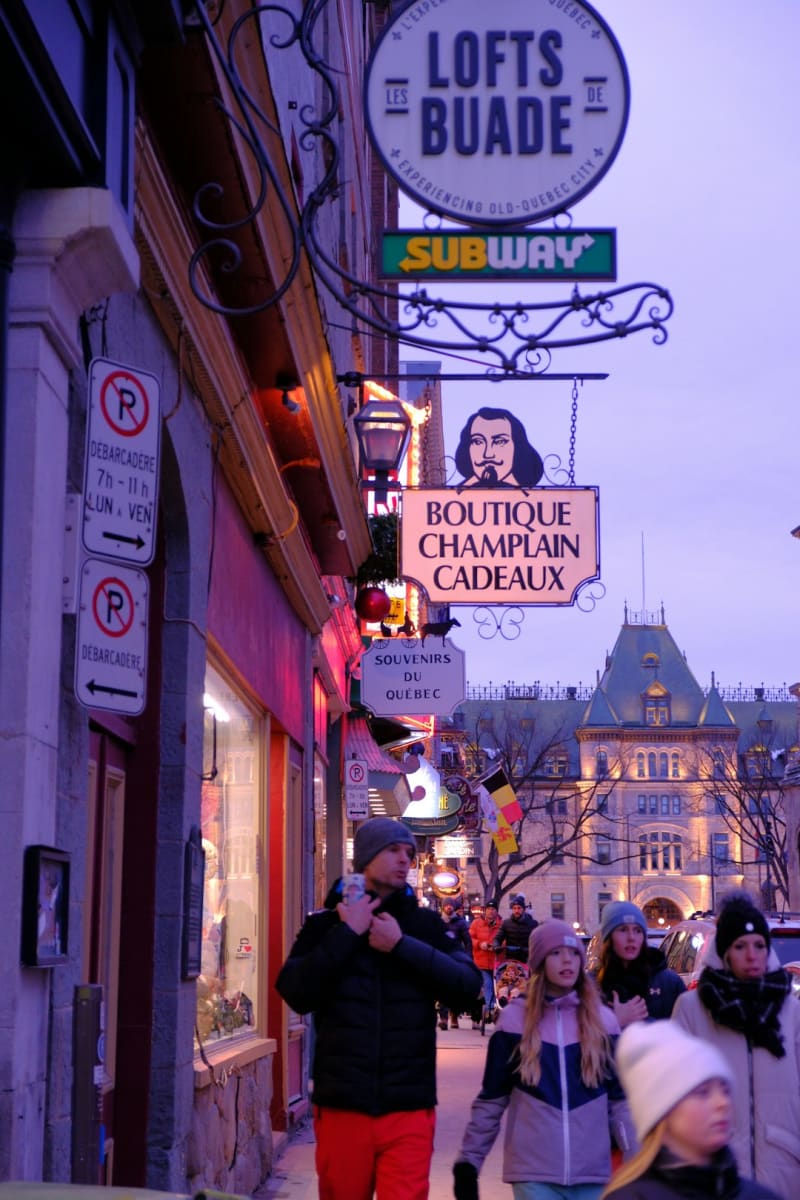
 Baie-Sainte-Catherine
The quiet southern gateway to the Saguenay fjord, where the free ferry crossing to Tadoussac doubles as one of the best budget whale-watching excursions in Quebec.
Explore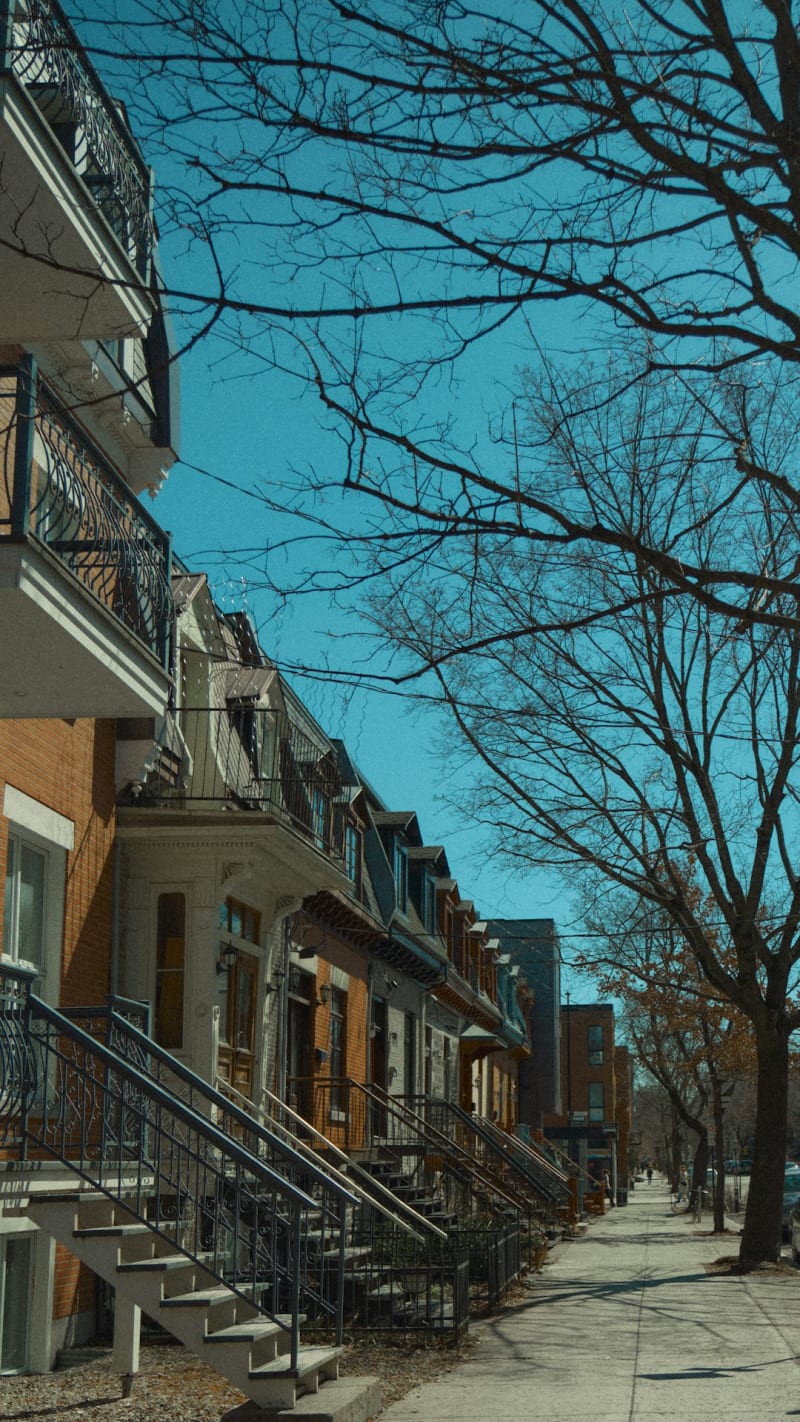 quebec
 Batiscan
A sleepy riverside seigneurie between Trois-Rivières and Québec City where a 1696 presbytery preserves the daily texture of New France better than any museum reconstruction.
Explore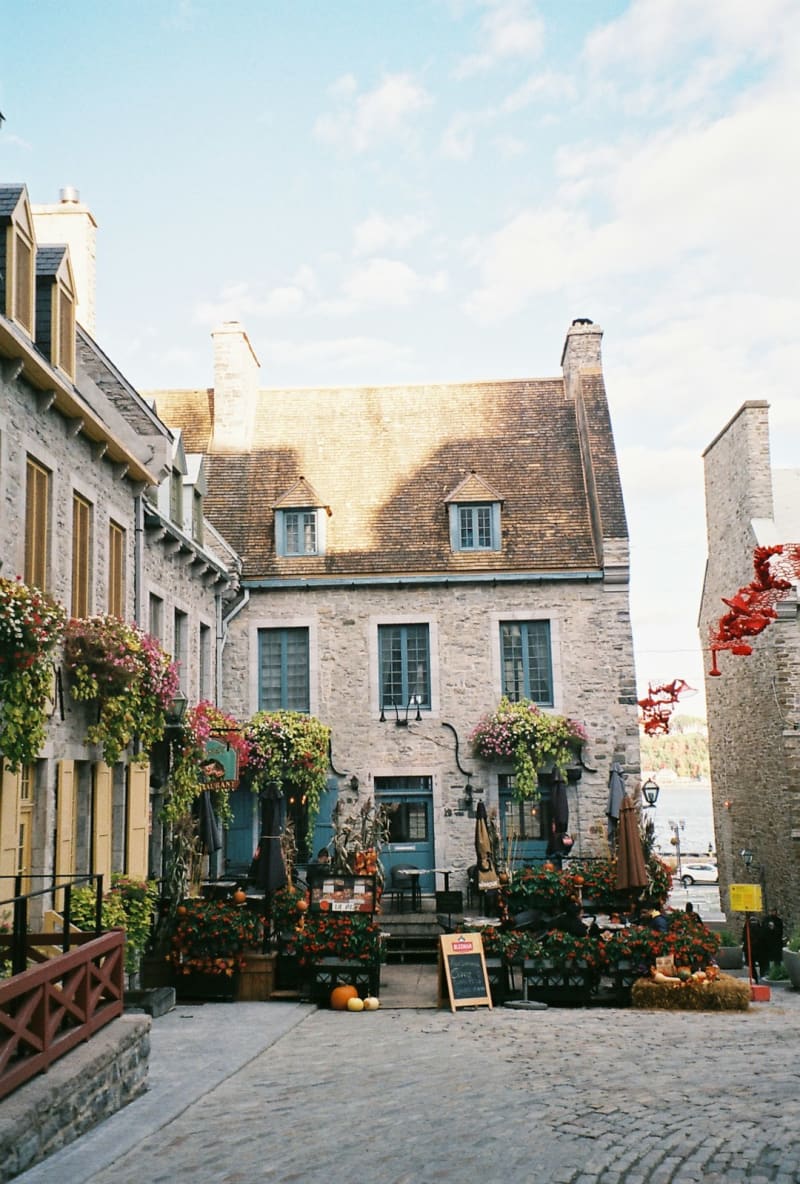 quebec
 Belle-Anse
A gallery of wind-carved red sandstone arches and pillars on the Magdalen Islands' northern shore that locals treat as a Tuesday-evening walk and everyone else treats as a pilgrimage.
Explore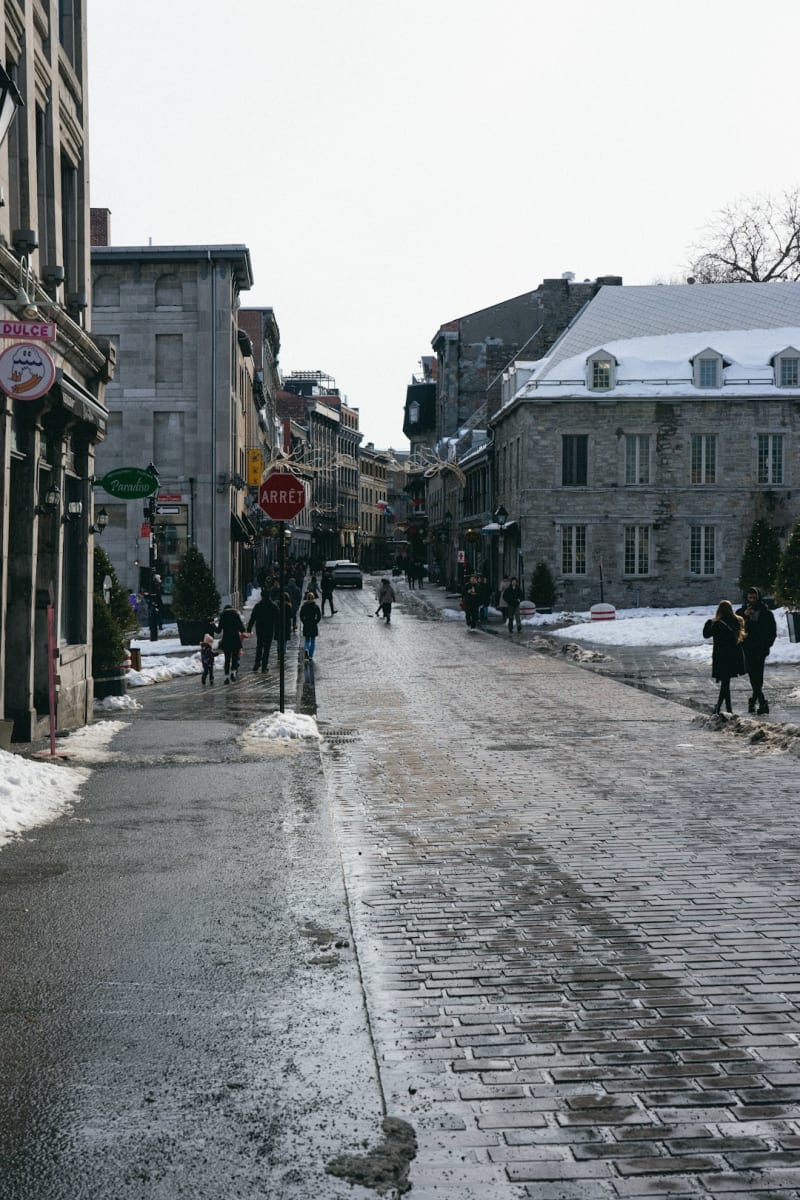 quebec
 Île Bonaventure
One of the largest and most accessible northern gannet colonies on earth — 100,000 birds on a single cliff face, and the smell reaches you before the sight does.
Explore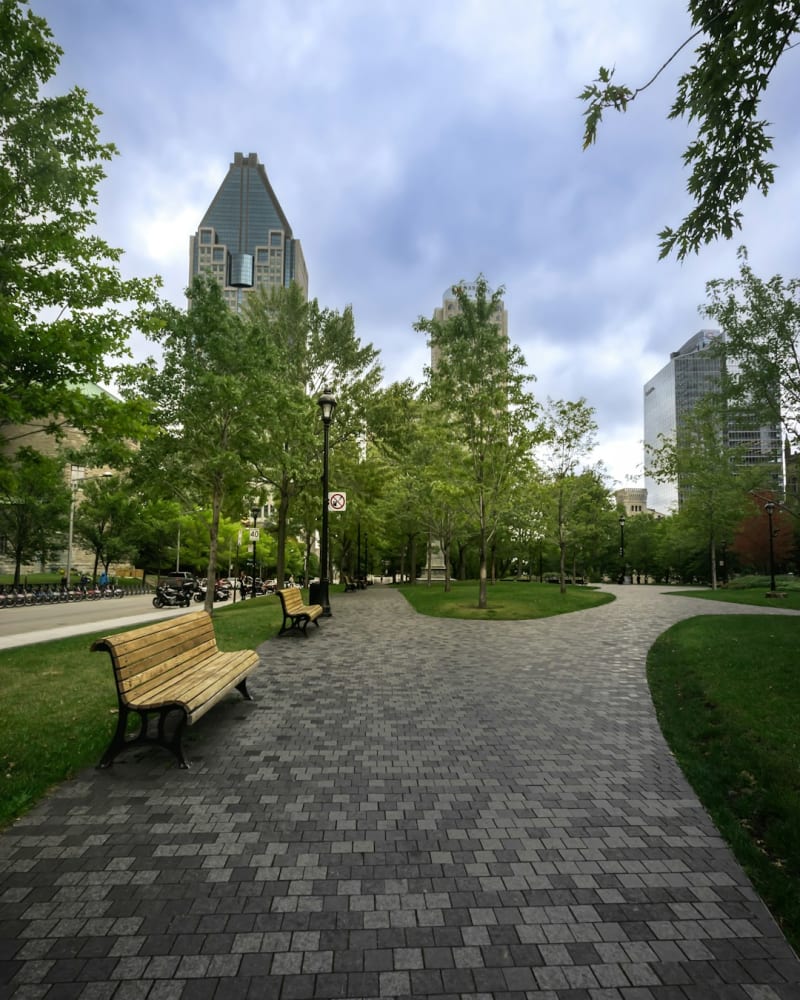 quebec
 Montreal Botanical Garden
Ten thousand plant species and a Chinese garden built by artisans flown in from Shanghai — one of the largest botanical gardens in the world, and one of Montreal's quietest surprises.
Explore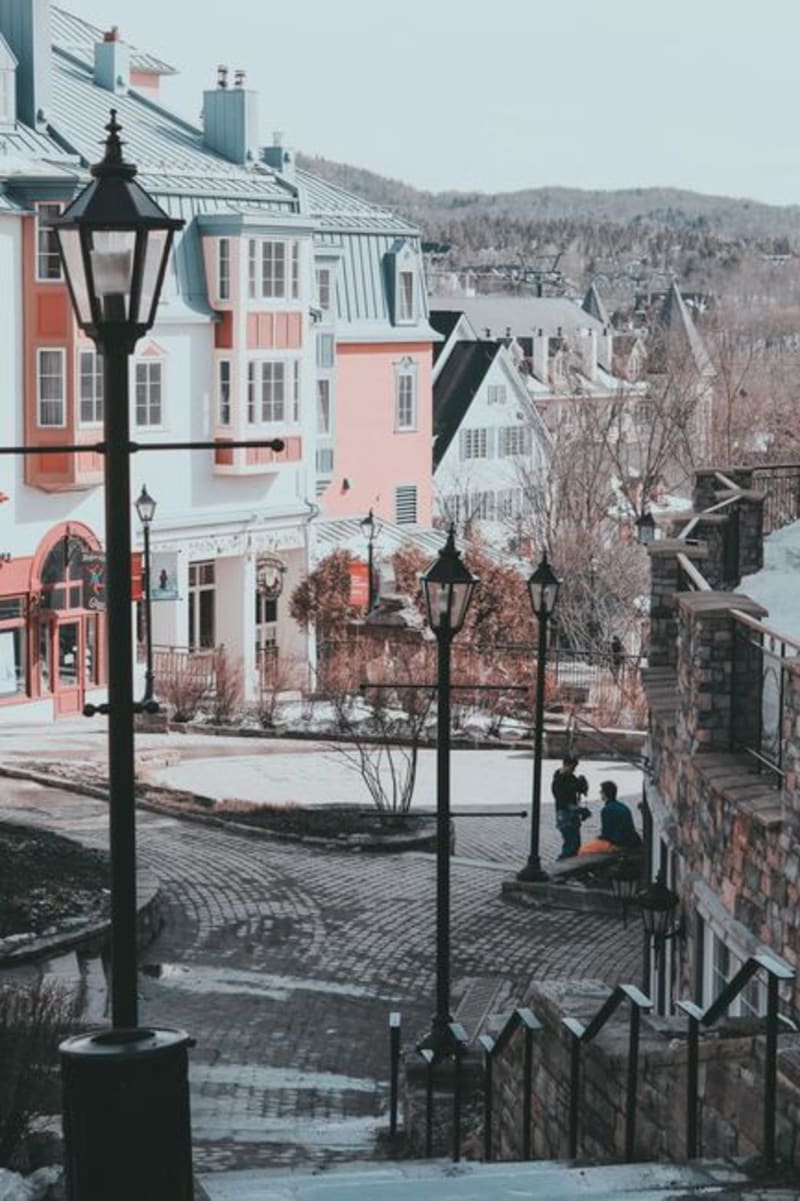 quebec
 Bromont
A mountain town built for motion — mountain biking in summer, skiing in winter, and a water park in between for anyone who needs a break.
Explore