Katara Cultural Village
"Doha finally slowed down for me here, between a mosque and a stage built for five thousand people."
A seaside arts district in Doha where a Greek-style amphitheater, pigeon towers, and an ornate Persian mosque sit within walking distance of each other.
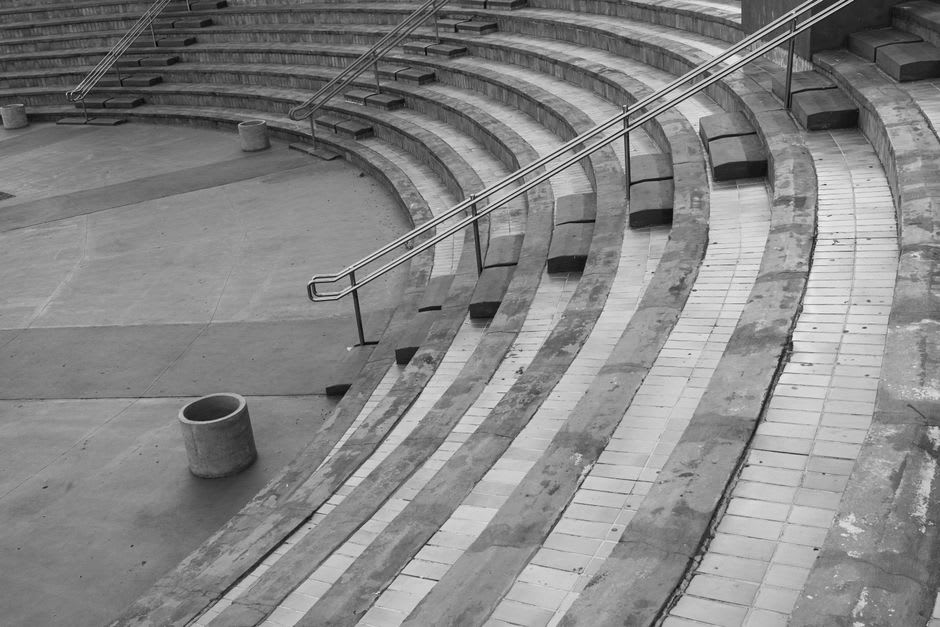
I almost skipped Katara. Lia and I had already done the Corniche walk, the souq, the dhow ride at sunset, and I figured a “cultural village” between West Bay and the Pearl would be another manicured, slightly hollow stop built for tour buses. It isn’t. Katara opened in 2010 as a purpose-built arts district, and you can feel the intention behind it, but it doesn’t feel staged the way I expected. We wandered in from the beach side in the late afternoon, and the first thing that stopped me was the amphitheater — a huge bowl carved into the ground, modeled openly on ancient Greek and Roman theaters, seating something like five thousand people. It was empty when we walked through, just wind moving over the stone tiers, and I sat on the top row for a while trying to picture it full during a concert or one of the Doha Film Institute’s outdoor screenings.
From there we cut through the alleys toward the Katara Mosque, and that’s where I stopped talking for a bit — Lia noticed and just let me look. It’s built in a Persian style, all soft turquoise and cream tilework and a bulbous ribbed dome that catches the light differently every few minutes as the sun drops. I’d seen plenty of mosques by then, in Doha and elsewhere, but the color palette here felt distinct, almost imported from somewhere further east, and I later read it was designed deliberately to reflect that Persian influence rather than the more common Gulf style. We sat outside for a while, not going in since prayer time was close, just watching the tilework change color.
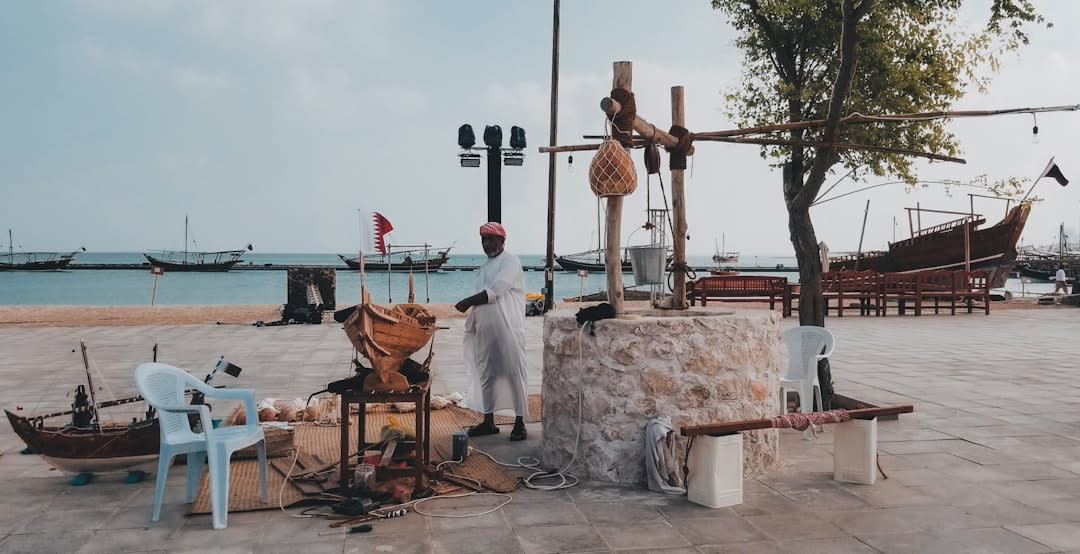
What got me most, honestly, were the pigeon towers. They’re squat, whitewashed structures scattered near the older section of the village, restored rather than rebuilt from scratch, and they made the whole place feel less like a cultural district and more like a fragment of an older Qatari coastal town that had been carefully kept alive. I asked a gallery attendant about them and he told me pigeons were once bred there for food and fertilizer, long before any of the galleries or film venues existed. It’s a strange, grounding detail to find next to an amphitheater built for opera.
We ended the evening with karak tea from a small stall near the water, watching families spill out of one of the galleries after a closing event, and I remember thinking Katara does something a lot of “cultural villages” fail at: it actually holds culture, not just architecture that references it.
When to go: We went in January and had cool evenings and a full amphitheater program to work around — I’d stick to the November-to-March window, since that’s when the outdoor concerts, film screenings, and the Katara International Dhow Festival actually bring the place to life.
Keep exploring
More from Qatar
 qatar
qatar Khor Al Adaid
The Inland Sea — where Qatar's southern dunes collapse into a tidal inlet of the Gulf and the landscape becomes genuinely surreal.
Explore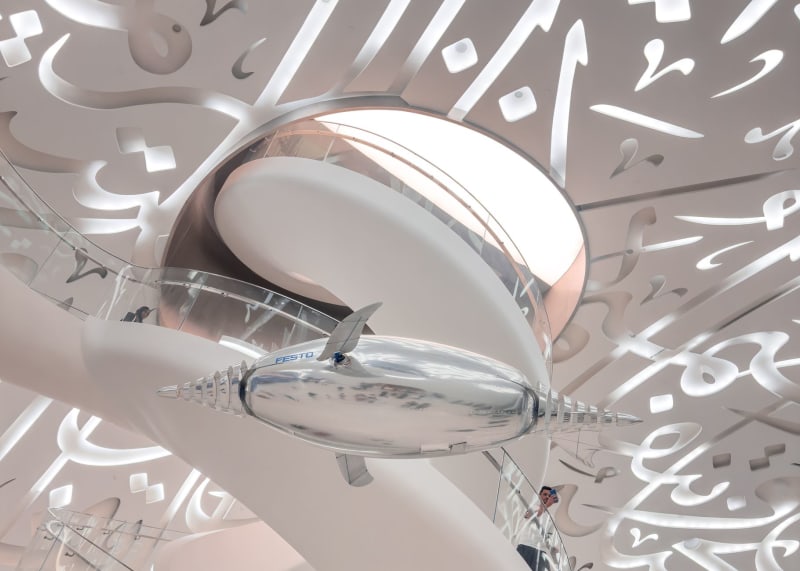 qatar
qatar Mathaf: Arab Museum of Modern Art
A museum in Education City that holds the Arab world's modern art history — the one the Western canon decided to leave out.
Explore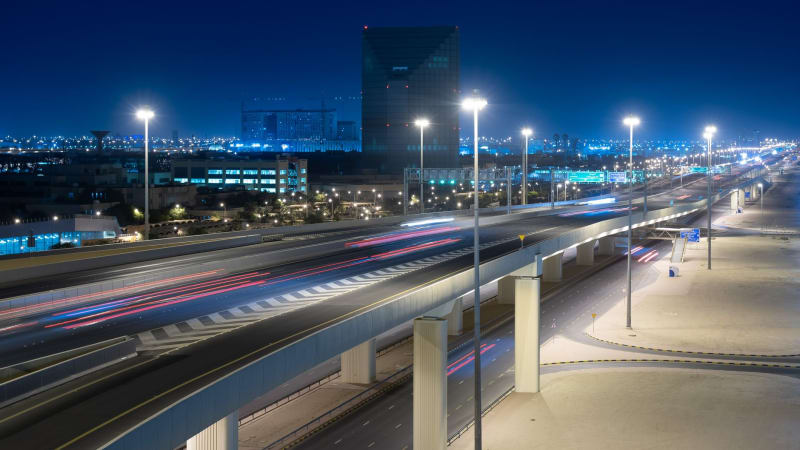 qatar
qatar Msheireb
Doha's most thoughtful neighborhood — a regenerated downtown built on the bones of the old merchant quarter with four museums in its heart.
Explore qatar
qatar Museum of Islamic Art
I.M. Pei's white geometry rising from the bay — a building that earned the right to hold fourteen centuries of civilization.
Explore qatar
qatar Sealine Beach
Where the dunes of the Mesaieed desert walk straight into the Gulf and the horizon does something it shouldn't be able to do.
Explore qatar
qatar Souq Waqif
Doha's old market where oud smoke and grilled spices turn the evening air into something you can almost taste.
Explore